
Test
UNESCO World Heritage Info Quiz
Este test tiene tiempo límite, así que se abre en el reproductor de siempre.
Preguntas del test (10)
1What does the abbreviation UNESCO stand for?
- AUnited Network of Education, Science and Computing
- BUnited Network of Education, Science and Culture
- CUnited Nations Education, Science and Camping Office
- DUnited Nations Educational, Scientific and Cultural Organization
2 When were the UNESCO World Heritage sites created?
- A1919
- B1949
- C1968
- D1978
3What was the aim of the UNESCO?
- Ato promote tourism
- Bto make inheriting easier
- Cto preserve the world´s cultural and natural heritage
- Dto collect travel brochures worldwide for a library
4What is a World Heritage site?
- AFrom there, you always have a great view.
- BIt is an internet subpage of the World Tourism Organization.
- CIt is an area where you can see miniature models of important buildings.
- DIt is an area or region of cultural, historic, scientific or other significance
55. Which three countries have the most UNESCO world Heritage sites?
- AItaly, China, Spain
- BGermany, France, India
- CMexico, United Kingdom, Russia
- DUnited States, Iran, Japan
6Among the first European sites enlisted in 1978 were

- AAachen Cathedral, the historic center of Krakow and the Wieliczka Salt Mines
- BSagrada Familia, Budapest Castle Hill, Tower of London
- CThe Louvre, the Charles Bridge, the Trevi Fountain
- DDrottningholm Palace Theatre, Bryggen Hanseatic Museum, Bremen Central Station
72018 was the European Year of

- ACultural Heritage
- BCultural Knowledge
- CNational Heritage
- DIntercultural Knowledge
8According to a list from 2018, how many sites exist worldwide?
- Aless than 500
- Bup to 750
- Cless than 900
- Dnearly 1,100
99. The most visited World Heritage site is
- AParis and the banks of the Seine
- BLondon and the banks of the Thames
- CRome and the banks of the Tiber
- DCologne and the banks of the Rhine
10What kind of our cultural heritage is preserved?
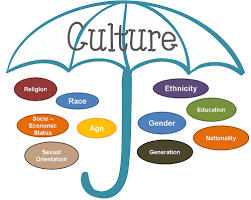
- Aa) tangible, like monuments , buildings, artwork, books, machines,..
- Bb) non-tangible, like language and oral traditions, performing arts, traditional craftsmanship,….
- Cc) natural, like landscape, flora and fauna
- Dd) digital, like digital art or digitalised texts, videos, e.g. to preserve them
- Ea, b, c and d
Información
- Descripción
- Part of the etwinning project Culture Compass - quiz questions and solutions prepared by Secondary l school students from Germany and made for partners in Spain, Finland and Bulgaria
- Idioma
- English
- Visitas
- 204
- Etiquetas
- Valoración
- Aún sin valoraciones Valora este test