
Test
QoD 16.3
Este test tiene tiempo límite, así que se abre en el reproductor de siempre.
Preguntas del test (25)
1The administration of propofol (2 mg/kg) to an otherwise healthy adult for the induction of anesthesia is MOST commonly associated with which one of the following hemodynamic changes?
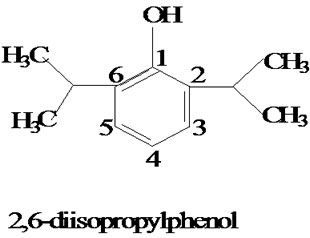
- ADecreased afterload
- BDecreased contractility
- CDecreased heart rate
- DDecreased preload
2A 4-year-old boy presents with the acute onset of inspiratory stridor and a barking cough after waking in the middle of the night. The child is febrile, sounds noticeably hoarse, and cries loudly when handled by medical personnel. The patient's parents report that the child has had a "cold for a couple of days." What is the MOST likely infectious etiology of this child's disease?
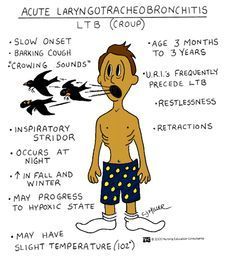
- AHaemophilus influenzae
- BInfluenza A
- CParainfluenza virus
- DStreptococcus pyogenes
3Which of the following is LEAST likely to be observed in an infant presenting with pyloric stenosis?
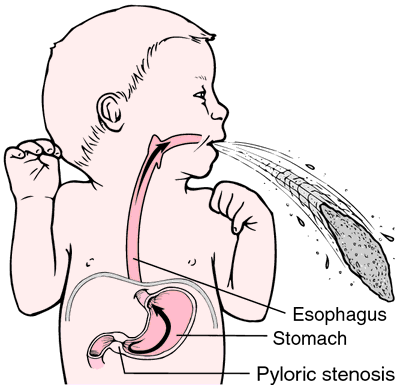
- AHypernatremia
- BHypochloremia
- CHypokalemia
- DMetabolic alkalosis
4Which of the following DECREASES MAC for volatile anesthetics?
- AClonidine
- BFemale sex
- CHyperthermia
- DMAO inhibitors
5Which of the following describes the type of ventilation that is characterized by the delivery of a set tidal volume whenever a breath is initiated, either by the patient or by the ventilator?
- AAssist control
- BIntermittent mandatory ventilation
- CPressure support ventilation
- DPressure controlled ventilation
6In the midesophageal long axis view at approximately 110-130 degree multiplane angle, which of the left ventricular walls can be BEST assessed for function and regional wall motion abnormalities?
- AAnteroseptal and inferolateral
- BAnterior and lateral
- CInferior and apical
- DAnterolateral and posteroseptal
7A 30-year-old woman undergoes a right frontal craniotomy for resection of a low grade glioma. She is given dexamethasone and levetiracetam. Mannitol (1 g/kg) and hyperventilation are used to provide brain bulk reduction. Her sodium drops acutely from 139 meq/L preoperatively to 125 meq/L intraoperatively. Serum osmolality is 310. What is the MOST appropriate management?
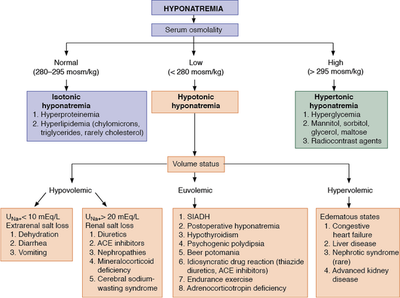
- AConivaptan
- BFurosemide diuresis
- CHypertonic saline
- DNo intervention is required
8Terbutaline is often administered to treat preterm labor or to stop tetanic uterine contractions that interfere with fetal oxygenation. Which of the following is MOST likely a maternal side effect of terbutaline administered under these circumstances?
- ABradycardia
- BHypokalemia
- CHypoglycemia
- DHypertension
9The timing of heparin induced thrombocytopenia is BEST described by which of the following?
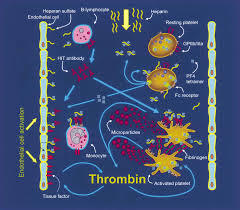
- AImmediate upon heparin administration
- BWithin 24 hours of heparin administration
- CFrom 5 to 14 days after heparin administration
- DGreater than 2 weeks after heparin administration
10What features BEST distinguish heparin induced thrombocytopenia and thrombocytopenia induced by other drugs?
- ADrug induced thrombocytopenia results in mild thrombocytopenia
- BHeparin induced thrombocytopenia results in severe thrombocytopenia with mucocutaneous bleeding
- CDrug induced thrombocytopenia results in significant arterial thrombosis
- DHeparin induced thrombocytopenia results in moderate thrombocytopenia with venous thrombosis
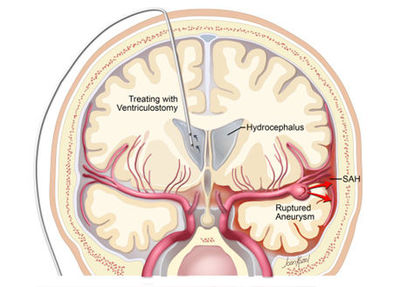
11A patient with aneurysmal subarachnoid hemorrhage is 5 days status-post clip ligation of a right middle cerebral artery aneurysm. A ventriculostomy is in place to manage hydrocephalus. She acutely develops lethargy and left sided weakness. Which of the following is the MOST appropriate evaluative strategy?
- ACarotid ultrasound
- BCT with CT angiography
- CMRI with contrast
- DPET Scan
12Which of the following is NOT a side effect of mild hypothermia?
- ACoagulopathy
- BDiuresis
- CSeizures
- DVentricular arrhythmias
13Which of the following cardiac valvular abnormalities is MOST frequently observed during the acute embolization of fat, air or thrombus?
- AAortic regurgitation
- BMitral regurgitation
- CPulmonic regurgitation
- DTricuspid regurgitation
14A 74-year-old man with a past medical history significant for hypertension and coronary artery disease is scheduled for a right thoracotomy for right upper lobectomy. His current medications include aspirin, clopidogrel, lisinopril, and atenolol. A T5-6 thoracic epidural is planned or preoperative analgesia. What is the MINIMUM amount of time the patient should be off his aspirin and clopidogrel prior to having an epidural placed?
- A5 days
- B7 days
- C14 days
- DDoes not need to hold prior to epidural placement
15Which of the following respiratory parameters remains UNCHANGED in pregnancy?
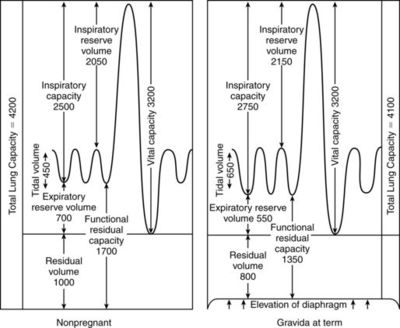
- AFunctional residual capacity (FRC)
- BInspiratory reserve volume (IRV)
- CTotal lung capacity (TLC)
- DExpiratory reserve volume (ERV)
16A 70-year-old man with a DDD-R pacemaker for a history of symptomatic bradycardiais undergoing an anterior cervical discectomy and fusion with somatosensory evoked potential (SSEP) and motor evoked potential (MEP) monitoring. The pacemaker should be reprogrammed to which of the following?
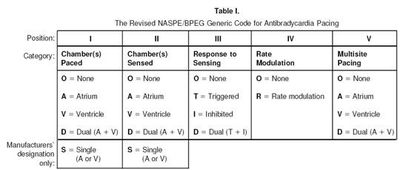
- ADiscontinue R function
- BDual chamber asynchronous pacing
- CNo reprogramming
- DVentricular asynchronous pacing
17A 75-year-old man is undergoing a mitral valve replacement via cardiopulmonary bypass. The perfusionist is running bypass flows at > 2.5 liters/minute/m2. Which of the following is the MOST likely adverse consequence of undergoing cardiopulmonary bypass at increased flow rates?
- AIncreased trauma to blood elements
- BIncreased hypothermia
- CDecreased blood flow to the brain
- DDecreased myocardial blood flow
18A 35-year-old woman who underwent orthotopic heart transplantation 2 years ago for nonischemic cardiomyopathy presents after a motor vehicle accident for exploratory laparotomy under general anesthesia. Intraoperatively, her blood pressure is 75/35 mmHg and heart rate is 90 bpm. After the administration of phenylephrine, which of the following hemodynamic responses do you MOST expect?
- AHR decreased, BP increased
- BHR decreased, BP no change
- CHR no change, BP increased
- DHR no change, BP no change
19A 55-year-old woman with a history of congenital long QT syndrome is undergoing a hysteroscopy for abnormal uterine bleeding. She had uneventful induction of general anesthesia but after paracervical block with lidocaine develops ventricular tachycardia with morphological appearance of torsades de pointe. Which of the following medications should be AVOIDED in the treatment of her arrhythmia?
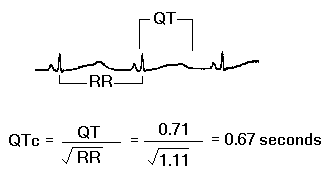
- AAmiodarone
- BCalcium chloride
- CEsmolol
- DMagnesium sulfate
20A 59-year-old man presents with nausea, diaphoresis, and bradycardia. His blood pressure is 80/40 mmHg, HR 45 bpm. A transthoracic echocardiogram reveals global left ventricular hypokinesis with bulging of the interventricular septum into the left ventricle, mild mitral regurgitation, and moderate tricuspid regurgitation. Which coronary artery do you MOST expect to be occluded?
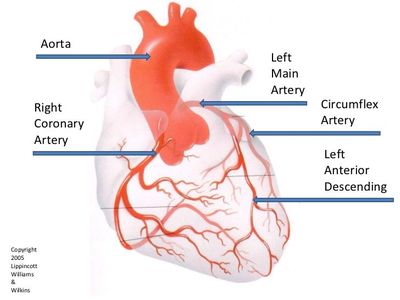
- AFirst diagonal artery
- BLeft anterior descending artery
- CLeft circumflex artery
- DRight coronary artery
21Which of the following is MOST often associated with carbon monoxide poisoning?
- ASalicylate poisoning
- BCyanide toxicity
- CEthanol toxicity
- DAcetaminophen toxicity
22After an accidental needle stick with a contaminated needle, which of the following viruses carries the HIGHEST risk of transmission?
- AHIV
- BHepatitis A
- CHepatitis B
- DHepatitis C
23Which of the following statements regarding the addition of clonidine to an epidural infusion is MOST correct?
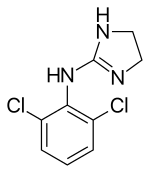
- AClonidine is an alpha-2-receptor antagonist
- BClonidine effect in peripheral nerve blocks is primarily centrally mediated
- CClonidine prolongs the sensory block when added to intermediate local anesthetics
- DCommonly reported side effects include tachycardia and hypertension
24Compared to "plain" local anesthetic without epinephrine, a pre-mixed local anesthetic with epinephrine solution is MOST associated with which of the following?
- ALittle effect on peak plasma levels
- BDecreased sensory block
- CIncreased onset time
- DDecreased cardiac output
25Which of the following BEST explains why higher settings of desflurane are needed at higher altitudes to produce the same anesthetic effect?
- ADecreased concentration of desflurane at higher altitudes
- BDecreased partial pressure of desflurane at higher altitudes
- CDecreased oxygen concentration at higher altitudes
- DThis statement is incorrect; equivalent settings produce the same anesthetic effect
Información
- Descripción
- Starting 6/1/2016
- Autor
- Mike Ru
- Idioma
- English
- Visitas
- 74
- Historial
- Creado el 2 jun 2016 · actualizado el 12 dic 2017
- Etiquetas
- Valoración
- Aún sin valoraciones Valora este test