
Test
BCM-FINAL, PT 2
Este test tiene tipos de pregunta que se abren en el reproductor de siempre.
Preguntas del test (52)
1Match the enzymes with their function.
A. DNA polymerase I
B. DNA polymerase III
C. Primase
D. DNA ligase
E. DNA topoisomerase
F. Helicase
G. Single strand binding protein
In a newly synthesized prokaryotic DNA strand, the primers are removed by _____. [blank_start]A[blank_end]- AA
2Match the enzymes with their function.
A. DNA polymerase I
B. DNA polymerase III
C. Primase
D. DNA ligase
E. DNA topoisomerase
F. Helicase
G. Single strand binding protein
_____ synthesizes DNA during replication. [blank_start]B[blank_end]- AB
3Match the enzymes with their function.
A. DNA polymerase I
B. DNA polymerase III
C. Primase
D. DNA ligase
E. DNA topoisomerase
F. Helicase
G. Single strand binding protein
_____ require ATP to add negative supercoils to DNA. [blank_start]E[blank_end]- AE
4Patients with the rare genetic disease xeroderma pigmentosum (XP) are very sensitive to light and are highly susceptible to skin cancers. XP is caused by defective DNA repair _____.
- ANucleotide excision repair
- BMismatch repair
- CBase excision repair
- DAlkylguanine transferase
5Match the following types of DNA damage to DNA repair system responsible for their repair.
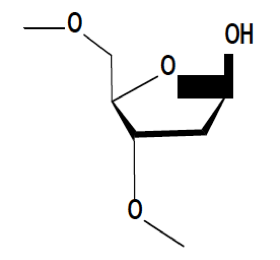
- AO6-alkylguanine DNA alkyltransferase (AGT)
- BMismatch repair (MMR)
- CBase excision repair (BER)
- DNucleotide excision repair (NER)
6What type of mutation most likely results from the alkylation of the oxygen on position 6 of guanine base producing O6-methylguanine?
- ADeletion
- BInsertion
- CTransition
- DTransversion
7Cigarette smoking has deleterious effects on reproduction. Which of the following statements is FALSE?
- ABenzo[a]pyrene is not carcinogenic until it is oxidized within cells.
- BBenzo[a]pyrene diol epoxide derivatives is highly carcinogenic and mutagenic.
- CThe epoxide derivatives can covalently bind to guanosine residue in DNA, to form DNA adducts.
- DThe DNA adducts interrupting hydrogen bonding in G-C base pairs.
- EBase excision repair recognizes a bulky lesion and fix the repair.
8All of the following are true about nucleotide excision repair EXCEPT:
- ARemoval of the damaged bases occurs on only one strand of the DNA
- BIt removes thymine dimers generated by UV light
- CIt involves the activity of an excision nuclease, which is an exonuclease
- DIt requires a polymerase and ligase
- EOnly the damaged nucleotides are removed (cuts are made several nucleotides on either side of damaged bases)
9Which of the following mechanisms does NOT affect the mutation rate due to oxidation of guanine to 8-oxo-G?
- ADegradation of 8-oxo-dGTP
- BProofreading by DNA polymerase I
- CRemoval of 8-oxo-G from DNA by a DNA glycosylase
- DTransfer of the oxygen to a DNA alkyl transferase
- ENone of the above
10Toxic cyanides are conjugated with:
- ACysteine
- BActive sulfate
- CGlucuronic acid
- DThiosulfate
11Biotransformation by oxidation is catalyzed by:
- ACytochrome c
- BCytochrome aa3
- CCytochrome b
- DCytochrome P450
12How would you expect DNA methylation to alter gene expression?
- AExtremely increase expression
- BModerately increase expression
- CNo change in expression
- DMeasurably decrease expression
- EEither increase of decrease expression
13What type of enzyme would most likely promote increased gene expression?
- ADNA methyltransferase
- BDNA demethylase
- CDNA polymerase
- DDNA ligase
- EDNAse
14What characteristics of DNA allows methylation patterns to be maintained through replication and cell division?
- ASemiconservative replication
- BRecombination and repair
- CThe absence of uracil
- DTopoisomerases
- EDeoxyribonucleotide synthesis
15What effect does histone acetylation have on transcription?
- AExtremely decrease expression
- BModerately decrease expression
- CNo change in expression
- DMeasurably increase expression
- EEither increase or decrease expression
16All are characteristics of RNA-directed DNA polymerase EXCEPT:
- AReverse transcriptase
- BFound in retroviruses
- CRNAse H activity
- DSynthesis polynucleotides in the 3’ to 5’ direction
17The point where separation of the DNA occurs is called the replication fork.
- AVerdadero
- BFalso
18The primers required to initiate DNA replication remain in the DNA molecule after replication.
- AVerdadero
- BFalso
19The PROOFREADING activity of E. coli DNA polymerases:
- AOccur after DNA synthesis is complete
- BIs a function of 5’ to 3’ exonuclease activity associated with DNA polymerase itself
- CIs a function of 3’ to 5’ exonuclease activity associated with DNA polymerase itself
- DIs a function of 3’ to 5’ endonuclease activity associated with DNA polymerase itself
20The enzyme activity inhibited by acyclovir is:
- ADeoxyribonuclease
- BThymidine kinase
- CReverese transcriptase
- DViral DNA polymerase
21Acyclovir:
- AIs a synthetic purine nucleoside analogue.
- BMust be 5’ monophosphorylated by the herpes virus thymidine kinase in order to be active.
- CMust undergo phosphorylation by cellular kinases to produce acyclovir triphosphate from acyclovir monophosphate in order to be active.
- DResults in chain termination during DNA replication because it lacks a 3’ hydroxyl group.
- EAll of the above
22The flow of genetic information in Central Dogma of Biology (included the retroviruses) is as follows:
- ARNA to DNA to proteins
- BRNA to DNA to RNA to proteins
- CDNA to RNA to proteins
- DDNA to RNA to DNA to RNA to proteins
23In order for an RNA virus such as HIV to direct synthesis of new viral RNA, it must first direct synthesis of DNA. In order to do this, the virus must violate the central dogma by using an enzyme called:
- AReverse translatase
- BReverse replicase
- CReverse transcriptase
- DPyrophosphatase
- EPrimase
24DNA polymerase can add new nucleotides to the free _____ of a nucleotide strand.
- A3’-phosphate end
- B3-OH’ end
- C5’-OH end
- D3-OH’ end and 5’-OH end
- E3’-phosphate end, 3-OH’ end, and 5’-OH end
25In a newly synthesized prokaryotic DNA strand, the primers are removed by _____.
- ADNA polymerase III
- BDNA ligase
- CPrimase
- DDNA topoisomerase I
- EDNA polymerase I
26DNA replicates through what process?
- AConservative replication
- BDisparative replication
- CDispersive replication
- DSemi-conversative replication
27Zidovudine (AZT) is a more effective inhibitor of HIV reverse transcriptase than of mammalian cell DNA polymerases because:
- AAZT can be converted to a ribonucleotide triphosphate more efficiently than to a dTTP.
- BMammalian DNA polymerases have a 3’ to 5’ exonuclease activity, whereas HIV reverse transcriptase does not.
- CAZT crosses the outer mammalian cell membrane more efficiently than it crosses the nuclear membrane.
28Which of the following is NOT a function of DNA polymerase I?
- A5’ to 3’ exonuclease
- B3’ to 5’ exonuclease
- CPolymerase
- DHelicase
29During replication, DNA strands separate, causing supercoiling. These supercoils are removed by:
- AAcid hydrolysis
- BTopoisomerases
- CPrimase
- DHelicase
- EDNA polymerase I
30An apyrimidinic or apurinic (AP) site forms in which type of DNA repair?
- APhotoreactivation
- BMismatch repair
- CDirect repair
- DNucleotide excision repair
- EBase excision repair
31In the first step of base excision repair
- AA phosphodiester bond is broken
- BTwo nicks are made surrounding the DNA damage
- CA break in DNA is sealed by DNA ligase
- DA base is removed by the action of a DNA glycosylase
32What modification neutralizes the charges on histones and loosens up the interactions between histones and DNA?
- APhosphorylation
- BDemethylation
- CAcetylation
- DPolyadenylation
33DNA methylation may be a significant mode of genetic regulation in eukaryotes. Methylation refers to
- AAltering RNA polymerase activity by methylation of RNA polymerase
- BAlteration of DNA polymerase activity by addition of methyl groups to glycine residues
- CAddition of methyl groups to the cytosine of CG doublets
- DAltering transcription activity especially of highly methylated of daughter strands
34Which of the following enzyme(s) excision repair?
- ADNA glycosylase
- BAP endonuclease
- CAP exonuclease
- DDNA glycosylase, AP endonuclease, AP exonuclease
- EDNA glycosylase and AP endonuclease
35Which of the following is NOT TRUE of DNA methylation?
- AIt is associated with transcription repression.
- BIt occurs on cytosine adjacent to guanines
- CCytosines on both strands are usually methylated.
- DIt is carried out by DNA methyltransferases.
- EMethylation is permanent and cannot be reversed.
36How does histone acetylation affect chromatin structure?
- ANeutralizes positive histone charges and binds to DNA more tightly.
- BNeutralizes negative histone charges and binds to DNA more tightly.
- CIncreases positive histone charges and binds to DNA more tightly.
- DNeutralizes positive histone charges and binds to DNA more loosely.
- ENeutralizes negative histone charges and binds to DNA more loosely.
37Nuclear receptors (estrogen receptor) belong to which class of transcription factor?
- AHelix-loop-helix proteins
- BHelix-turn-helix proteins
- CLeucine zipper proteins
- DZinc finger proteins
38Co-repressor complex has the ability to decrease histone acetylation and represses transcription.
- AVerdadero
- BFalso
39Which of the following statements are FALSE?
- ADeamination of 5-methyl cytosine creates a G-T mismatch.
- BTranscriptionally active regions of DNA have the CpG sequence methylated.
- CDNA cytosine methylation is associated with gene silencing.
- DDeamination of cytosine creates a G-U mismatch.
40Match the DNA damage to DNA repair system responsible for their repair (using structure attached).
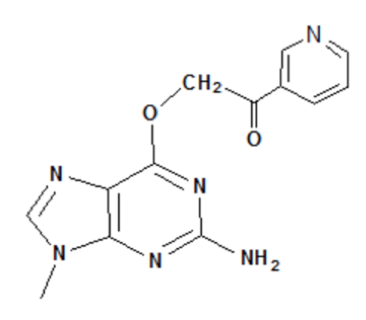
- APhotolyase
- BNucleotide excision repair (NER)
- CMismatch repair (MMR)
- DO6-alkylguanine DNA alkyltransferase (AGT)
- EBase excision repair (BER)
41Old (parental) and new (daughter) strands of DNA in bacteria can be distinguished by
- ADNA glycosylases
- BMethylation patterns
- C3’ to 5’ exonuclease activity
- DAP endonucleases
42The reposition of helix-12 by estrogens (estradiol) creates an activation function (AF)-2 surface that allows the binding of coactivators LxxLL recognition site.
- AVerdadero
- BFalso
43When the base cytosine undergoes deamination, it becomes
- AUracil
- BAdenine
- CGuanine
- DPhosphorylated
44E. coli DNA pol I has all of the following characteristics EXCEPT:
- A5’ to 3’ exonuclease activity
- B3’ to 5’ exonuclease activity
- C5’ to 3’ DNA polymerase activity
- DDoes not require a primer for initiation
45Which of the following description about topoisomerases (gyrases) is FALSE?
- AThey break and reseal phosphodiester bond.
- BThey form covalent intermediates with their DNA substrates.
- CThe chemical bond between a tyrosyl residue and a phosphoryl group in topoisomerase I is irreversible.
- DTopoisomerase II use ATP to form negatively supercoiled DNA to overcome the torsion stress imposed upon unwinding.
46AZT, is the first approved HIV drug. Which of the following statements about AZT are TRUE?
I. AZT is phosphorylated by cellular thymidine kinase to form AZT-monophosphate.
II. AZT-monophosphate is further phosphorylated by cellular kinases to form AZT-triphosphate.
III. AZT-triphosphate is a substrate for DNA polymerase, incorporated into growing polynucleotide chains in the place of adenosine residues.- AI
- BII
- CI and II
- DI, II and III
47A ten-year old girl is brought to the dermatologist by her parents. She has many freckles on her face, neck, arms, and hands, and the parents report that she is usually sensitive to sunlight. Two basal cell carcinomas are identified on her face. Which of the following processes is most likely to be defective in this patient?
- ARepair of double-strand breaks.
- BRemoval of mismatched bases from the 3’-end of Okazaki fragments.
- CRemoval of pyrimidine dimers from DNA.
- DRemoval of uracil from DNA.
48All of the following are true about nucleotide excision repair EXCEPT:
- ARemoval of the damaged bases occurs on only one strand of the DNA.
- BIt removes thymine dimers generated by UV light.
- CIt involves the activity of an excision nuclease, which is an endonuclease.
- DIt requires a polymerase and a ligase.
- ERecognizes small damaged bases in DNA (methylated and oxidized bases) and fix the repair.
49Another type of DNA repair is base excision repair. Base excision repair
- AIs used only for bases that have been deaminated.
- BUses enzymes called DNA glycosylases to generate an abasic sugar site.
- CRemove about 10 to 15 nucleotides.
- DRecognizes a bulky lesion.
- EDoes not require an endonuclease.
50Cigarette smoking has deleterious effects on reproduction. Which of the following statements is FALSE?
- ABenzo[a]pyrene is not carcinogenic until it is oxidized within cells.
- BBenzo[a]pyrene diol epoxide derivatives is highly carcinogenic and mutagenic.
- CThe reactive molecules react with adenine nucleotides to cause DNA damage.
- DThe DNA adducts interrupting hydrogen bonding in G-C base pairs.
51Mutation in DNA may result from all of the following EXCEPT:
- ASpontaneous mutations due to errors in replication.
- BPhysical insults on the cell, such as UV light.
- CChemical mutagens
- DIntroduction of a base analog into DNA.
- EErrors in transcription.
52Tamoxifen is a selective estrogen receptor modulator, has been approved by the FDA for use in the treatment of breast cancer. Which of the following statements is FALSE?
- ATamoxifen can prevent breast cancer by acting as an antagonist.
- BTamoxifen crosses the cell membranes and binds to estrogen receptors.
- CBinding of tamoxifen to estrogen receptor induces a conformational change, which can inhibit the binding of a coactivator.
- DThe reposition of helix-12 by tamoxifen creates an activation function AF-2) surface that allows the binding of coactivators.
Información
- Descripción
- blah
- Autor
- Jon dL
- Idioma
- English
- Visitas
- 104
- Etiquetas
- Valoración
- Aún sin valoraciones Valora este test