
Test
TE2 Exam 2
Crea una cuenta gratis para terminar este test
Guarda tu progreso y consulta tu resultado final.
¿Ya tienes cuenta? Inicia sesión
Preguntas del test (45)
1Patient presents with their right hand in an Ape-Hand formation with atrophy of the thenar eminence. They have a weak grip, cannot pronate the forearm, and are unable to to tip-to-tip, tip-to-pad, and pad-to-pad prehension.
Which nerve is likely compressed or damaged?- AMedian n.
- BRadial n.
- CUlnar n.
2Patient presents with the following symptoms:
▪ Wrist Drop
▪ Weak Triceps
▪ Weak Supination
▪ Difficulty making Fist or Gripping Objects
Which nerve do you think is compressed or damaged?- AMedian n.
- BRadial n.
- CUlnar n.
3Patient presents with the following symptoms:
▪ Partial claw with atrophy between the metacarpals,
▪ Atrophy of hypo-thenar eminence and
▪ Ulnar drifting of little finger
▪ No Thumb AD-D and Finger AD-D/AB-D
▪ No Flexion of Fingers 4 and 5
Which nerve doe you think is compressed or damaged?- AMedian n.
- BRadial n.
- CUlnar n.
4Following a nerve injury, your patient presents with an obvious physical deformity of the affected region. Which of the following is the most likely type of nerve injury?
- AChronic Nerve Compression
- BMild Compression
- CComplete Laceration
- DStretch Injury (adhesions following surgery)
5Following a nerve injury, your patient presents with a subtle physical deformity of the affected region. Which of the following is the most likely type of nerve injury?
- AChronic Nerve Compression
- BMild Compression
- CComplete Laceration
- DStretch Injury (adhesions following surgery)
6Following a nerve injury, your patient cannot even manage a trace of contraction in the affected region. Which of the following is the most likely type of nerve injury?
- AChronic Nerve Compression
- BMild Compression
- CComplete Laceration
- DStretch Injury (adhesions following surgery)
7Following a nerve injury, your patient reports heightened symptoms when the nerve is stretched, but abatement when the nerve is returned to a less stressful length.
Which of the following is the most likely type of nerve injury?- AChronic Nerve Compression
- BMild Compression
- CComplete Laceration
- DStretch Injury (adhesions following surgery)
8Which of the following characterize treatment and healing during the ACUTE Phase of Nerve Injury?
- Aemphasis is on healing and prevention of complications
- BGentle ROM
- CPatient Education: Protective Strategies
- DThis is when reinnervation occurs
- EMotor Retraining – Start once signs of volitional muscle contraction reappear
- FThis occurs when the potential for reinnervation has peaked, and there are significant residual deficits
- GThe emphasis is training compensatory function
- HEmphasis is on retraining and re-education
9Which of the following characterize treatment and healing during the RECOVERY Phase of Nerve Injury?
- AEmphasis is on retraining and re-education.
- BMotor Retraining – Start once signs of volitional muscle contraction reappear.
- CThis is when reinnervation occurs.
- Demphasis is on healing and prevention of complications
- EGentle ROM
- FPatient Education: Protective Strategies
- GThis occurs when the potential for reinnervation has peaked, and there are significant residual deficits
- HThe emphasis is training compensatory function.
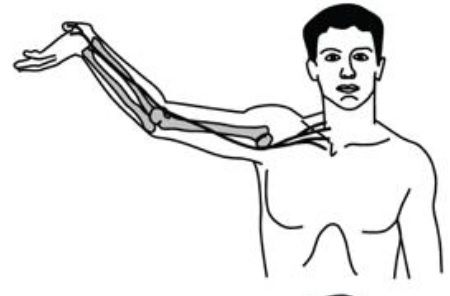
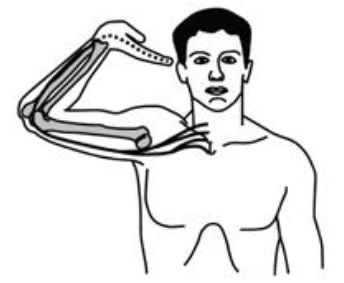
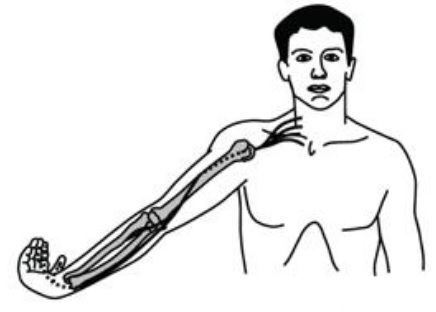
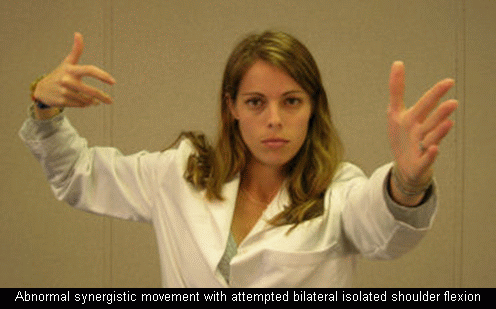
10Stretch the Median n.!
- A
- B
- C
- D
- A
11Stretch the Ulnar n.!
- A
- B
- C
- D
- A
12Stretch the Radial n.!
- A
- B
- C
- D
- A
13Which nerve is stretched the most by the following?
1. Shoulder Girdle depression (PTs thigh on top of shoulder)
2. Pronation of F/A with IR –elbow is in extension
3. Thumb to center of palm
4. Finger flexion
5. Wrist flexion
6. Ulnar deviation
7. Slight arm abduction
8. Cervical SB away- ARadial n.
- BUlnar n.
- CMedian n.
- DMusculoskeletal n.
14Which nerve is stretched the most by the following?
1. Shoulder girdle depression (hand underneath scapula)
2. Shoulder Abduction-place elbow in PT groin to control
3. Shoulder ER
4. 5th-finger extension (PT index finger on patient’s 5th finger)
5. Wrist Extension
6. Elbow Flexion
7. Finish Shoulder Abduction- AUlnar n.
- BRadial n.
- CMedian n.
- DSciatic n.
15Which nerve is stretched the most by the following?
1. Shoulder girdle depression (PT elbow at top of patient’s shoulder)
2. Arm Abduction to 90 degrees
3. Shoulder ER
4. Forearm Supination
5. Wrist/Finger Extension
6. Elbow Extension
7. Cervical Side-bend Away- AMedian n.
- BUlnar n.
- CRadial n.
- DFemoral n.
16Which of the following provides the best stretch for the Femoral n.?
- AProne Knee Bend Test
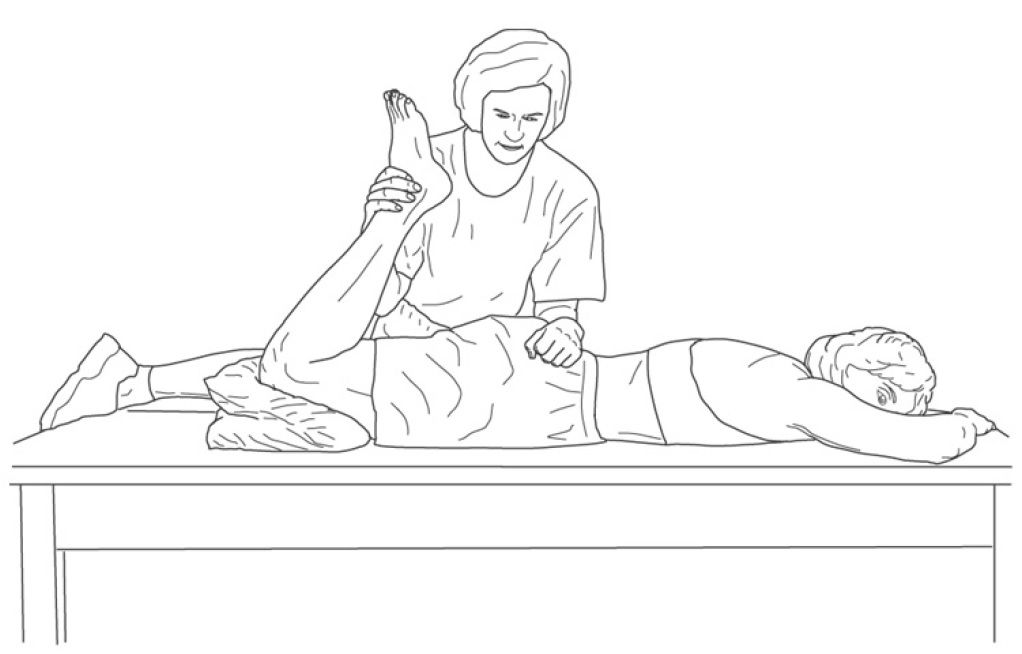
- BSupine SLR
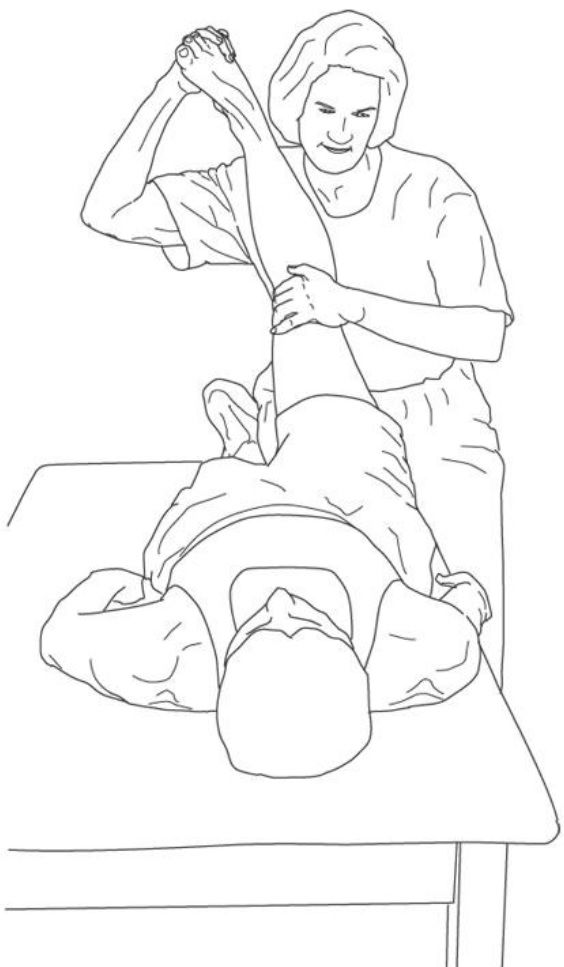
- CSlump Test
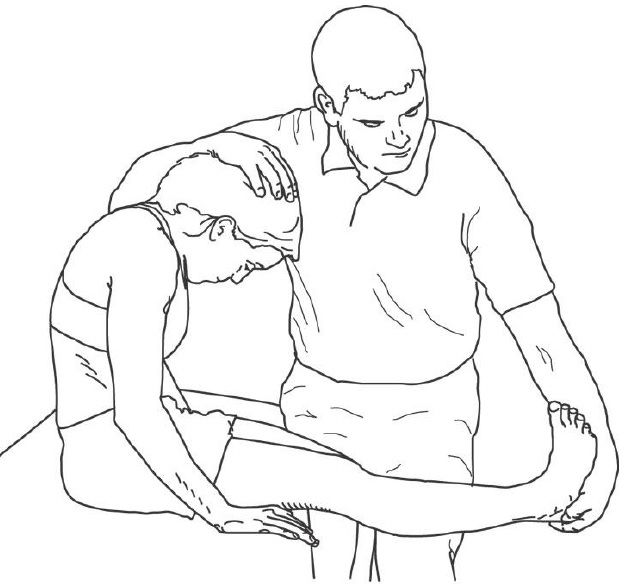
- DNaked Superman
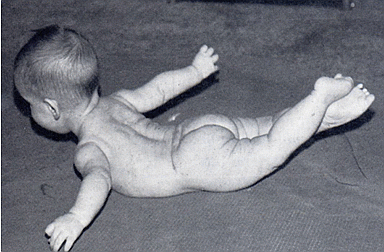
- AProne Knee Bend Test
17Which of the following can be used with neural tensioning of the Sciatic n.?
- ASlump Test
- BSupine SLR
- CProne Knee Bend
- DAnt/Pos Splits
- ASlump Test
18Non-Operative management of carpal tunnel syndrome includes which of the following?
- ASplint wrist in neutral
- BTeach patient how to protect areas of decreased sensitivity in the hand
- CMobilize carpals
- DTendon gliding
- EMedian n. mobilization
- FStrengthening of associated musculature
19Identify the most appropriate COMPREHENSIVE treatment plan to address sciatic nerve entrapment.
- ASuperficial soft-tissue mobilization around the Piriformis m.
- BNeural Glide (Flossing)
- CStretching of Piriformis m.
- DStretching of Hamstrings
- EHEP with stretching
- FHEP with Nerve Glides
- GStrengthening of Piriformis m.
- HSuperficial soft-tissue mobilization around the Hamstrings
- IDeep-tissue massage
20From the assessment position, which joint is first manipulated to treat the Femoral nerve?
- AAnkle
- BKnee
- CHip
- D1st MCP
21From the assessment position, which joint is first manipulated to treat the Radial nerve?
- AWrist
- BElbow
- CShoulder
22From the assessment position, which joint is first manipulated to treat the Ulnar nerve?
- AShoulder
- BElbow
- CWrist
23Which of the following biomechanical abnormalities can contribute to patellofemoral pain or patellar instability?
- ATight / weak rectus femoris
- BTight TFL and ITB
- CWeak VMO
- DShift of insertion of patellar ligament
- EExternal tibial rotation
- FHind-foot pronation
- GWeak VL
- HFore-foot pronation
- IInternal tibial rotation
- JTight Hamstrings
24What are the most common/effective interventions used to manage patellofemoral pain syndrome?
- AStrengthen Hip AB-Ductors and Ext.Rotators
- BStretch Muscles about the Hip, Knee, and Ankle Joints
- CSoft Tissue Mobility
- DPatellar Taping
- ECryopack application
- FMoist Hot Pack
- GRest
25In treatment of patellofemoral pain syndrome, which of the following muscles should receive particular attention?
- AHip AB-Ductors
- BHip Ext.Rotators
- CHip Flexors
- DHip Extensors
- EHip AD-Ductors
- FHip Int.Rotators
- GQuads
- HHamstrings
- IGastroc
- JTib.Ant.
26What is the positioning of the knee when immobilized after surgery for realignment of the extensor mechanism?
- AFull Extension
- BFull Flexion
- CSlight Flexion
- D90 degrees of Flexion
27Patient reports a diffuse ache in anterior knee, pain exacerbated by stair-climbing, swelling, and the knee giving-way from time-to-time. What do you think might be the problem?
- ACompression of Femoral n.
- BLaceration of Sciatic n.
- CPatellofemoral Arthralgia
- DOsteoarthritis
28Which structures resist LATERAL force at the patellofemoral joint?
- AMedial Retinaculum
- BVastus Medialis Oblique (VMO)
- CLateral Trochlear Facet
- DLateral Retinaculum
- EMedial Trochlear Facet
29Which patellar orientation is the most likely to cause patellar tendonitis to an extent that even quad sets and SLR cause pain?
- ALateral Glide
- BLateral Tilt
- CMedial Rotation
- DInferior Tilt (Anteroposterior Component)
30Which of the following indicates a positive test for Dynamic Tilt of the Patella?
- APassively move Patella medially => Lateral Patellar Border becomes more difficult to palpate
- BDuring Quadriceps contraction, Patella should travels inline with femur, not favoring either side
- CInferior Pole of Patella is LATERAL to the Long Axis of the Femur
- DInferior Pole of Patella is more POSTERIOR than Superior Pole
31Which of the following indicates INTERNAL ROTATION of the Patella?
- AInferior Pole of Patella is MEDIAL to the Long Axis of the Femur
- BInferior Pole of Patella is LATERAL to the Long Axis of the Femur
- CLine between most medial and most lateral aspect of patella is perpendicular to the Long Axis of the Femur
- DInferior Pole of Patella is more POSTERIOR than Superior Pole
32According to your reading on McConnell patellar taping, which dysfunctional component should be corrected first in your taping?
- Aanteroposterior component
- Btilt component
- Crotation component
- Dglide component
33The Tilt Component of Patellar Orientation refers to rotation about the transverse axis of the patella.
- AVerdadero
- BFalso
34According to the Clinical Approach for the Selection of Taping Techniques for Knee Pain, which taping method will provide the best unloading, such as might be needed for a person presenting with severe crepitus, severe pain beneath and around the patella, or post-arthroscopic surgery?
- ADiamond-Pattern
- BV-Shape
- CAnteroposteriorCorrection
- DExternal Rotation Correction
35McConnell recommends using your assessment of the patellar position to decide on the correct taping method to apply. What is a major problem in relying on your assessment results?
- ARelies upon the palpation skills of the therapist
- BPatellar position changes with knee flexion
- CPatellar position may change over time
36If the inferior pole of the patella is medial to the long axis of the femur, which component would you want to create with your taping?
- AExternal Rotation
- BInternal Rotation
- CPosterior Tilt
- DLateral Translation
- EMedial Translation
37According to Laprade, which of the following is the most effective exercise to recruit the VMO relative to the VL.
- AResisted Tibial Medial Rotation during Knee Extension
- BResisted Tibial Medial Rotation
- CSeated Knee Extension
- DStanding Knee Extension
38The patellar taping technique should demonstrate immediate changes with the report of pain, particularly with the asterisk sign.
- AVerdadero
- BFalso
39Low-Dye taping is used to predict whether orthotics will be helpful for a patient suffering from plantar fasciitis
- AVerdadero
- BFalso
40Which treatment interventions are appropriate DURING an RA exacerbation?
- AModalities and Gentle Massage
- BPROM
- CAAROM
- DAROM
- EGrade I Distractions
- FGrade II Oscillations
- GGrade III Oscillations
- HGentle Isometrics in pain-free range
- ISquats
41The presence of which of the following symptoms would help you determine the patient had OA, rather than RA.
- ACrepitus
- BLoss of ROM
- CMorning Stiffness
- DIncrease Joint Pain with Strenuous Activity
- EInflammation
- FWeight Loss
42If your patient with OA of the knees reports increased joint stiffness and pain the morning after therapy, how should you alter your treatment intervention?
- AExercise should continue, but with modifications to minimize joint stress.
- BExercise should cease until morning stiffness subsides
- CExercise should continue, but with less resistance
- DExercise should continue, but with less repetitions
- ELE Exercise should cease, but UE exercise can continue
43Following surgery for realignment of the extensor mechanism of the knee and subesequent immobilization during the early stages of healing, which of the following deficits would you expect.
- AQuadriceps Lag
- BLimited Active Knee Extension
- CQuadriceps Weakness
- DHamstrings Weakness
- ELimited Passive Knee Extension
- FLimited Active Knee Flexion
- GLimited Passive Knee Flexion
- HHamstrings Lag
44Following application of McConnell Taping to a runner, which of the following would be the best way to assess the effectiveness of the taping?
- AObserve the patient perform SAQ
- BObserve the patient perform LAQ
- CPalpation
- DObserve the patient running
45Which of the following characterize treatment and healing during the CHRONIC Phase of Nerve Injury?
- Aemphasis is on healing and prevention of complications
- BGentle ROM
- CPatient Education: Protective Strategies
- DThis is when reinnervation occurs
- EEmphasis is on retraining and re-education.
- FMotor Retraining – Start once signs of volitional muscle contraction reappear.
- GThis occurs when the potential for reinnervation has peaked, and there are significant residual deficits
- HThe emphasis is training compensatory function.
Información
- Descripción
- USA - TE2 Test sobre TE2 Exam 2, creado por Ben Williams el 19/06/2017.
- Autor
- Ben Williams
- Idioma
- English
- Visitas
- 171
- Etiquetas
- Valoración
- Aún sin valoraciones Valora este test