
Glaciers and Development
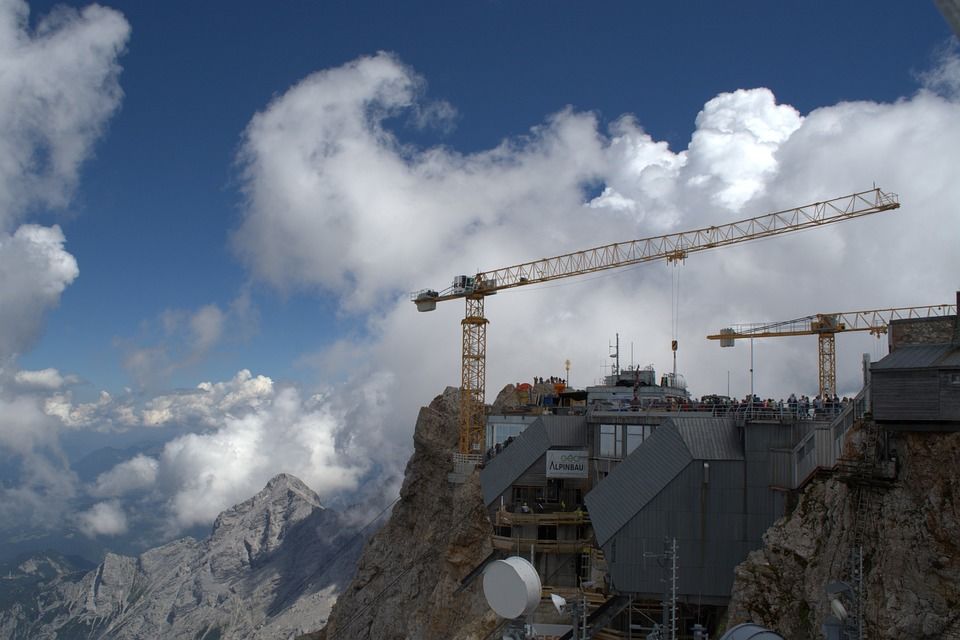
Diapositivas del conjunto (8)
-
-
Types of Development in Glacial Areas
- The most common types of development in upland glaciated regions are:
- Recreation and Tourism
- Conservation
-
- Renewable energy
-
- Water storage and supply
-
-
- Advantages
- Tourism supports rural services (buses, village shops, and post offices),
- Snowdonia tourism is worth £396m a year to the local economy.
- Tourism puts pressure on areas to conserve wildlife.
- 8,300 people are employed in tourism in Snowdonia.
- Disadvantages
- Jobs in tourism are usually seasonal and low paid.
- Large numbers of tourists causes traffic congestion.
- Facilities built for tourists are an eyesore on the landscape.
- Tourists can cause footpath erosion.
- Demand for holiday homes increases the housing prices for locals.
- Local goods and services can become more expensive because tourists will generally pay more.
-
- Advantages
- Special planning laws stop the demolition of properties within national parks.
- Plant and animal ecosystems are protected.
- All development is managed to ensure it will not harm the local area.
- Disadvantages
- Settlements are not allowed to develop and are usually left as another view on the landscape.
- There are restrictions on advertising for local businesses.
- Maintaining footpaths is often argued as some people see them as a scar on the landscape.
-
- Advantages
- Wind farms can generate huge amounts of renewable energy.
- Visitor and education centers can be set up at renewable energy plants to spread awareness about sustainability.
- Wind turbines are quiet and aesthetically pleasing.
- Disadvantages
- The wind is unreliable.
- Tourists can be put off the area.
- Flora and fauna can be disturbed and birds can be killed by flying into turbines.
- Loss of access to large areas of land.
- Property values in the area decrease.
-
- Advantages
- HEP is produced at dams.
- Reservoirs create tourist areas.
- Reservoirs can be used for recreation.
- Dams can help to prevent flooding.
- Disadvantages
- The creation of a reservoir can displace homes and ecosystems.
- Tourism can have an impact on the area.
- Flooding an area disrupts the natural processes in the area.
- Reservoirs can be visually intrusive.
-
Land Use Conflicts in Glaciated Areas
- Military Training - Mountainous terrain is used for RAF training. Some walkers and locals object to the jet noises that come from this.
- Reservoirs - Glacial troughs can be dammed to create reservoirs. This can cause displacement of locals.
- Wind Turbines - Many locals and tourists feel that wind farms take away from the landscape.
- Hunting - Hunting is allowed in some upland areas. Many nature lovers are opposed to this.
- Forestry - Conifer plantations acidify the soil and block tourist views. Light to the forest floor can also be blocked, driving out animal and bird species.
-
- Compromise between development and conservation in upland glaciated areas usually comes in the form of limited development.
- Strict management is usually placed around glaciated areas to ensure ecosystems are not permanently damaged:
- Maximum visitor numbers are applied to tourist centers so areas do not exceed carrying capacity.
- Signs can be used to show visitors where is out of bounds.
- Seasonal closure takes place in some areas to give sites time to recover.
- Restricted activities such as camping and motorbikes are banned in some areas.
- Film makers can ensure that filming is done in a manner which doesn't damage the landscape.
Información
- Descripción
- El usuario ha eliminado su información de asignaturas Diapositivas sobre Glaciers and Development, creado por Usuario eliminado el 23/06/2017.
- Creado por
- Usuario eliminado
- Visitas
- 22
- Historial
-
- Creado por Antonia Blankenberg · 22 jun 2017
- Copiado por Antonia Blankenberg · 23 jun 2017
- Valoración