
18255607
Description
Created by Eleanor Barnett
|
|
Created by Eleanor Barnett
over 7 years ago
|
|
| Question | Answer |
|
Image:
Lll (binary/octet-stream)
|
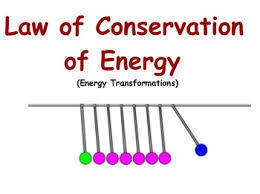
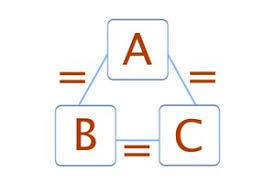
-(in an isolated system) -energy not made or destroyed, only converted or transferred -only true isolated system is the universe |
| -average kinetic energy of particles within a body | |
|
Image:
Heat (binary/octet-stream)
|
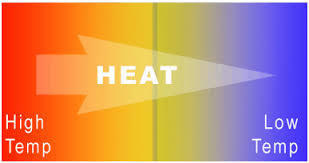
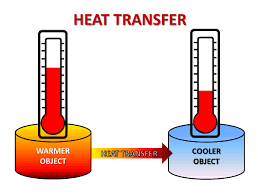
-thermal energy transferred |
|
Image:
Te (binary/octet-stream)
|
-thermal equilibrium is a heat transfer until both bodies reach the same temperature -(don't necessarily have same internal energy) |
|
Image:
Po (binary/octet-stream)
|
-thermal expansion is when a heat transfer causes something to expand (get hot) or contract (get cold) -link to internal energy, kinetic and potential energy and pressure and volume changes where possible |
|
Image:
Images (binary/octet-stream)
|
-the energy transfer from hot to cold bodies -depends on mass and strength of forces holding particles together -heat transferred = heat received (+ calorimeter) -mcdeltaT = mdeltaT |
| -amount of heat needed to raise 1kg of mass by 1C -upd SHC = longer to experience temp change -Q=mc[delta]T JKg^-1C^-1 | |
| -very small particles -in random motion except for at 0K -elastic collisions -held together by forces varying in strength | |
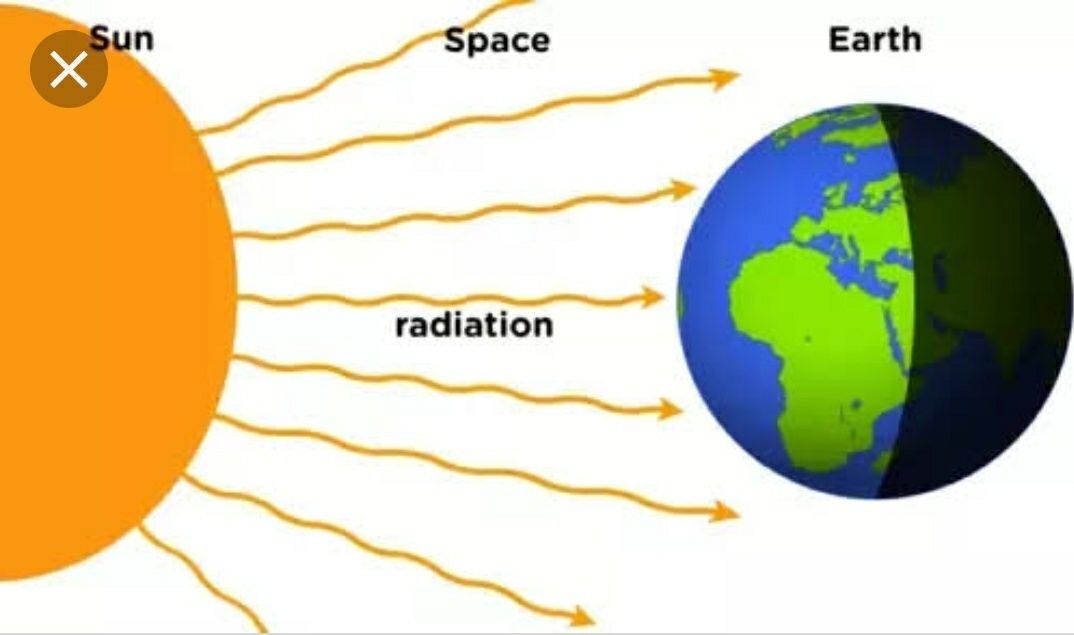
| -heat transfer through empty space -infared (cant see) or ultraviolet -all objects emit and absorb rad. Matt black=best absorber/emmiter white shiny silver=worst | |
| heat transferred x efficiency = heat recieved + calorimeter -(in an isolated system) -mcdeltaT = mcdeltaT | |
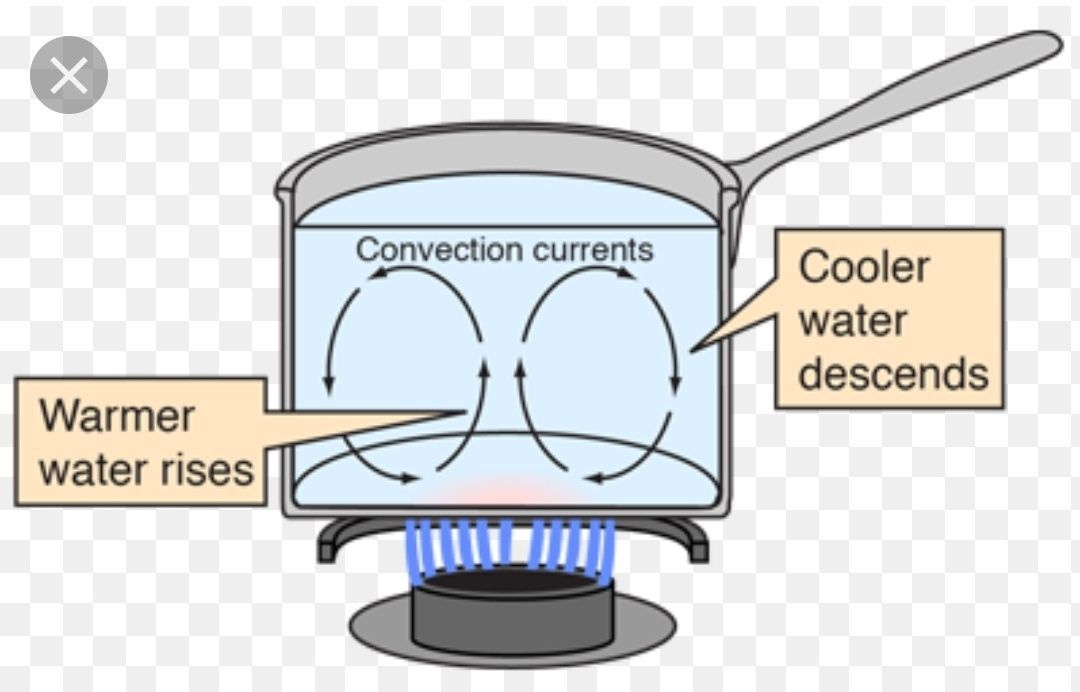
| -convection -heat transfer in fluids -steady flow between warm and cool -forced convection: dif. speed or direction eg. blowing on food, fan forced oven | |
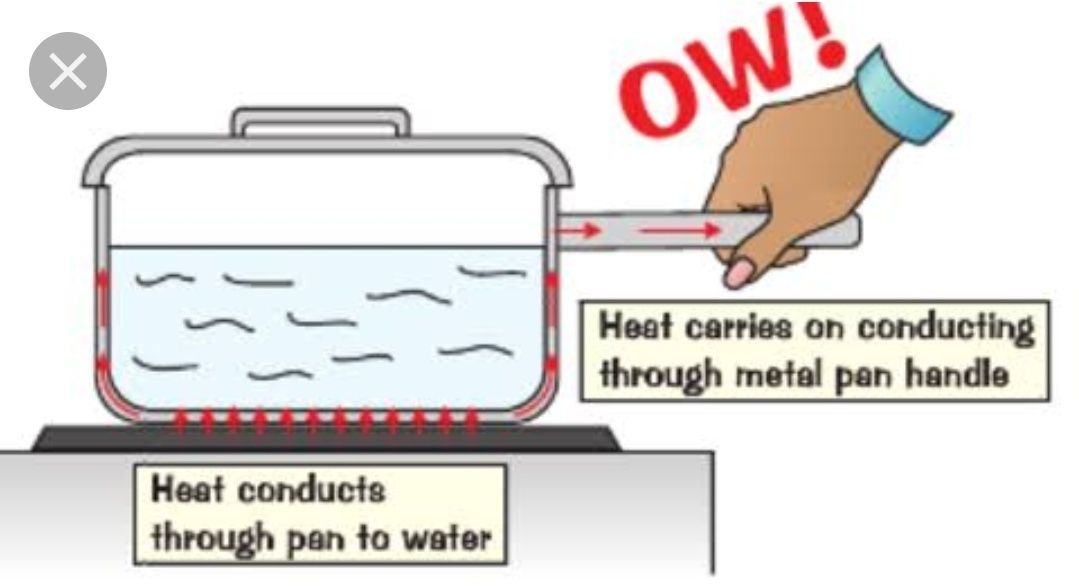
| -conduction -very close particles vibrate (solids are g) -metals= good conductors bc of loose electrons -insulators= bad conductors= plastics, air, wool, ceramics | |
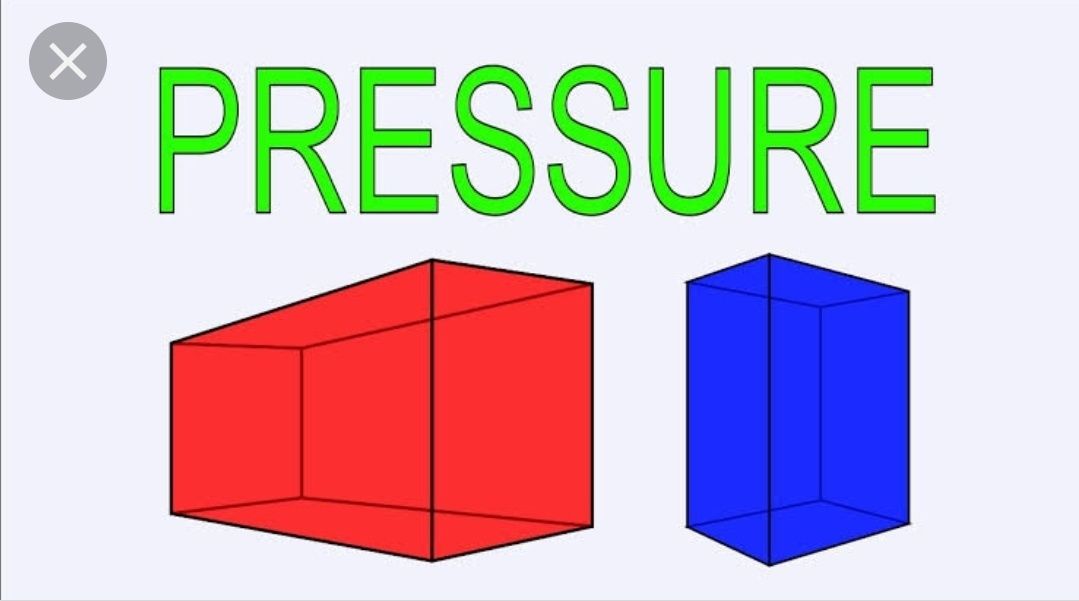
| -(constant temp) reduced volume increasing pressure -(constant volume) increasing temp inscreases pressure | |
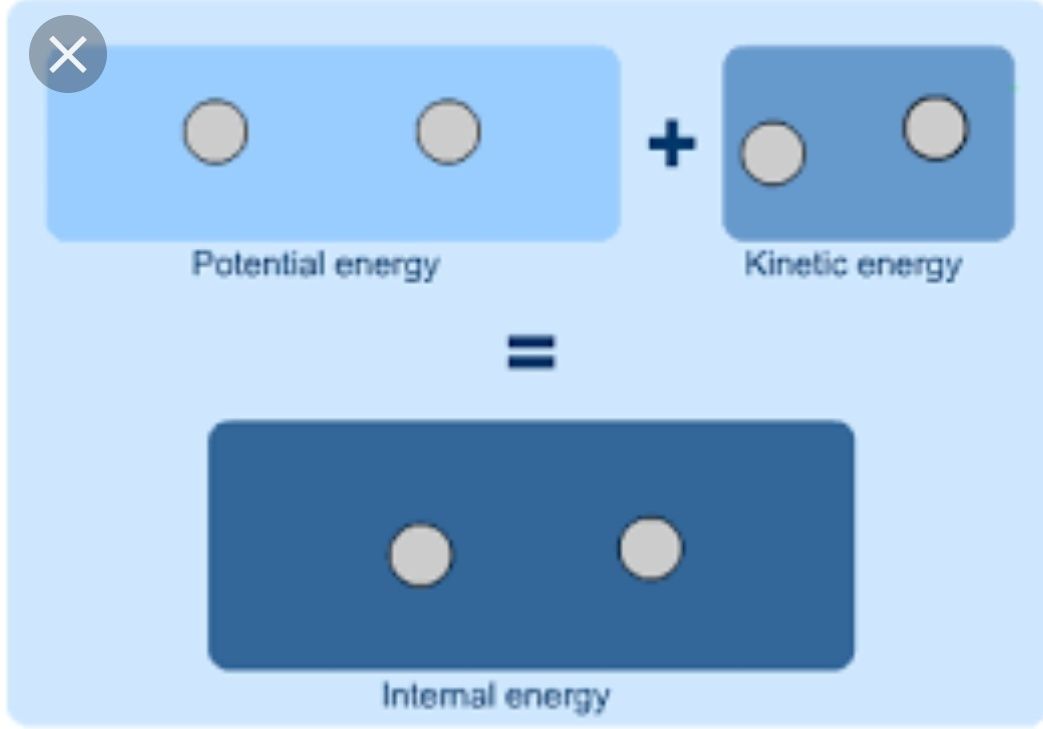
| -internal energy= kinetic energy + potential energy -also = heat +work done -gases have most internal energy due to most speed and room between particles | |
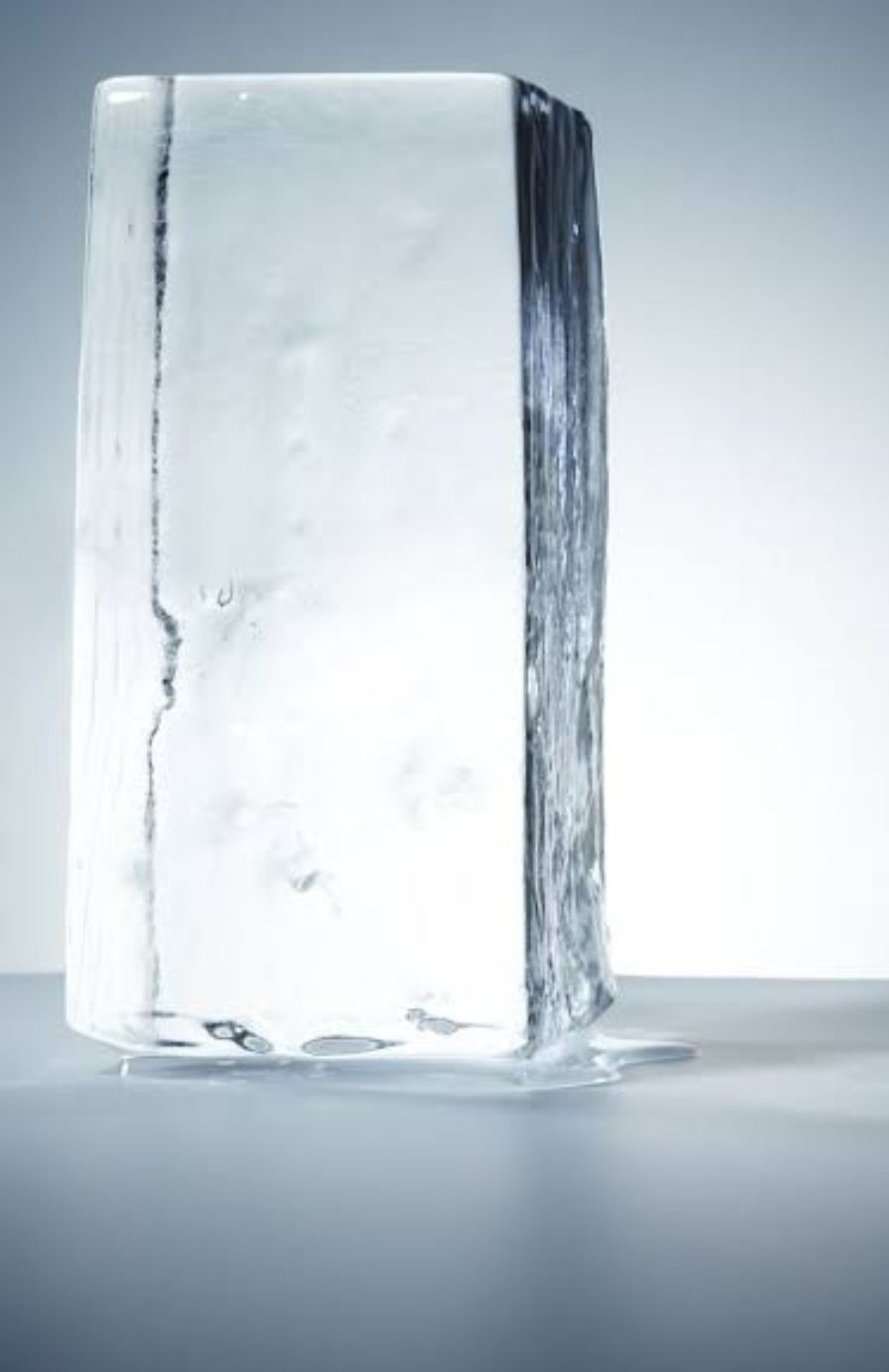
| -latent heat of fusion -Q=mLf -solids and liquids -takes greater energy then Lv | |
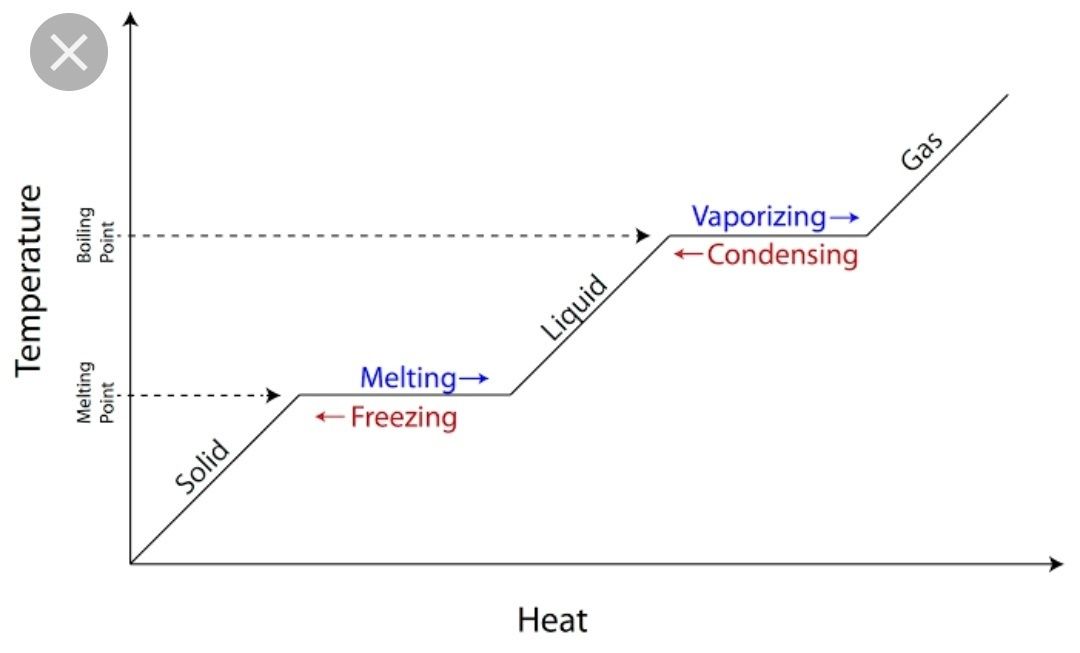
| -amount of energy required to change the state of 1kg of a pure substance without a change in temp -energy comes from surroundings or work done -changing potential energy (making bonds and breaking bonds) | |
| -latent heat of vaporisation -Q=mLv -liquids and gases | |
| -flat bits are latent heat -sloped bits are SHC | |
| absolute error: digital is +- last value analogue is +- half the smallest division percentage error: absolute error ÷ measurement x 100 calculations: if x or ÷ then add %errors if + or - then add absolute errors | |
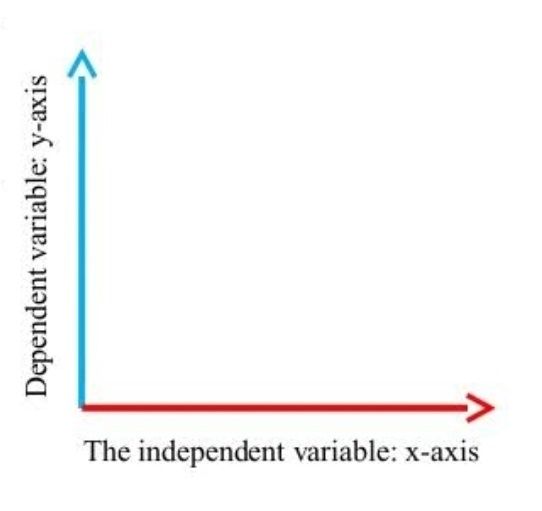
| independent variable: thing yoi change dependent variable: thing you measure | |
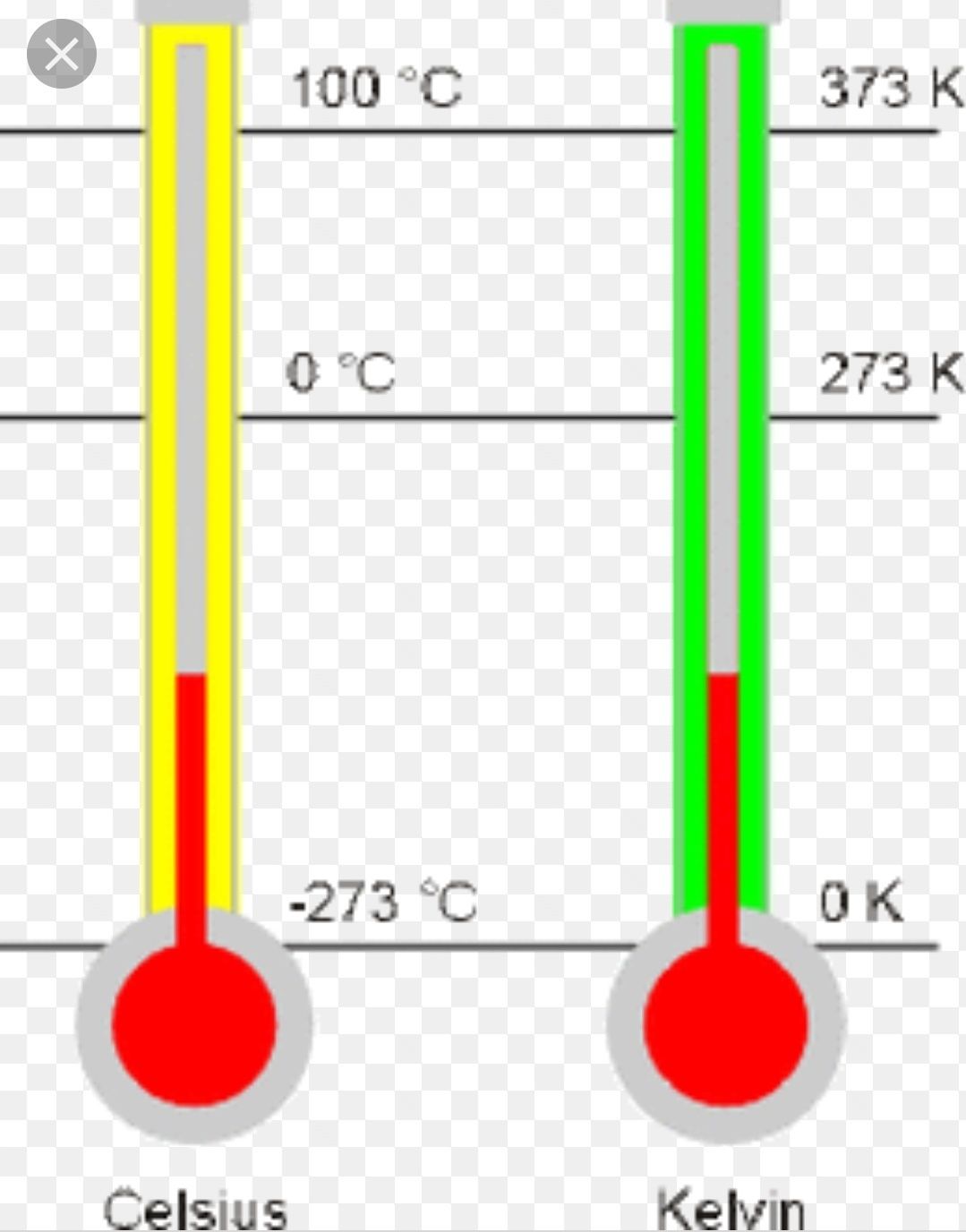
| celsius to kelvin is +273 kelvin to celsius is -273 | |
| MeV to Joules Kg to amu | MeV x 1.6x10^-13 Kg / 1.66x10^-27 |

Want to create your own Flashcards for free with GoConqr? Learn more.