
Flashcards
Textiles Final
Cards in this deck (86)
- 1Direct Dyes1. Water Soluble
2. Used on cellulosic fibers
3. Medium to low price range
4. Cotton, linen, rayon, wool, silk, nylon and aramid - 2Vat Dyes1. Developed in Europe 1910
2. Cost effective
3. Dependable and color fast
4. Like dyeing Easter egg - temperature and time effect final look
5. Cotton, linen, rayon, some manufactured fibers
6. NOT USED FOR WOOL OR SILK - 3Solution DyesColor is added to manufactured fibers before extrusion into filaments, resulting in a tendency to superior colorfastness.
- 4Flat Bed Screen PrintsLarge designs on fabrics which are repeated every 7 yards. Automatically moved across print table, screens are fixed and colors applied.
- 5Rotary Screen PrintsDeveloped in the 60's. Fast and accurate printing process in which the cloth moves under a series of large, patterned cylinders.
- 6Discharge PrintsPattern is obtained by bleaching portions of already dyed cloth.
- 7Dying vs. PrintingDying is done at a fiber level while printing is applied to a finished fabric.
- 8CrockingRubbing off of color due to improper or insufficient dye penetration or fixation.
- 9DurabilityCapacity of a textile to last or endure for a reasonable length of time w/out deterioration or destruction and with minimal loss of appearance.
- 10MaintenanceOngoing treatment necessary to keep a textile clean.
- 11DyeingDone in the polymer solution, fiber, yarn, fabric, or product stage.
- 12PrintingDone at fabric stage or applied to warp threads during weaving.
- 13Abrasion ResistanceAbility of fabric to withstand damage from rubbing and wear. Known as double rubs.
- 14Dimensional StabilityAbility of a textile to maintain its original shape and size. Absorbency, elasticity, elongation, recovery, and construction affect dimensional stability.
- 15Life Cycle CostsThe length of time a textile is used before it wears out; often associated with costing and maintenance.
- 16CasementGeneral term for curtain and drapery fabrics that have medium weight and some degree of transparency. Operation is horizontal.
- 17CurtainGeneral term for textile window covering fabric hung without linings. Operation is horizontal.
- 18DraperyLined textile fabric panels hung to drape gracefully at windows or over walls and are operated horizontally.
- 19SaggingElongation, common to many fabrics and dependent on fiber content and cloth structure.
- 20HikingAlternate sagging and shrinking of casement panels due to humidity changes.
- 21SlippageSliding of filling threads over ends, or the shifting of warp threads which results in open spaces in the fabric.
- 22Knife-EdgeCrisp corner, slight round. No welt or seem at edge.
- 23Welting/Welt EdgeCord wrapped in fabric along edge. Welt welt = cord fabric matches upholstery.
- 24TuftingButtons, pins added for a pillowing effect. Done from behind, looped and pulled tight.
- 25BoxingStrip of fabric is combined with a zipper.
- 26Fabric Flame CodesNFPA 107
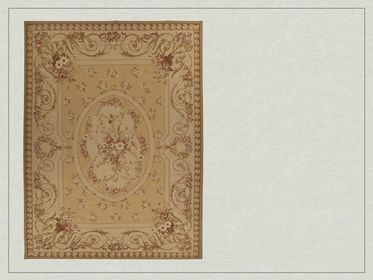
CAL 117 - 27Savonnerie or Aubusson Rugs-Classic designs
-Hand carving to give texture
-Pile: Fine loop
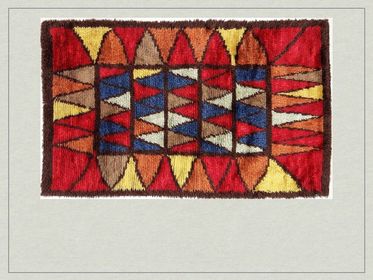
-From: France - 28Rya Rugs-Hand knotted wool rugs
-Pile: Long, 1"-3"
-From Scandinavia
-Geometric patterns
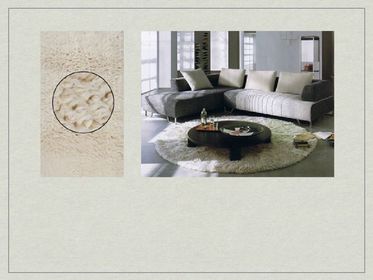
-Bright colors - 29Flokati Rugs-Hand pulled, woven wool rugs which are felted
-Pile: long
-From Greece
-White/light
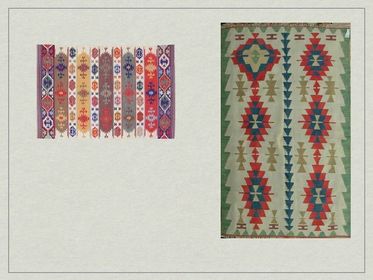
-Undyed wool - 30Khilim (Kelim, Kilim) Rugs-Graceful, stylized designs
-Natural motifs
-Reversible
-Pile: non pile
-From Eastern Europe
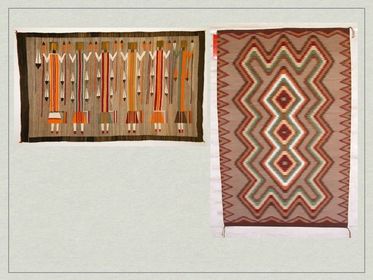
-Knotted (no pile) - 31Navajo, Hopi and Cheyenne Rugs-Bold graphic symbols
-Detailed patterns representing tribal life
-Pile: Non pile
-From USA
-Bright colors
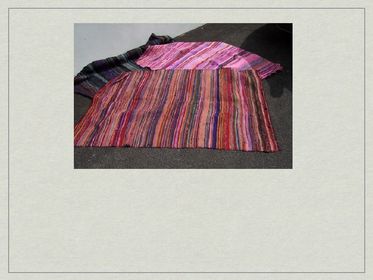
-Knotted (no pile) - 32Dhurrie (Durrie, Durry) Rugs-Crosswise striations
-Stylized design
-Pile: Non pile
-From India
-Bright
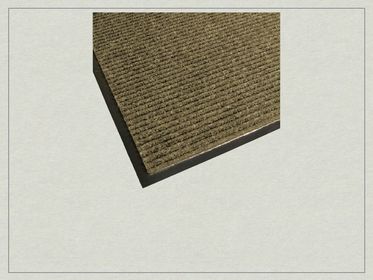
-Striped & simple - 33Floor Mats (Walk off rugs)-Pile: medium
-Functional rug
-Courser
-Installed like carpet
-Fabricated like rug
-Polyester - 34Pile HeightHight of yarn above primary backing, calculated in millimeters.
- 35Rug vs. CarpetRugs float and carpets are wall to wall.
- 36Carpet Components1. Pile fiber
2. Primary backing
3. Secondary backing
4. Adhesive
5. Topical Treatments - 37AxminsterCommercial carpet. Economical way to produce custom carpets like casino floors. 12'-0" wide
- 38Loop PileSurface of continuous loops
- 39Cute PileEach loop is cut as part of the production process, and the surface reveals the cut ends of the yarn.
- 40Modular Carpet-Green alternative
-Customizable
-Economical
-Easily replaced and reinstalled
-Low Pile
-"Carpet tiles" - 41Wool Carpet-Small but stable part of market
-Resistant to greasy stains, good abrasion resistance, fuzzing his problem, fire resistant - 42Nylon Carpet-Staple or bulked is most popular carpet choice
-Good opacity, nice sheen, excellent colorfastness, bulk w/out weight, excellent recovery from crushing. - 43Radiant Floor Panel Test ASTM E-648-All materials near exit must pass
-Samples are burned and distance is measured, done 3 times. - 44Carpet Pad-Residential
-Wear needs of carpet
-Worry about moisture
-Latex barrier - 45Carpet Installation1. Tackless strip
2. Glue Down
3. Free lay - 46Tackless StripSecured but easily removed. Carpet is stretched and secured on a strip with 3 rows of pins, located on the perimeter of the room.
- 47Glue DownUse an adhesive to secure the carpet system.
- 48Free-LayRugs or other large carpets that are not wall to wall applications
- 49Physical Tests (Performance Test Method)Compliance with specified requirements can best be established with tests that simulate the intended use condition.
- 50Calculation Method (Performance Test Method)Compliance with requirements can be established by means of graphic and/or numerical calculations, using accepted engineering practice and applicable codes
- 51Observation (Performance Test Method)Compliance with performance requirements can only be established by observing the textiles under specific conditions. Unanimous decision from at least 3 independent observers.
- 52AATCCAmerican Association of Textile Chemists and Colorists
Testing dyed and chemically treaded fibers and fabrics. - 53ASTM-American Society for Testing Materials
-"Assemblies"
-Tests all materials, including textiles. Test textile assemblies (wall panel conditions, chair upholstery) - 54NFPANational Fire Protection Association
Fire safety, how much smoke is acceptable, how quickly it can spread.
-Draperies
-NFPA 701 - 55UFACUpholstered Furniture Action Council
-Testing manufactures can voluntarily comply with
-Marketing tool
-Concerned with ignition sources (cigarettes) - 56Cal 117California Department of Consumer Affairs, Bureau of Home furnishings and Thermal Installation (California Technical Bulletin)
Flame standards to upholstered goods, assemblies - 57Steiner Tunnel TestASTM E-84
-Assemblies
-Surface burning characteristics of building materials and interior finished
-Primarily wall & ceiling finishes - 58—Savonnerie or Aubusson Rug
- 59—Rya Rug
- 60—Flokati Rug
- 61—Khilim (Kelim, Kilim) Rug
- 62—Navajo, Hopi and Cheyenne Rug
- 63—Dhurrie (Durrie, Durry) Rug
- 64—Floor mats
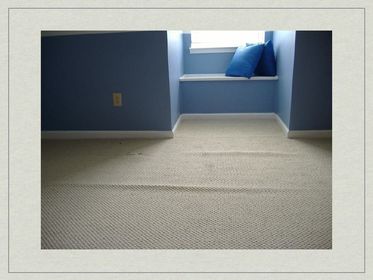
- 65—Delamination
- 66—Barrel pleat
-round pleats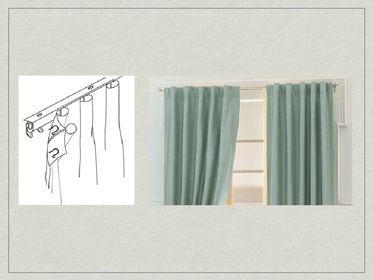
- 67—Shirred
-Gathered fabric
-Bunched drape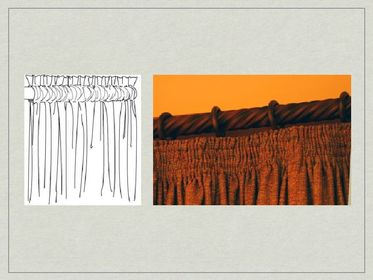
- 68—Pinch pleat
-Most common
-Narrow pleat at regular interval
-Formal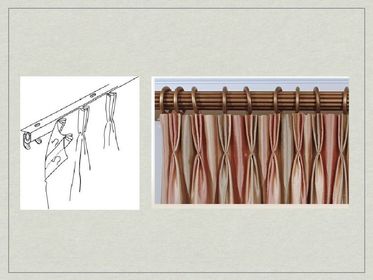
- 69—Box Pleat
-Traditional
-Ribbons of fabric look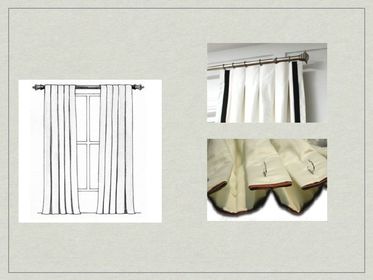
- 70—French Pleat
-Similar to pinch
-Top of drapery
-Less formal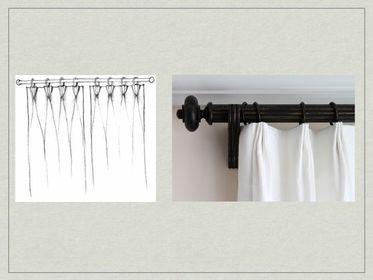
- 71—Ripple Fold
-2nd most common
-No pleat
-Ripple, snake effect
-Economical, less sewing
-Hanging style not sewing style
-Fullness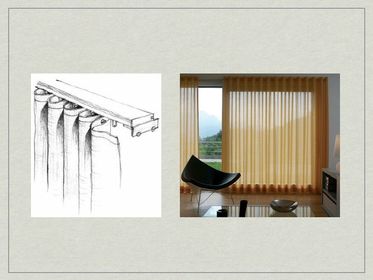
- 72—Loop or Tab
-Cannot use with tracks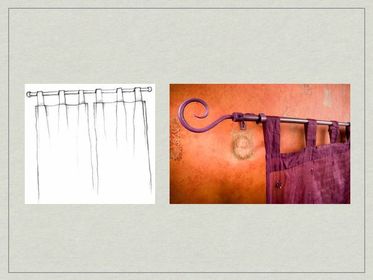
- 73—Scalloped
-Deep "U" shape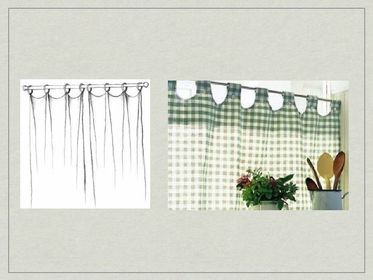
- 74—Clipped
-Difference in construction
-Opens with clip or tie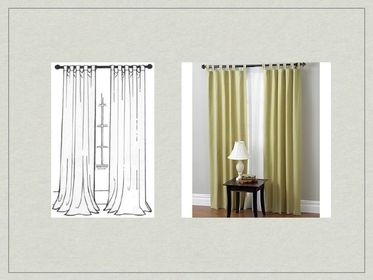
- 75—Accordion Pleat Shade
-Folded into "V" shape
-Compacts
-Custom
-High thermal value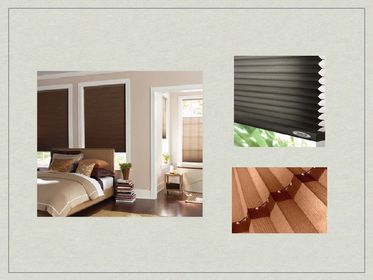
- 76—Austrian Shade
-Scalloped shape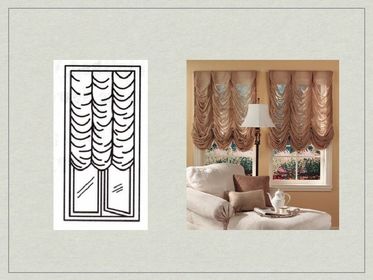
- 77—Roman Shade
-Decorative pleat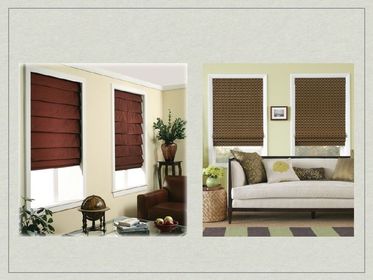
- 78—Decorative rod
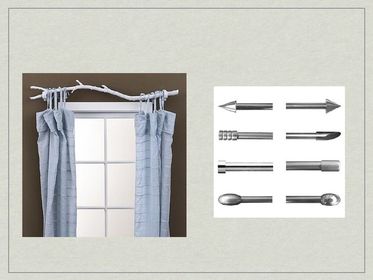
- 79FinialEnd of decorative rod
- 80—Track
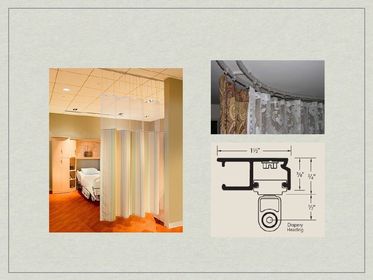
- 81—Grommets
-Installation type
-NOT HEADER TYPE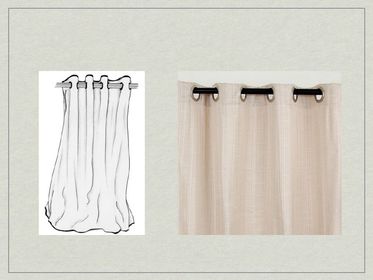
- 82—Knife Edge
-Crisp corner, slight round
-No welt or seam at edge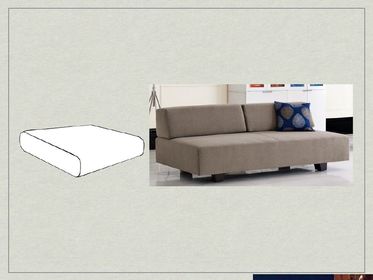
- 83—Welt Edge
-Cord wrapped in fabric
-"Self welt" = wrapped in matching fabric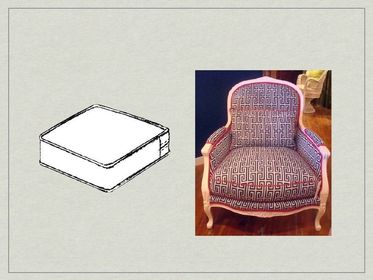
- 84—Tufting
-Buttons, pins
-Pillowing effect
-Done from back, looped and pulled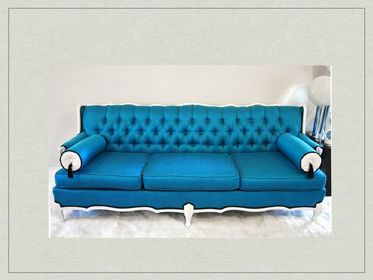
- 85—Toile
-Flat bed print
-More detail
-Limit 1 color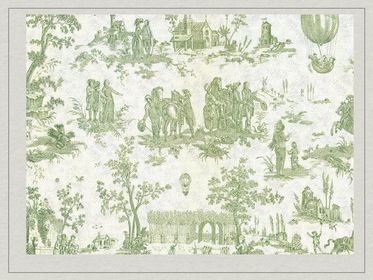
- 86ASTM E-84Steiner Tunnel Test
-Assemblies
-Surface burning characteristics of building materials and interior finished
-Primarily wall & ceiling finishes