
18461076
Description

Mind Map by Jennifer Higuera, updated more than 1 year ago

|
Created by Jennifer Higuera
over 6 years ago
|
|
THE SILENT WAY
- HOW WAS IT BORN?
- • Began to work
the method in
1954 – 1963.
• 1976 experience
in the design of
educational
materials. • It is
born of concern
because the
teacher remains
silent for as long
as possible.
• While the
students try to
produce the
second language
Annotations:
- · Began to work the method in 1954 – 1963. · 1976 experience in the design of educational materials. · It is born of concern because the teacher remains silent for as long as possible. While the students try to produce the second language
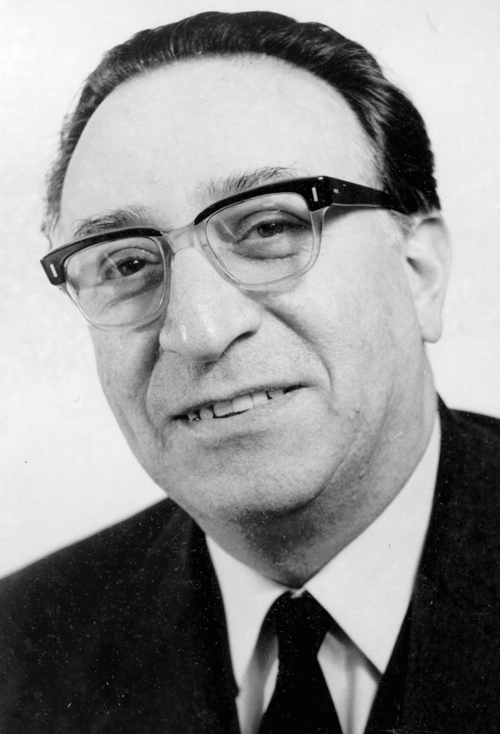
- CALEB GATTEGNO
- • Began to work
the method in
1954 – 1963.
• 1976 experience
in the design of
educational
materials. • It is
born of concern
because the
teacher remains
silent for as long
as possible.
• While the
students try to
produce the
second language
- METHOD
- • Students are
responsible for
their own
learning.
• Students: should
be practicing the
language, not the
teacher. • Capable
of independently
acquiring
language.
• Encourage them
to trust
themselves and
their classmates in
developing
language skills.
• The silent way
provides a
classroom
environment in
which this can
take place.
• Teacher: receive
extensive training
in the use of the
methodology.
- • Students are
responsible for
their own
learning.
• Students: should
be practicing the
language, not the
teacher. • Capable
of independently
acquiring
language.
• Encourage them
to trust
themselves and
their classmates in
developing
language skills.
• The silent way
provides a
classroom
environment in
which this can
take place.
• Teacher: receive
extensive training
in the use of the
methodology.
- STRATEGIES
- STUDENTS
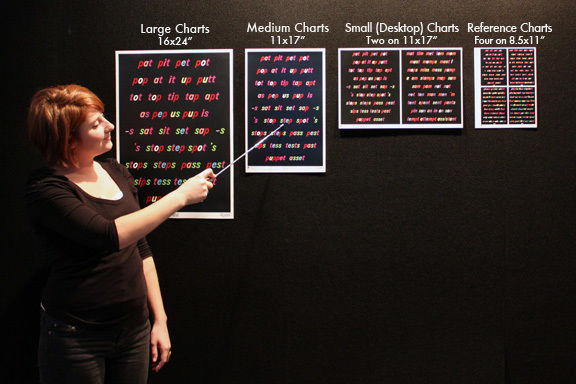
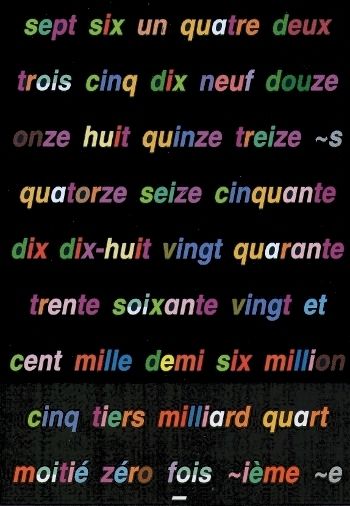
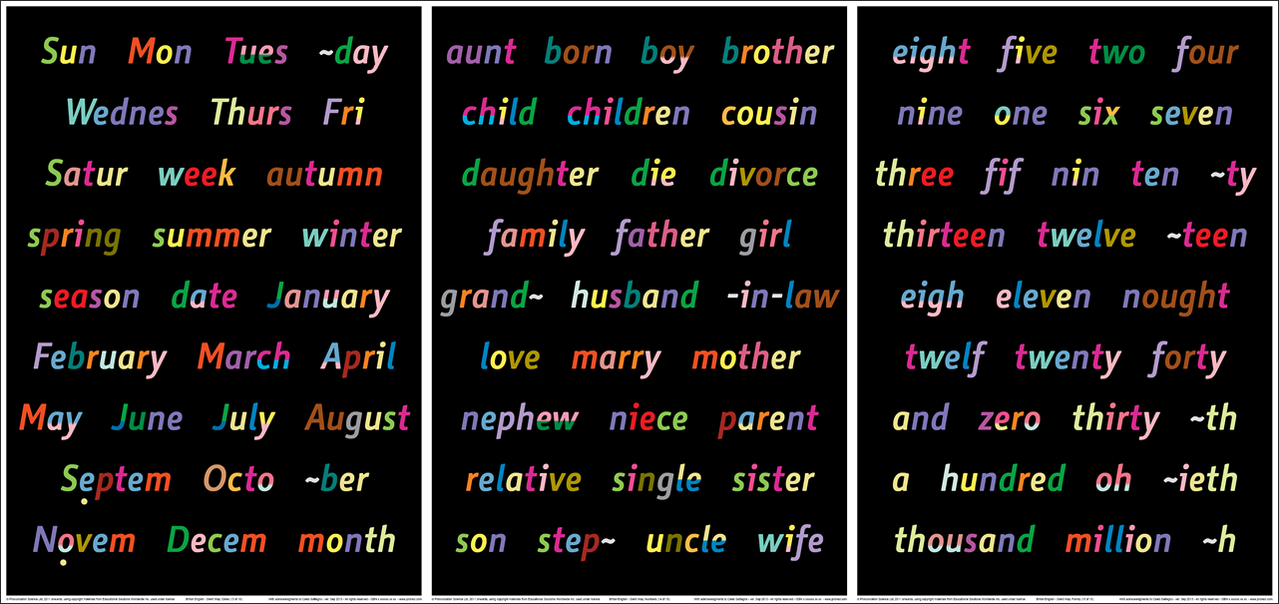
- • Beginners are
initially taught the
sounds of the new
language from
color-coded sound
charts.• When to
understand more of
the language, they
are taught stories
using the rods as
props.• Also need to
be well versed in the
use of the charts and
the rods to
participate
effectively in the
lessons. • “Three
then me” policy. The
student must ask
three classmates
before asking the
teacher.
- • Beginners are
initially taught the
sounds of the new
language from
color-coded sound
charts.• When to
understand more of
the language, they
are taught stories
using the rods as
props.• Also need to
be well versed in the
use of the charts and
the rods to
participate
effectively in the
lessons. • “Three
then me” policy. The
student must ask
three classmates
before asking the
teacher.
- TEACHER
- • Models once, and
the students to work
together to try to
reproduce what has
been modeled.
• Focus on language
structures, using
colored, plastic rods
to visually represent
parts of words or
sentences. • Every
time models as little
as possible, and
students try to
repeat after careful
listening with help
from each other.
• Leads them toward
correct responses by
nods or negative
head shakes.
- • Models once, and
the students to work
together to try to
reproduce what has
been modeled.
• Focus on language
structures, using
colored, plastic rods
to visually represent
parts of words or
sentences. • Every
time models as little
as possible, and
students try to
repeat after careful
listening with help
from each other.
• Leads them toward
correct responses by
nods or negative
head shakes.
- STUDENTS
- ADVANTAGES
- • students lear by themselves.
• students are able to fix their
own pronunciation based on
the teacher guiance.
• learning trough problem
solving fosters creativity,
• discovery an increase in
intelligence potency • long
therm memory • Errors:
important and necessary for
learning
- • students lear by themselves.
• students are able to fix their
own pronunciation based on
the teacher guiance.
• learning trough problem
solving fosters creativity,
• discovery an increase in
intelligence potency • long
therm memory • Errors:
important and necessary for
learning
- DISAVANTAGES
- • There is lack of
found and
pronunciation
kowledge, so it is
sometimes confusing.
• There is lack of
teachers guidance.
• The silent form is a
fairly complex
method for the
teacher
- • There is lack of
found and
pronunciation
kowledge, so it is
sometimes confusing.
• There is lack of
teachers guidance.
• The silent form is a
fairly complex
method for the
teacher
Media attachments





Want to create your own Mind Maps for free with GoConqr? Learn more.