
Mind map
CLIL Principles

Map content
CLIL Principles
ESSENTIALS ELEMENTS (Creton, 2009)
- Create a safe enviroment
- Consistenly use one language
- Use mime, gestures, visual aids
- Speak slowly and clearly
- Repetition is required
- Use an appropiate level of language
- Oportunities to use language
- Make it relevant for students
- Communicatio is of primary importance (fluency vs accuracy)
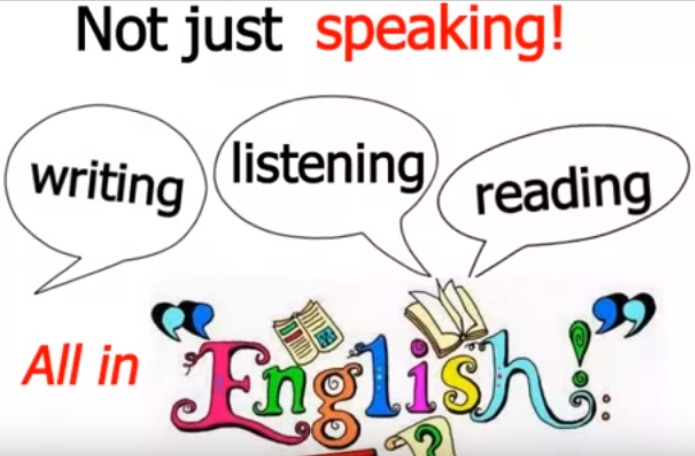
- 4 languages skills (speaking, reading, writing and listening)
WHAT IS CLIL?
- Is dynamic, flexible concept where topics and subjects - foreign language and non-language subject/s- are integrated in some kind of mutually beneficial way so as to provide value added to educational outcomes for the widest possible range of learners. (Doyle, 2006)
- "Generic umbrella term encompassing any activity in which a foreign language is used as a tool in the learning of a non-language subject in which both language and the subject have a joint curricular role". (Marsh, 2002)
- CLIL refers to situations where subjects, or parts of subjects, are taught through a foreign language with dual-focussed aims, namely the learning of content, and the simultaneous learning of a foreign language". (Marsh, 1994)
WHY CLIL?
- Foreing languages promotion
- Minority languages promotion
- Language learning: Acquisition of new languistic structures
- L2 learning as an integral part of social and cognitive development in schoool settings
- Communicative Approach: Acquisition is more effective
- Respect of the especificity of language use (Genesee, 1994)
4 CLIL PRINCIPLES
- COGNITION
- COGNITION
- Learning Styles
- Diversifying Methods
- Increasing motivation
- COGNITION
- COMMUNICATION
- COMMUNICATION
- 4 skills
- Devoloping skills to real-life situations
- Deepening awareness of mother tongue and target language
- Developing plurilingual interests and attitudes
- Introducing a target language
- COMMUNICATION
- CONTENT
- CONTENT
- To study content
- Preparing for future studies or working life
- Language terminology
- CONTENT
- CULTURE
- CULTURE
- Building intercultural knowledge and understanding
- Developing intercultural communication skills
- Learning about specific countries, regions o groups
- Wider Cultural Context
- ENVIROMENT
- Internationalisation
- International Certification
- Enhance school profile
- CULTURE
- COGNITION
THEORIES SUPPORTING CLIL
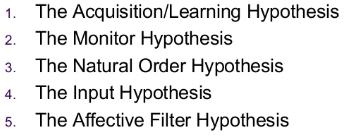
- KRUSHEN COMMUNICATIVE APROACH
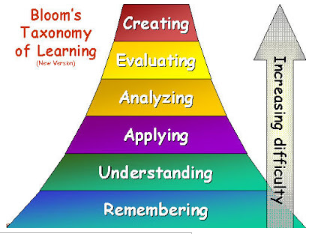
- BLOOMS TAXONOMY
- LANGUAGES THEORIES
- MULTIPLE INTELLIGENCES
- ZONE OF PROXIMAL DEVELOPMENT
- SCAFFOLDING
Images and files in the map









Information
- Description
- Mind Map on CLIL Principles, created by Juan Gabriel on 11/11/2019.
- Created by
- Juan Gabriel · Nov 2019
- Updated
- Nov 11, 2019
- Views
- 35
- Tags
- Rating