
24430933
Description

Mind Map by graciela margarita herrera salazar, updated more than 1 year ago

|
Created by graciela margarita herrera salazar
over 5 years ago
|
|
SEMIOTICS
- study of signs and sign-using contribution
- sign: gesture used to express or convey
information
- sign: gesture used to express or convey
information
- semioticians
- Emile Benveniste
Annotations:
- French structural linguist and semiotician. He is best known for his work on Indo-European languages and his expansion of the linguistic paradigm established by Ferdinand de Saussure.
- Sign
- Benveniste´s theory is based on subjectivity,
he explains that some words works like
subjects because we dont know who they are
talking about, so it is neccesary to see the
context to know what they are refering to.
- A good example will be the pronouns "I" and "you".
The I would refer to the referent (speaker
subject) and the you would be the referee (the
subject speech".
- Example
- A good example will be the pronouns "I" and "you".
The I would refer to the referent (speaker
subject) and the you would be the referee (the
subject speech".
- Benveniste´s theory is based on subjectivity,
he explains that some words works like
subjects because we dont know who they are
talking about, so it is neccesary to see the
context to know what they are refering to.
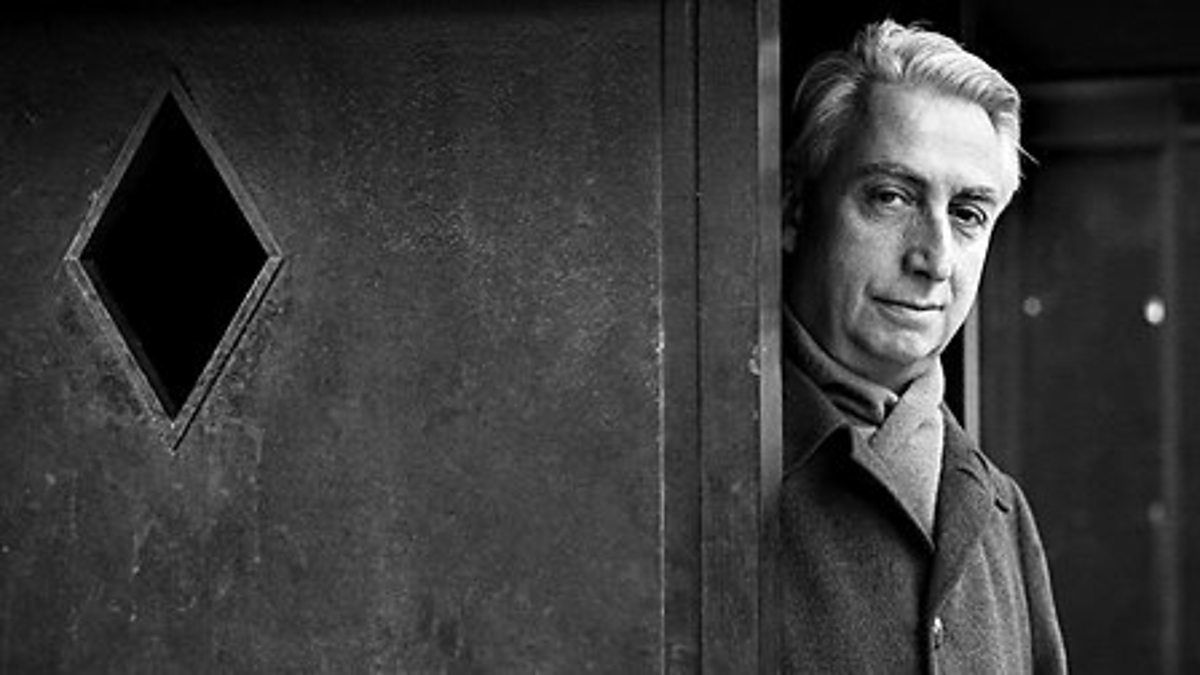
- Roland Barthes
Annotations:
- His writtings on semiotics were called the formal study of symbols and signs, they help to establish structuralism and the new criticism as leading intellectual movements.
- Sign
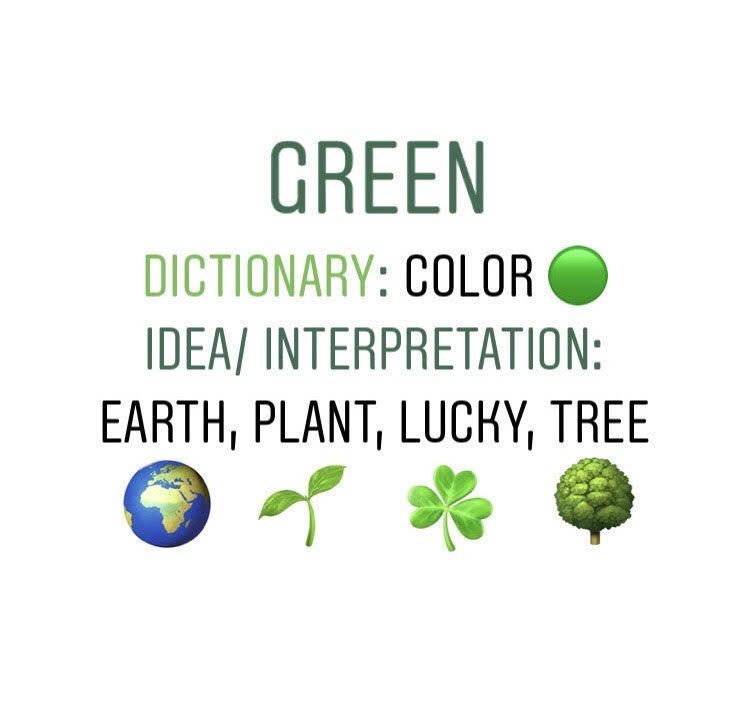
- According to Barthes a sign is formed in two different ways: denotation and
connotation
Annotations:
- Denotation: is the meaning you get from a dictionary. Connotation: is the idea or interpretation you have about a word
- Example
- According to Barthes a sign is formed in two different ways: denotation and
connotation
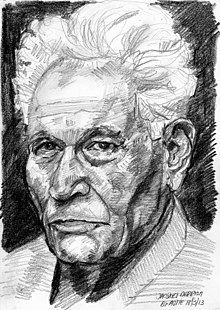
- Jaques Derrida
Annotations:
- His belief was that there has to be a trascendental signified for the difference between signifier and signified to be somewhere absolute and irreducible
- Sign
- According to Derrida the signifiers (words) mean
more than the signifieds given (dictionary). Derrida
mentioned the game of signification, which means
the simbolic attributes words have. He also based his
theory in the "deconstruction" that is a term for the
critical examination of the fundamental conceptual
distinctions or "oppositions"
- Example
- Example
- According to Derrida the signifiers (words) mean
more than the signifieds given (dictionary). Derrida
mentioned the game of signification, which means
the simbolic attributes words have. He also based his
theory in the "deconstruction" that is a term for the
critical examination of the fundamental conceptual
distinctions or "oppositions"
- Emile Benveniste
- semioticians
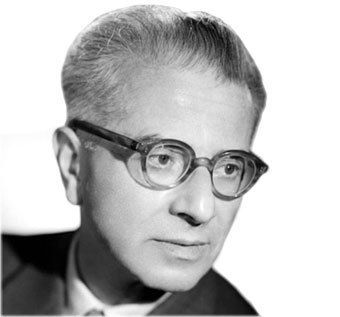
- Ferdinand de Saussure
Annotations:
- -Swiss linguistic and father of the 20 century linguistics -he belief that language is a system of signs that express ideas.
- Sign
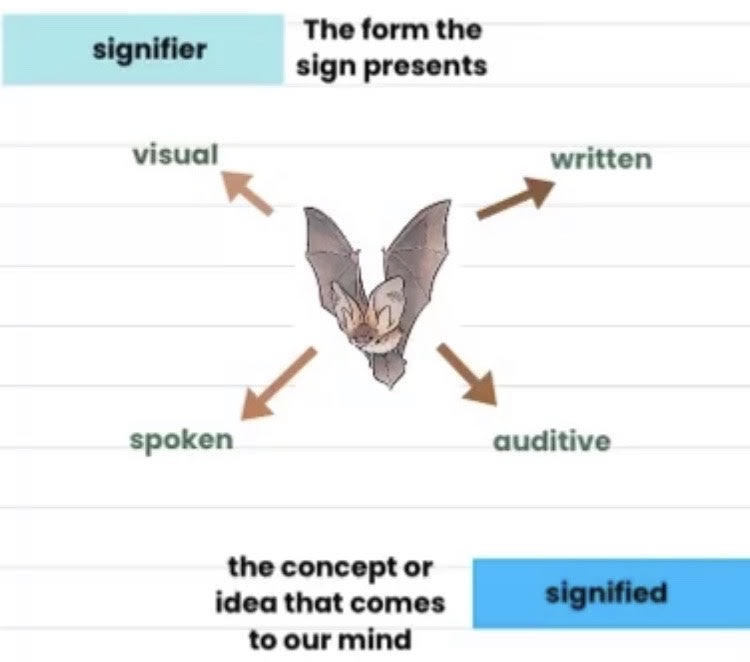
- Saussure´s model of the sign
refers only to a concept and
not a thing
Annotations:
- -the sign is compound by a signified: the concept or idea that comes to our mind, and a signifier: that is the form the sign takes, it can be a visual, spoken, written and auditive form.
- Example: the word "bat", the signifier is the word itself
taking a visual form, in the other hand we have the
signifier that is the idea or concept of the word "bat"
that comes to our minds. In this case you can see that is
the animal, but if we only see the word bat, we can also
think that is the object that a baseball player use to hit
the ball.
- Saussure´s model of the sign
refers only to a concept and
not a thing
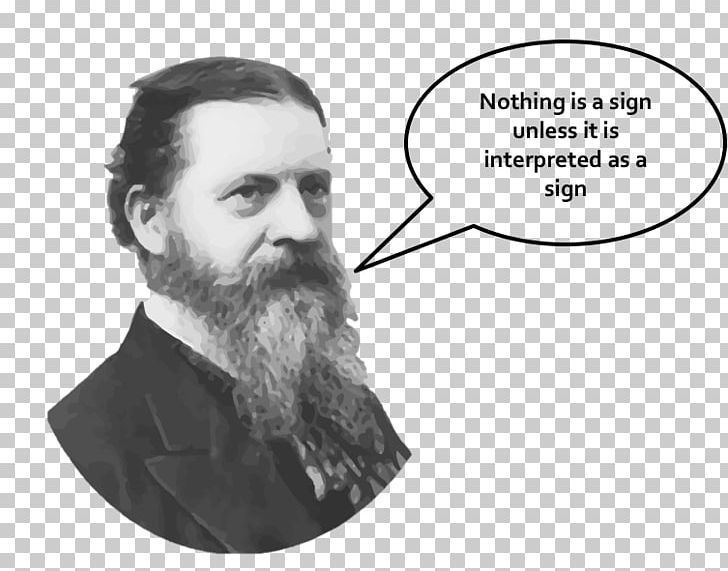
- Charles Sanders Pierce
Annotations:
- pierce said that we have direct experience but indirect knowledge of reality
- Sign
Annotations:
- The sign can be represented in three ways: -Icon -Simbol -Index
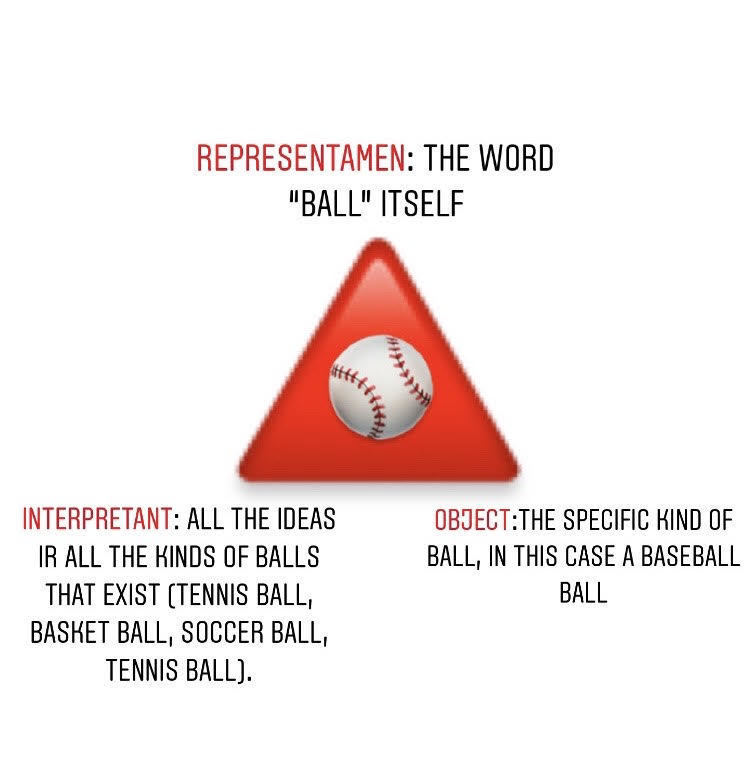
- According to Pierce a sign is something which stands to somebody in respect or capacity. a sign
needs to have an interpretant, a representamen and an object, when this three get together they
create a semiosis.
- Example
- Example
- Ferdinand de Saussure
Media attachments

Want to create your own Mind Maps for free with GoConqr? Learn more.