
24890732
Description

Mind Map by María <violeta Suárez Hernández, updated more than 1 year ago

|
Created by María <violeta Suárez Hernández
over 5 years ago
|
|
Theory of Knowledge
- The most important area of philosophy
- Philosophers: Tripartite
theory of knowledge
- Justified true belief, is a working model
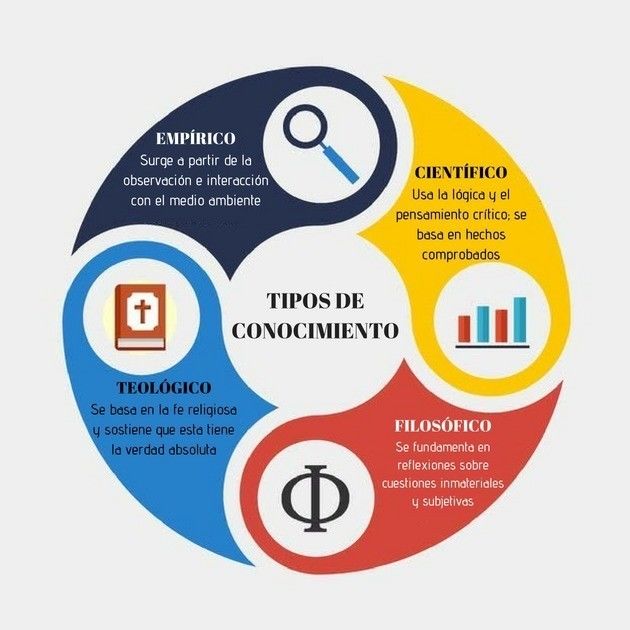
- Types of
knowledge
- Personal or knowledge by
acquaintance
- When we claim to know something
or is to be familiar with something
- Involve possessing at least some
propositional knowledge and involves
more than knowledge of propositions.
- Involve coming to know a certain number
of propositions in a particular way
- Involve coming to know a certain number
of propositions in a particular way
- Involve possessing at least some
propositional knowledge and involves
more than knowledge of propositions.
- When we claim to know something
or is to be familiar with something
- Procedural or knowledge
how to do something
- Are not simply claiming that they
understand the theory involved in
those activities
- Possess the skills involved, that
they are able to do these
things
- To have all of the relevant
propositional knowledge, without
having the procedural knowledge
- To have all of the relevant
propositional knowledge, without
having the procedural knowledge
- Possess the skills involved, that
they are able to do these
things
- Are not simply claiming that they
understand the theory involved in
those activities
- Propositional or
knowledge of facts
- We are claiming to have
propositional knowledge.
- The primary concern of
epistemology is propositional
knowledge
- Is not enough to give you either personal
knowledge or procedural knowledge.
- It is propositional knowledge that
is in view in most epistemology
- It is propositional knowledge that
is in view in most epistemology
- Is not enough to give you either personal
knowledge or procedural knowledge.
- The primary concern of
epistemology is propositional
knowledge
- We are claiming to have
propositional knowledge.
- Personal or knowledge by
acquaintance
- Justified true belief, is a working model
- Philosophers: Tripartite
theory of knowledge
- We get our knowlege
- Two traditions
- Synthesis of the two
traditions is more
plausible
- Justification
- To consider the evidence
for form true beliefs.
- Three theories of
epistemic justification
- Foundationalism,
coherentism, reliabilism
- Foundationalism,
coherentism, reliabilism
- To consider the evidence
for form true beliefs.
- Justification
- Empirism
- Experience
- All of our knowledge is ultimately derived from our senses
or our experiences, deny the existence of innate knowledge
- fits well with the
- It struggles, however, to account
for certain types of knowledge
- fits well with the
- Theory that experience is of primary importance
in giving us knowledge of the world
- We learn through perception, knowledge
without experience is impossible
- We learn through perception, knowledge
without experience is impossible
- Classical: a rejection of innate, in-born knowledge or
concepts.At birth we know nothing; it is only subsequently
that the mind is furnished with information by experience
- Radical: Only if it is possible to empirically test a
claim that the claim has meaning. impossible for us
to talk about that which we have not experienced
- Statements that are not tied to our
experiences are therefore meaningless
- Assosiate with
logical positivism
- Assosiate with
logical positivism
- Requires the abandonment of religious
and ethical discourse and belief.
- Statements that are not tied to our
experiences are therefore meaningless
- Moderate: there may be some cases in which the senses do not ground
our knowledge, but hold that these are exceptions to a general rule.
- All significant, interesting knowledge,
comes to us from experience
- All significant, interesting knowledge,
comes to us from experience
- Experience
- Modern scientific wordview
- Empiricism
- Places an emphasis on
experimentation and observation.
- Empiricism
- Rationalism
- Reason
- Our knowledge is derived from reason alone, and is
important in the acquisition of all of our knowledge
- Reason play a role in observation, the mind is more fundamental
than the senses in the process of knowledge-acquisition
- Reason play a role in observation, the mind is more fundamental
than the senses in the process of knowledge-acquisition
- It is reason, not experience, that is most
important for our acquisition of knowledgeIs
- Three types of knowledge
- 1° We possess at least some innate knowledge, some basic
instincts, some innate concepts: faculty for language
- 2° There are some truths that, though not known innately,
can be worked out independent of experience of the world
- 3° there are some truths that, though grounded in part
in experience, cannot be derived from experience alone
- 1° We possess at least some innate knowledge, some basic
instincts, some innate concepts: faculty for language
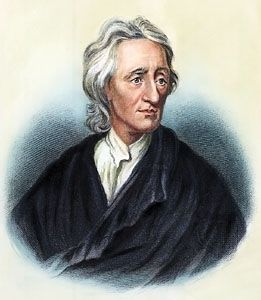
- John Locke
- Three types of knowledge
- Reason
- Synthesis of the two
traditions is more
plausible
- Sources of Knowledge
- Books, from the media,
and from other people
- We must already know: read,
how to reason, who to trust
- We must already know: read,
how to reason, who to trust
- Books, from the media,
and from other people
- Two traditions
- Perceive the
world
- Our knowledge come to by
our senses through
perception
- Determined by world and by us
- Determined by world and by us
- Perception
- Complex
process
- Complex
process
- Our knowledge come to by
our senses through
perception
- Persisten problem
- Is not what knowledge is or what
it comes from, but whether there
is any such thing at all
- Is not what knowledge is or what
it comes from, but whether there
is any such thing at all
- Epistemology
- Tripartite Theory of Knowledge
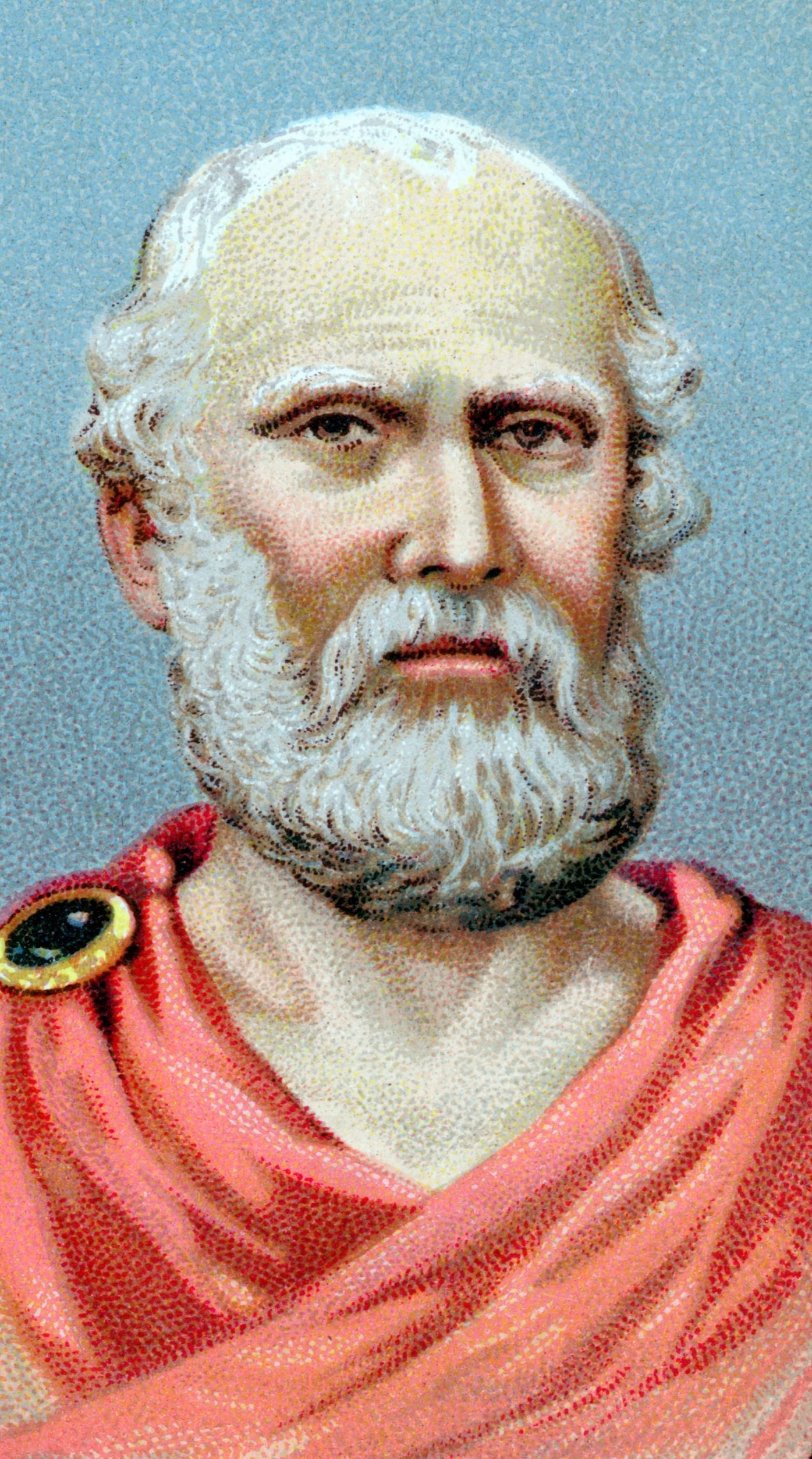
- Platon: three conditions must be satisfied
in order for one to possess knowledge.
- Analyses knowledge
as justified true belief
- If you believe something, with justification, and it
is true, then you know it; otherwise, you do not.
- If you believe something, with justification, and it
is true, then you know it; otherwise, you do not.
- Analyses knowledge
as justified true belief
- Belieg
- first condition for knowledge
- If something is true, and one has excellent reasons for
believing that it is true, one cannot know it without believing it
- If something is true, and one has excellent reasons for
believing that it is true, one cannot know it without believing it
- first condition for knowledge
- Truth
- If one knows a thing then it must be true.
- What is false cannot be known; knowledge
must be knowledge of the truth
- Plato
- Plato
- What is false cannot be known; knowledge
must be knowledge of the truth
- Second condition for knowledge
- If one knows a thing then it must be true.
- Justification
- Third condition for knowledge
- Lucky guesses cannot constitute knowledge; we can only know
what we have good reason to believe
- Lucky guesses cannot constitute knowledge; we can only know
what we have good reason to believe
- Third condition for knowledge
- Platon: three conditions must be satisfied
in order for one to possess knowledge.
Media attachments
Want to create your own Mind Maps for free with GoConqr? Learn more.