
25667920
Description

Mind Map by María Paz León Vargas, updated more than 1 year ago

|
Created by María Paz León Vargas
about 6 years ago
|
|
Ecosystem
- The complex of living organisms, their physical environment, and all their interrelationships in a
particular unit of space.
- An ecosystem can be categorized into its abiotic constituents, including minerals, climate, soil, water,
sunlight, and all other nonliving elements, and its biotic constituents, consisting of all its living
members.
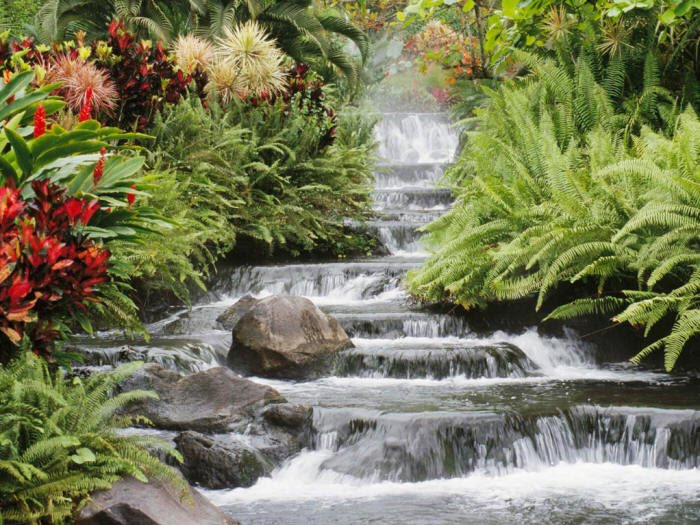
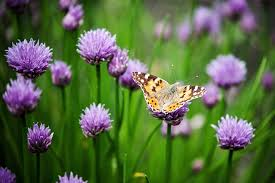
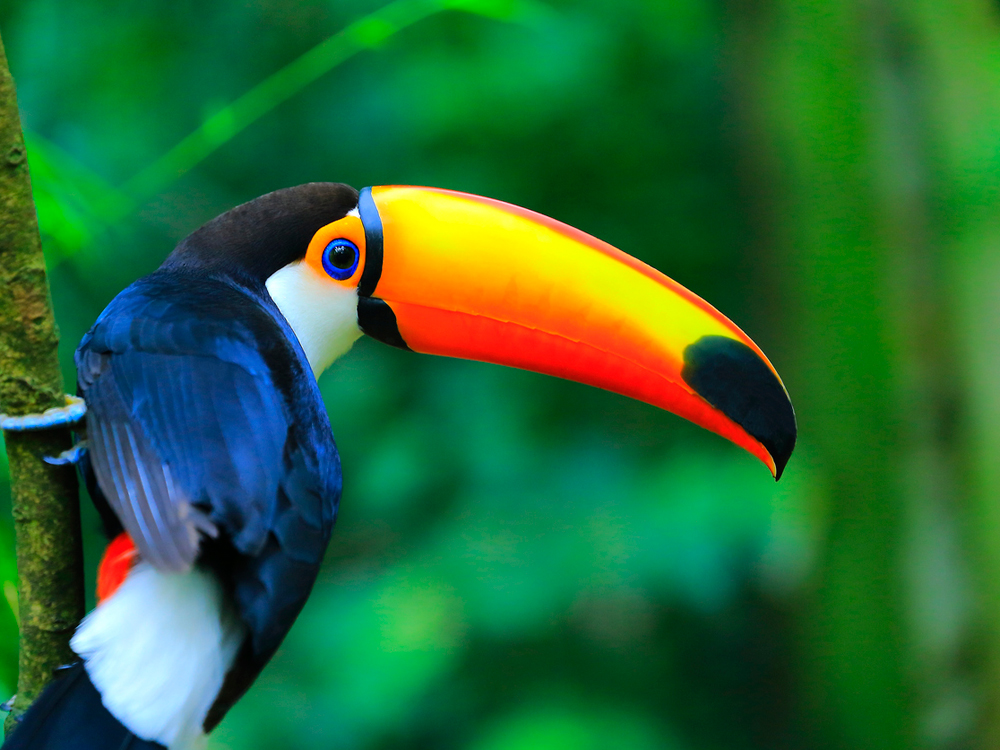
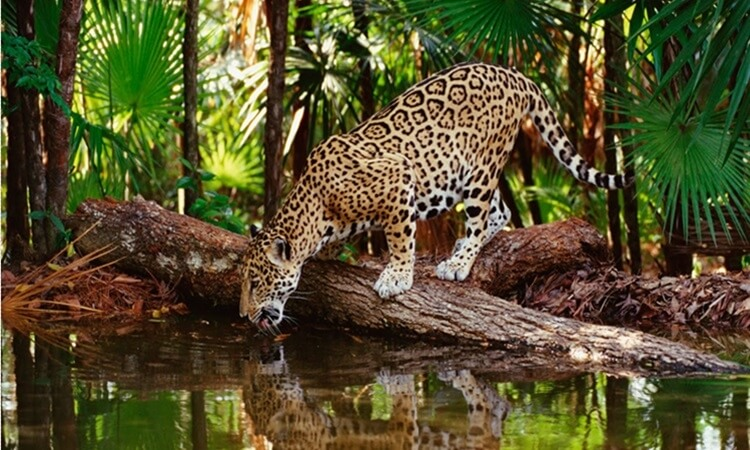
- The ecosystem is made up of animals, plants, and nature.
- The fundamental source of energy in almost all ecosystems is radiant
energy from the Sun.
- The energy of sunlight is used by the ecosystem’s autotrophic, or
self-sustaining, organisms
- Consisting largely of green vegetation, these organisms are capable of
photosynthesis—i.e., they can use the energy of sunlight to convert carbon
dioxide and water into simple, energy-rich carbohydrates.
- All animals and fungi are heterotrophs, as are most bacteria
and many other microorganisms.
- All animals and fungi are heterotrophs, as are most bacteria
and many other microorganisms.
- Consisting largely of green vegetation, these organisms are capable of
photosynthesis—i.e., they can use the energy of sunlight to convert carbon
dioxide and water into simple, energy-rich carbohydrates.
- The energy of sunlight is used by the ecosystem’s autotrophic, or
self-sustaining, organisms
- The fundamental source of energy in almost all ecosystems is radiant
energy from the Sun.
- The ecosystem is made up of animals, plants, and nature.
- An ecosystem can be categorized into its abiotic constituents, including minerals, climate, soil, water,
sunlight, and all other nonliving elements, and its biotic constituents, consisting of all its living
members.
Media attachments
Want to create your own Mind Maps for free with GoConqr? Learn more.