
29301007
Description

Mind Map by Daniel Gonzalez, updated more than 1 year ago

|
Created by Daniel Gonzalez
almost 5 years ago
|
|
Daoism
- What is Daoism?
- Daoism is a philosophy, a religion, and a way of life that arose in the 6th century BCE in what is now the
eastern Chinese province of Henan. It has strongly influenced the culture and religious life of China and
other East Asian countries ever since.
- Taoist thought focuses on genuineness, longevity, health, immortality, vitality, wu wei (non-action, a
natural action, a perfect equilibrium with tao), detachment, refinement (emptiness), spontaneity,
transformation and omni-potentiality.
- Daoism is a philosophy, a religion, and a way of life that arose in the 6th century BCE in what is now the
eastern Chinese province of Henan. It has strongly influenced the culture and religious life of China and
other East Asian countries ever since.
- Daoism and welbeing
- Follow the Earth
- Humanity follows the
Earth, the Earth follows
Heaven, Heaven follows
the Dao, and the Dao
follows what is natural.'
Daoists therefore obey
the Earth.
- Humanity follows the
Earth, the Earth follows
Heaven, Heaven follows
the Dao, and the Dao
follows what is natural.'
Daoists therefore obey
the Earth.
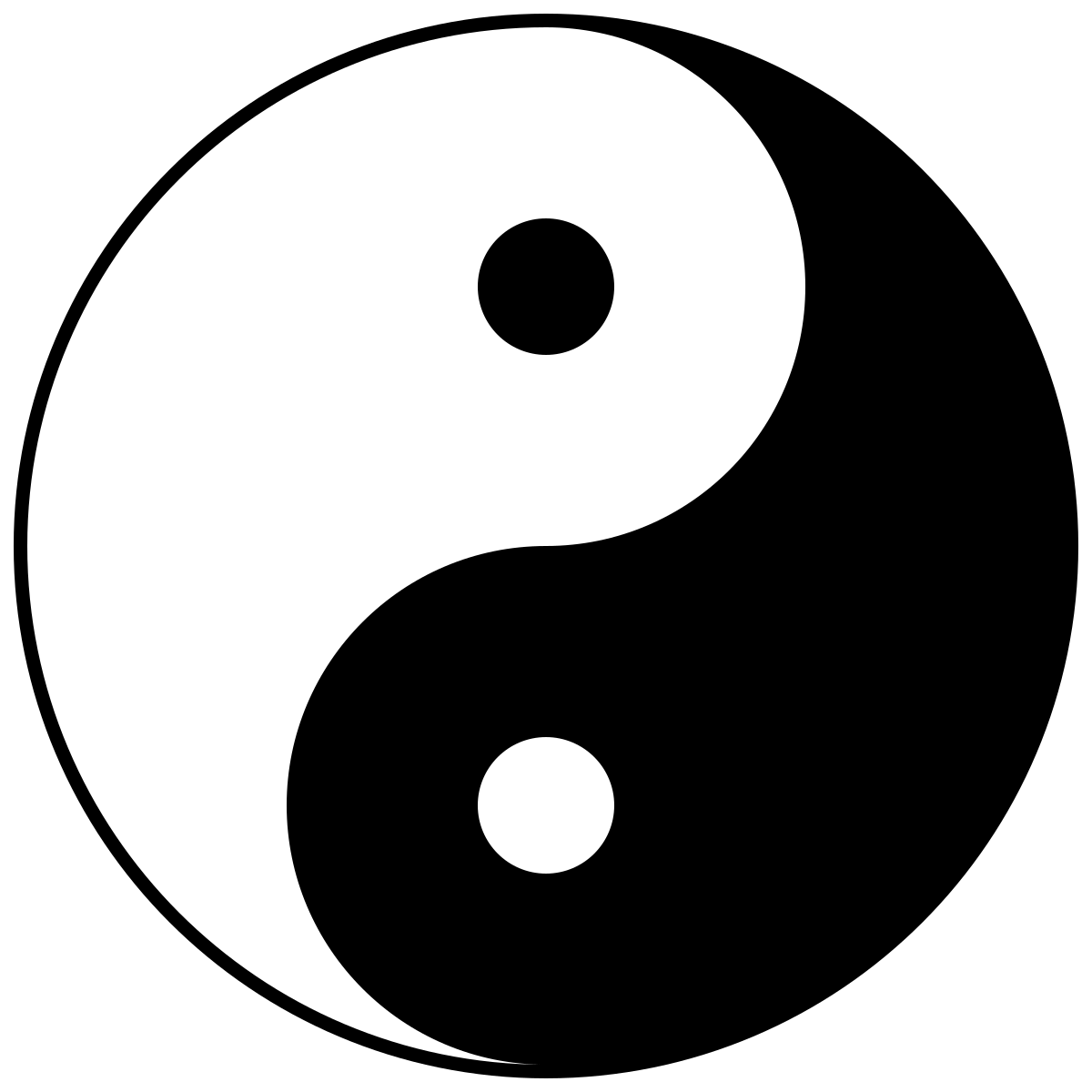
- Harmony with nature
- In Daoism,
everything is
composed of two
opposite forces
known as Yin and
Yang. The two
forces are in
constant struggle
within everything.
When they reach
harmony, the
energy of life is
created.
- In Daoism,
everything is
composed of two
opposite forces
known as Yin and
Yang. The two
forces are in
constant struggle
within everything.
When they reach
harmony, the
energy of life is
created.
- Too much success
- If the pursuit of
development runs
counter to the
harmony and
balance of nature,
even if it is of great
immediate interest
and profit, people
should restrain
themselves from it
- If the pursuit of
development runs
counter to the
harmony and
balance of nature,
even if it is of great
immediate interest
and profit, people
should restrain
themselves from it
- Affluence in bio-diversity
- Daoism has a unique sense of value in
that it judges affluence by the
number of different species. If all
things in the universe grow well, then
a society is a community of affluence.
If not, this kingdom is on the decline.
- Daoism has a unique sense of value in
that it judges affluence by the
number of different species. If all
things in the universe grow well, then
a society is a community of affluence.
If not, this kingdom is on the decline.
- Follow the Earth
- Lao Tzu
- was a Chinese philosopher,
believed to have lived in the
6th century BC. He is
considered the author of the
Taoist classic – the “Tao Te
Ching”, which offers an
iconoclastic spiritual
philosophy, based on an
underlying unity of the
universe
- The Tao te ching itself is a collection of sayings expounding the
principal Taoist teachings. Most scholars now agree that Lao Tzu
did not write this book, mainly because no one knows whether he
was a historical person. The most plausible theory is that there
was a large number of maxims and aphorisms that were part of
the Taoist teaching. They were memorized and passed on from
teacher to pupil
- was a Chinese philosopher,
believed to have lived in the
6th century BC. He is
considered the author of the
Taoist classic – the “Tao Te
Ching”, which offers an
iconoclastic spiritual
philosophy, based on an
underlying unity of the
universe
- Interesting facts
- Taoism teaches to reject hate, to reject intolerance, and to live with
compassion, harmony, and balance in one's life. Violence is considered to be a
last resort in Taoism.
- Taoism can help one to
decrease stress in their life,
which is known to cause
illness. Taoism teaches that
bad deeds and sin result in
illness.
- Daoism is also unique because it encourages its followers to
reject formal learning, political laws, or social customs in order
to rely on instincts and senses.
- Taoism teaches to reject hate, to reject intolerance, and to live with
compassion, harmony, and balance in one's life. Violence is considered to be a
last resort in Taoism.
- Wu-wei & flow
- Wu wei means – in Chinese – non-doing or 'doing nothing'. It
sounds like a pleasant invitation to relax or worse, fall into
laziness or apathy. Yet this concept is key to the noblest kind
of action according to the philosophy of Daoism – and is at the
heart of what it means to follow Dao or The Way.
- flow is an act of moving or running smoothly, a movement of
water or the continuous moving of ideas, stories, etc. An
example of a flow is a steady movement through the
development of a research paper. An example of a flow is the
movement of a stream.
- Wu wei means – in Chinese – non-doing or 'doing nothing'. It
sounds like a pleasant invitation to relax or worse, fall into
laziness or apathy. Yet this concept is key to the noblest kind
of action according to the philosophy of Daoism – and is at the
heart of what it means to follow Dao or The Way.
Media attachments
Want to create your own Mind Maps for free with GoConqr? Learn more.