
33432448
Description

Mind Map by Liliana Cristancho, updated more than 1 year ago

|
Created by Liliana Cristancho
about 4 years ago
|
|
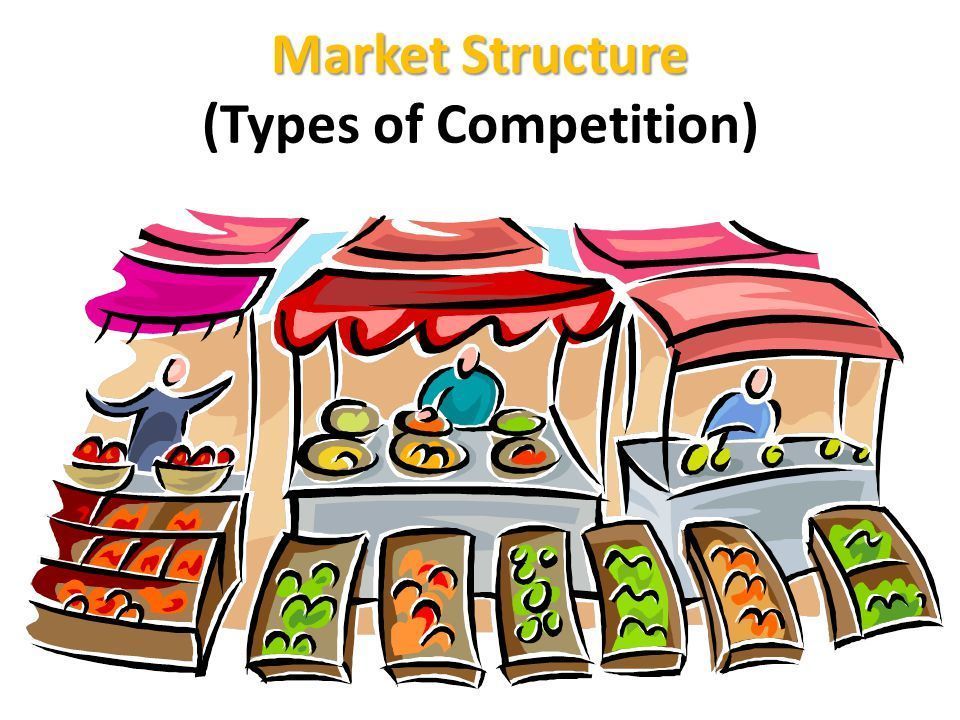
Market Types According to Competition
- Market structure
- Perfect Competition
- Conditions:
- • Many companies.
- • The price is defined by the market.
- • There is no entry or exit barriers.
- • Homogeneous products, perfect information.
- • Many companies.
- Characteristics:
- • Price - acceptors.
- • Horizontal demand.
- • No long-term benefit.
- • Price - acceptors.
- Conditions:
- Imperfect Competition
- It is the intermediate market
between monopoly and
perfect competition.
- They offer similar (not identical) products,
or when there is a high number of buyers,
but few sellers (Pérez, A. 2017).
- They offer similar (not identical) products,
or when there is a high number of buyers,
but few sellers (Pérez, A. 2017).
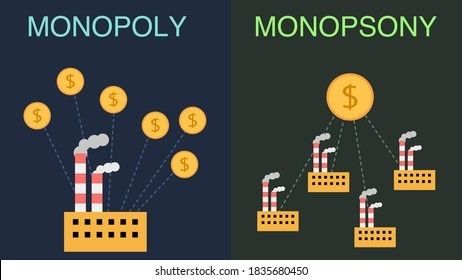
- Monopoly:
- • A single company that controls the market.
- • The demand is that of the market.
- • Define the price.
- • Entry barriers.
- • Single product.
- • A single company that controls the market.
- Oligopoly:
- • Few producing companies.
- • A large number of buyers.
- • They sell the same product.
- • Similar prices.
- • The decisions of one company affect the others.
- • Strategies: Cooperate or compete.
- • Few producing companies.
- Monopolistic competition:
- • Many companies.
- • Similar products.
- • Brands and advertising.
- • Many companies.
- Monopsony:
- • Market in which consumers have a leading role.
- • Commercial decisions.
- • They are capable of changing, or at least influencing, on the price of products (Pérez, A. 2017).
- • For this to be the case, the demand must be much higher than the supply (Pérez, A. 2017).
- • Clients have a very high bargaining power in this model (Pérez, A. 2017).
- • Market in which consumers have a leading role.
- It is the intermediate market
between monopoly and
perfect competition.
- Perfect Competition
Media attachments





Want to create your own Mind Maps for free with GoConqr? Learn more.