
34563604
Description

Mind Map by Paula Victoria Merlo Tito, updated more than 1 year ago

|
Created by Paula Victoria Merlo Tito
about 4 years ago
|
|
Pathogens
- How pathogens cause disease
- Microorganisms cause disease when they
need another living being to live and
reproduce. For example, our body can be used
by microorganisms to obtain food, grow and
reproduce.
- Microorganisms cause disease when they
need another living being to live and
reproduce. For example, our body can be used
by microorganisms to obtain food, grow and
reproduce.
- What are pathogens
- Most microorganisms are beneficial but there are
also harmful ones called pathogen. Pathogens like
all living things prioritize survival and reproduction
and all they need is a host.
- Most microorganisms are beneficial but there are
also harmful ones called pathogen. Pathogens like
all living things prioritize survival and reproduction
and all they need is a host.
- Infecctious agents categories
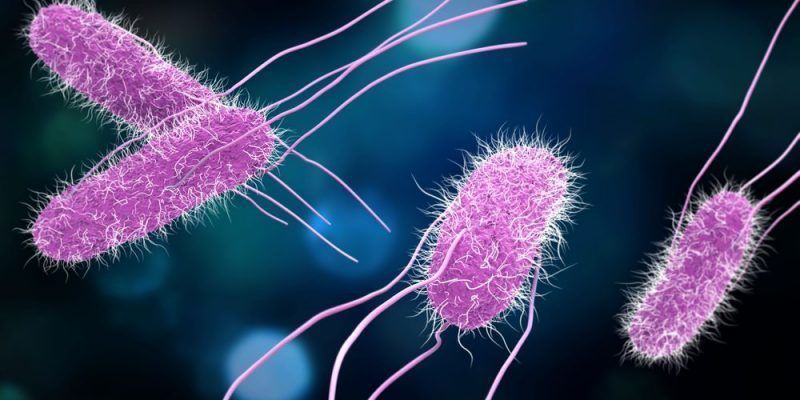
- Bacteria:Most bacteria are actually harmless.
Bacterias can live in any environment. Some
bacteria are becoming resistant to antibiotics.
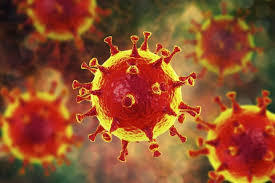
- Viruses: Are basically capsules that contain genetic
material. To reproduce, viruses invade cell in the body
and take over the machinery that makes cells work.
- Fungi: Fungi can be found indoors, outdoors, and on human
skin. About 50% of all the different types of fungi in the world
are harmful to people. A study in found that fungi are evolving
a capacity for memory.
- Parasites:They are organisms that live
in or on a host and feed on or at the
host's expense.
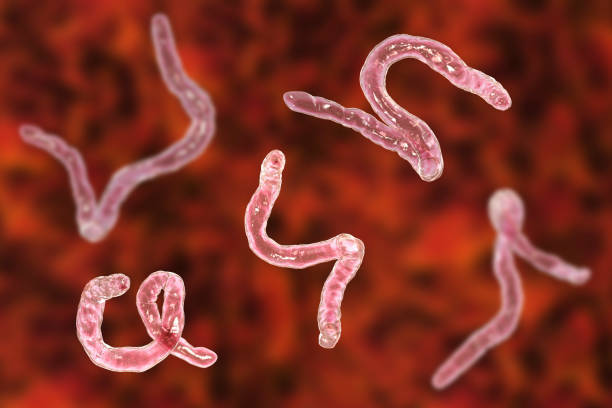
- helminths; multi-celled
organisms that can live inside or
outside your body and are
commonly known as worms.
- protozoa; are single-celled
organisms that can live and
multiply in your body.
- ectoparasites; are
multi-celled organisms that live
on or feed off your skin,
including some insects, such as
ticks and mosquitos.
- helminths; multi-celled
organisms that can live inside or
outside your body and are
commonly known as worms.
- Bacteria:Most bacteria are actually harmless.
Bacterias can live in any environment. Some
bacteria are becoming resistant to antibiotics.
Media attachments
Want to create your own Mind Maps for free with GoConqr? Learn more.