
36180399
Description

Mind Map by Jimena Martina, updated more than 1 year ago

|
Created by Jimena Martina
almost 4 years ago
|
|
Roman house
- Types
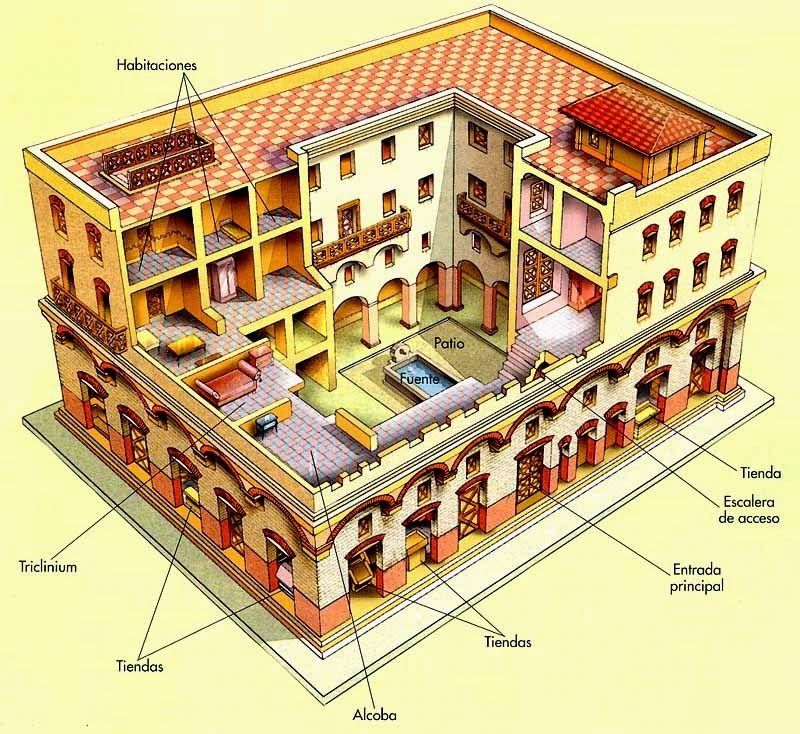
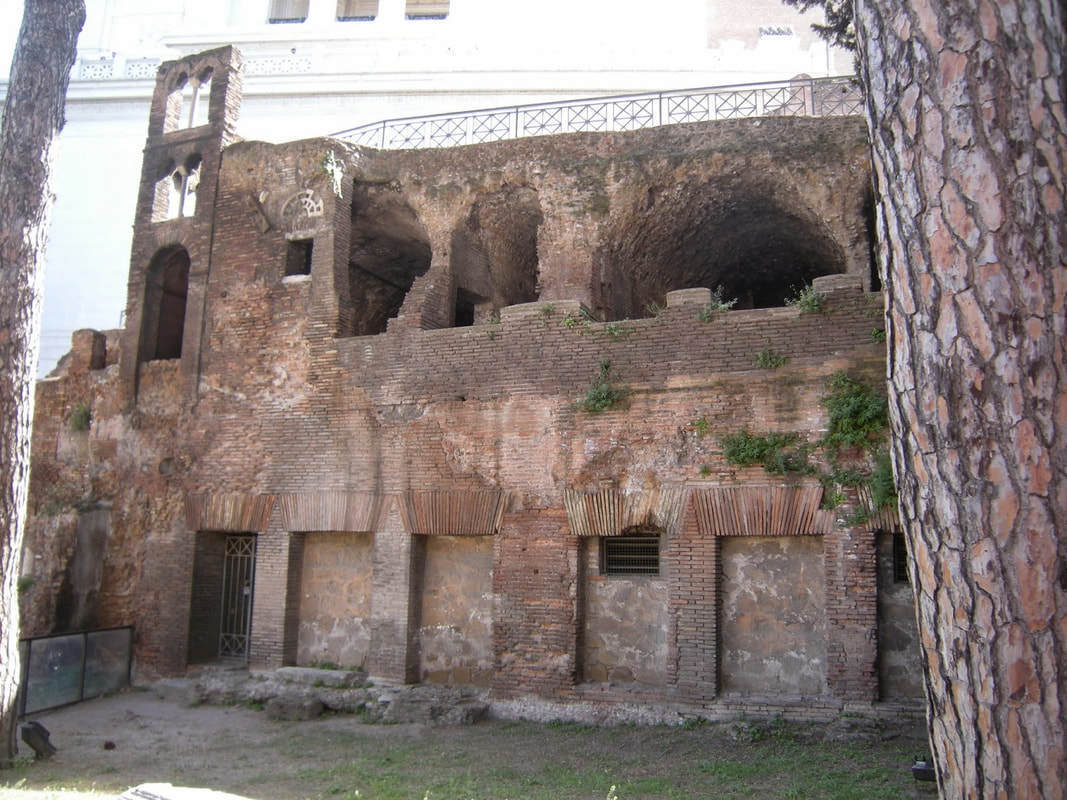
- Insulae
Annotations:
- Multi-storey building blocks
- Parts
- Tabernae
- Cenacula
- Inside the yard
- Tabernae
- Materials
- poor quality materials
- poor quality materials
- Example
- Rome
- Rome
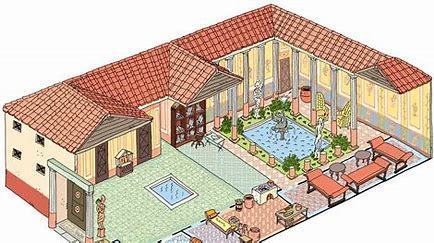
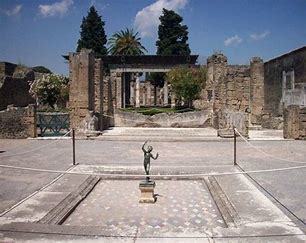
- domus
Annotations:
- Single Family homes
- Parts
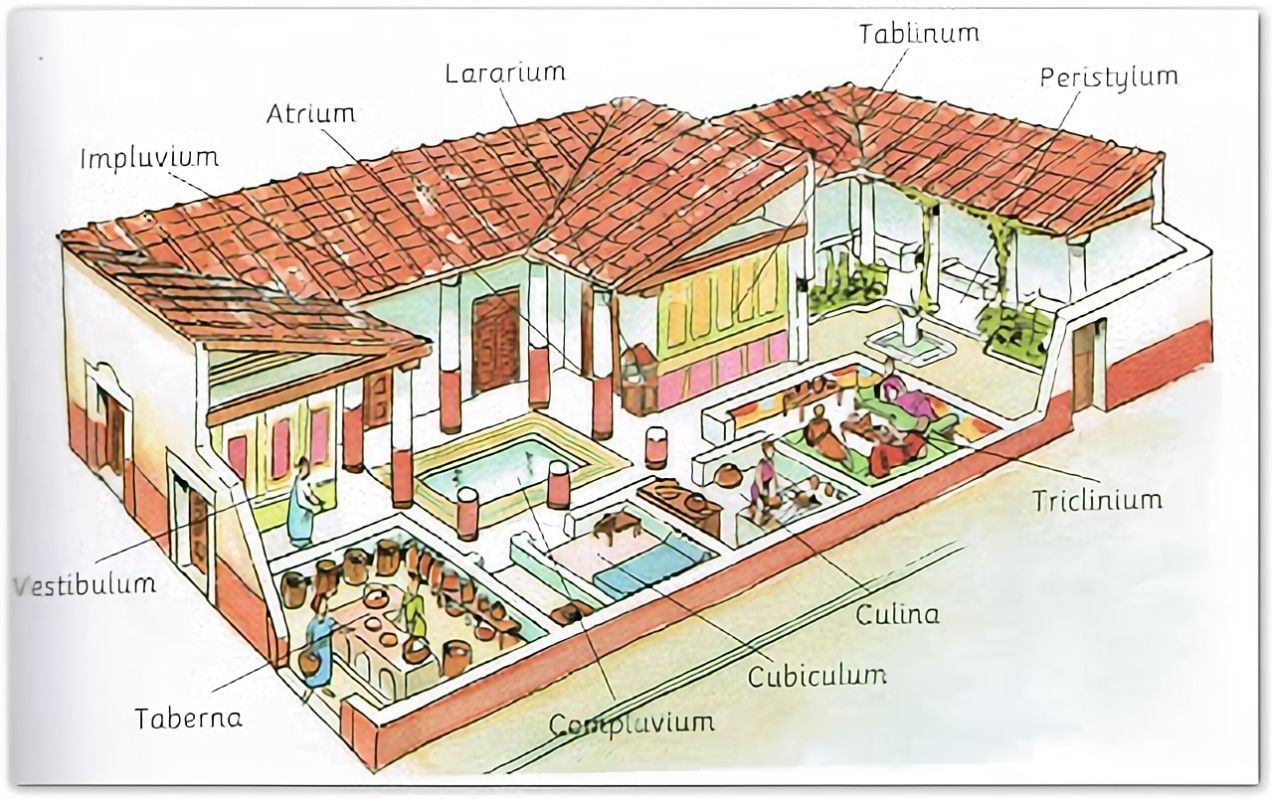
- Atrium
- Vestibulum
- Triclinimiun
- Tablinum
- Impluvium
- Cubicula
- Tabernae
- Atrium
- Materials
- wood and brick
- wood and brick
- Example
- Italy
- the House of the Faun of Pompeii.
- the House of the Faun of Pompeii.
- Italy
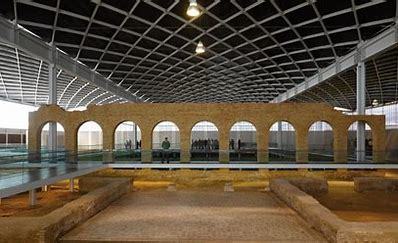
- Villa
Annotations:
- agricultural properties
- Materials
- stone and adobe
- stone and adobe
- Example
- Pedrosa de la vega
- Pedrosa de la vega
- Parts
- stables and barns
- gentlemen's residence
- orchards
- stables and barns
- Insulae
- Materials
- Stone
Annotations:
- Different types of stones and each one for its purpose. Strength,durability and aesthetics.Its very common used in roman houses.They hadalso some basic cutting stone tools as the cutting hammer (blader), scabblinghammer (pointedted), stone mason's hammer (hammer), mallet, punch, chisel, saw,and square, this set of tools are used also now. Theyused some types of stone as igneous (tufa and granite), sedimentary (travertine) and methamorphic (marble).The typesof the different houses are:Insula,Domus and Villa.
- Wood
Annotations:
- Wood is a common and essential material of construction. The use of wood by the Romans was expanded over that of the Greeks by wider application of use of the truss. It can be speculated that these risers and treads would have been made of wood as they have deteriorated from their place of attachment. Vitruvius provided instruction on the use of the various timbers. Fir is described as a light wood, resists bending, so therefore would be desirable for use as joists . Oak, having a tight structure, was desirable for use where the wood must be buried in the ground, or possibly used as piers.
- Glass
Annotations:
- is an incelary construction for the romans,they use the glass in the first century AD. The introduction of glass for window glazing was fundamental, glassmaking was descovered in 2300 BC. Vitruvius did not adress glass in his ten books, neither in yhe book of materials or in the book of finishing. The primary consideration for this writer is it used as a building material.
- Concrete
Annotations:
- Concrete provided the Romans with a means for producing a variety of structures with strength, flexibility of design, and in certain formulas, provided unique capabilities. Concrete could be formulated repeatedly and uniformly. Employing skilled workers, concrete provided the Romans a versatile, practical material for expanding the empire. Vitruvius began his instructions concerning the mixing of concrete by advice regarding the types of suitable sands, an essential ingredient in its production.
- Brick
Annotations:
- in rome they were very surprised by the amount of brick in the streets for which it was a widely used material. That brick construction also features great complexity and intricate wark which is display in arches and walls. The use of brick is worldwide and its use continues to he present
- Finishing
Annotations:
- Vitruvius provided a brief discussion of finishing materials: plaster for walls and ceilings, and paints for any applicable use. Paints produced from minerals and marine life were also discussed. Two colors are of special note. The blue pigment. The purple This brief discussion of plasters and paints is important as an acknowledgment that these materials were used. Its importance to the empire was minimal, but from an aesthetic perspective it added to the imperial persona, especially purple, which signifies royalty.
- Stone
Media attachments
Want to create your own Mind Maps for free with GoConqr? Learn more.