
38546827
Description

Mind Map by ANA LIBEIRA SANDOVAL ORTIZ, updated more than 1 year ago

|
Created by ANA LIBEIRA SANDOVAL ORTIZ
over 3 years ago
|
|
MANAGERIAL GAME
- MECHANISMS THAT CREATE VALUE, are the forms used by
the companies to generate profit, are the raison d'être of
the organizations
- CAPITAL BUDGETING, Process of decide on the
incorporation of projects investment in the
budget of the company, evaluate the options of
investment in assets and includes those that
increase the value of the company
- INVESTMENT STAGES: - To
establish objectives - Identify
investment potential - Select the
investment
- CLASSES OF INVESTMENT:
-Independent - Dependents -
Prerequisite
- VARIABLES IN THE EVALUATION
OF A INVESTMENT: -Cash flow -
Discount rate
- CLASSES OF ANALYSIS IN THE BUDGET EVALUATION:
-Replace an equipment or machinery - Expand a new
product line or market - Introduce a new product or
service - Invest compulsorily.
- INVESTMENT STAGES: - To
establish objectives - Identify
investment potential - Select the
investment
- CAPITAL BUDGETING, Process of decide on the
incorporation of projects investment in the
budget of the company, evaluate the options of
investment in assets and includes those that
increase the value of the company
- STRATEGIC MANAGEMENT is a tool used by organizations for
decision-making, through it you can define the direction of
the business in the future, for this reason the thinking of
the managers must always be aligned with the
management actions that are made.
- ELEMENTS OF MANAGEMENT STRATEGIC:
-Diagnosis organization - Management system -
Strategic direction - strategic evaluation
- ELEMENTS OF MANAGEMENT STRATEGIC:
-Diagnosis organization - Management system -
Strategic direction - strategic evaluation
- CONCEPT
- Tool used in organizations for the decision-making, serves to
define the direction of the business in the future, for this reason
The thinking of managers must always be aligned with
management actions
- Tool used in organizations for the decision-making, serves to
define the direction of the business in the future, for this reason
The thinking of managers must always be aligned with
management actions
- FINANCIAL INDICATORS, These are figures that
show the status of the different accounts, more
finds the numbers, these indicators must be
interpreted and analyzed because they will be
used for decision making.
- GROSS MARGIN: Shows us the amount of sales that
the company obtains from sales of services and
products before the deduction of any expenses of
sales
- NET MARGIN: It is the percentage
of income left over after all sales
expenses
- OPERATING MARGIN: Indicates the value of
income left over after cost of goods sold and
operating expenses are considered
- RETURN ON ASSET (ROA): Measures net income
produced by the total of assets during a period
to be compared net income to average assets
total
- EQUITY PROFITABILITY: We shows the
measure of the capital quota own obtained in
the capital of the shareholders invested in the
business
- GROSS MARGIN: Shows us the amount of sales that
the company obtains from sales of services and
products before the deduction of any expenses of
sales
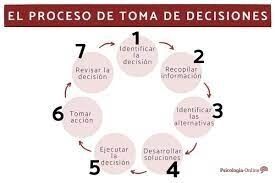
- DECISION MAKING: Decision making within an organization is not a easy task and not
automatic, since this responsibility falls on an individual that you are faced with a
situation in which you must choose an action that will determine an event and therefore it
will generate a consequence. Just as in our daily life, a good part of the actions we take
are repetitive or very similar, in the same way a organization must make day-to-day
decisions within its normal activity, decisions without risk whose consequences do not
compromise him since in none of them is the risk company future; However, not every
decision problem is without risk, there are moments in which the organization must face
problems in which the decision that take it can only be done once and will have
consequences that will affect significantly the organization, these decisions are called risk.
Media attachments

Want to create your own Mind Maps for free with GoConqr? Learn more.