
5477574
Description

Mind Map by paola garcia, updated more than 1 year ago

|
Created by paola garcia
over 10 years ago
|
|
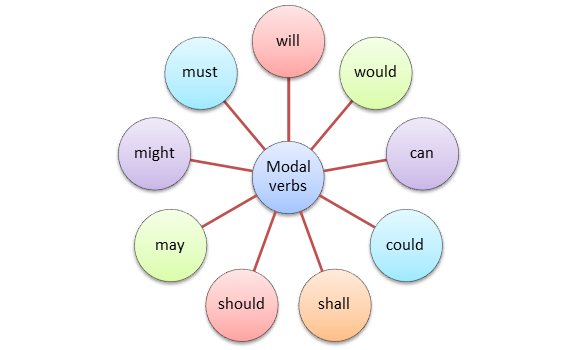
MODAL VERBS
- Do not work without another verb
- they are the future and the
conditional auxiliary verbs.
- they express.
- ability
- necessity
- other condition
- ability
- they cannot function as a main verb
- do not have time do not combine.
- These are
- would
- declare a preference and to
ask for something politely.
- examples
- Would you like some coffee?
- Would you help me please?
- Would you like some coffee?
- examples
- declare a preference and to
ask for something politely.
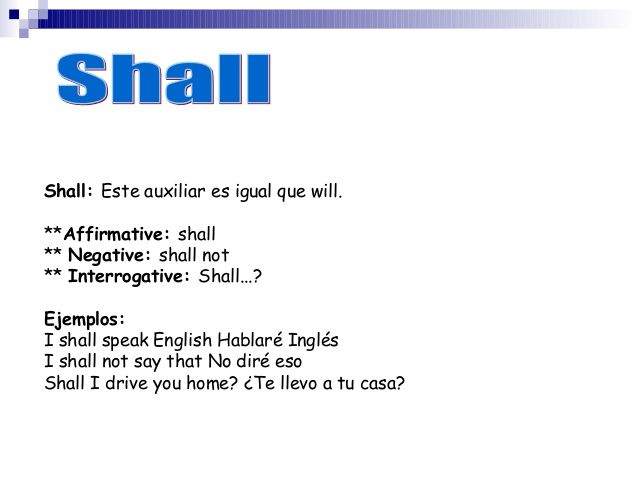
- shall
- Used to form the future tense.
- examples
- Hellen shall be happy to see you.
- I’ll take the 3 o’clock train.
- Hellen shall be happy to see you.
- examples
- offers and suggestions or to ask
about options or preferences.
- examples
- Shall l we meet at 10pm?
- Shall we go to the
movies or a museum?
- Shall l we meet at 10pm?
- examples
- Used to form the future tense.
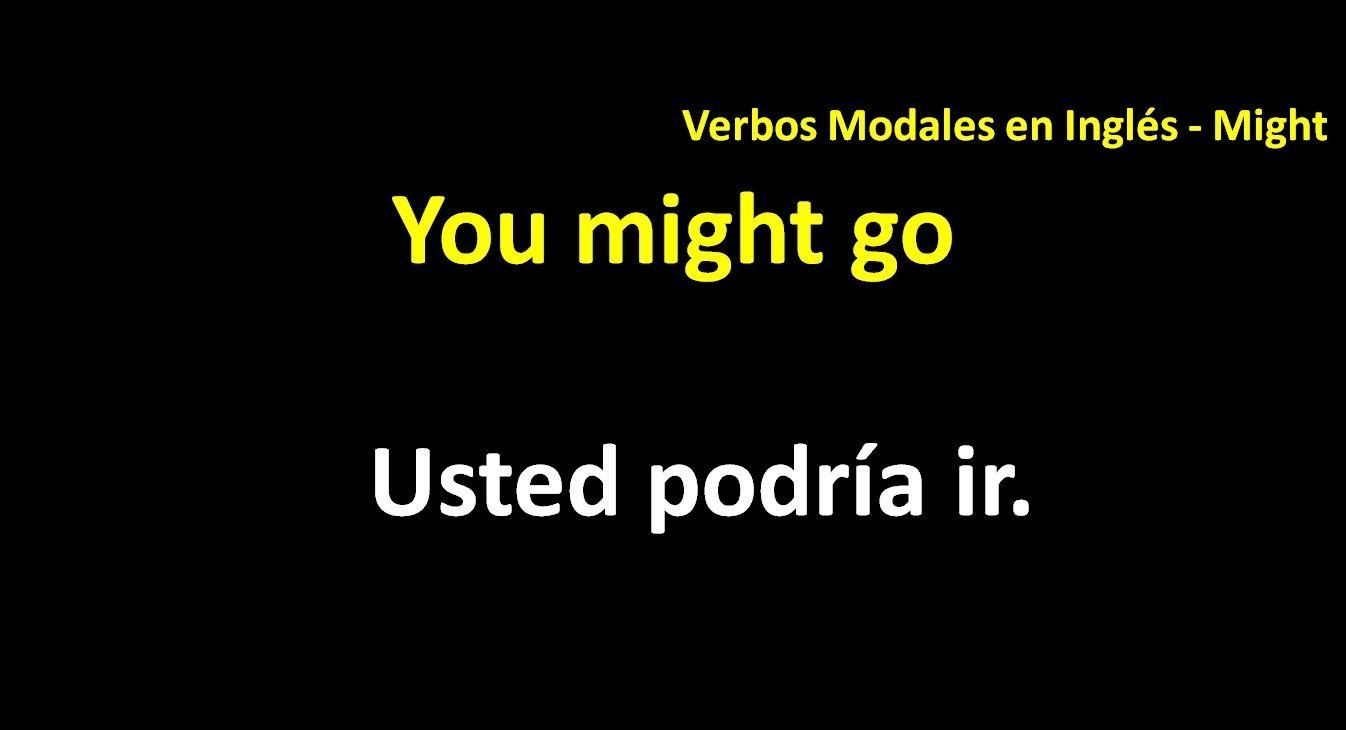
- might
- It indicates possibilities in the
present or the future.
- examples
- I would bring an umbrella, it might rain later.
- It might be better to finish this now,
rather than wait until tomorrow.
- I would bring an umbrella, it might rain later.
- examples
- It indicates possibilities in the
present or the future.
- could
- indicates ability or
possibility in the past.
- examples
- Peter could speak Spanish
when he was Young.
- It could have been worse.
- Peter could speak Spanish
when he was Young.
- examples
- possibilities in the future.
- examples
- I think it could rain later.
- You could pass the test if you studied.
- I think it could rain later.
- examples
- in interrogative sentences
- you can request permission or
ask about the possibilities
- examples
- Could you pass the salt please?
- Could I be wrong?
- Could you pass the salt please?
- examples
- you can request permission or
ask about the possibilities
- indicates ability or
possibility in the past.
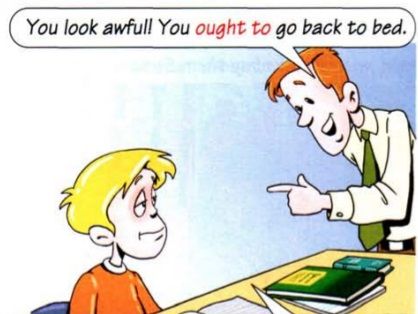
- ought to
- synonym of should
- examples
- I ought to call my parents more often.
- She ought to quit smoking
- I ought to call my parents more often.
- examples
- synonym of should
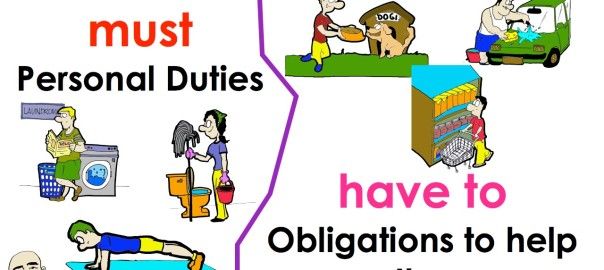
- must/ have to
- It indicates an obligation,
prohibition or need
- examples
- You must [have to] read this book, it’s fantastic.
- We must [have to] leave now or we will be late.
- You must [have to] read this book, it’s fantastic.
- examples
- indicate probability or
assume something.
- examples
- John’s not here. He must be sick
because he never misses class.
- It must be difficult to learn a
new language as an adult.
- John’s not here. He must be sick
because he never misses class.
- examples
- rhetorical questions.
- examples
- Must you always be late?
- Must she talk so much?
- Must you always be late?
- examples
- It indicates an obligation,
prohibition or need
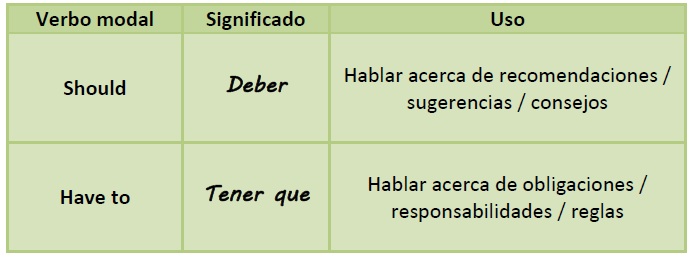
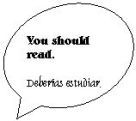
- should
- indicates an obligation
or recommendation.
- examples
- You shouldn’t work so hard. (
- should call my
parents more often.
- You shouldn’t work so hard. (
- examples
- in interrogative sentences
- ask if there is an obligation or to
ask for a recommendation
- examples
- Should I have the steak or the chicken?
- Where should they meet you?
- Should I have the steak or the chicken?
- examples
- ask if there is an obligation or to
ask for a recommendation
- indicates an obligation
or recommendation.
- will
- is used to form the future tense.
- means desire or determination.
- examples
- I will help you
- We will learn English.
- I will help you
- examples
- means desire or determination.
- in interrogative sentences
- request information, a favor or options.
- examples
- Will you help me move?
- Will he go to Paris by car or train?
- Will you help me move?
- examples
- request information, a favor or options.
- is used to form the future tense.
- may
- indicates possibilities
in the future.
- examples
- It may be better to finish this now,
rather than wait until tomorrow.
- I would bring an umbrella, it may rain later.
- It may be better to finish this now,
rather than wait until tomorrow.
- examples
- gives permission or instructions.
- examples
- You may leave if you like
- You may use your cell phones now.
- You may leave if you like
- examples
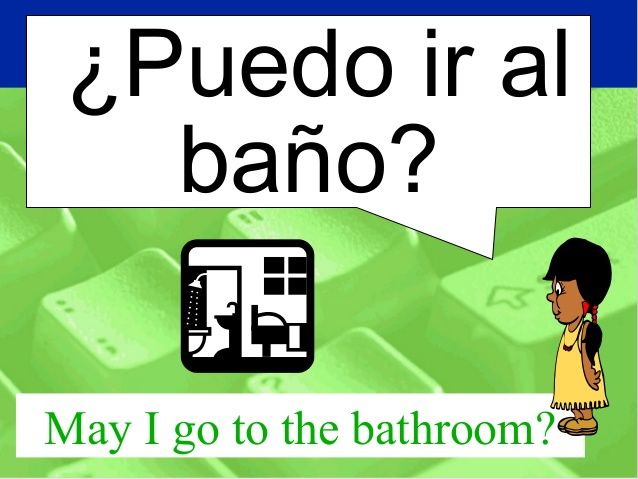
- in interrogative sentences
- examples
- May I have a glass of water?
- May I leave now?
- May I have a glass of water?
- examples
- indicates possibilities
in the future.
- can
- indicates ability or possibility
- examples
- I can speak six languages.
- We can work late
tonight if you need us.
- It can be dangerous to
drive if you are tired.
- I can speak six languages.
- examples
- In interrogative
sentences.
- you can request permission or
ask about the possibilities.
- Can you help me?
- Can I have a glass of water?
- Can you help me?
- you can request permission or
ask about the possibilities.
- indicates ability or possibility
- would
Media attachments










Want to create your own Mind Maps for free with GoConqr? Learn more.