
7524007
Description

Mind Map by Susana Zapata uribe, updated more than 1 year ago

|
Created by Susana Zapata uribe
almost 9 years ago
|
|
Lymphoid
Inmune System
- INMUNE SYSTEM
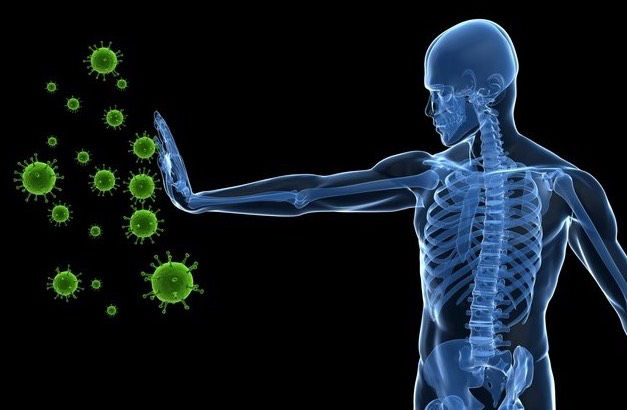
- The immune system is the body's
defense against infectious
organisms and other invaders.
Through a series of steps called the
- The immune system is made up of a network of cells,
tissues, and organs that work together to protect the
body. One of the important cells involved are white
blood cells, also called leukocytes, which come in two
basic types that combine to seek out and destroy
disease-causing organisms or substances.
- PHAGOCYTES: Cells
that chew up invading
organisms
- Lymphocytes: Cells that allow the
body to remember and recognize
previous invaders and help the body
destroy them
- Cells
- The two kinds of lymphocytes are B lymphocytes and T lymphocytes. Lymphocytes start out in the
bone marrow and either stay there and mature into B cells, or they leave for the thymus gland, where
they mature into T cells. B lymphocytes and T lymphocytes have separate functions: B lymphocytes
are like the body's military intelligence system, seeking out their targets and sending defenses to lock
onto them. T cells are like the soldiers, destroying the invaders that the intelligence system has
identified.
- The two kinds of lymphocytes are B lymphocytes and T lymphocytes. Lymphocytes start out in the bone
marrow and either stay there and mature into B cells, or they leave for the thymus gland, where they
mature into T cells. B lymphocytes and T lymphocytes have separate functions: B lymphocytes are like
the body's military intelligence system, seeking out their targets and sending defenses to lock onto
them. T cells are like the soldiers, destroying the invaders that the intelligence system has identified.
- PHAGOCYTES: Cells
that chew up invading
organisms
- MADE UP
OF
- The immune system is made up of a network of cells,
tissues, and organs that work together to protect the
body. One of the important cells involved are white
blood cells, also called leukocytes, which come in two
basic types that combine to seek out and destroy
disease-causing organisms or substances.
- WHAT IS
IT
- PROBLEMS
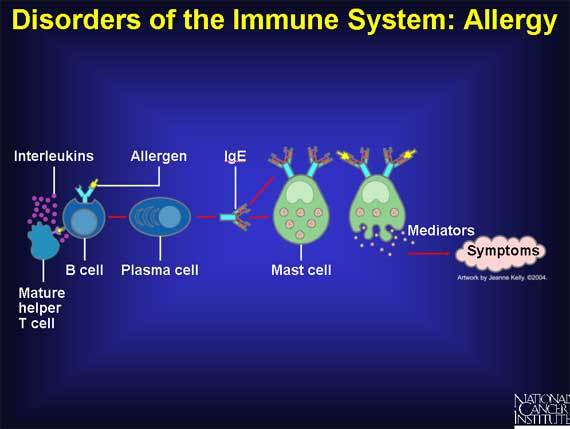
- immunodeficiency disorders (primary or acquired) autoimmune
disorders (in which the body's own immune system attacks its own
tissue as foreign matter) allergic disorders (in which the immune
system overreacts in response to an antigen) cancers of the immune
system
- immunodeficiency disorders (primary or acquired) autoimmune
disorders (in which the body's own immune system attacks its own
tissue as foreign matter) allergic disorders (in which the immune
system overreacts in response to an antigen) cancers of the immune
system
- PROBLEMS
- immunodeficiency disorders (primary or
acquired) autoimmune disorders (in which the
body's own immune system attacks its own tissue
as foreign matter) allergic disorders (in which the
immune system overreacts in response to an
antigen) cancers of the immune system
- immunodeficiency disorders (primary or
acquired) autoimmune disorders (in which the
body's own immune system attacks its own tissue
as foreign matter) allergic disorders (in which the
immune system overreacts in response to an
antigen) cancers of the immune system
- The immune system is the body's
defense against infectious
organisms and other invaders.
Through a series of steps called the
- LYMPHATIC
SYSTEM
- WHAT IS
IT
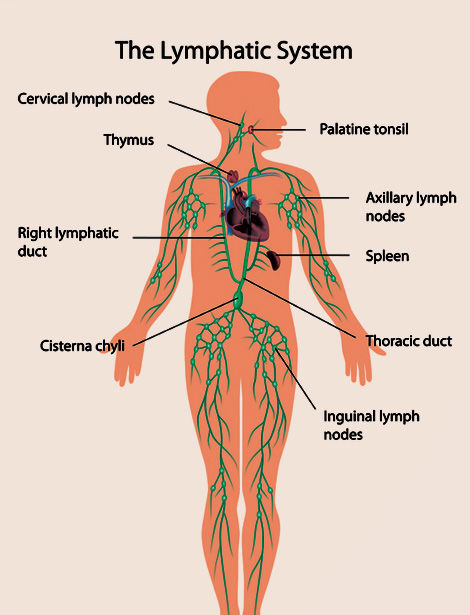
- The lymphatic system is a network of
tissues and organs that help rid the
body of toxins, waste and other
unwanted materials. The primary
function of the lymphatic system is to
transport lymph, a fluid containing
infection-fighting white blood cells,
throughout the body.
- MADE UP OF
- The lymphatic system consists of the following: Fluid,
known as lymph Vessels that transport lymph Organs that
contain lymphoid tissue (eg, lymph nodes, spleen, and
thymus)
- CELLS
- CELLS
- MADE UP OF
- PROBLEMS
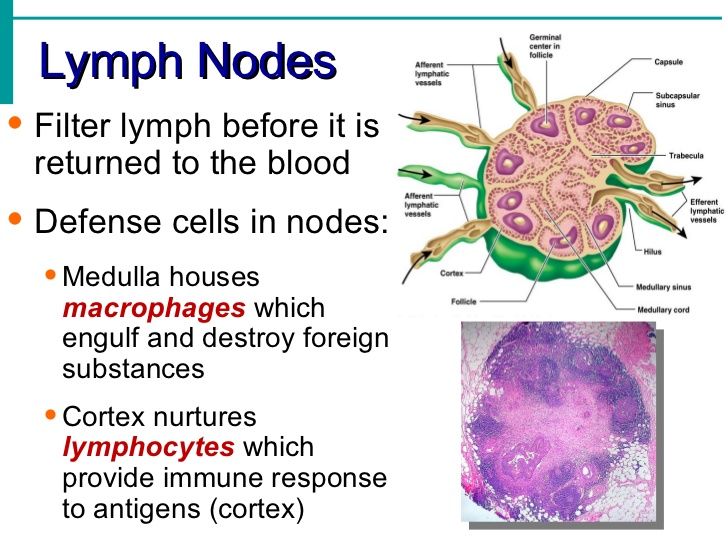
- The most common diseases of the lymphatic system are enlargement of the
lymph nodes (also known as lymphadenopathy), swelling due to lymph
node blockage (also known as lymphedema) and cancers involving the
lymphatic system.When bacteria are recognized in the lymph fluid, the
lymph nodes make more infection-fighting white blood cells, which can
cause swelling. The swollen nodes can sometimes be felt in the neck,
underarms and groin
- The most common diseases of the lymphatic system are enlargement of the
lymph nodes (also known as lymphadenopathy), swelling due to lymph
node blockage (also known as lymphedema) and cancers involving the
lymphatic system.When bacteria are recognized in the lymph fluid, the
lymph nodes make more infection-fighting white blood cells, which can
cause swelling. The swollen nodes can sometimes be felt in the neck,
underarms and groin
- WHAT IS
IT
Media attachments
Want to create your own Mind Maps for free with GoConqr? Learn more.