
10570481
Description

Mind Map by Richard Clark, updated more than 1 year ago

|
Created by Richard Clark
over 8 years ago
|
|
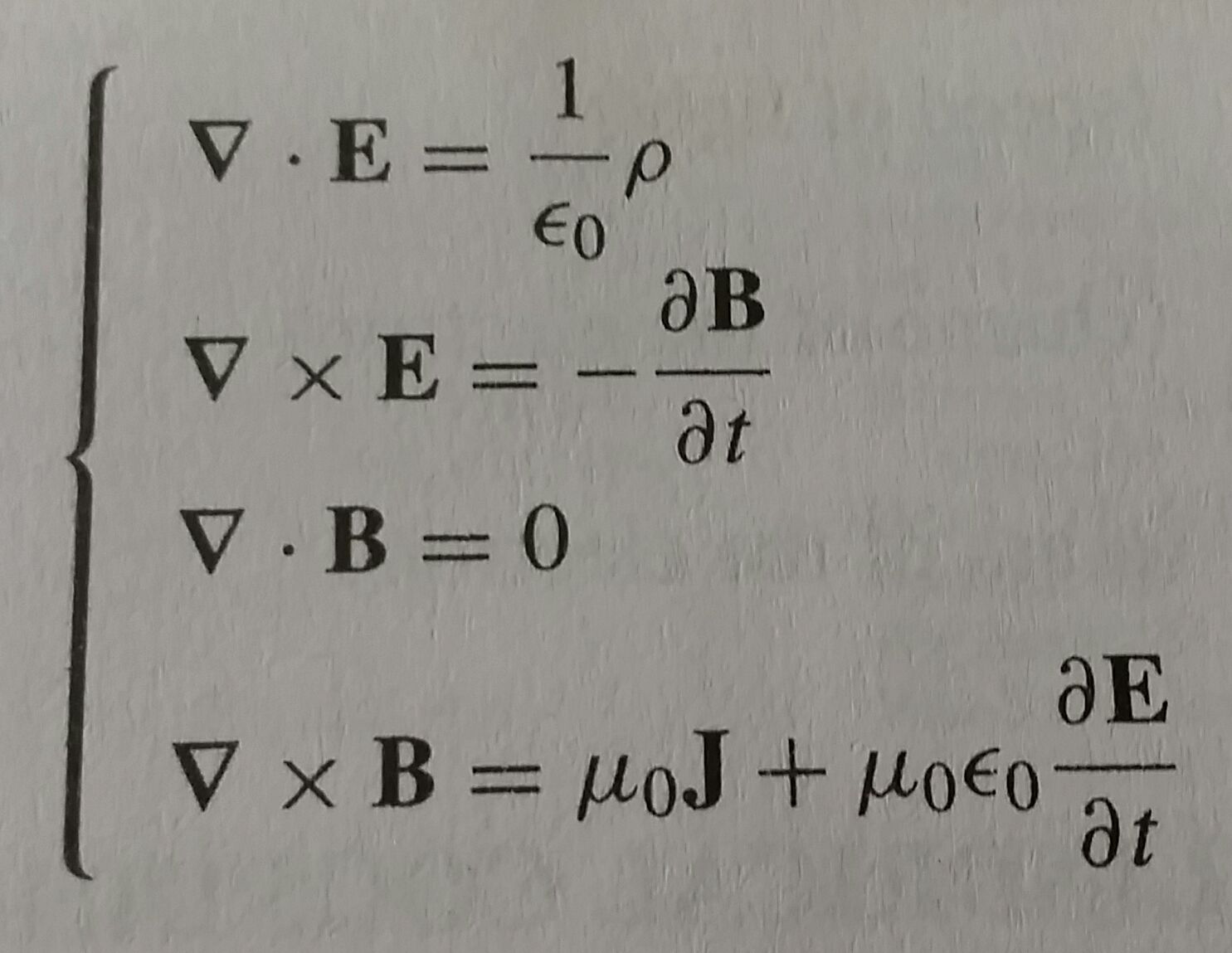
Maxwell's Equations
- Electrodynamics
- EMF
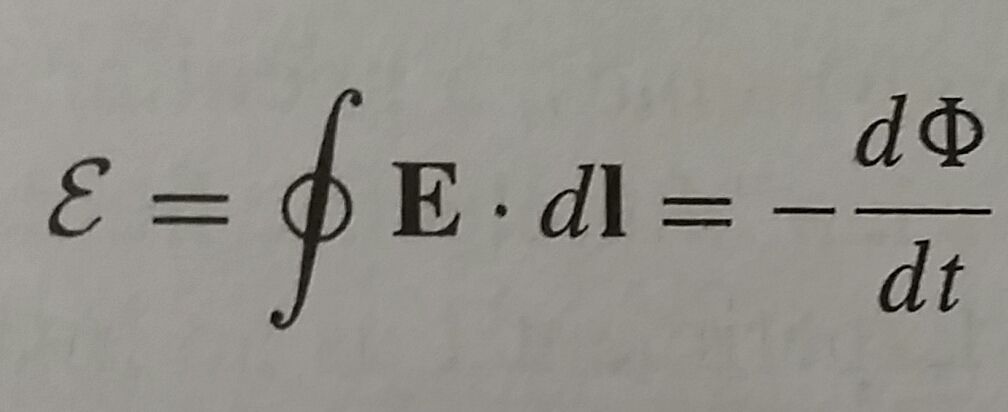
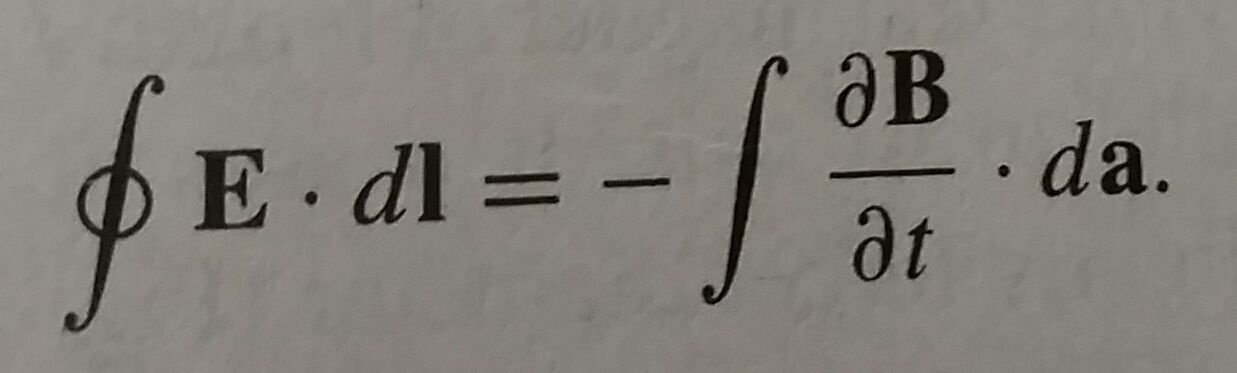
- Faraday's Law
- A changing
magnetic field
induces an electric
field and vice versa
- Lenz's Law:
the induced
emf acts to
minimize the
change in flux
- Lenz's Law:
the induced
emf acts to
minimize the
change in flux
- A changing
magnetic field
induces an electric
field and vice versa
- Faraday's Law
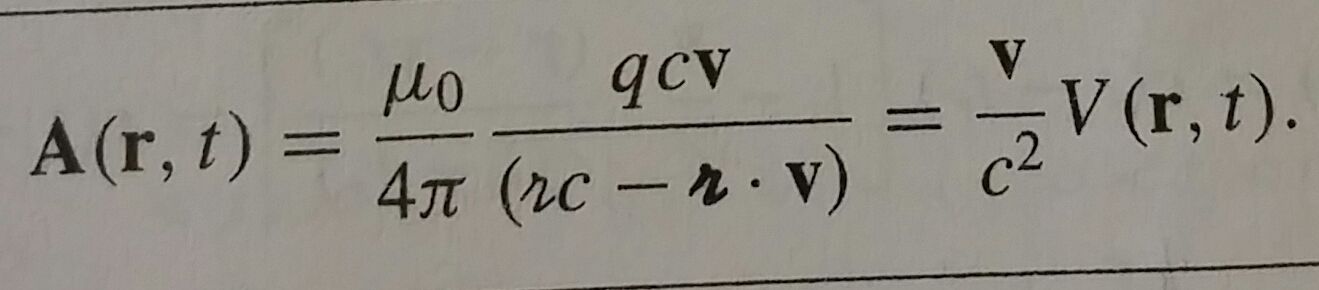
- Potentials
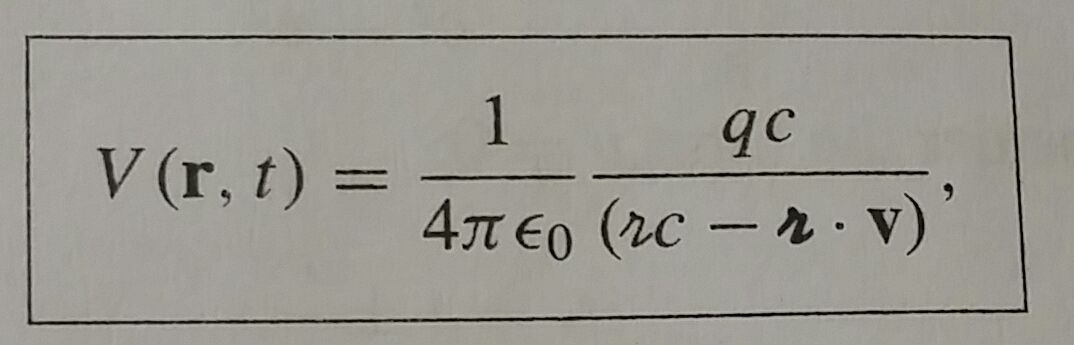
- Lienard-Wiechert
(for moving point
charges)
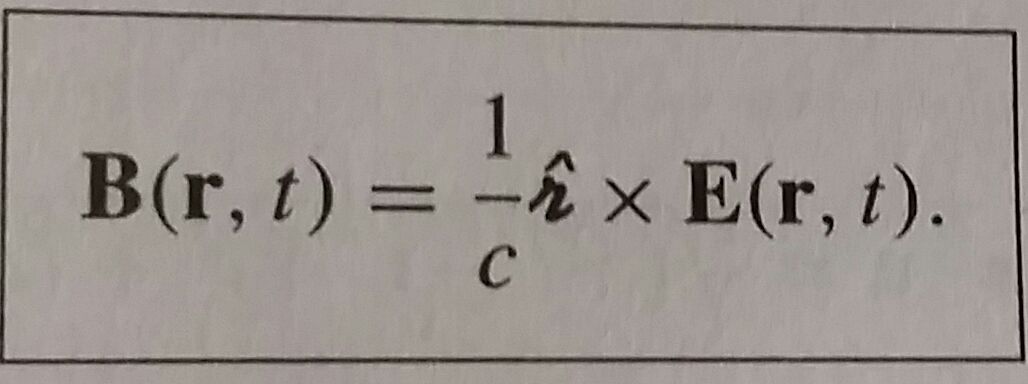
- Fields (moving charge)
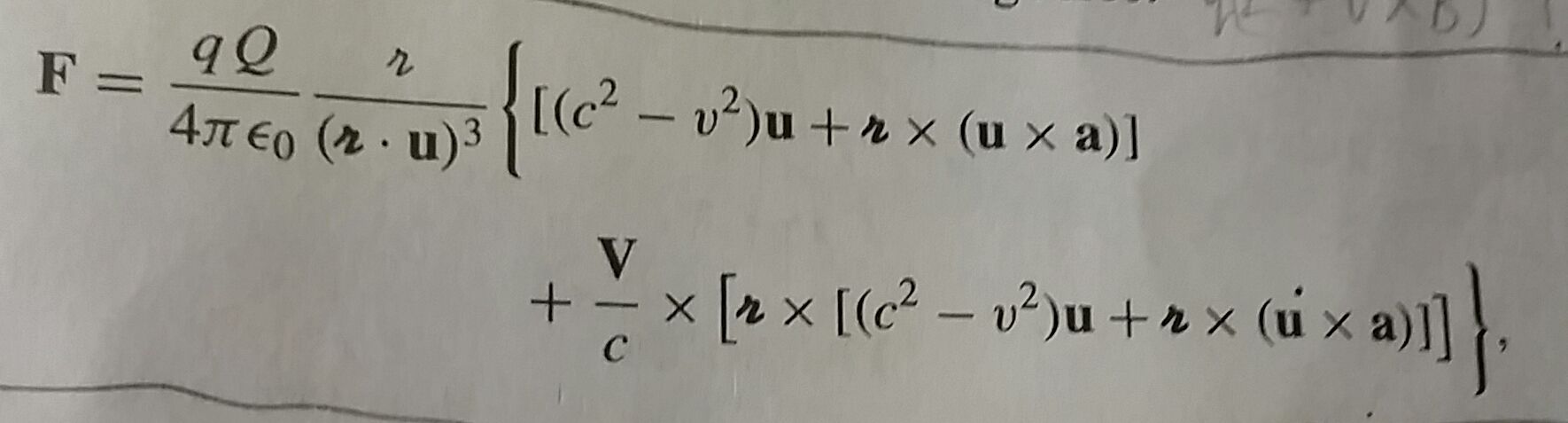
- General force law
(contains all of classical
electrodynamics)
- General force law
(contains all of classical
electrodynamics)
- Fields (moving charge)
- Lienard-Wiechert
(for moving point
charges)
- EMF
- Electromagnetic Waves
- Linear Medium:
no free charge or
current, D and H
linearly
proportional to E
and B
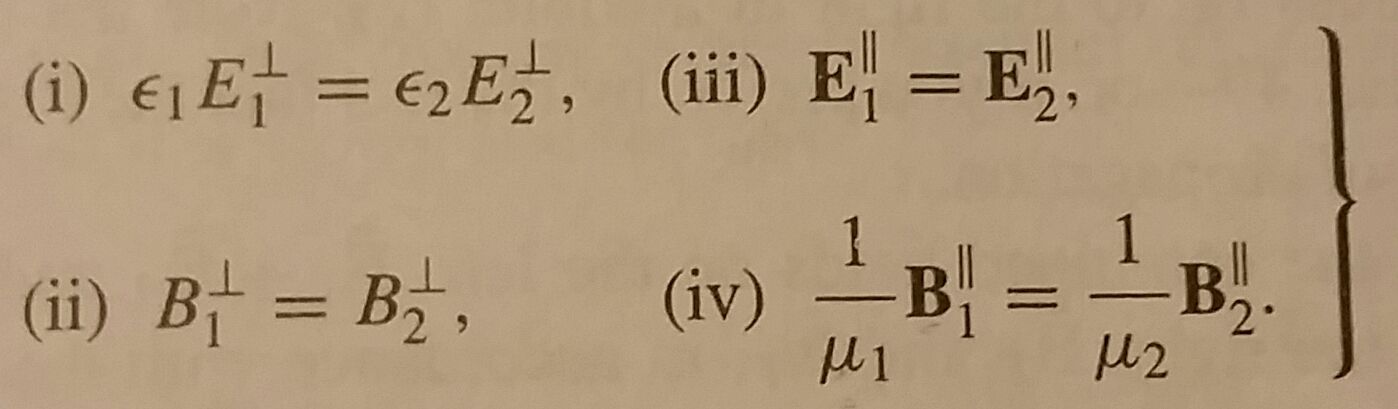
- Boundary Conditions
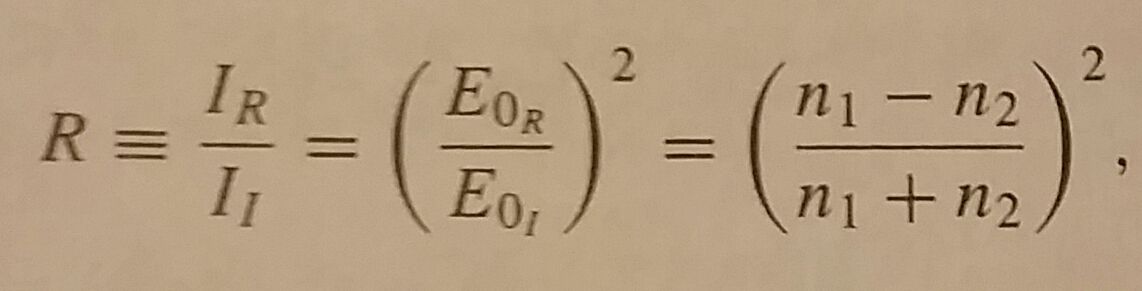
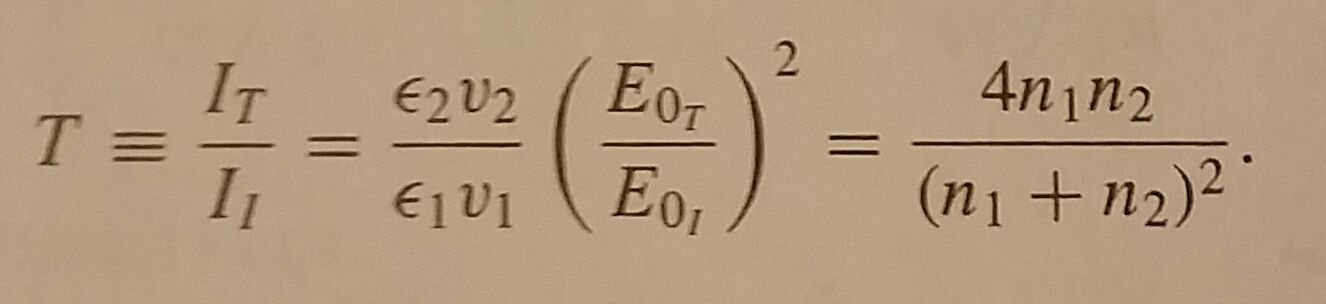
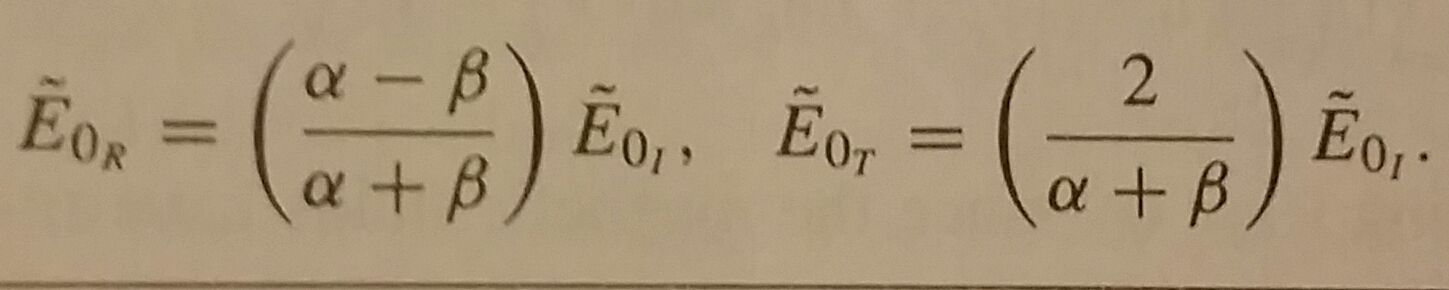
- Reflection and Transmission
- Normal Incidence
- Oblique Incidence
- Snell's Law
- Fresnel's Equations
- Snell's Law
- Normal Incidence
- Reflection and Transmission
- Boundary Conditions
- Vacuum
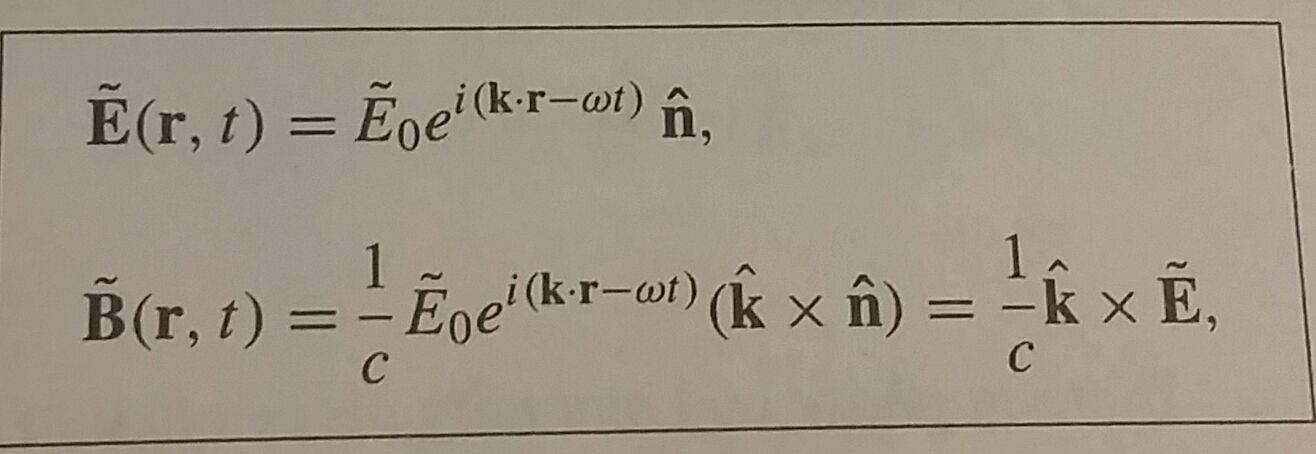
- Transverse, E and B in phase,
mutually perpendicular
- Transverse, E and B in phase,
mutually perpendicular
- Conductor
- Wave Guides
- TE or TM but no TEM waves
(hollow wave guide)
- Only certain modes propagate
- Cutoff frequency
- Cutoff frequency
- Only certain modes propagate
- TE or TM but no TEM waves
(hollow wave guide)
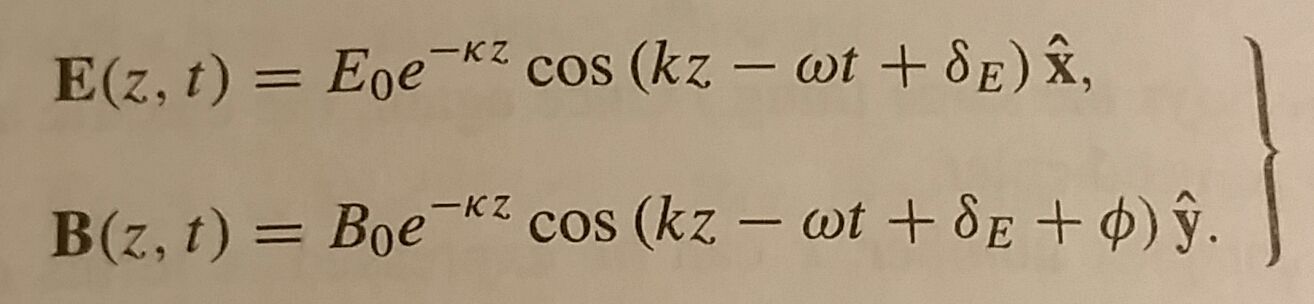
- Transverse, out of phase, B field
lags behind E field, attenuates
exponentially
- Transverse, out of phase, B field
lags behind E field, attenuates
exponentially
- Wave Guides
- Linear Medium:
no free charge or
current, D and H
linearly
proportional to E
and B
- Relativity
- 4-vectors
(e.g.
4-vector
potential)
- Einstein
Notation
- Classical
electrodynamics is
already consistent
with special relativity
- A relativistic treatment
of electricity necessarily
leads to magnetism
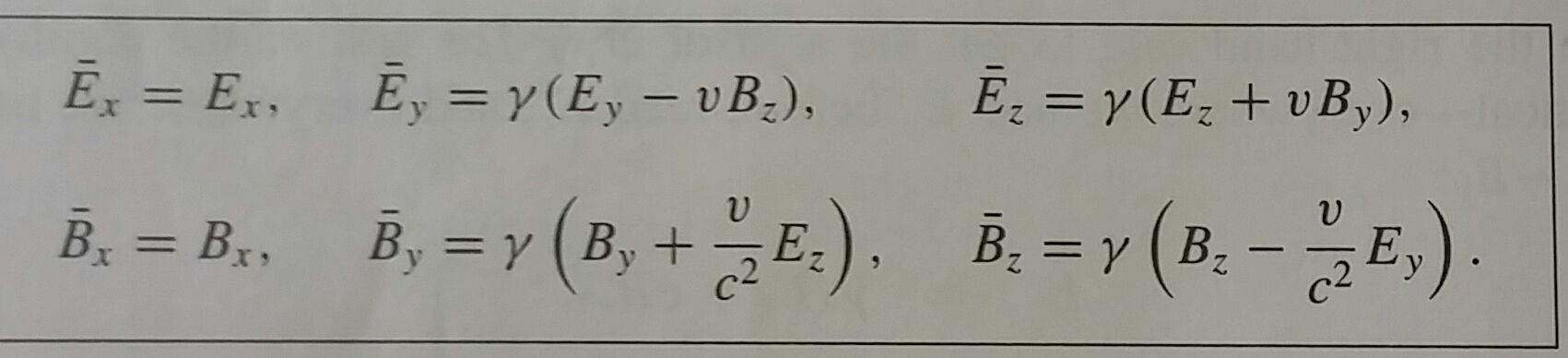
- Field Transformations
- Field Tensor
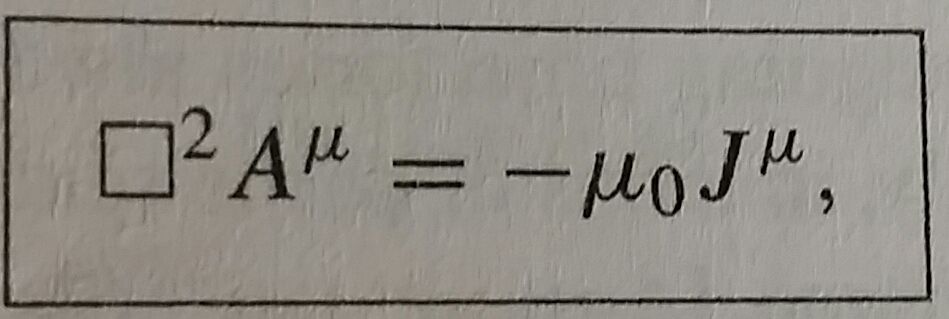
- Maxwell's equations
expressed by a single 4-vector
equation, by applying the
d'Alembertian and the Lorenz
gauge condition
- Maxwell's equations
expressed by a single 4-vector
equation, by applying the
d'Alembertian and the Lorenz
gauge condition
- Field Tensor
- A relativistic treatment
of electricity necessarily
leads to magnetism
- 4-vectors
(e.g.
4-vector
potential)
- Conservation Laws
- Magnets do
no work
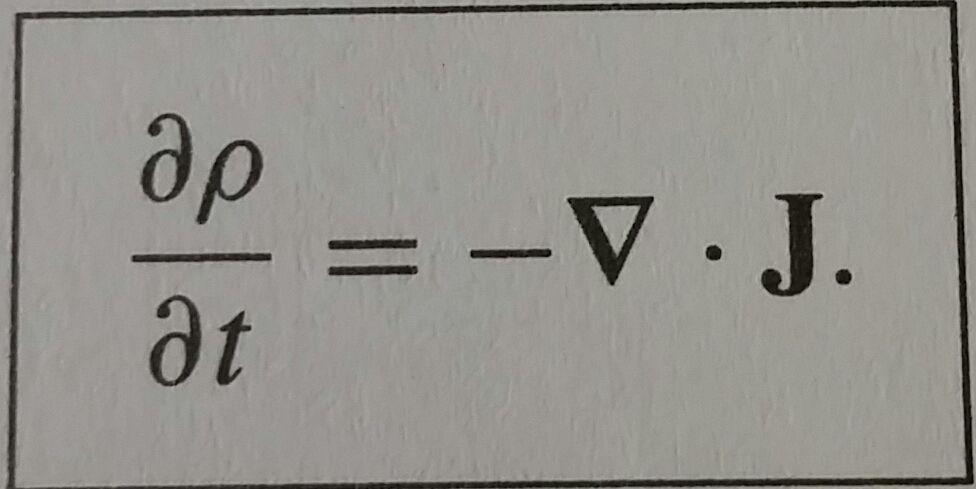
- Continuity Equation
(local conservation of
charge)
- Poynting's Theorem:
the work done on a
charge is the
decrease in energy in
the fields minus the
energy that flowed
out of the system
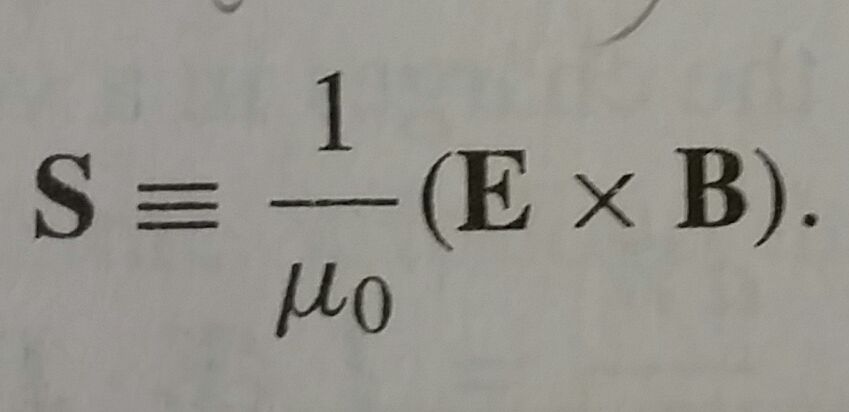
- Poynting Vector:
energy flux
transported by
fields
- Radiation (carries
energy to
infinity)
- Dipole (electric and magnetic)
- Point Charge
- Dipole (electric and magnetic)
- Radiation (carries
energy to
infinity)
- Poynting Vector:
energy flux
transported by
fields
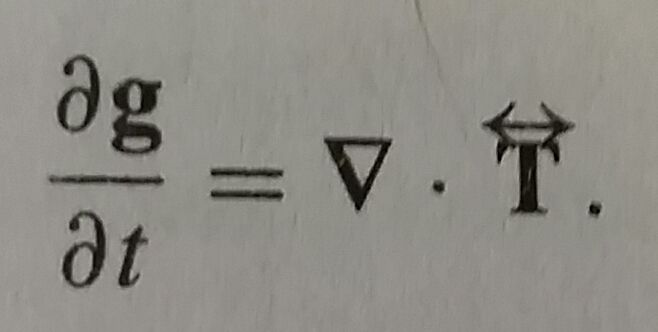
- Newton's 3rd law doesn't
hold for electrodynamics,
but momentum is conserved
overall when the
momentum stored in fields
is taken into account.
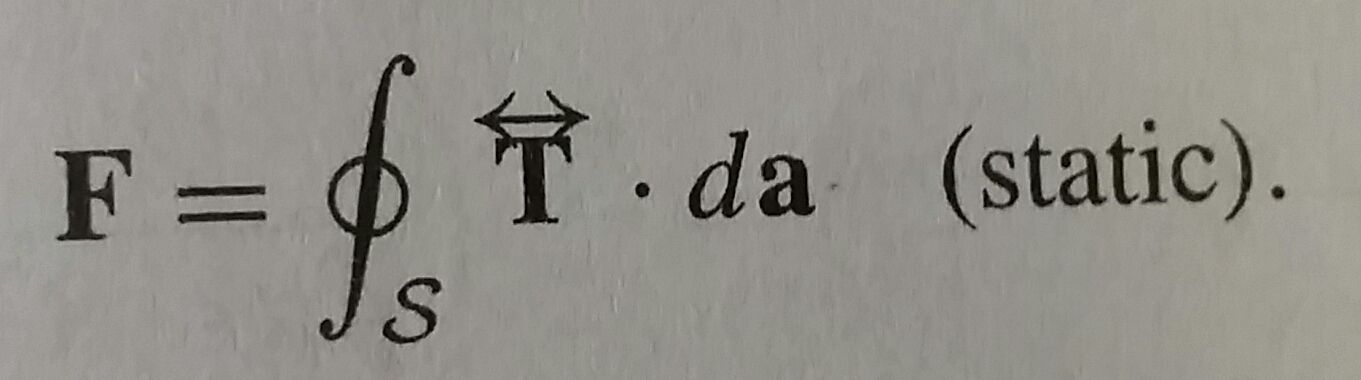
- Maxwell Stress Tensor
- Electromagnetic momentum conservation:
Charges and fields exchange momentum, with
the total conserved.
- Electromagnetic momentum conservation:
Charges and fields exchange momentum, with
the total conserved.
- Magnets do
no work
Media attachments




Want to create your own Mind Maps for free with GoConqr? Learn more.