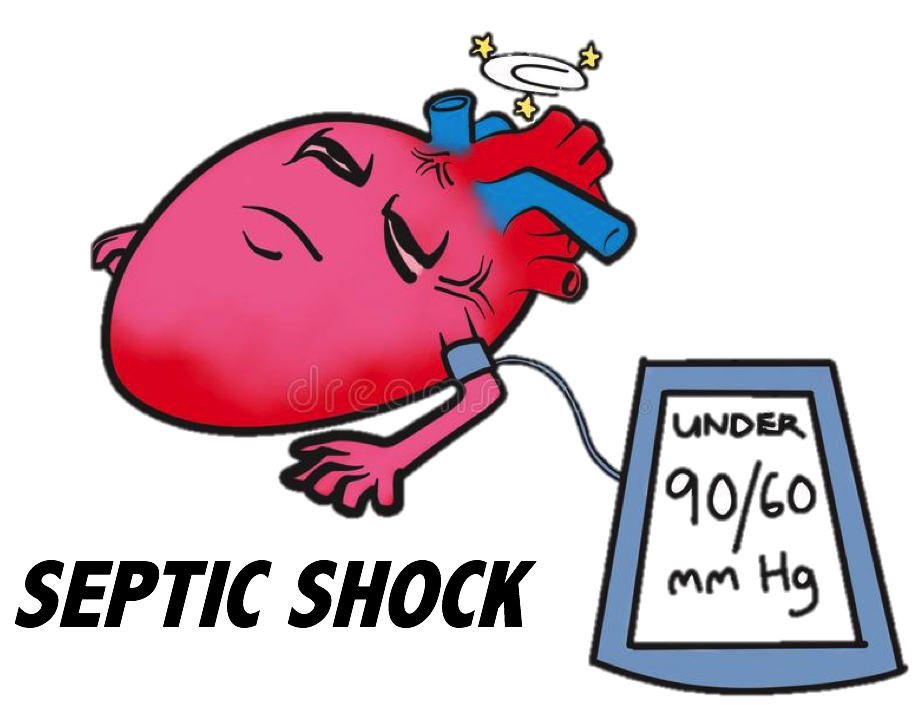
SEPTIC SHOCK

Description

Mind Map on SEPTIC SHOCK, created by Jentoria Dingesa on 28/10/2017.
Jentoria Dingesa
Mind Map by Jentoria Dingesa, updated more than 1 year ago
Jentoria Dingesa
Created by Jentoria Dingesa about 8 years ago
5
1

Resource summary

SEPTIC SHOCK
  1. ASSESSMENT
    1. Clinical Manifestations of Stages of Septic Shock
      1. Stage I: Compensatory Stage
        1. Activation of SNS to compensate for the hypotension & ↓ cardiac output.
          1. Tachycardia (↑HR >90 beats/min)
            1. pulse present
            2. ↑Epinephrine & Norepinephrine= vasoconstriction
              1. BP adequate to provide vital organs)
                1. Normal BP with narrow pulse pressure
                  1. Slight drop in BP
              2. ↓Renal Blood flow & perfusion
                1. ↓Urinary Output
                  1. Edema- due to fluid Retention
                2. ↓Blood flow to Lungs
                  1. Tachypnea (>20 breaths/minute)
                    1. ↑Ventilation- perfusion mismatch)
                    2. Anxious, restlessness, & combative
                      1. Flushed Skin
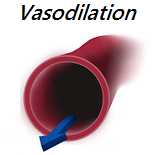
                        1. due to systemic vasodilation
                      2. Stage II: Progressive/ Decompensated Stage
                        1. **Hypotension
                          1. SBP ≤ 90mmHg
                            1. MAP ≤ 65mmHg
                              1. ↓SBP of >40mmHg
                                1. ↓Peripheral perfusion
                                  1. Weak or Absent pulses
                                    1. DIstal extremeties ischemia
                                      1. Hypothermia (core temperature <36 °C)
                                        1. Cool & Clammy skin
                                        2. ↓Capillary refill (>2sec)
                                      2. ↓Cerebral perfusion
                                        1. Altered Mental Status
                                          1. Listless or Agitated
                                            1. ↓Responsiveness to stimuli
                                              1. Unconciousness
                                            2. Myocardial ischemia or Infraction
                                              1. Dysrrhthmia
                                              2. Acute Respiratory Distress Syndrome
                                                1. Moist Crackles
                                                  1. Alveolar edema
                                                  2. Tachypnea (>20 breaths/min)
                                                    1. PaCO2 <32mmHg
                                                    2. ↓Urinary output
                                                      1. Tacycardia (>90 beats/min)
                                                      2. Stage III: Refractory Stage ***END STAGE (IRREVERSIBLE)
                                                        1. Loss of conciousness
                                                          1. Unresponsive to stimuli
                                                            1. Pupils dilated and unresponsive
                                                              1. Loss of reflexes
                                                              2. Profound Hypotension & Bradycardia
                                                                1. ↓CO
                                                                  1. ↓BP inadequate to perfuse vital organs
                                                                2. Respiratory failure
                                                                  1. Hypoxemia
                                                                  2. Anuria
                                                                    1. Disseminated Intravascular coagulation
                                                                    2. Initial stage
                                                                      1. Asymptomatic
                                                                        1. Adequate perfusion & oxygenation to vital organs
                                                                        2. Reversible
                                                                          1. Cells switch to anaerobic metabolism due to lack of perfusion caused by vasodilation.
                                                                            1. Produce pruvic and lactic acid.
                                                                              1. Rise in lactic acid level
                                                                            2. presence of sepsis
                                                                              1. Fever (Temperature>38.3°C)
                                                                                1. Positive blood culture
                                                                            3. Rick Factors
                                                                              1. Current infection
                                                                                1. Pneumonia
                                                                                  1. Appendicitis
                                                                                    1. UTI
                                                                                      1. Endocarditis
                                                                                      2. Age
                                                                                        1. Elderly
                                                                                          1. Decreased functioning of the immune system
                                                                                          2. Young children/infants
                                                                                            1. Organ and immunological immaturity and inability to self manage hygiene, more susceptible to UTIs and other infections
                                                                                          3. Medical History
                                                                                            1. Indwelling catheter (IV, urinary)
                                                                                              1. Immunocompromised (AIDS, chemotherapy, immunosuppressive drugs
                                                                                                1. Recent surgery
                                                                                                  1. Recent childbirth
                                                                                                    1. Malnutrition
                                                                                                      1. Severe Injury
                                                                                                        1. Burns
                                                                                                          1. Large wounds
                                                                                                        2. Gender
                                                                                                          1. Females are more susceptible to UTIs due to shorter urethras
                                                                                                      2. COMPLICATIONS
                                                                                                        1. Multiple organ dysfunction syndrome
                                                                                                          1. Renal
                                                                                                            1. Renal failure
                                                                                                            2. Hepatic
                                                                                                              1. Liver failure
                                                                                                              2. Cardiac
                                                                                                                1. heart failure
                                                                                                                2. Respiratory
                                                                                                                  1. Lung injury characterized as diffuse alveolar damage
                                                                                                                  2. Neurological
                                                                                                                    1. Ischemic stroke resulting from microthrombi
                                                                                                                    2. Tissue death in extremities
                                                                                                                      1. Gastrointestinal
                                                                                                                        1. Intestinal ischmemia or infarction
                                                                                                                      2. Post-sepsis syndrome
                                                                                                                        1. Insomnia
                                                                                                                          1. Hallucinations
                                                                                                                            1. Panic attacks
                                                                                                                          2. TREATMENTS
                                                                                                                            1. Nursing interventions
                                                                                                                              1. Airway
                                                                                                                                1. Ensure potency
                                                                                                                                  1. Endotracheal intubation
                                                                                                                                    1. Natural airway
                                                                                                                                  2. Breathing
                                                                                                                                    1. To avoid hypoxemia
                                                                                                                                      1. Maintain SaO2 at or > 90%. Deliver 100% O2 via
                                                                                                                                        1. Bag Valve Mask
                                                                                                                                          1. Non rebreather mask
                                                                                                                                          2. Mechanical ventilation may be necessary
                                                                                                                                            1. Decreases metabolic demands of breathing
                                                                                                                                        2. Circulation
                                                                                                                                          1. Manage hypotension with fluid resuscitation
                                                                                                                                            1. Insert 2 large bore IV catheters
                                                                                                                                            2. Insert urinary catheter
                                                                                                                                              1. To measure urinary output
                                                                                                                                            3. Disability
                                                                                                                                              1. Continuous assessment of end organ perfusion
                                                                                                                                                1. Neurological function
                                                                                                                                                  1. Assess for altered mental status
                                                                                                                                                    1. Glasgow coma scale for level of conciousness
                                                                                                                                                  2. Renal function
                                                                                                                                                    1. Urinary output is a marker for adequate renal perfusion
                                                                                                                                                      1. Normal adult urinary output is 0.5mL/kg/hour or more
                                                                                                                                                      2. Lab values (BUN, Cr)
                                                                                                                                                2. Drug therapy
                                                                                                                                                  1. Fluid resuscitation
                                                                                                                                                    1. IV bolus of isotonic crystalloid solution or colloids
                                                                                                                                                      1. Hemodynamic monitoring may be necessary to evaluate large-volume fluid resuscitation
                                                                                                                                                        1. PA catheter or central venous catheter
                                                                                                                                                          1. Arterial pressure monitoring
                                                                                                                                                        2. Antibiotics
                                                                                                                                                          1. Early initiation with broad spectrum antibiotic
                                                                                                                                                            1. Combination therapy with beta-lactam plus an aminoglycoside
                                                                                                                                                              1. Mono therapy with 3rd generation cephalosporin
                                                                                                                                                              2. Culture sample taken to determine causative pathogen
                                                                                                                                                                1. Usually gram negative bacteria
                                                                                                                                                                  1. once pathogen is determined, more specific antibiotic regimen is initiated to cover the infecting agent
                                                                                                                                                                2. Vasopressors
                                                                                                                                                                  1. Norepinephrine via central catheter; increases vascular tone
                                                                                                                                                                    1. Used for hypotension unresponsive to fluid resuscitation
                                                                                                                                                                  2. Anticoagulants
                                                                                                                                                                    1. Low molecular weight heparin
                                                                                                                                                                      1. DVT prophylaxis
                                                                                                                                                                    2. Hydrocortisone
                                                                                                                                                                      1. Given with vasopressors
                                                                                                                                                                        1. Decreases inflammation, reverses capillary permeability
                                                                                                                                                                      2. Inotropes (dobutamine)
                                                                                                                                                                      3. Nutrition therapy
                                                                                                                                                                        1. Hypermetablolism often manifests as protein-calorie malnutrition
                                                                                                                                                                          1. Nutritional status assessed by
                                                                                                                                                                            1. Serum protein, BUN, serum glucose level, serum electrolytes
                                                                                                                                                                            2. Enteral nutrition is initiated within 24 hours
                                                                                                                                                                              1. Continuous drip of enteral feedings enhances GI perfusion
                                                                                                                                                                                1. Parenteral nutrition is indicated when enteral nutrition is contraindicated
                                                                                                                                                                              2. Daily weight measurement used as indicator of fluid status
                                                                                                                                                                                1. Large weight gain
                                                                                                                                                                                  1. Common due to 3rd spacing
                                                                                                                                                                                  2. Significant weight loss
                                                                                                                                                                                    1. Dehydration should be ruled out before additional calories are provided
                                                                                                                                                                                  3. Blood glucose should be maintained at <8.3mmol/L
                                                                                                                                                                                2. DIAGNOSIS
                                                                                                                                                                                  1. Blood Tests
                                                                                                                                                                                    1. ABG Analysis
                                                                                                                                                                                      1. HCO3
                                                                                                                                                                                        1. pH
                                                                                                                                                                                          1. PaCO2
                                                                                                                                                                                          2. Blood Culture Test
                                                                                                                                                                                            1. Gram-Positive Bacteria
                                                                                                                                                                                              1. Gram-Negative Bacteria
                                                                                                                                                                                              2. Complete Blood Count (CBC) with Differential
                                                                                                                                                                                                1. ↓ Platelet count
                                                                                                                                                                                                  1. WBC
                                                                                                                                                                                                    1. Leukocytosis ( Elevated WBC level) >10x10^9/L
                                                                                                                                                                                                      1. Indicate presence of infection
                                                                                                                                                                                                      2. Low WBC level)
                                                                                                                                                                                                        1. Leukopenia
                                                                                                                                                                                                    2. ↑Creatinine level
                                                                                                                                                                                                      1. Due to decrease Kidney Creatinine clearance
                                                                                                                                                                                                      2. ↑Lactic Acid in the Blood >4mmol/L
                                                                                                                                                                                                        1. Indicating Hypoxemia
                                                                                                                                                                                                        2. C-Reactive Protein (CPR) Test
                                                                                                                                                                                                          1. ↑ C-reactive protein indicate presence of infammation in the body
                                                                                                                                                                                                          2. Liver Enzyme level
                                                                                                                                                                                                            1. Abnormal PT & PTT
                                                                                                                                                                                                              1. Indicates acute hepatocellular injury due to hypoperfusion.
                                                                                                                                                                                                          3. Electrocardiography (ECG)
                                                                                                                                                                                                            1. ST-segment depression
                                                                                                                                                                                                              1. Inverted T-waves
                                                                                                                                                                                                                1. Arrhythmia resembling myocardial infarction
                                                                                                                                                                                                                2. Other Culture Tests
                                                                                                                                                                                                                  1. Sputum Culture
                                                                                                                                                                                                                    1. Stool Culture
                                                                                                                                                                                                                      1. Urine culture
                                                                                                                                                                                                                        1. Urinalysis
                                                                                                                                                                                                                        2. Catheter Tip culture
                                                                                                                                                                                                                        3. Chest X-Ray
                                                                                                                                                                                                                          1. May show evidence of infection, such as consolidation, pleural effusion, or pneumothorax
                                                                                                                                                                                                                        4. PATHOPHYSIOLOGY
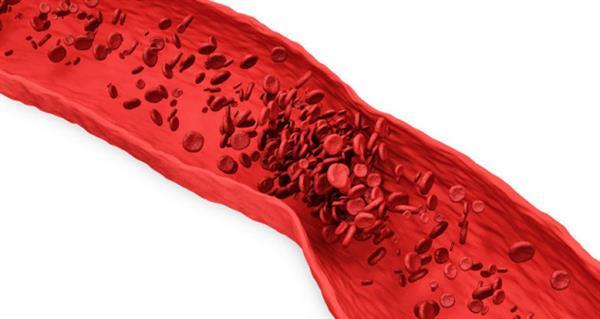
                                                                                                                                                                                                                          1. Infectious agent enters systemic circulation
                                                                                                                                                                                                                            1. Widespread leukocyte activation
                                                                                                                                                                                                                              1. Release of pro inflammatory cytokines: tumour necrosis factor, IL-1
                                                                                                                                                                                                                                1. Peripheral vasodilation and increased capillary permeability
                                                                                                                                                                                                                                  1. Increased extracellular fluid and decreased intravascular fluid
                                                                                                                                                                                                                                    1. Hypotension
                                                                                                                                                                                                                                      1. Maldistribution of circulating blood volume
                                                                                                                                                                                                                                        1. Hemodynamic collapse
                                                                                                                                                                                                                                  2. Complement and coagulation cascade activation
                                                                                                                                                                                                                                    1. Microvascular damage
                                                                                                                                                                                                                                      1. Micro thrombi formation
                                                                                                                                                                                                                                        1. Obstruction of microvascular
                                                                                                                                                                                                                                          1. Local ischemia to vital organs such as kidneys and brain leading to organ dysfunction
                                                                                                                                                                                                                                            1. Cell hypoxia leading to lactic acid accumulation
                                                                                                                                                                                                                                              1. Metabolic acidosis
                                                                                                                                                                                                                                        2. Febrile response

                                                                                                                                                                                                                                  Media attachments
                                                                                                                                                                                                                                  Show full summary Hide full summary

                                                                                                                                                                                                                                  Similar