
Mind map
Section 3- Waves (part 2)
Map content
Section 3- Waves (part 2)
Waves re cap
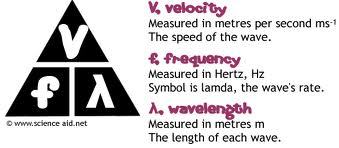
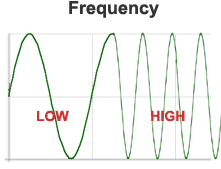
- Frequency= number of waves that pass a point per second
- Waves transfer energy
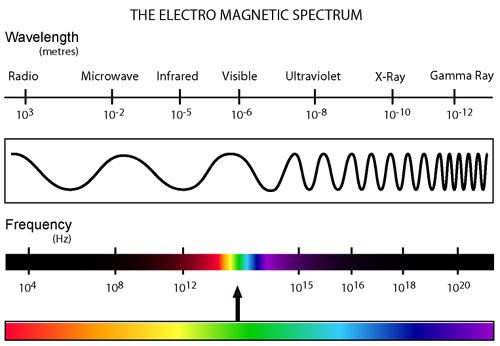
- The EM Spectrum
- Transverse waves
- Travel through vacuum at speed of light
- High frequency=more energy transferred
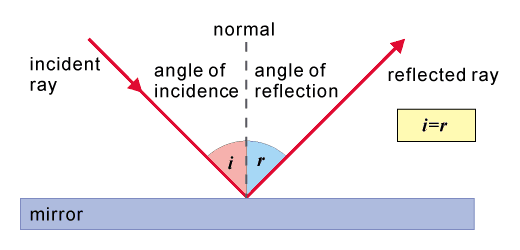
Law of Reflection
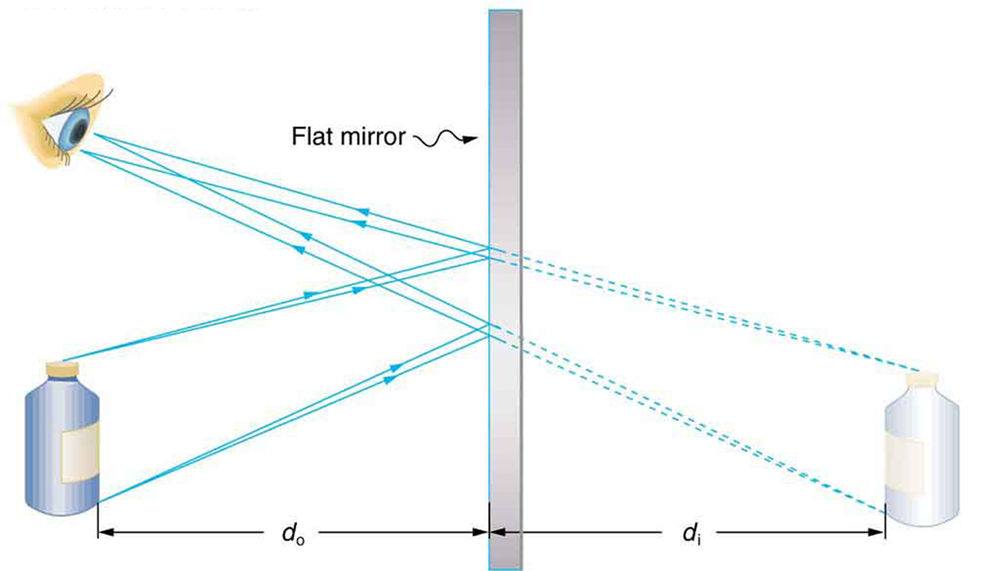
- Images in mirrors
- Virtual
- Upright
- Laterally inverted
- Angle of reflection= Angle of incidence
- Images in mirrors
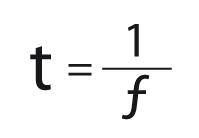
Period of a Wave
- Period= Time (T)
- Frequency= F
- F= 1/T
- T=1/F
- Period= 1/ Frequency
- Frequency= 1/Period
- T=1/F
Refraction
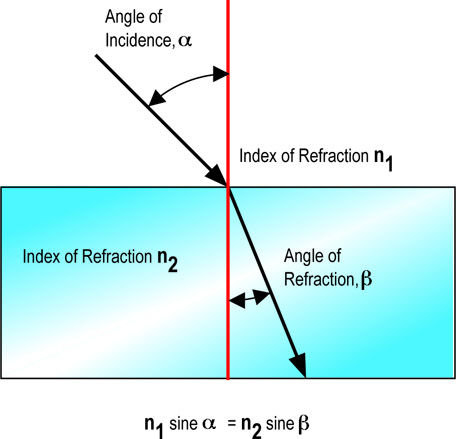
- Refractive Index
- In the equation above, v1 is the speed of light in a vacuum. The bigger the refractive index the slower the light travels in that material - i.e. the smaller v2 is.
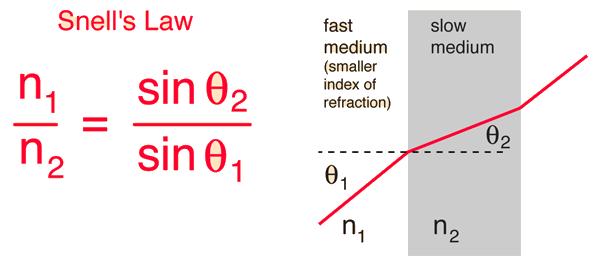
- Refraction is the bending of a wave when it enters a medium where its speed is different. The refraction of light when it passes from a fast medium to a slow medium bends the light ray toward the normal to the boundary between the two media. The amount of bending depends on the index of refraction of the two media and is described quantitatively by Snell's Law.
- Snell's Law
- Refractive Index
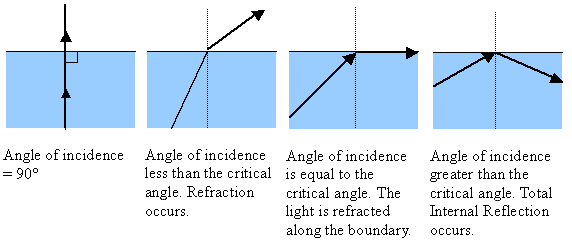
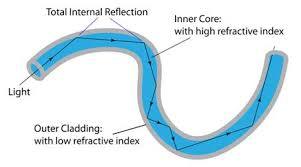
Total Internal Reflection
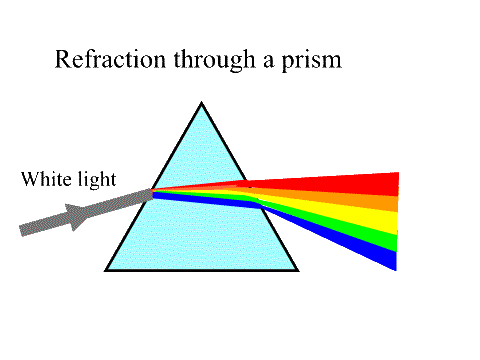
- Dispersion
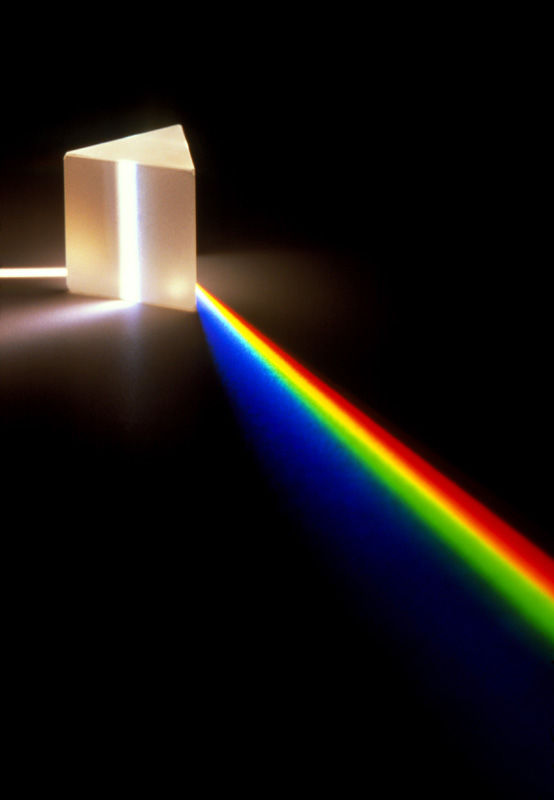
- Light waves can be dispersed by a prism which separates white light into a rainbow because each colour has a different refractive index
- Angle of incidence must be greater than the critical angle
- Used in fibre optics
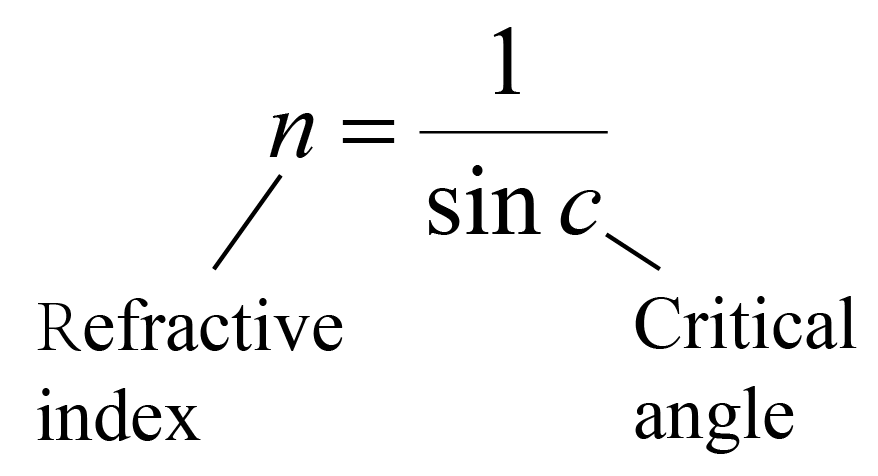
- Swap Sin C and n to work it out the other way round...
- Dispersion
Sound Waves
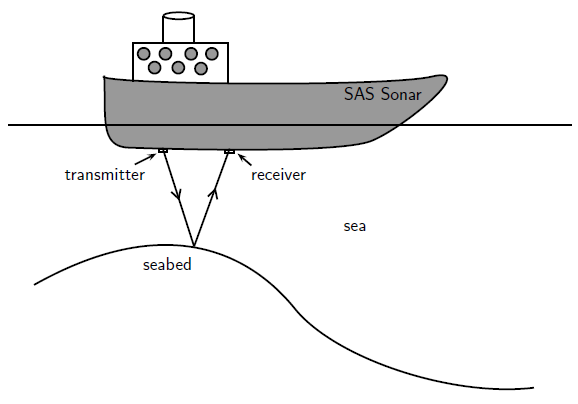
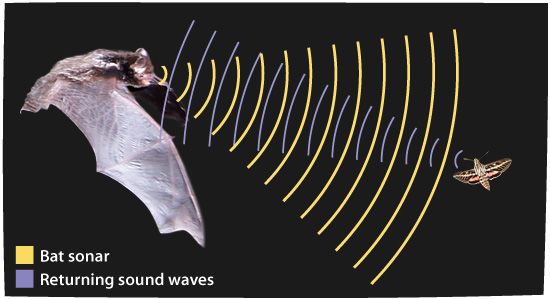
- Reflection of sound
- Sonar
- Bats use sonar to communicate (ultrasound squeaks)
- Diffraction of sound
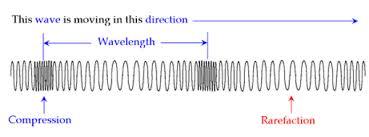
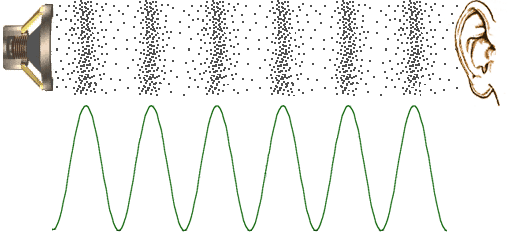
- Longitudinal Waves
- Compressions+Rarefactions
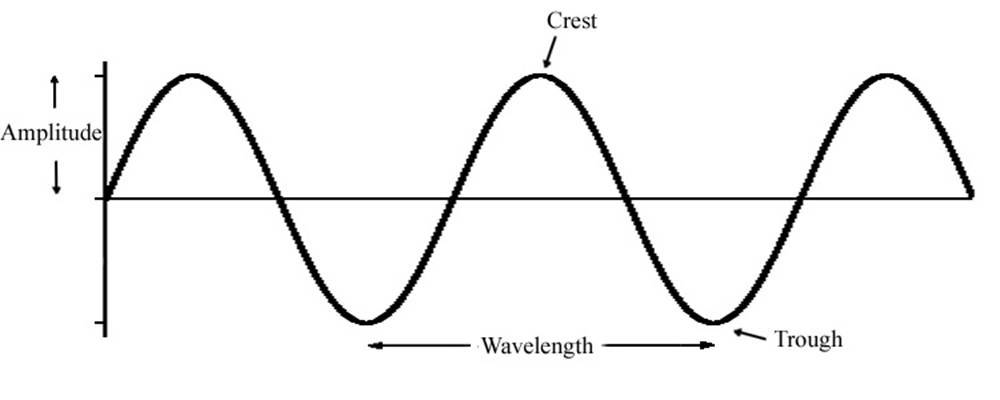
- Increased Volume= Increased Amplitude
- Increased Pitch + Increased Frequency= Shorter Wavelength
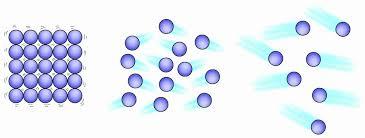
- Travels fasted through a solid
- Tightly packed particles
- Regular arrangement
- Vibrate
- Travels slower through liquid and gas
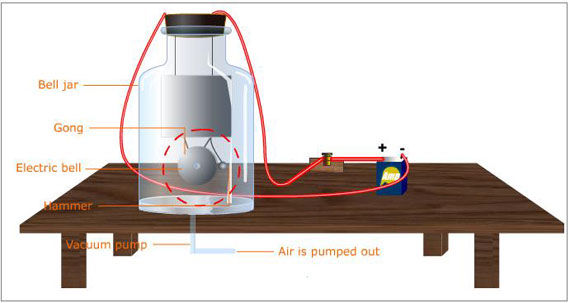
- Cannot travel through vacuum as there's no particles
- The buzzer cannot be heard due to the vacuum
- Communications
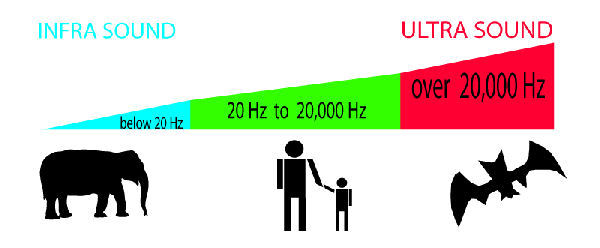
- Human hearing= 20Hz to 20,000Hz (20KHz)
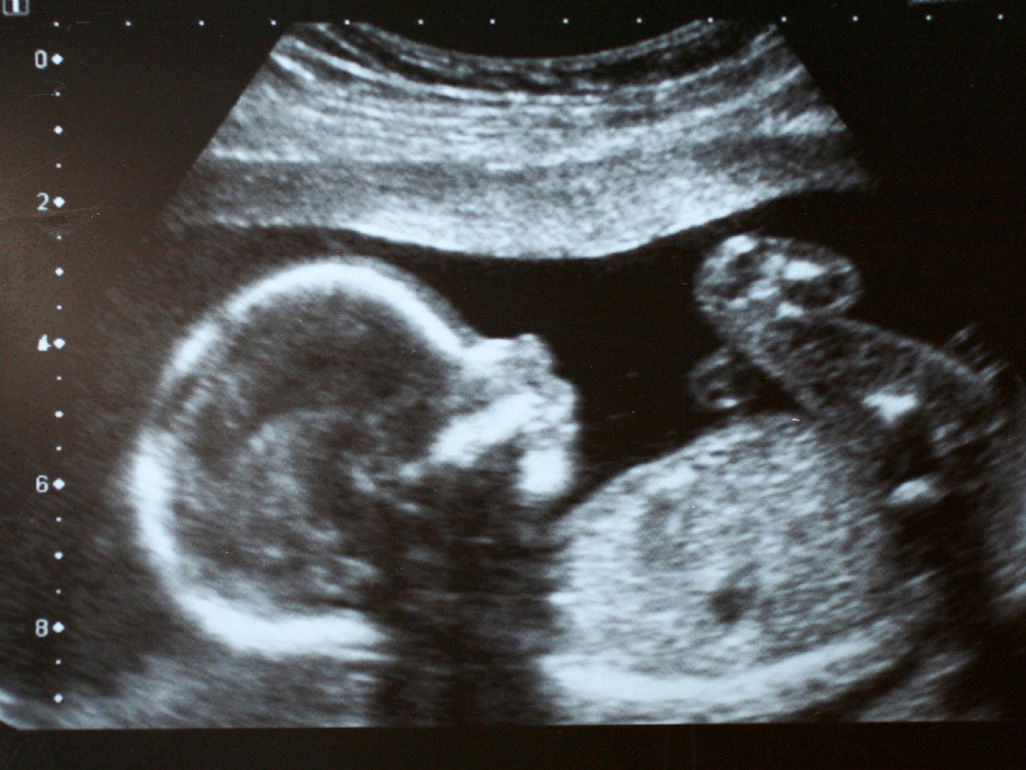
- Above 20KHz= Ultrasound
- Bats
- Baby scans use it because there's no risk of cancer causing ionising rays like x-rays
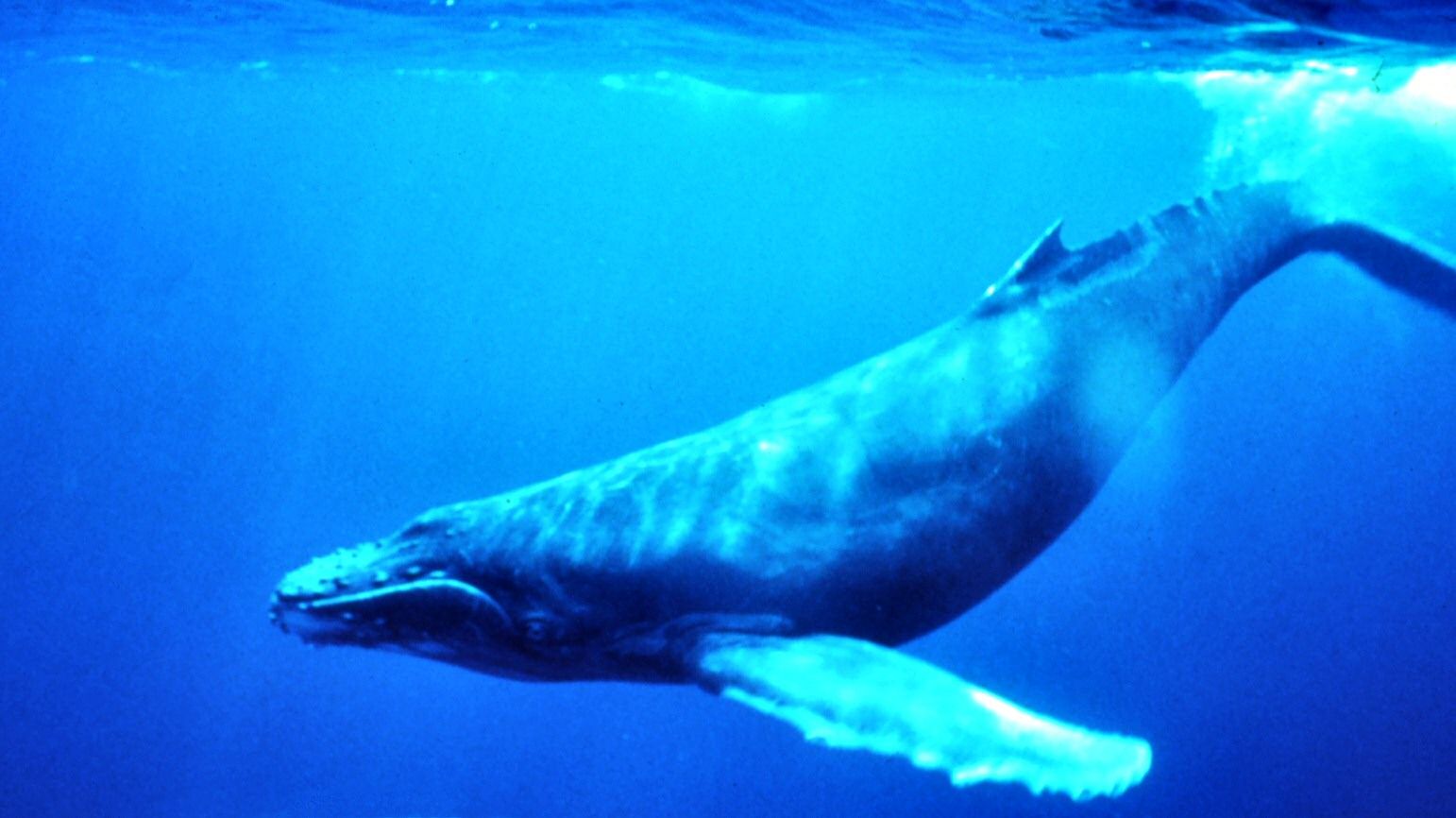
- Below 20Hz= Infrasound
- Whales
- Above 20KHz= Ultrasound
- Human hearing= 20Hz to 20,000Hz (20KHz)
- Reflection of sound
Images and files in the map




Information
- Description
- Cambridge IGCSE Physics (Section 3- Waves) Mind Map on Section 3- Waves (part 2), created by beccalaw7 on 01/11/2014.
- Created by
- beccalaw7
- Views
- 16
- Rating