
16828941
Description

Mind Map by Léopoldine Tairou, updated more than 1 year ago

|
Created by Léopoldine Tairou
almost 7 years ago
|
|
Animal's form and function
- Exchange with the environment
- Different types of exchanges : Gas exchanges,Nutrients and waste,
Heat exchanges
- The amount of substances an animal needs to leave is proportional to the volume of a cell but
the surface area for unit of volume ratio decrease as the cell gets bigger
- Also exchanges between the cells through exchange medium
- Different types of exchanges : Gas exchanges,Nutrients and waste,
Heat exchanges
- What makes an animal ?
- Several levels of organisation (cells, tissues, organs, system, organism)
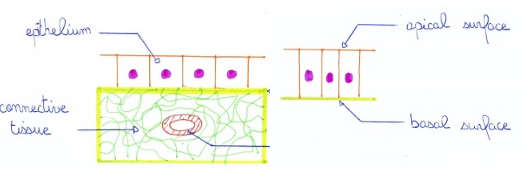
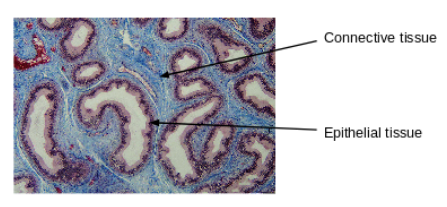
- 4 types of tissues
- Epithelial
- Connective
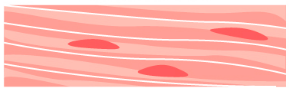
- Muscles
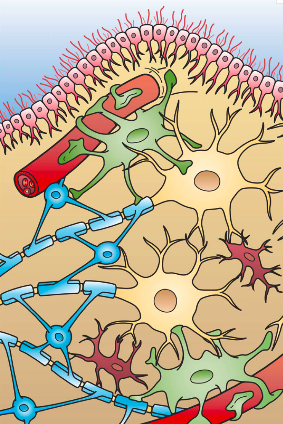
- Nervous
- Epithelial
- Several levels of organisation (cells, tissues, organs, system, organism)
- Regulations
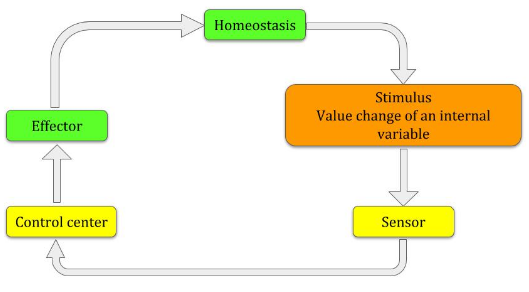
- Homeostasis = dynamic state of equilibrium
- Thermoregulation (=ability to keep the optimal body temperature even when the surrounding
temperature is different)
- Endotherm (use their metabolic heat) ≠ Endotherm (doesn't use metabolic heat)
- Poikilotherm ( the body temperature varies) ≠ Homeotherm(the body temperature is constant)
- 5 wayŝ of adaptationwhich help animal thermoregulation
- Insulation
- Regulation of blood circulation
- Vaporization
- Behavioral reactions
- Adjustment of metabolic heat production
- Insulation
- Endotherm (use their metabolic heat) ≠ Endotherm (doesn't use metabolic heat)
- Homeostasis = dynamic state of equilibrium
- Energy acquisition
- Metabolic rate = quantity of energy used by an animal during a given
time; it’s the sum of all the biochemical reactions associated to energy
expense during this period
- Endotherms → basal metabolic rate (BMR)
- Ectotherm → standard metabolic rate (SMR)
- Link between energy and size, activity
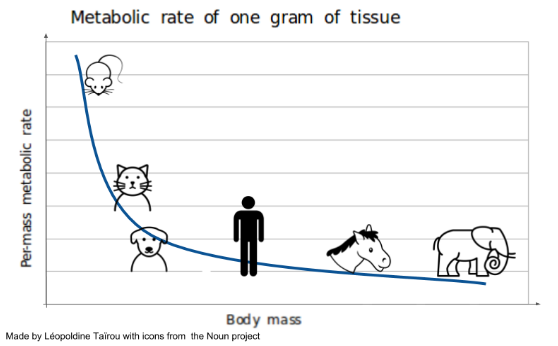
- The smaller the organism's mass is, the higher its
metabolic rate per mass of the body si
- The more active an animal is, the more energy
must be expended to maintain that activity, and the
higher its metabolic rate will be
- The smaller the organism's mass is, the higher its
metabolic rate per mass of the body si
- Torpor = tate of really low metabolism (lower than
the BMR and SMR) and decreased activity that
allows animals to survive in unfavorable
conditions and/or conserve energy
- Metabolic rate = quantity of energy used by an animal during a given
time; it’s the sum of all the biochemical reactions associated to energy
expense during this period
Media attachments
Want to create your own Mind Maps for free with GoConqr? Learn more.