
28757517
Description

Mind Map by Sahar Aburuf, updated more than 1 year ago

|
Created by Sahar Aburuf
about 5 years ago
|
|
SHINGLES
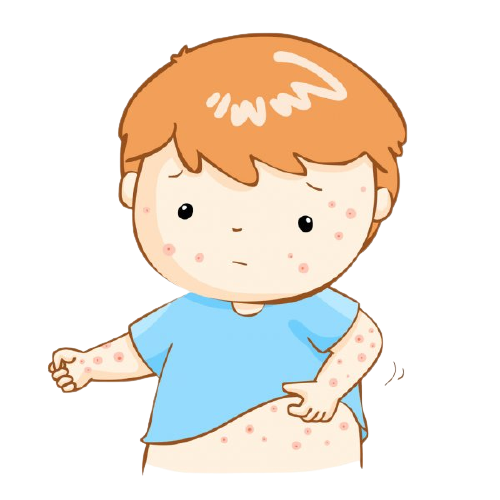
- CHICKENPOX
- VIRUS
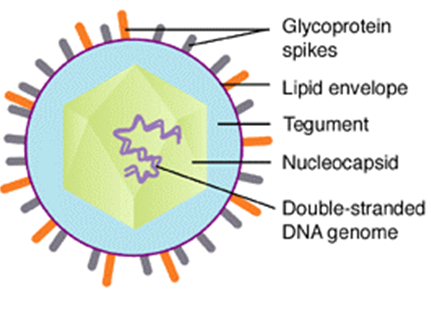
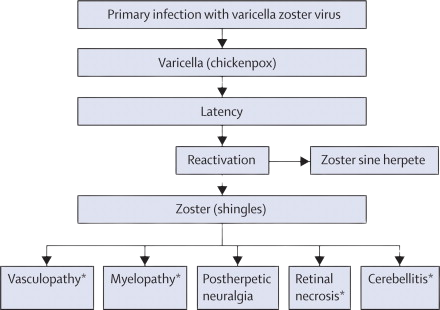
- varicella zoster virus (VZV)
- varicella zoster virus (VZV)
- RELATION TO
SHINGLES
- Herpes zoster virus is VZV that reactivates later
in life to cause shingles.
- Herpes zoster virus is VZV that reactivates later
in life to cause shingles.
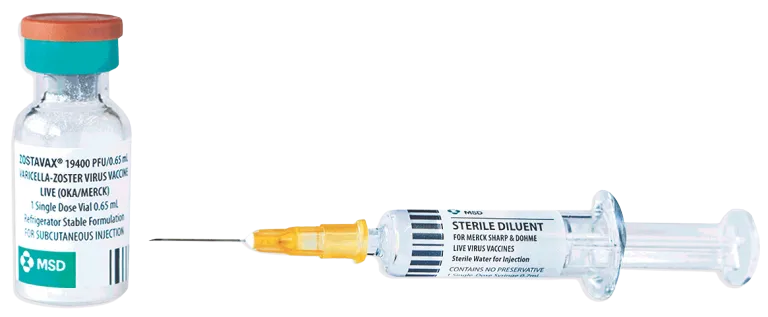
- VACCINE
- live attentuaed varicella virus
- live attentuaed varicella virus
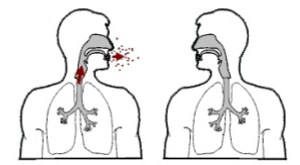
- TRANSMISSION
- from person to person by directly
touching the blisters, saliva or mucus
- The virus can also be
transmitted through the air
by coughing and sneezing.
- from person to person by directly
touching the blisters, saliva or mucus
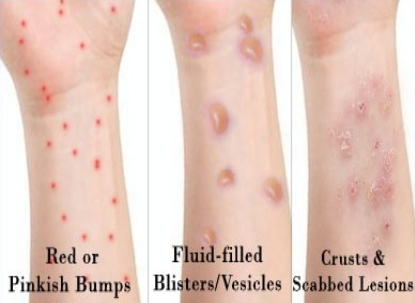
- STAGES
- successive and can be seen together
- successive and can be seen together
- VIRUS
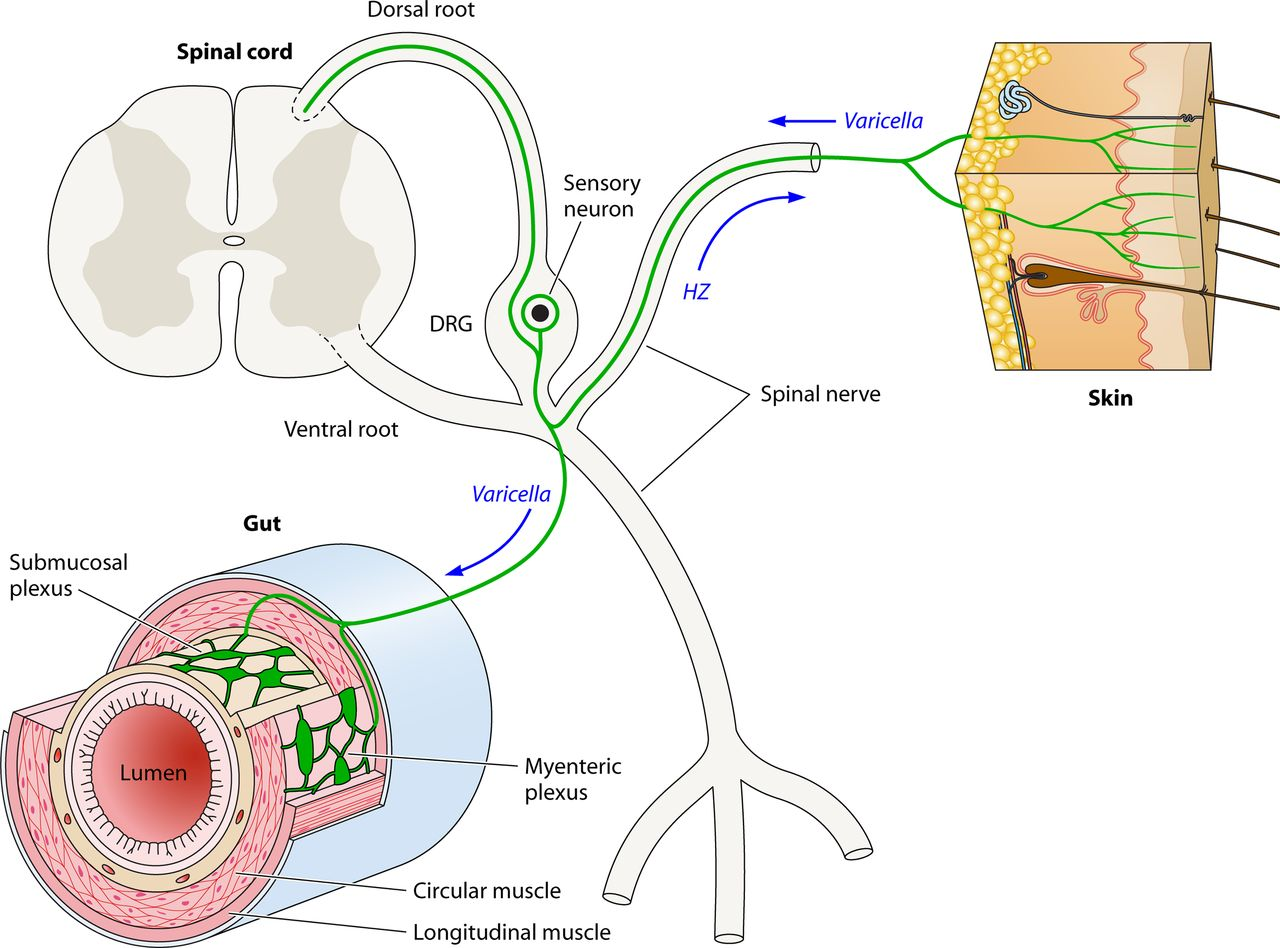
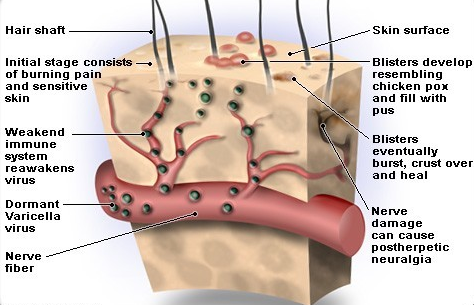
- PATHOGENESIS
- SYMPTOMS
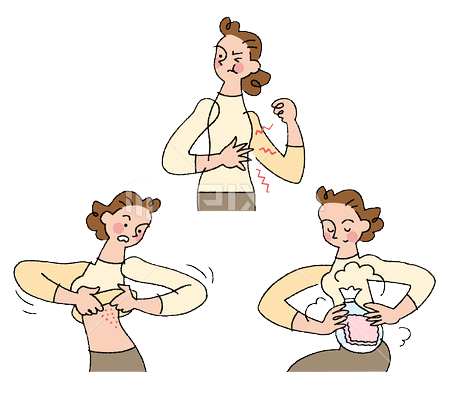
- pain/ burning
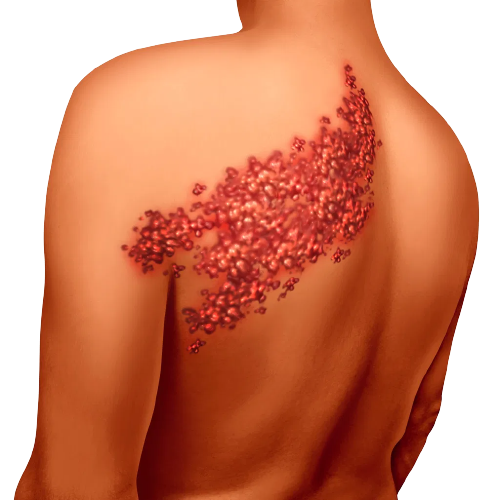
- fluid-filled blisters
- red rash
- sensitivity to touch
- itching
- unilateral,
doesn't cross
midline usually
- pain/ burning
- RISK FACTORS
- age >50 y.o.
- diseases that weaken
immune system, e.g.
cancer, aids
- undergoing radio
or chemotherapy
- certain
medication use,
e.g. prednisone
- age >50 y.o.
- COMPLICATIONS
- vision loss
- skin infections
- neurological problems
- POSTHERPETIC
NEURALGIA
- severe pain that continues for more than 1 to 3
months in the same place that the shingles occurred,
even after the rash goes away. 8-70% of cases
- severe pain that continues for more than 1 to 3
months in the same place that the shingles occurred,
even after the rash goes away. 8-70% of cases
- vision loss
- TREATMENT
- PAIN
MANAGEMENT
- narcotics, e.g. codeine
- numbing agents, such as lidocaine, delivered via
a cream, gel, spray or skin patch
- capsaicin topical patch (qutenza)
- an injection including corticosteroids and
local anesthetics
- narcotics, e.g. codeine
- PREVENTION
- SINGLES VACCINE: for people aged 60 or over, or 50
or over for people living with someone who is
immunocompromised.
- SINGLES VACCINE: for people aged 60 or over, or 50
or over for people living with someone who is
immunocompromised.
- ANTIVIIRALS: -
acyclovir, valacyclovir,
and famciclovir
- PAIN
MANAGEMENT
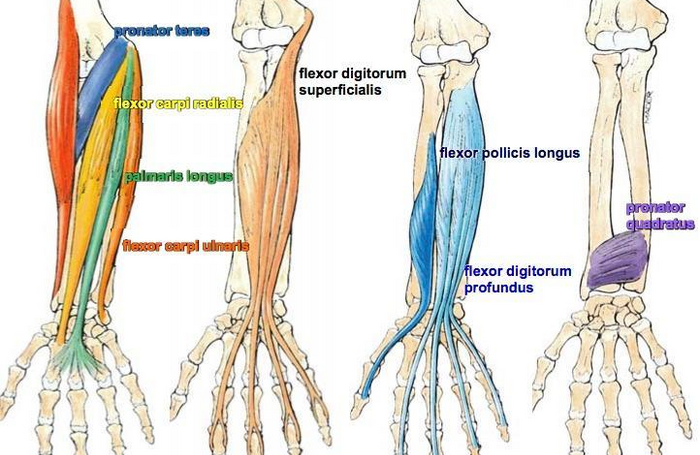
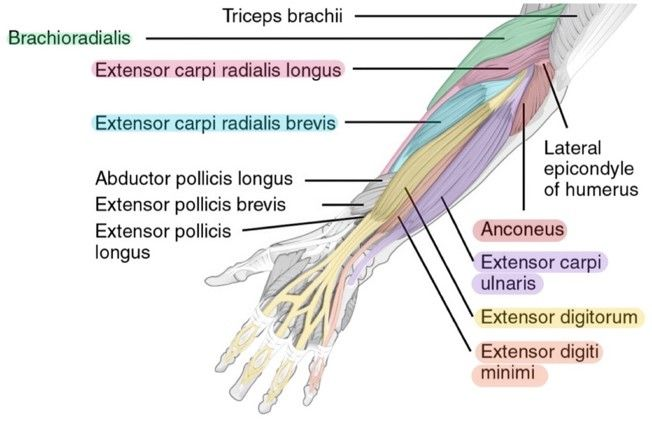
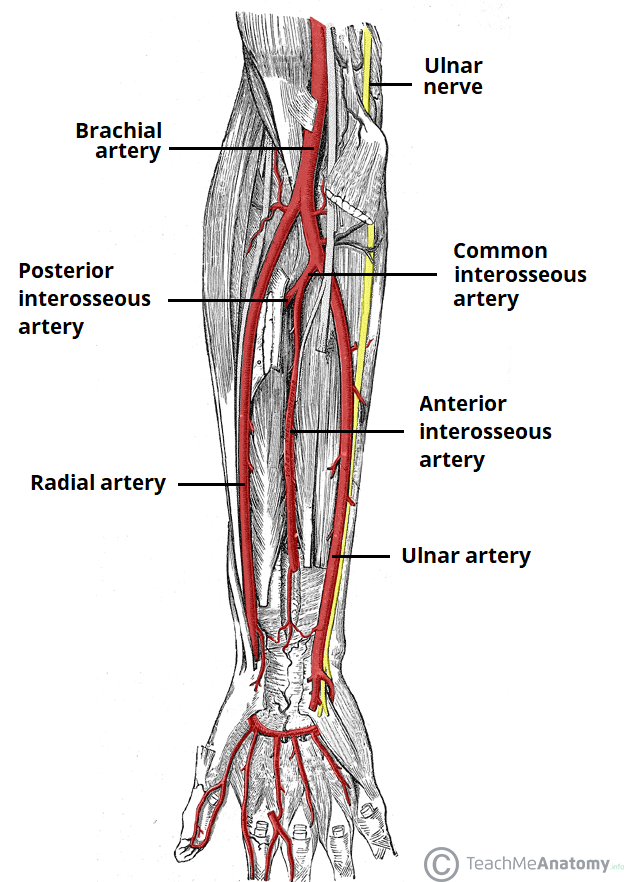
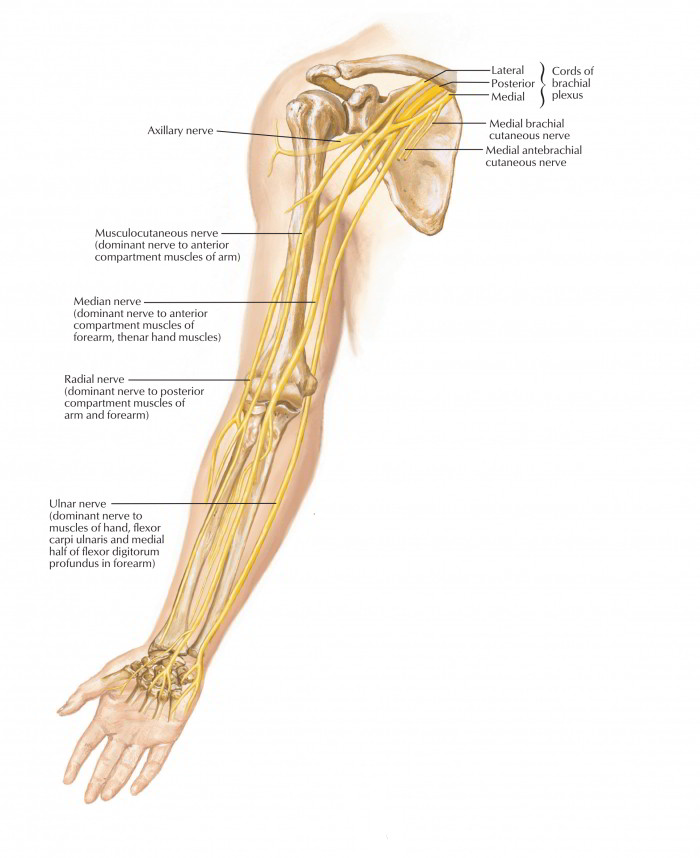
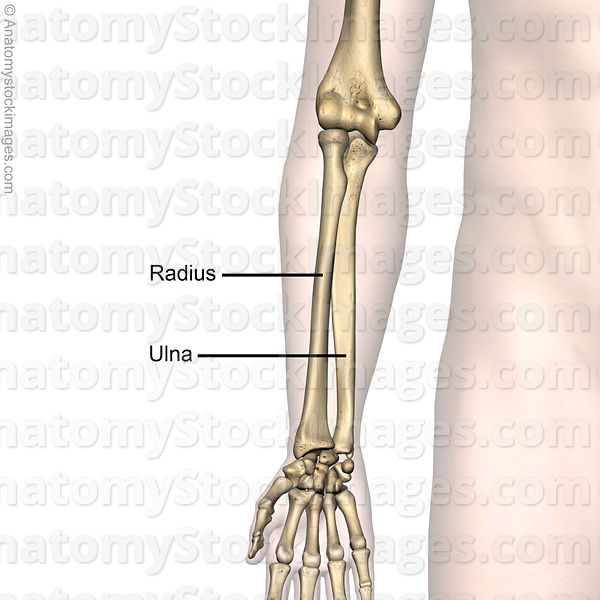
- ANATOMY OF LEILA'S
FOREARM
- POSTERIOR
COMPARTMENT
- ANTERIOR COMPARTMENT
- BLOOD SUPPLY
- NERVE SUPPLY
- POSTERIOR
COMPARTMENT
- DIAGNOSIS
- History of pain + telltale rash
and blisters
- LABORATORY
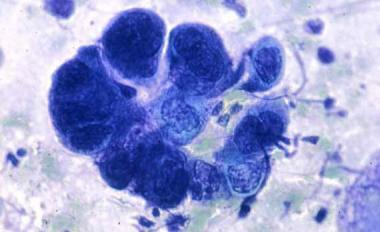
- Tzanck smear: showing
multinucleated giant cells
- FAMA:
Fluorescent
antibody to
membrane
antigen
- tissue scrapping/
culture of blisters
- Tzanck smear: showing
multinucleated giant cells
- History of pain + telltale rash
and blisters
- OTHER PNS
INFECTIONS
- BACTERIA
- LEPROSY
- Also known as Hansen's disease is a curable infection
caused by slow-growing bacteria called Mycobacterium
leprae. It can affect the nerves, skin, eyes, and lining of
the nose (nasal mucosa)
- Also known as Hansen's disease is a curable infection
caused by slow-growing bacteria called Mycobacterium
leprae. It can affect the nerves, skin, eyes, and lining of
the nose (nasal mucosa)
- LEPROSY
- VIRUS
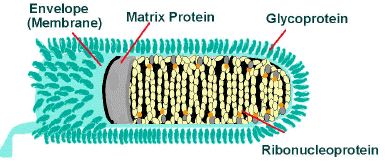
- RABIES
- A preventable viral disease most often transmitted through the bite of a
rabid animal. The rabies virus infects the central nervous system of
mammals, ultimately causing disease in the brain and death.
- A preventable viral disease most often transmitted through the bite of a
rabid animal. The rabies virus infects the central nervous system of
mammals, ultimately causing disease in the brain and death.
- RABIES
- BACTERIA
Media attachments



Want to create your own Mind Maps for free with GoConqr? Learn more.