
38111227


Blurred vision
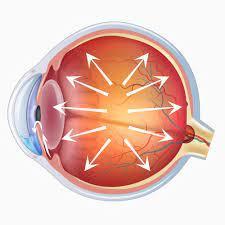
- Glaucoma
- Pathophysiology
- Due to increased production of
intraocular fluid or blockage of the
draining system
- Due to increased production of
intraocular fluid or blockage of the
draining system
- Management
- Increase fluid drainage
- Parasympathomimitic
- Parasympathomimitic
- Decrease fluid production
- B Blockers
- a 2 Agonists
- CA inhibitors
- B Blockers
- Increase fluid drainage
- Types
- Open-angle
- The lens is pushing
against the iris , happen
suddenly with eye pain &
quickly optic N. damage
- The lens is pushing
against the iris , happen
suddenly with eye pain &
quickly optic N. damage
- Closed-angle
- Gradual increase in ICP >21mmHg with no acute
symptoms and gradual optic nerve damage
- Gradual increase in ICP >21mmHg with no acute
symptoms and gradual optic nerve damage
- Open-angle
- Clinical features of glaucoma.
- cranial nerve
examination
- Unilateral blurred vision
- Photophobia
- Diaphoresis
- Red eyes
- Unilateral blurred vision
- ophthalmoscopy
- spots in the eye that look like
tiny rods or chains of
transparent bubbles floating
around in the field of vision.
- spots in the eye that look like
tiny rods or chains of
transparent bubbles floating
around in the field of vision.
- cranial nerve
examination
- Complications
- Risk of fall & accidents:
- Chronic eye pain
- Vision loss
- Photophobia
- Risk of fall & accidents:
- Pathophysiology
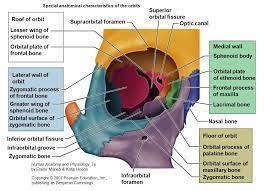
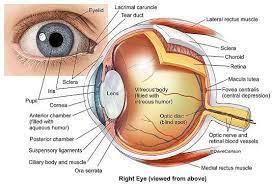
- anatomy of the eye
- The orbit
- The eye ball
- The orbit
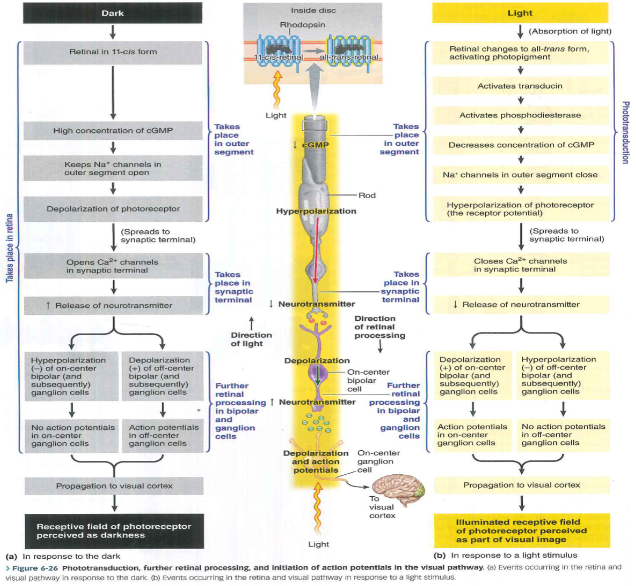
- Physiology
- Physiology of Vision
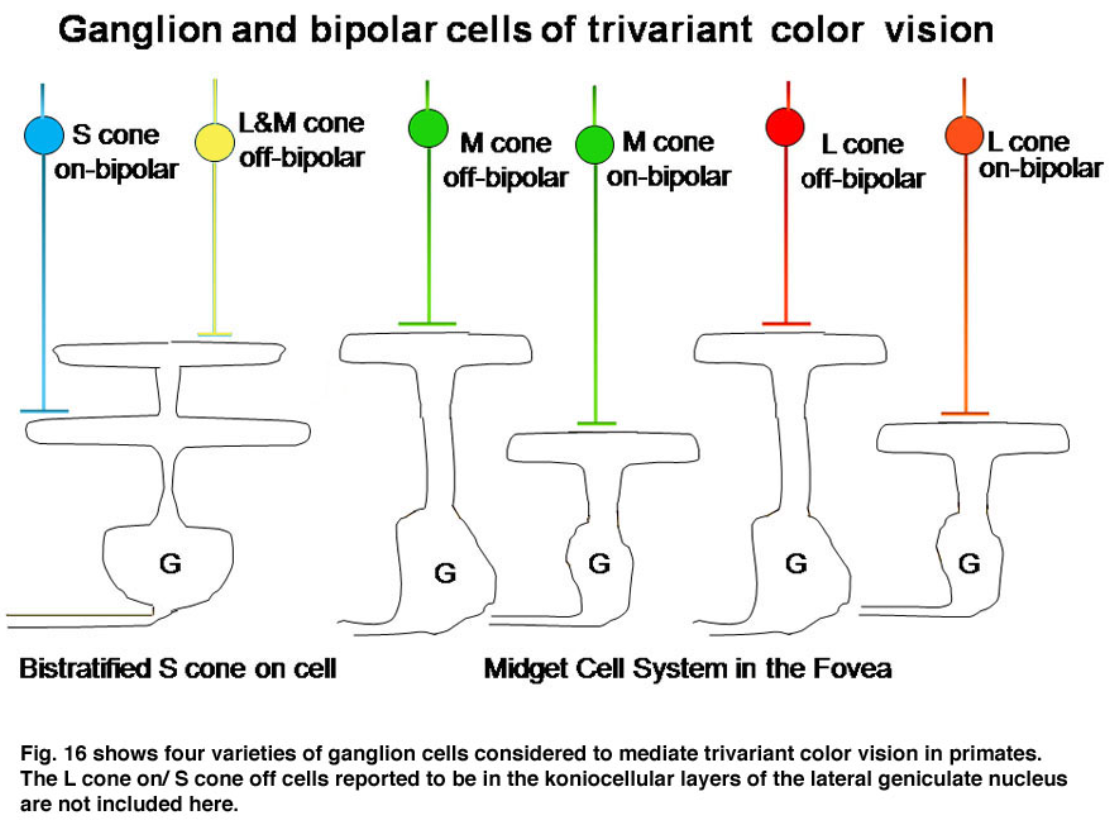
- Physiology of Color Vision
- Physiology of Vision
- Investigations
- Ophthalmoscope
- Red reflex
- Examining the optic
disc and the macula
- Red reflex
- Fundoscopy
- Tonometry
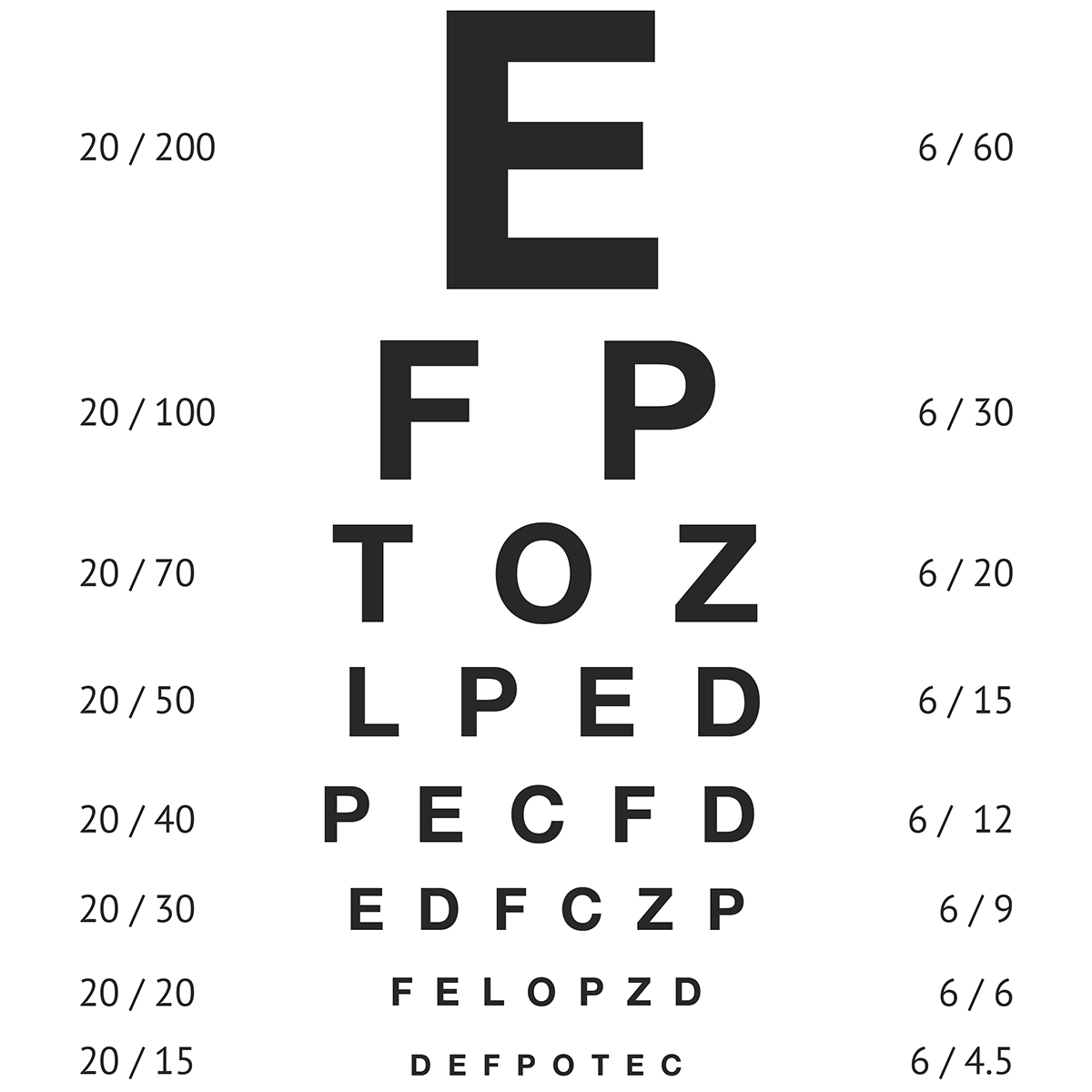
- Visual acuity
- Colored vision test
- Refraction assessment
- Ophthalmoscope
- Differential Diagnosis
- Refractory Errors
- Brain mass
- Pituitary mass
- Catarct
- Eye infection
- Refractory Errors
Media attachments
Want to create your own Mind Maps for free with GoConqr? Learn more.