
Mind map
Authentic Assessments - Module 2

Map content
Authentic Assessments - Module 2
Authentic Assessments
- Perform Tasks
- Real Life
- Construction/Application
- Application: Authentic Assessments are created with the end in mind. In Authentic Assessments, the assessment drives the curriculum.
Why use Authentic Assessments
- Not just showing what you know but showing you can use what you have learned
- Direct Demonstration of Knowledge and Understanding
- A process to apply what you have learned
- Allows multiple opportunities to show what you know and how to get the "right" answer
- Not just one right answer
- Application: Allowing our students to show what they know is powerful for both the student and the educator. This gives the students real life application of using the knowledge they have been taught.
Traditional Assessments
- Multiple Choice
- Fill-in Blanks
- True/False
- Matching
- Application: Traditional Assessments are created to select an answer or recall information to answer questions. In Traditional Assessments, the curriculum drives the assessment.
- Traditional Assessments and Authentic Assessments work really well when both used appropriately. There are times for both types of assessments and we have to judge appropriately.
Assessing our English Language Learners
- Initial Assessments
- Home Language Surveys
- WAPT
- ACCESS
- Application: We have to determine who our ELLs are and the appropriate supports needed for our them to be successful
- On-Going Assessments
- Assess all 4 language domins
- Reading
- Writing
- Speaking
- Listening
- The Assessments should be:
- Comprehensible
- Planned
- Informative
- Tailored
- Authentic
- Assess all 4 language domins
- High-Stakes Testing
- Measures "AYP"
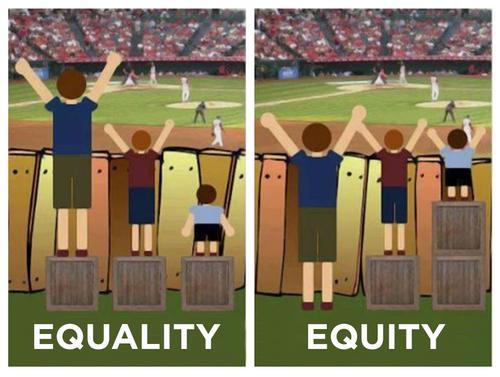
- Accommodations should be used in order to make testing equitable for our students
- Application: Assessments are crucial to our instruction for our ELL students. We have to make sure we continually measure the progress the students are making in order to best serve our students
- Initial Assessments
Using Informal, Authentic Assessments with Diverse Learners
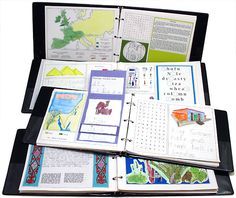
- Portfolio
- A great way to measure student performance over the course of the year. You keep work samples and other pieces of information to show what the student has learned.
- Performance Based
- Measure what is going on in the classroom
- Can be written or oral responses typically
- Measure what is going on in the classroom
- Assessing Content Knowledge
- Assess what the student has learned
- Application: Authentic Assessments are wonderful to measure the progress all of our students are making, but especially our diverse learners. Authentic assessments will provide opportunities for our students to be successful in multiple ways, not just reading and writing. Also, portfolios are a great informal assessment for measuring the progress our students are making. Informal and Foraml assessments are crucial to guiding our instruction.
- Portfolio
How to Create Authentic Assessments
- 1. Identify the Standards
- Common Core
- WIDA
- TESOL
- 2. Select an Authentic Task
- Find a way the students can show they have met the standards
- Students construct their own responses and is relevant to the real world
- 3. Identify the Criteria for the Task
- What good performance on the task looks like
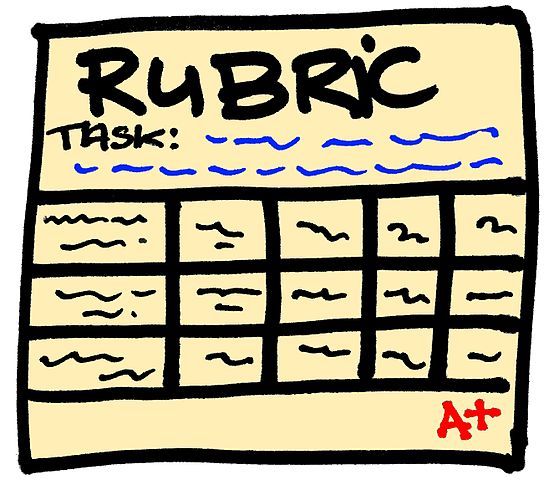
- 4. Create the Rubric
- Measures student performance on the task
- Application: Design Authentic Assessments to test and measure your students knowledge and understanding of the curriculum. It's very important to follow the steps in the correct order to make sure the standards remain the main focus for the task.
- 1. Identify the Standards
Images and files in the map


Information
- Description
- This is a Mind Map to discuss Authentic Assessments and the importance of using authentic assessments with diverse learners
- Created by
- Krisi Handley
- Views
- 64
- Tags
- Rating