
Quiz
Grafisk kommunikation
Este quiz tem tipos de pergunta que abrem no player de sempre.
Perguntas do quiz (28)
1What is Information Architecture (IA)?
- ABuilding
- BWebsite
- CClassroom
- DTeams in a conpany
2Anyone who is good at Information architecture (IA) is bad at User experience (UX) and Information Design (ID)
- AVerdadeiro
- BFalso
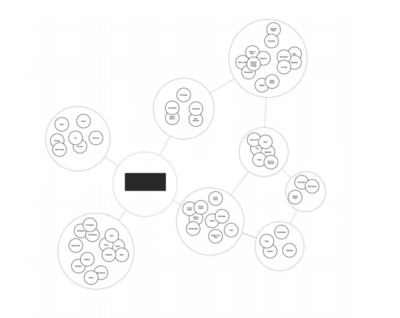
3Is this IA?
- AVerdadeiro
- BFalso
4There are 10 Heuristic IA Principels, name them.

- AFindable
- BAccessible
- CClear
- DCommunicative
- EUseful
- FCredible
- GControllable
- HValuable
- ILearnable
- JDelightful
- KFlagship
- LArtifact
- MClassic
- NCall
- OUnder
- PCheck
- QCreative
- RView
- SLecture
- TDay
5Describe the Principles

- AAble to be located.
- BEasily Approached and/or Entered
- CEasily Perceptible
- DTalkative, Informing, Timely
- ECapable of producing an intended result
- FWorthy of confidence, reliable
- GAble to adjust to a requirement
- HOf great use, service and importance
- ITo fix in the mind, in the memory
- JGreatly pleasing
6Name the parts of IA

- AOntology
- BTaxonomy
- CChoreography
7Describe: Ontology
- AThe act of choosing the language to be used or not used within a specific context.
- BOrganizing things isn’t the hard part.
Agreeing is the hard part. - CWithout constraint users will move where and when they want.
8Ontology: Name the relations
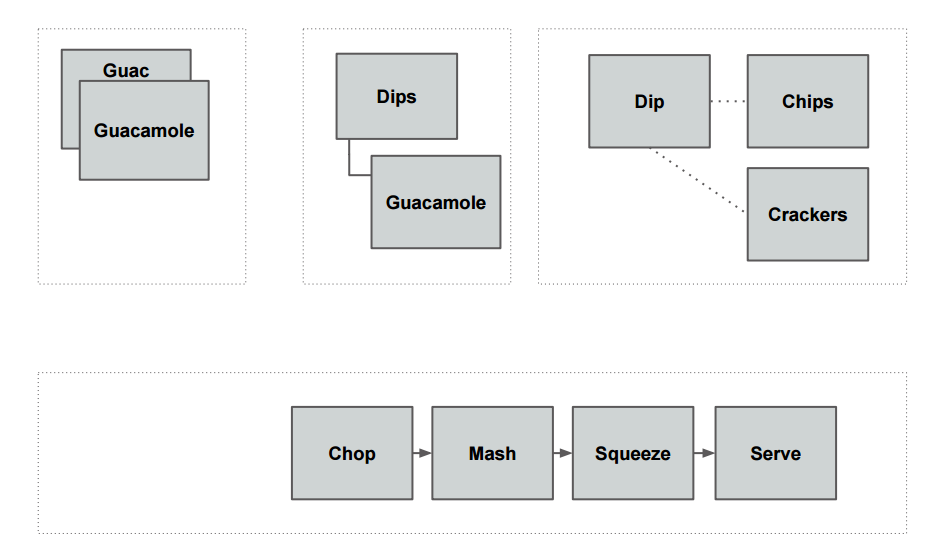
- AEquivalence
- BHierarchical
- CAssociative
- DSequence
- ETime
- FMap
9Describe: Taxonomy
- Athe act of choosing the language to be used or not used within a specific context.
- BOrganizing things isn’t the hard part.
Agreeing is the hard part. - CWithout constraint users will move where and when they want.
10Taxonomy: There is five ways to organize anything
- ALocation
- BAlphabetical
- CTime
- DCategory
- EHierarchy
- FGeneral
- GAmount
11Describe: Choreography
- Athe act of choosing the language to be used or not used within a specific context
- BOrganizing things isn’t the hard part.
Agreeing is the hard part. - CWithout constraint users will move where
and when they want.
12Choreography: Describe Context
- Athe circumstances that form the
setting for an interaction - BA medium for communication or
the passage of information
- Athe circumstances that form the
13Choreography: Describe Channel
- Athe circumstances that form the
setting for an interaction - BA medium for communication or
the passage of information
- Athe circumstances that form the
14User will notice well-made IA
- AVerdadeiro
- BFalso
15You can controll users with IA.
- AVerdadeiro
- BFalso
16Organization systems; [blank_start]How we categorize information[blank_end]
Labeling systems; [blank_start]How we represent information[blank_end]
Navigation systems; [blank_start]How we move through information[blank_end]
Searching systems; [blank_start]How we search information[blank_end]- AHow we categorize information
- BHow we represent information
- CHow we move through information
- DHow we search information
- EHow we find information
17Name the Coherence

- AProximity
- BSeparation
- CEnclosure
- DSequence
- ENesting
- FImmersion
18Name the Coherence

- AProximity
- BSeparation
- CEnclosure
- DSequence
- ENesting
- FImmersion
19Name the coherence

- AProximity
- BSeparation
- CEnclosure
- DSequence
- ENesting
- FImmersion
20Name the coherence

- AProximity
- BSeparation
- CEnclosure
- DSequence
- ENesting
- FImmersion
21Name the coherence

- ANesting
- BProximity
- CSeparation
- DEnclosure
- ESequence
- FImmersion
22I what order is the general user research phase ?
- A1.Preliminary definition of what primary user groups are relevant. Goals, roles, demographics, expertise, are all good initial attributes you can use to define user groups.
2.Then requires a choice in terms of methodologies for investigating said groups. Common user research methodologies are interviews, surveys, focus groups, heuristic evaluation and shadowing.
3.You perform user research
4.Analyze Your results.
5.Turn them into design specifications you can move forward to help you shape your goals and process. - B1.Preliminary definition of what primary user groups are relevant. Goals, roles, demographics, expertise, are all good initial attributes you can use to define user groups.
2.You perform user research
3.Analyze Your results.
4.Then requires a choice in terms of methodologies for investigating said groups. Common user research methodologies are interviews, surveys, focus groups, heuristic evaluation and shadowing.
5.Turn them into design specifications you can move forward to help you shape your goals and process. - C1.You perform user research
2.Analyze Your results.
3.Turn them into design specifications you can move forward to help you shape your goals and process.
4.Preliminary definition of what primary user groups are relevant. Goals, roles, demographics, expertise, are all good initial attributes you can use to define user groups.
5.Then requires a choice in terms of methodologies for investigating said groups. Common user research methodologies are interviews, surveys, focus groups, heuristic evaluation and shadowing.
- A1.Preliminary definition of what primary user groups are relevant. Goals, roles, demographics, expertise, are all good initial attributes you can use to define user groups.
23There is two types of requirements when you are working with user research.
[blank_start]Functional[blank_end]; requirements capture what the product should do.
[blank_start]Non-functional[blank_end]; defines and sets constraints on what the user can't do.- AFunctional
- BNon-functional
24Data is described as; what do you need and how it looks like.
- AVerdadeiro
- BFalso
25Describe the 4 Context environment.
Physical environment; [blank_start]think of an atm[blank_end]
Social environment; [blank_start]think of sharing data[blank_end]
Organizational environment; [blank_start]think of user support[blank_end]
Technical environment; [blank_start]think of formats, api[blank_end]- Athink of an atm
- Bthink of sharing data
- Cthink of user support
- Dthink of formats, api
26Having to many products from witch to choose from will trigger Cognitive stress.
- AVerdadeiro
- BFalso
27Explain the Theorys
[blank_start]STOCKHOLDER[blank_end]; Advance capital to companies to act as agents in furthering their goals.
[blank_start]STAKEHOLDER[blank_end]; Companies are entrusted with a responsibility that extends to all those who hold a stake in the firm.
[blank_start]SOCIAL CONTRACT[blank_end]; Society allows companies to exist in exchange for more value created to society.- ASTOCKHOLDER
- BSTAKEHOLDER
- CSOCIAL CONTRACT
28Richard mason identified four primary elements, name them:
[blank_start]Privacy[blank_end]; refers to the right to be left alone. What is that piece of information you have to share being used for?
[blank_start]Accuracy[blank_end], which brings in responsibility. Who is responsible for the reliability of information?
[blank_start]Property[blank_end]; who owns it? Who owns the channel of distribution for said information?
[blank_start]Accessibility[blank_end]; what information does a person or organization have a right to access?- APrivacy
- BAccuracy
- CProperty
- DAccessibility
Informações
- Descrição
- Tenta för DG14
- Autor
- Pierre Norrbrink
- Idioma
- English
- Visualizações
- 240
- Etiquetas
- Avaliação
- Ainda sem avaliações Avalie este quiz