
Flashcards
Module 3.3: Circulation
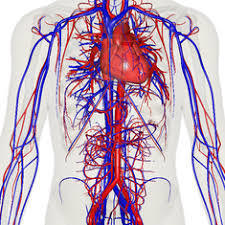
Flashcards do conjunto (31)
- 1Module 3.3: CirculationBy: Sabaa Khan 8B
- 2What is the circulatory system?The system that carries materials around the body; it consists of a heart, blood vessels and blood
- 3What does the circulatory system do?- Carries nutrients and oxygen to the cells so that respiration can happen
-Removes carbon dioxide from the cells, taking it to the lungs where it is exhaled
-Transports other waste products to where they can be disposed of
-Distributes heat around the body. - 4Describe the heart, blood vessels, and blood jobs.The heart is the engine room of the circulatory system. It pumps continuously to keep the blood moving through the blood vessels. The blood vessels are the motorways, main roads, and side streets along which the blood flows.
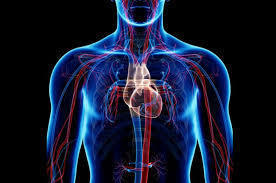
- 5What are the three types of blood vessels in your body?1. Arteries
2. Capillaries
3. Veins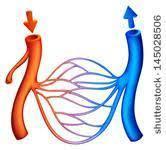
- 6Define ArteriesCarries blood away from the heart
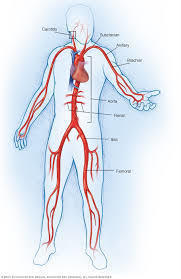
- 7What is your pulse?The regular expansion and contraction of arteries in response to the heartbeat.
- 8Define CapillariesThe narrowest type of blood vessel; capillaries reach nearly every cell of the body
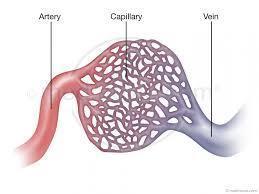
- 9How thick is a capillary wall?One cell.
- 10What are veins?Carries blood back to the heart
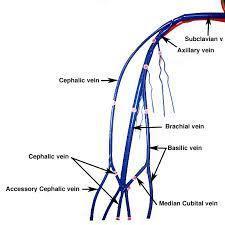
- 11What is a thrombus?A blood clot
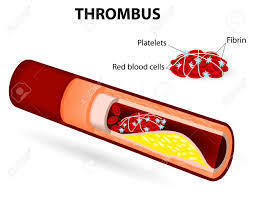
- 12What happens when you get a bruise?A bruise happens when you bump yourself so hard that tiny capillaries near the skin burst and leak out blood into the surrounding tissue. Immediately after the injury, a red mark appears where the blood leaked. Slowly the bruise turns purple and then fades to yellow as the blood breaks down and clears from the body.
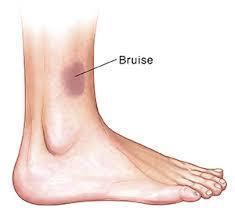
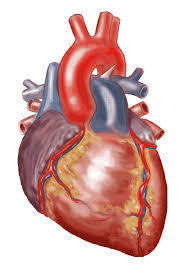
- 13Approximately, how big is your heart?About the size of your fist
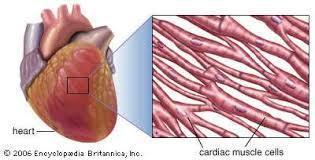
- 14What muscle is your heart made of?Cardiac Muscles
- 15Why is the circulatory system referred to as a double system?This is because there are two separate circuits through which blood flows.
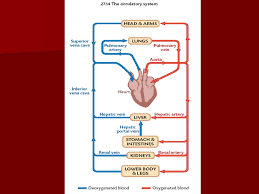
- 16What happens in the first circuit?Blood flows from the heart to the body (head, trunk, legs, and arms) and back to the heart. This circuit carries nutrients and oxygen to the cells and carbon dioxide and wastes away from the cells.
- 17What happens in the second circuit?Blood flows from the heart to the lungs and back again. The blood arrives at the lungs is known as deoxygenated blood. This is blood that carries very little oxygen in it but lots of waste carbon dioxide is expelled and replaced by oxygen.
- 18Label the diagram
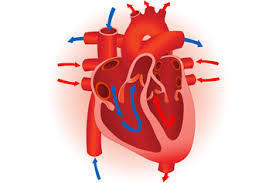
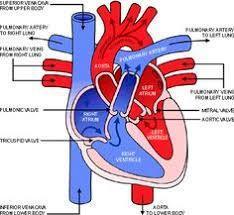
- 19List the three main phases of a heartbeat1. The 2 atria contract, pushing blood down into the ventricles
2. The ventricles contract, forcing blood out of the heart to the body and lungs.
3. The heart muscle relaxes and the atria fills with blood - 20What is an ECG?An electronic recording of a heartbeat. Peaks show which parts of the heart are contracting
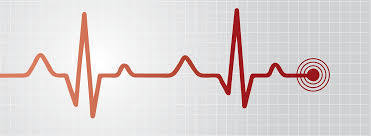
- 21What is plaque?A mixture of cholesterol, calcium, and fibrin that can build up on the inside of arteries and reduces blood flow to the heart.
- 22What is angina?Severe chest pain caused by lack of oxygen being supplied to the heart muscle
- 23What is cholesterol?A fatty substance that moves to the inflamed area to protect it.
- 24True or False: Blood is an organ and is the only organ of the body that exists as a liquidTRUE!!!!!!!!!!!!!!!!!!
- 25How many liters of blood does an average human have?5 Liters
- 26What does blood consist of?Red blood cells, white blood cells, plasma and platelets
- 27Define red blood cellsCells that carry oxygen from the lungs around the body; contains haemoglobin
- 28What is haemoglobin?The pigment that gives red blood cells their colour
- 29Define platelets.Broken-up bits of cells produced in the bone marrow; helps blood clot.
- 30What is plasma?Clear yellowish liquid that is 90% water.
- 31This is a long chapterAnd I am a dead human being.

Informações
- Descrição
- FlashCards sobre Module 3.3: Circulation, criado por Sabaa Khan em 23-03-2019.
- Criado por
- Sabaa Khan
- Visualizações
- 24
- Avaliação