
Flashcards
Strategic Management
Flashcards do conjunto (54)
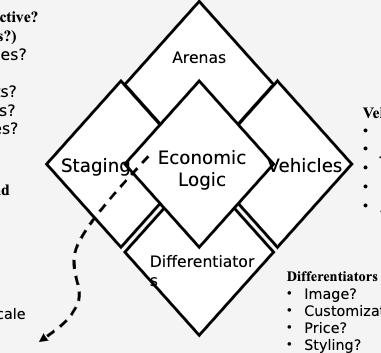
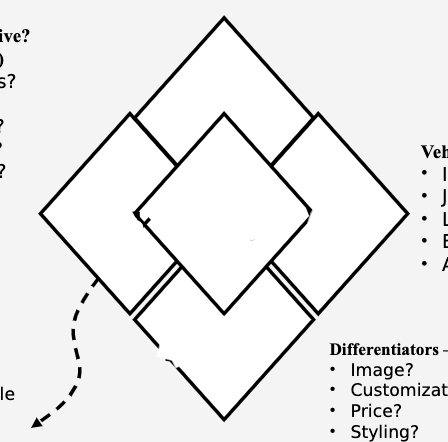
- 15 Diamond
- 2Framingthe way an issue is posed; how an issue is framed can significantly affect decisions and judgments.
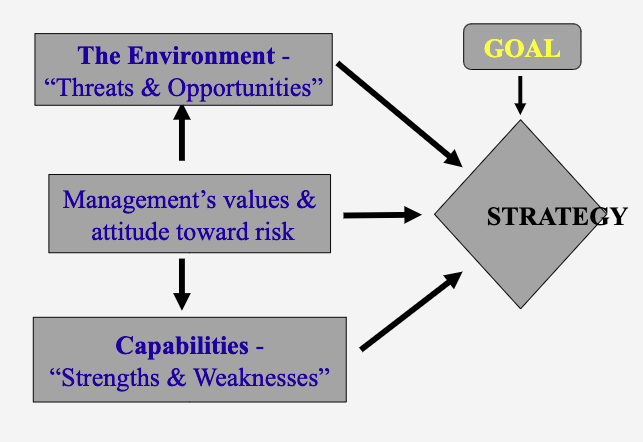
- 3Conceptual Overview of Strategic Decisions
- 4Competitive Advantage Definitionthe reason a customer chooses to transact with and pay a profitable price to a particular firm
- 5Competitive Advantage is...- episodic & specific
- identified & evidenced through customer action
- directly related to value creation, value appropriation, and performance - 6Corporate vs. Business StrategyIn which businesses will we compete vs. how do we compete in this market?
- 7Internal Aspect of Competitive Advantage"resource view"; (firms are heterogenous)
- 8External Aspect of Competitive Advantage"positional view"; (firms competitive advantage & subsequent performance are due to industry attractiveness)
- 9Consider whether a firm's resources are... (VRIN)Valuable, Rare, Inimitable, Non-substitutable
- 10Performance MeasurementsValue, profitability
- 115 Traps of Performance Measurementmeasuring against yourself, looking backward, putting your faith in numbers, gaming your metrics, sticking to your numbers too long
- 12Profitability (as a measure)absolute and relative measurements, occurs continuously but reported discretely, backwards looking
- 13Altman's Zlikelihood of insolvency. higher numbers indicate stronger performance. (< 1.8 great distress, > 3.0 no distress)
- 14Tobin's Qratio of firm's market value to the replacement cost of its assets. reflects value of firm's intangible assets. Simple & powerful for public firms.
- 15Economic Value Added (EVA)net operating profit after taxes less weighted average cost of debt&equity(or capital) (NOPAT - WACC). captures economic profit for specific projects.
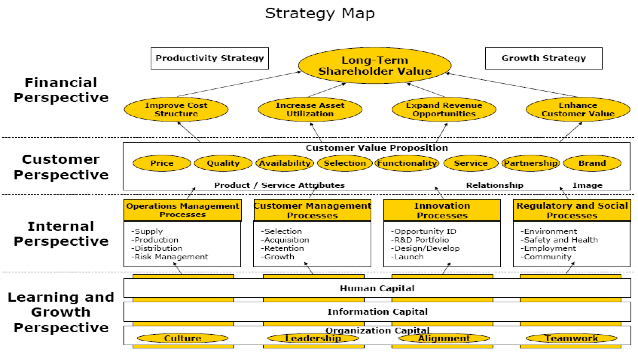
- 16Balanced Scorecard
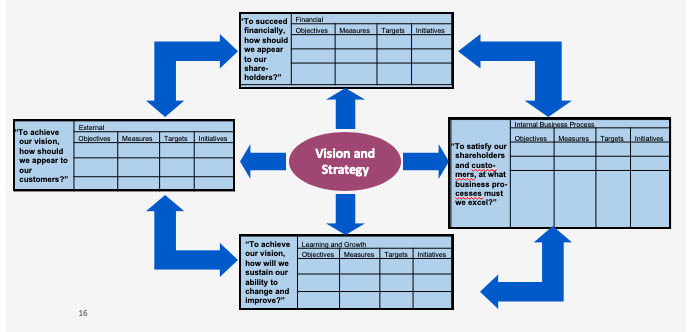
- 17Strategy Map
- 18benefits of a good reputationhigher quality employees, premium prices, less negative reactions if something goes wrong
- 19burdens of a good reputationhigher expectations, less positive reactions to positive outcomes
- 20Strategic ManagementA systematic framework of relationships and associations that, when understood well, can facilitate the quest for performance
- 21Strategic Management Process
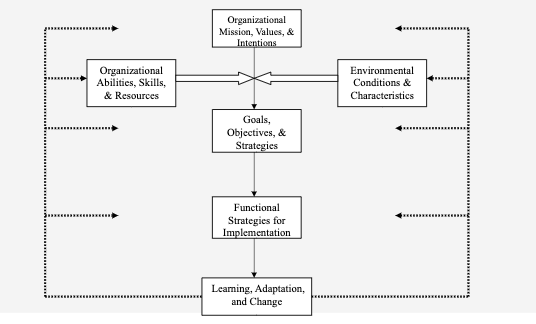
- 22Visionsimple statement of what the firm will be. forward looking.
- 23Missionwhat the firm is and stands for. fundamental values and purpose.
- 24Vision & Mission -> Strategic Goals & Objectives ->Firm's Overall Strategy
- 25Goal Setting Principlesconsistent with the firm's mission & flow from SWOT analysis. specific short term, general long term.
- 26Confirmation Biaslook for information that supports existing beliefs, reject data that go against what you believe.
- 27Overcoming Confirmation BiasSeek out information from a range of sources & perspectives, assign someone to "devil's advocate", actively seek out contradictory information, surround yourself by diversity
- 28OverconfidencePlace too much faith in your own knowledge & opinions
- 29Anchoring BiasAn initial reference point distort subsequent estimates
- 30Overcoming Anchoring Biasthrow initial value away if it sounds implausible, find another extreme anchor on the opposite end
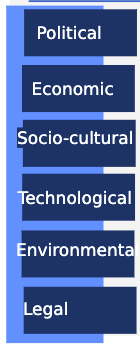
- 31Macro Environment Analysis: PESTEL
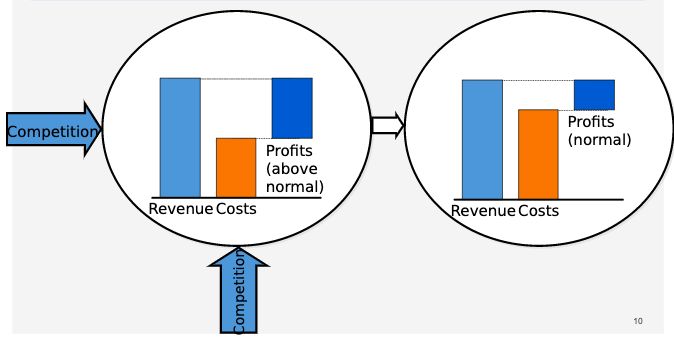
- 32Competition TheoryCompetition should drive profit to "equilibrium"
- 33CompetitorsFirms who lure away customers. Their products & services are the benchmarks against which a firm's products and services are judged
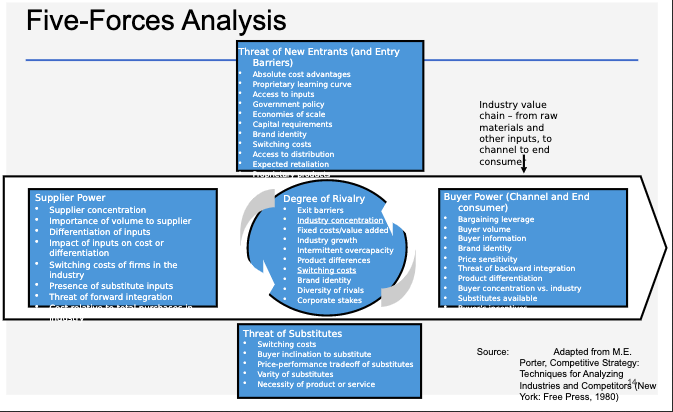
- 34Five-Forces ModelBargaining Power of the Seller, Bargaining Power of the Buyer, Availability of Substitutes, Threat of New Entrants, Rivalry Among Competitors
- 35Five-Forces Analysis (diagram)
- 36Bargaining Power can come from...Attractiveness & availability, quality, absence of competition, importance of the product or service, exclusivity or prestige
- 37Few buyers & many suppliers means...Buyers capture a greater share of profits
- 38Substitutes mean...greater elasticity
- 39Barriers to EntryStrong brands, proprietary technology, start-up costs
- 40Barriers to ExitFew other opportunities, sunk investments
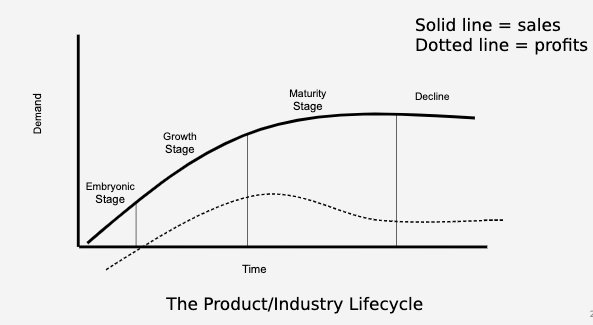
- 41Competitive Analysis & The Lifecycle Model
- 42Switching CostsCosts to the buyer change from one provider to another
- 43Organizational Performancehow well an organization is doing to reach its vision, mission, and goals
- 44Market Capinvestors' perception of company's value/price
- 45CSR investment vs. likelihood of dismissalHigh CSR Investment, more likely to be let go if low financial performance. No CSR Investment, more likely to be let go when high financial performance.
- 46TargetingMore successful people face higher expectations (tall poppy syndrome)
- 47At what price range do you lose all demand? (CAPSIM)$5 above range
- 48How will we be evaluated? (CAPSIM)stock price, contribution margin, plant utilization, amount of inventory, etc.
- 49Center of Circle + Drift Rate = (CAPSIM)Ideal
- 50Cohen's KappaAssess reliability (qualitative)
- 51Forward IntegrationExpand business to include control of distribution or supply
- 52Industry Definitiona set of firms that solves the same economic problem in the same way
- 53If you put in more money for recruiting... (CAPSIM)Better products, turnover decreases
- 54How much of the market forgets about product each year? (CAPSIM)a third of the market