
37726601
Descrição

FlashCards por shania bisconer, atualizado more than 1 year ago

|
Criado por shania bisconer
aproximadamente 4 anos atrás
|
|
| Questão | Responda |
| applied science | form of science that aims to solve real-world problems |
| atom | the smallest and most fundamental unit of matter that retains the properties of an element |
| basic science | the science that seeks to expand knowledge and understanding regardless of the short-term application of that knowledge |
| biochemistry | study of the chemistry of biological organisms |
| biology | the study of life |
| biosphere | collection of all the ecosystems on Earth |
| botany | study of plants |
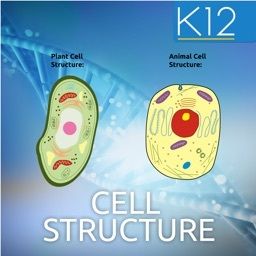
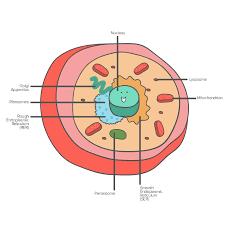
| cell | the smallest fundamental unit of structure and function in living things |
| community | set of populations inhabiting a particular area |
| conclusion | section of a scientific paper that summarizes the importance of the experimental findings |
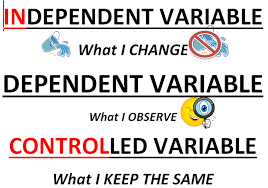
| control | part of an experiment that does not change during the experiment |
| deductive reasoning | form of logical thinking that uses a general inclusive statement to predict specific results |
|
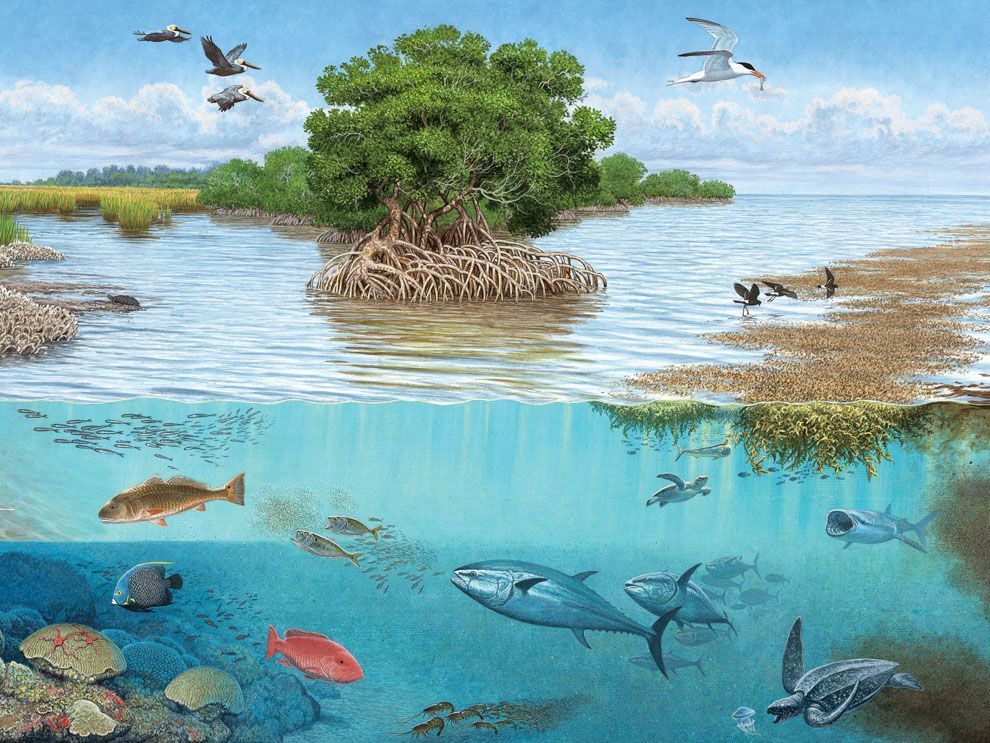
ecosystem
Image:
25846 (binary/octet-stream)
|
all the living things in a particular area together with the abiotic, nonliving parts of that environment |
| eukaryote | organism with cells that have nuclei and membrane-bound organelles |
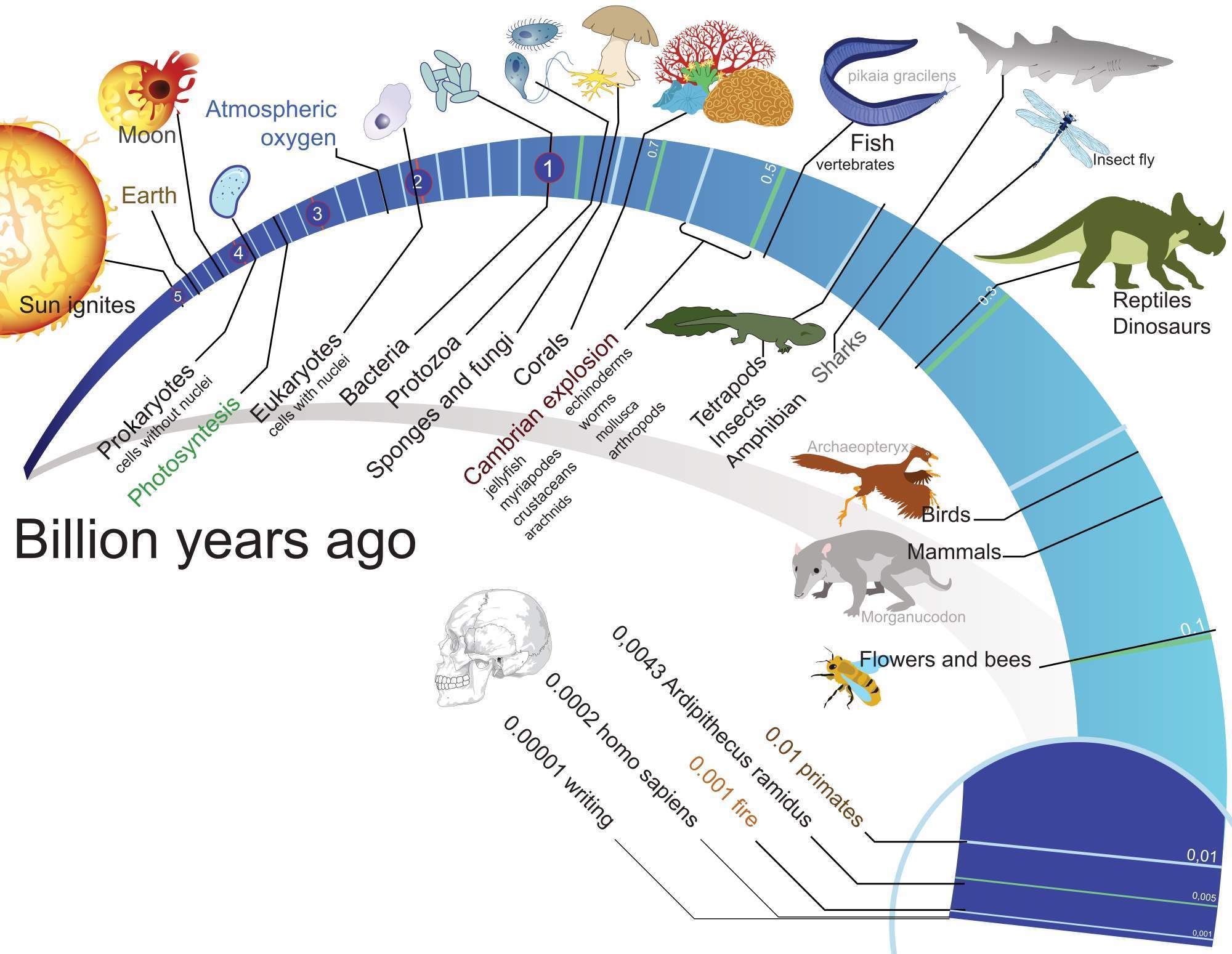
| evolution | the process of gradual change in a population or species over time |
| homeostasis | ability of an organism to maintain constant internal conditions |
| hypothesis | a suggested explanation for an observation, which one can test |
| life science | field of science, such as biology, that studies living things |
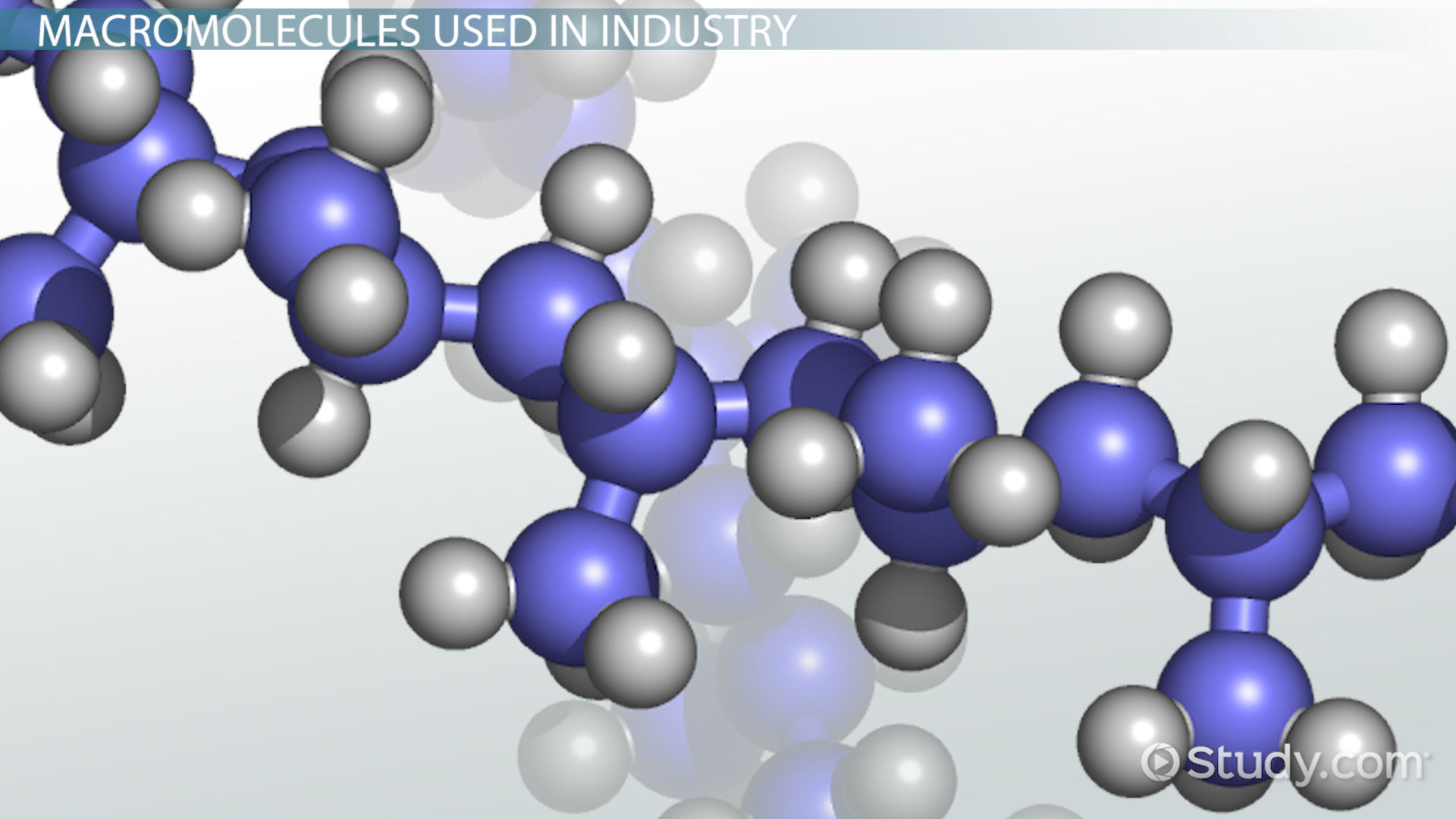
| macromolecule | large molecule, typically formed by the joining of smaller molecules |
| microbiology | study of the structure and function of microorganisms |
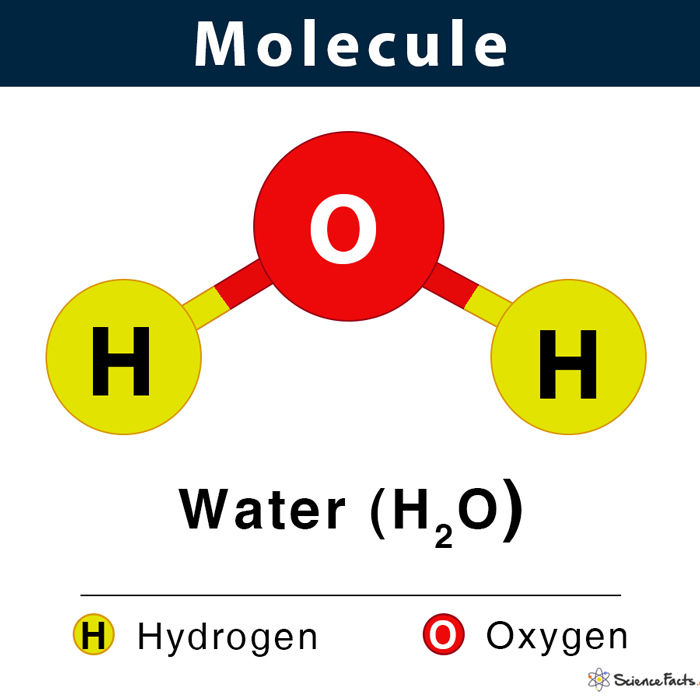
| molecule | a chemical structure consisting of at least two atoms held together by one or more chemical bonds |
| organelle | small structures that exist within cells and carry out cellular functions |
| organism | individual living entity |
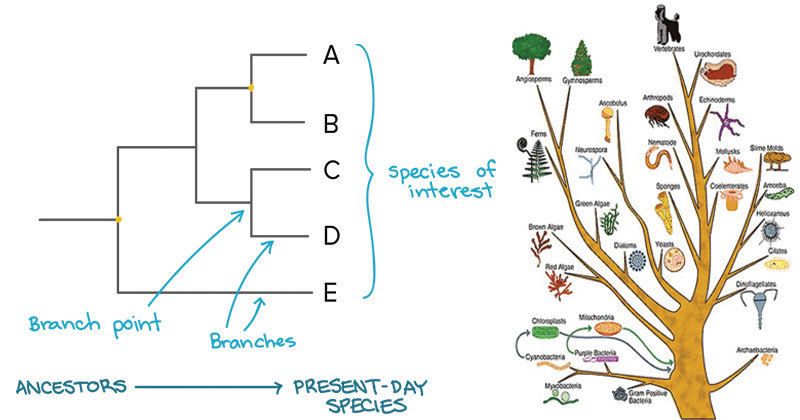
| phylogenetic tree | diagram showing the evolutionary relationships among various biological species based on similarities and differences in genetic or physical traits or both; in essence, a hypothesis concerning evolutionary connections |
|
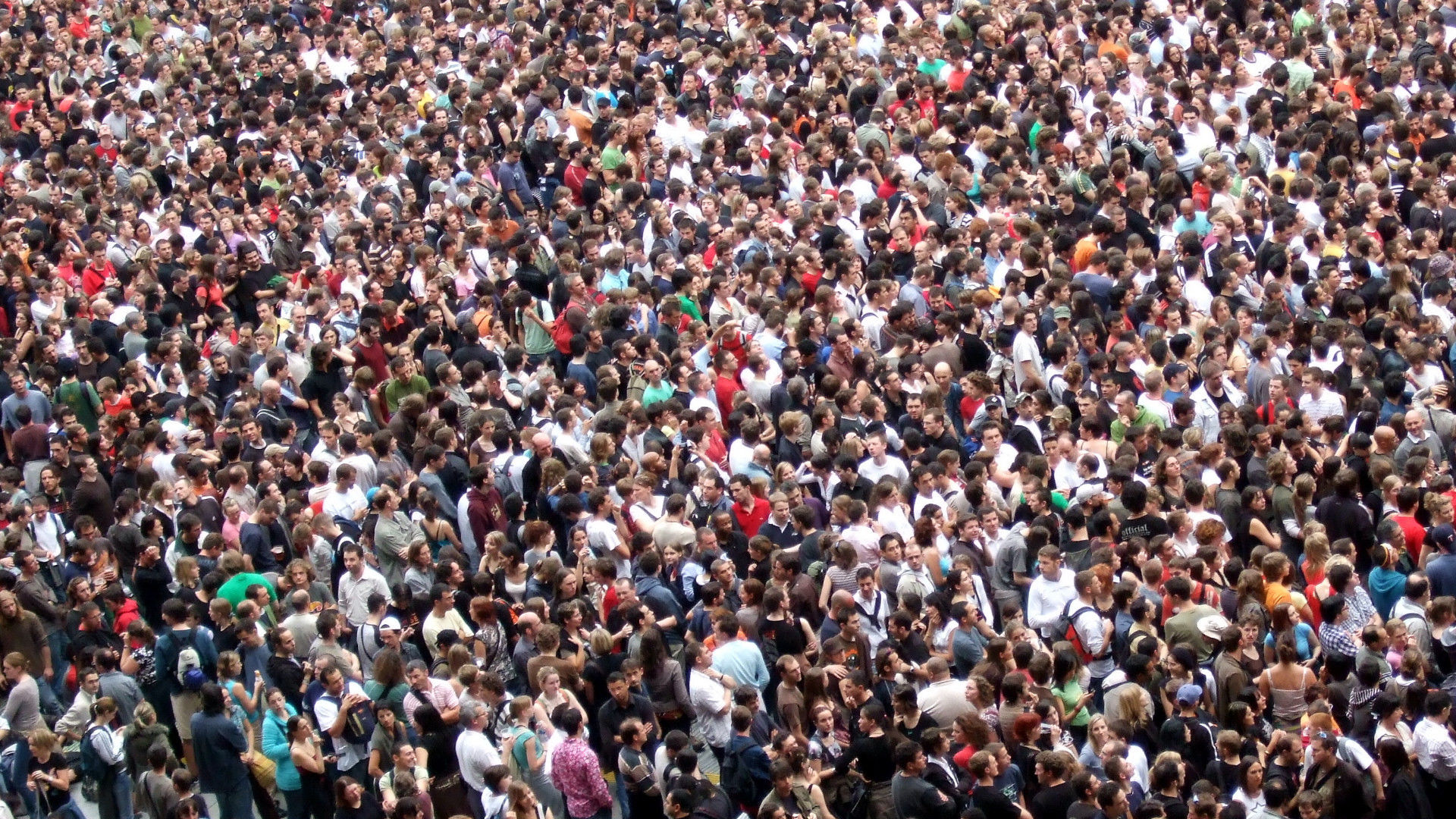
population
Image:
Crowd (binary/octet-stream)
|
all of the individuals of a species living within a specific area |
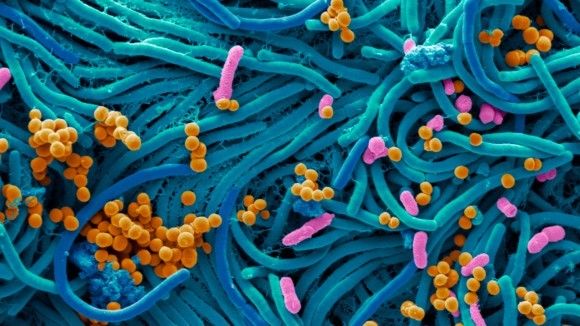
| prokaryote | single-celled organism that lacks organelles and does not have nuclei surrounded by a nuclear membrane |
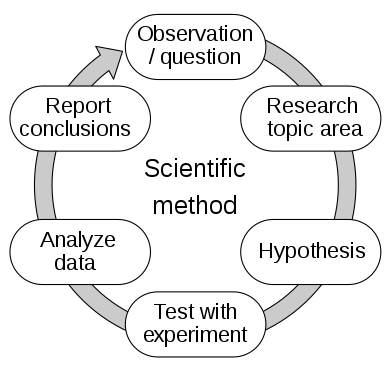
| scientific method | method of research with defined steps that include observation, formulation of a hypothesis, testing, and confirming or falsifying the hypothesis |
| theory | tested and confirmed explanation for observations or phenomena |
| variable | part of an experiment that the experimenter can vary or change |
| Negative and Positive control | Positive Control: A positive control is an experimental control that gives a positive result at the end of the experiment. Negative Control: A negative control is an experimental control that does not give a response to the test. |
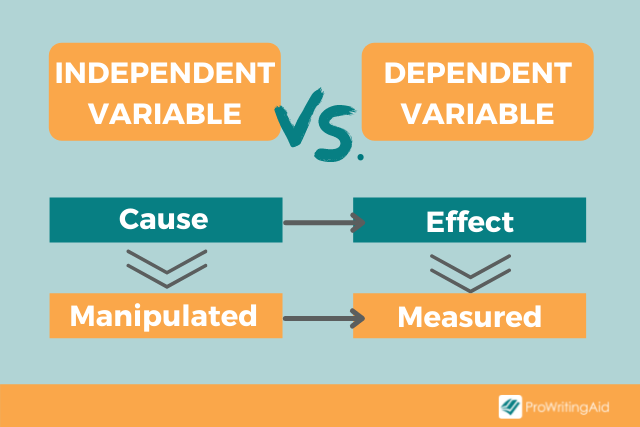
| independent and dependent variables | An independent variable is a variable that is changed or controlled A dependent variable is a variable that changes as a result of the independent variable manipulation |
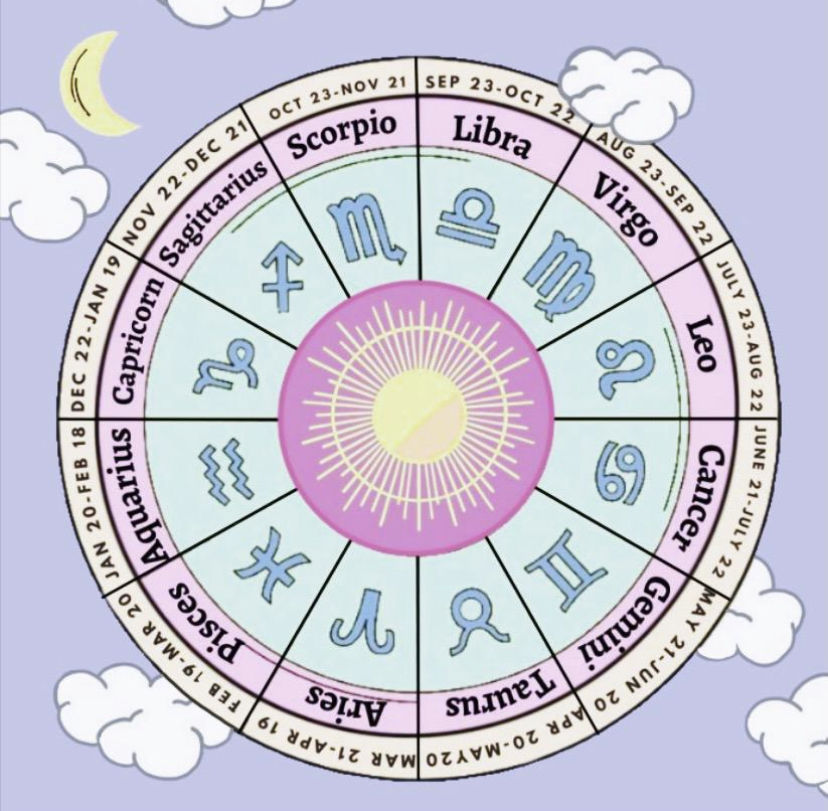
| pseudoscience, | a collection of beliefs or practices mistakenly regarded as being based on scientific method. |
| primary and secondary sources | A primary source gives you direct access to the subject of your research. Secondary sources provide second-hand information and commentary from other researchers |



Quer criar seus próprios Flashcards gratuitos com GoConqr? Saiba mais.