
Flashcards
ABP Deck Part 1
Flashcards do conjunto (200)
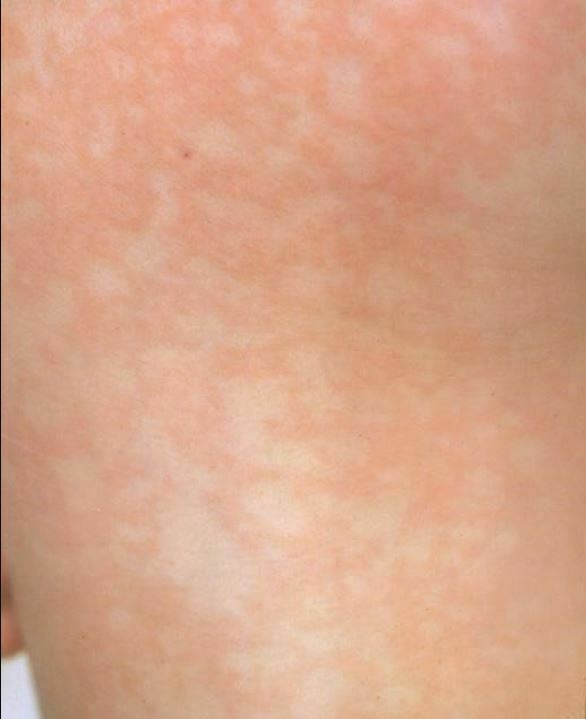
- 1Fetus of this mother at risk for?Maternal Parvovirus B19 (erythema infectiosum) infection poses risk of fetal hydrops, pleural or pericardial effusions, anemia, IUGR, demise. Mother likely experienced this lacy rash and arthralgias
- 2CNS calcifications and chorioretinitis associated with which TORCH infections?CMV, Toxoplasmosis
- 3Hearing loss is associated with which TORCH infections?CMV, Rubella
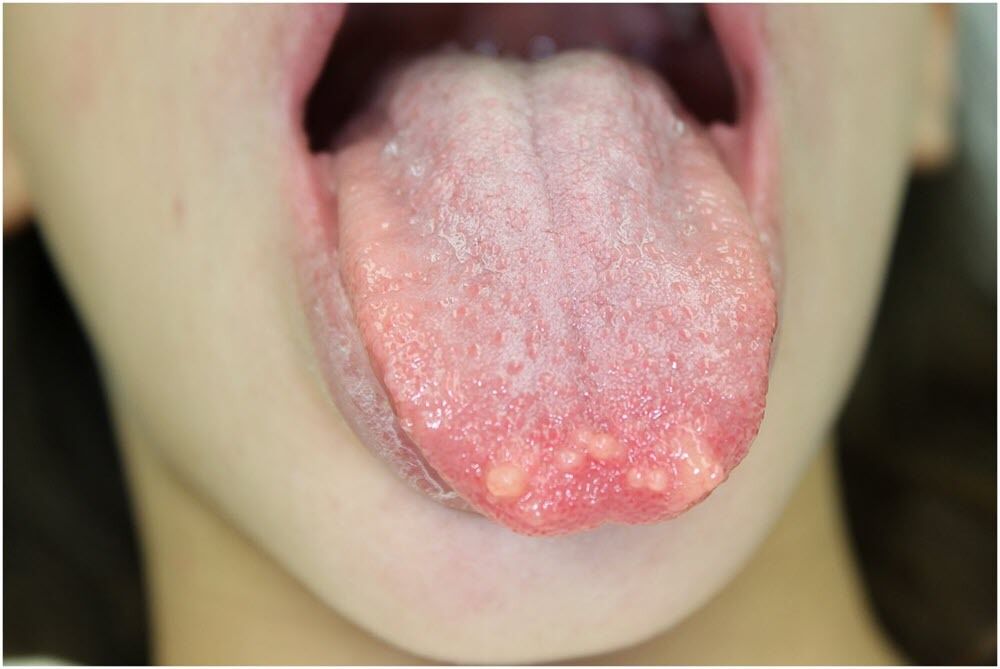
- 4MEN 2B FeaturesMarfanoid habitus (long extremities, pes planus, joint hypermobility), neuromas of tongue, mouth, GI tract (which can cause alternating constipation and diarrhea), full lips, alacrima. At risk for medullary thyroid cancer, pheochromocytoma. RET gene is autosomal dominant.
- 5MEN 2A FeaturesParathryoid hyperplasia, medullary thyroid cancer, pheochromocytoma. RET gene is autosomal dominant.
- 6MEN 1 FeaturesPituitary adenoma, parathyroid hyperplasia, pancreatic cancers
- 7With which syndrome are these lesions found?GI and mucosa neuromas of MEN 2B
- 8Prolonged usage of guaifenesin can have which adverse effect?
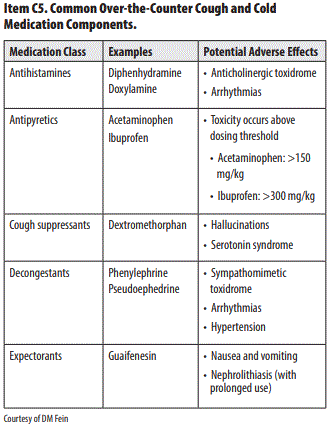
- 9Bismuth salicylate in varicella infection can result in which reaction?Salicylate content can trigger Reyes Syndrome. Also bismuth may discolor stools as black and be mistaken as melena.
- 10Recurrent painless hematuria, azotemia, proteinuria, and hypertension in a child is suggestive of which condition?IgA nephritis. Diagnosis made by renal biopsy with immunofluorescence staining of IgA in glomerular mesangial cells. Treated with glucocorticoids.
- 11Complement C3 and C4 levels in: - SLE nephritis - Post-streptococcal glomerulonephritis - IgA nephritisBoth low in SLE; Both normal in IgA nephritis; C3 low but C4 normal in PSGN (+ASO titers)
- 12Acute hemorrhagic cystitis is most frequently associated with which infection in children?Adenovirus
- 13Early-onset sepsis in fetuses/neonates is most strongly associated with which independent risk factor?Preterm delivery
- 14Shwachman-(Bodian-)Diamond syndrome (SBDS) has which features?Exocrine pancreatic insufficiency --> steatorrhea, various cytopenias, metaphysis chondrodysplasia --> short stature, facial, thoracic, dental abnormalities. Neutropenia increases risk for infections; increased risk of MDS, AML (7%) Defect of SBD gene on Chromosome 7
- 15Independent risk factors for MRSA infection?- Skin trauma
- Frequent exposure to antibiotics
- Chronic disease, recent surgery or hospitalization, residence in a long-term care facility, indwelling medical device
- Crowded living conditions, poor hygiene, sharing of potentially contaminated items such as razors or towels
- History of abscesses or other skin infections in patient or household contact
- History of MRSA infection in the patient or household contact
- Household contact with identified risk factor (healthcare worker) - 16Boy in early puberty active in sports with bilateral knee pain and swelling?Osgood-Schlatter disease is an overuse syndrome that occurs with repetitive traction of the patellar tendon on the open apophysis of the tibial tuberosity. Needs 2-3 months per year away from organized sport/exercise
- 17Same pathophysiology as Osgood-Schlatter Disease is associated with which other conditions?achilles insertion on the calcaneus (Sever disease); peroneus brevis insertion on the 5th metatarsal (Iselin disease); and flexor/pronator tendon origin on the medial epicondyle of the humerus (Youth baseball-related elbow injury, also known as “little league elbow”)
- 18Turner Syndrome is most commonly associated with which cardiac defects?Patients with TS are known to have an increased incidence of left-sided cardiac lesions consisting of bicuspid aortic valve and coarctation of the aorta. Other vascular anomalies that have been noted in TS include anomalous pulmonary venous connection and persistent left superior vena cava as well as aortic dissection
- 19First line hearing aid for infant of 4 months?1st behind the ear
2nd cochlear (only after 1 year)
3rd brainstem implant
bone-anchored only after 5 years - 20At what age should a patient with Turner Syndrome start screening for primary ovarian failure?Starting at 11 years if no signs of puberty, GnRH, LH, FSH, estrogen, etc.
- 21Age ranges for early, middle, late adolescence?10-13, 14-17, 18-21
- 22What is unnecessary in cases where RSV bronchiolitis is the primary differential diagnosisCXR, antibiotics
- 23First line evaluation for new onset seizure with no clear trigger (fever, illness, drugs, etc.)EEG
- 24How should strength training be done in prepubescent children?Free weights, as opposed to weight machines. Higher intensity or volume can be acceptable with appropriate supervision
- 25chubby cheeks, a short nose, and a relatively small chin may be consistent withGlycogen storage disease such as von Gierke (glucose-6-phosphatase deficiency). Will have hypoglycemia, ketosis, hepatomegaly, typically present at 3-4 months
- 26Hyperammonemia along with neonatal lethargy, vomiting, coma, strokes, and, if unrecognized, death seen in which class of metabolic disorders?amino acid, organic acid, and urea cycle disorders
- 27Nonketotic hypoglycemia, seizures, rhabdomyolysis, cardiomyopathy, liver dysfunction, and sudden infant death seen in which metabolic disorders?Defects in oxidation of fatty acids
- 28Nonspecific lactic acidosis and concurrent organ-specific findings such as strokes, seizures, cardiac conduction abnormalities, hypotonia, or weakness seen in which class of metabolic disorders?Mitochondrial disorders
- 29Early Lyme disease can be treated with which oral antibiotics?Doxycycline, amox/clav, just amox, cefuroxime, azithro
- 30Once a Lyme disease patient has complete heart block and is hospitalized, which antibiotic is appropriate?Ceftriaxone
- 31Doxycycline can be safely given after which age?9 years or older
- 32AAP position on infant walkers?NO in all circumstances
- 33What is a monophonic wheeze?Single pitch, likely tracheal or single mainstem bronchus obstruction. Consider vascular ring
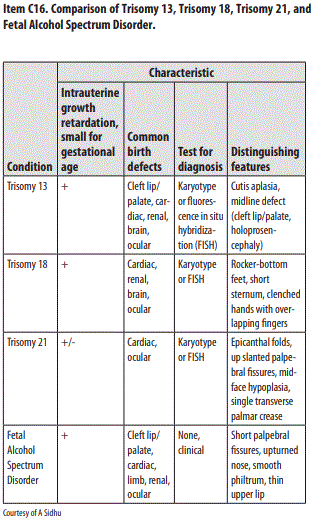
- 34Differences between Trisomy 13, 18, 21?
- 35What can be added to a regimen of Vancomycin after MRSA infection of a prosthetic valve or joint is identified if it cannot be removed?Rifampin & Gentamicin
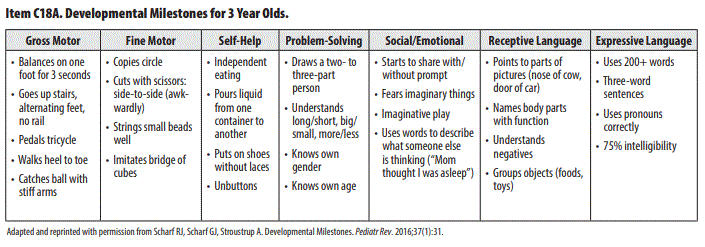
- 36Gross motor, fine motor, self-help, problem solving, social, emotional, and language milestones for a 3 year old?
- 37Neonates need to meet which criteria to be discharged prior to 48 hours?gestational age 37 0/7-41 6/7 weeks
Normal physical examination findings, including vital signs for 12 hours before discharge:
Temperature 36.5°C to 37.4°C while lying in an open crib
Respiratory rate less than 60 breaths/min without any increased work of breathing
Heart rate 100 to 190 beats/min while awake and more than 70 beats/min while asleep, with normal circulation and appropriate response to stimuli
One stool and normal urination
Two feedings with good latch and suck/swallow pattern, with one feeding observed
No excessive bleeding for 2 hours after a circumcision
Appropriate treatment plan for hyperbilirubinemia, if present; negative result on Coombs test
Reassuring sepsis work-up if risk factors are identified
Normal maternal laboratory findings, including negative results for syphilis, hepatitis B surface antigen, and human immunodeficiency virus
Receipt of intramuscular vitamin K - 38First line treatment for AIHA in teenager without evidence of end organ damage?2mg/kg IV glucocorticoid (e.g. methylprednisolone)
- 39Drug of choice for Bartonella henselae?Azithromycin, but may be supportive if not immunocompromised
- 40Which organism is Parinaud oculoglandular syndrome associated with?Bartonella henselae (Catscratch Disease)
- 41Which genetic anomaly is most closely associated with duodenal atresia?Down Syndrome / Trisomy 21
- 42The presence of esophageal atresia and abnormal thumbs should key you in to which syndrome?VACTERL (vertebral defects, anal atresia, cardiac defects, TEF, renal anomalies, and limb abnormalities) Association
- 43What is Lissencephaly?The absence of folds in the cortex of the brain. May be caused by a number of factors, many of which are genetic, but all causes have a defect in the neuronal migration between weeks 12 and 24 of gestation
- 44Which actions are associated with avulsion of a portion of the tibial tubercle in teenager athletes?Repetitive jumping such as in basketball or volleyball
- 45For an otherwise immunocompetent infant between 6 months and their first dose of MMR, what should be done in case of a known measles exposure?MMR immunization within 72 hours of exposure
- 46What are Koplik spots?small irregular erythematous spots with a bluish-white center seen on the buccal mucosa associated with measles
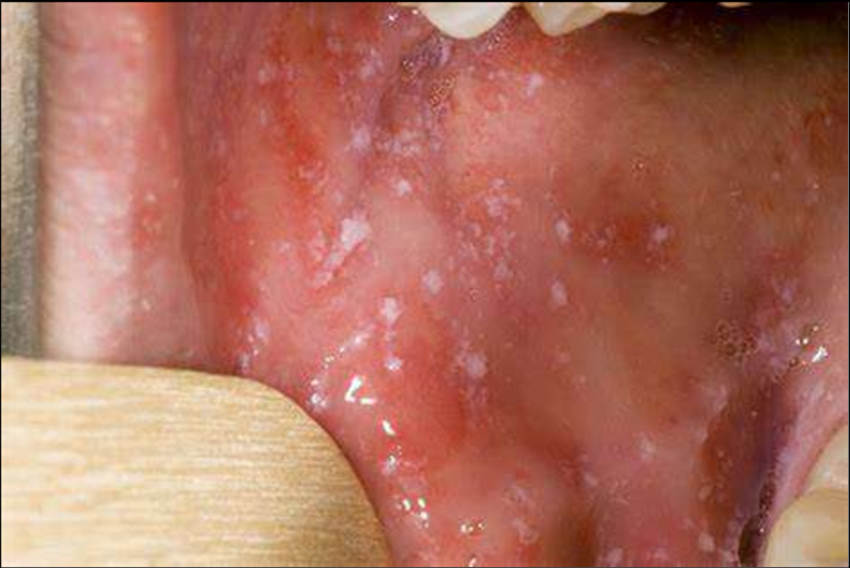
- 47When are Koplik spots seen in the context of the natural history of measles?Usually 1-2 days prior to the emergence of exanthem, but 3-5 days after the presence of cough and coryza (rhinitis) and usually gone by the time of the rash. Frequently missed by providers.
- 48When should Measles IgG be used?Within 6 days of exposure for pregnant persons, immunocompromised individuals, and those less than 1 year in age
- 49Differences in migraines between children and adults?Children more likely to be bilateral
Adults more likely to last longer
Children less likely to have food or chemical triggers
Adults more likely to have aura - 50What is osmophobia?Fear of odors, may be associated with, but is not part of diagnostic criteria for migraines
- 515 causes of isolated prolonged PT?1. Early liver failure
2. Early/mild Vitamin K deficiency
3. Early DIC (Check PLT, D-dimer)
4. Factor 7 deficiency
5. Factor 7 inhibitor (do mixing study) - 52What does a prolonged Thrombin Time (TT) suggest?Either:
- Afibrinogenemia
- Hypofibrinogenemia
- Dysfibrinogenemia
- Presence of heparin or fibrin degradation - 53Which coagulation factors influence prothrombin time (PT)?Factor VII (extrinsic) and everything in the common pathway (X, V, II, I)
- 54Which coagulation factors influence activated partial thromboplastin time (aPTT)?Factors in the intrinsic (XII, XI, IX, VIII) and common (X, V, II, I) pathways
- 55Child being treated for tinea capitis returns 2 weeks later with rashDermatophytid reaction, a type IV hypersensitivity most commonly against Trichophyton tonsurans when lymphocytes become sensitized to the fungus
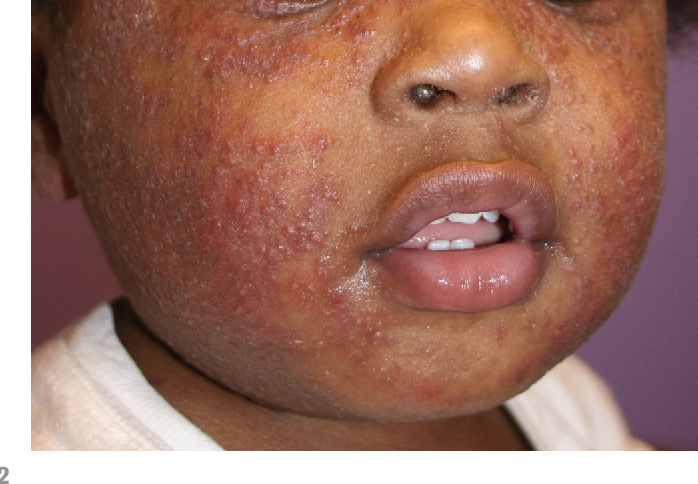
- 56What is a dermatophytid reaction?Pruritic rash with small lichenoid papules that usually proceed in a cephalocaudal direction associated with, or the treatment of, tinea capitis as a delayed hypersensitivity
- 57How is a dermatophytid reaction treated?Initially supportively with emollients and antipruritic agents, then in moderate cases with topical steroids, and in severe cases, with systemic and topical steroids, tapered over 2 weeks. If complicated by concurrent eczematous dermatitis, treatment for that as well
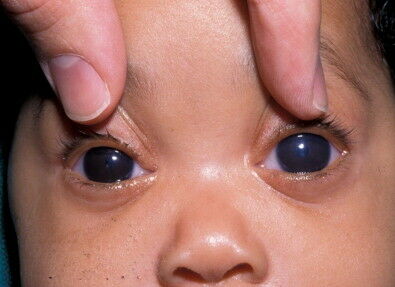
- 582 week infant presents with excessive tearing and enlarged corneaInfantile Glaucoma - triad of excessive tearing, photophobia, and blepharospasm - merits prompt evaluation by ophthalmology and subsequent surgery to relieve intraocular pressure
- 59Which conditions are associated with infantile glaucoma?- Galactosemia
- Intraocular hemorrhage
- Ocular Inflammatory Disease
- Sturge-Weber Syndrome
-Marfan Syndrome
- NF 1/2
- Lowe Syndrome
- Congenital Rubella
- Juvenile Xanthogranuloma
- Trauma - 60What proportion of nasolacrimal duct occlusion resolves by 1 year of life?90%
Treated by daily gentle massage over the duct - 61What is Little League elbow?Medial epicondyle apophysitis - in an skeletally immature child will widen the medial epicondyle and injure the flexural tendons as pitching or throwing causes compression forces laterally and traction forces medially
- 6211-year old boy, pain with throwingLittle League Elbow / Medial epicondyle apophysitis
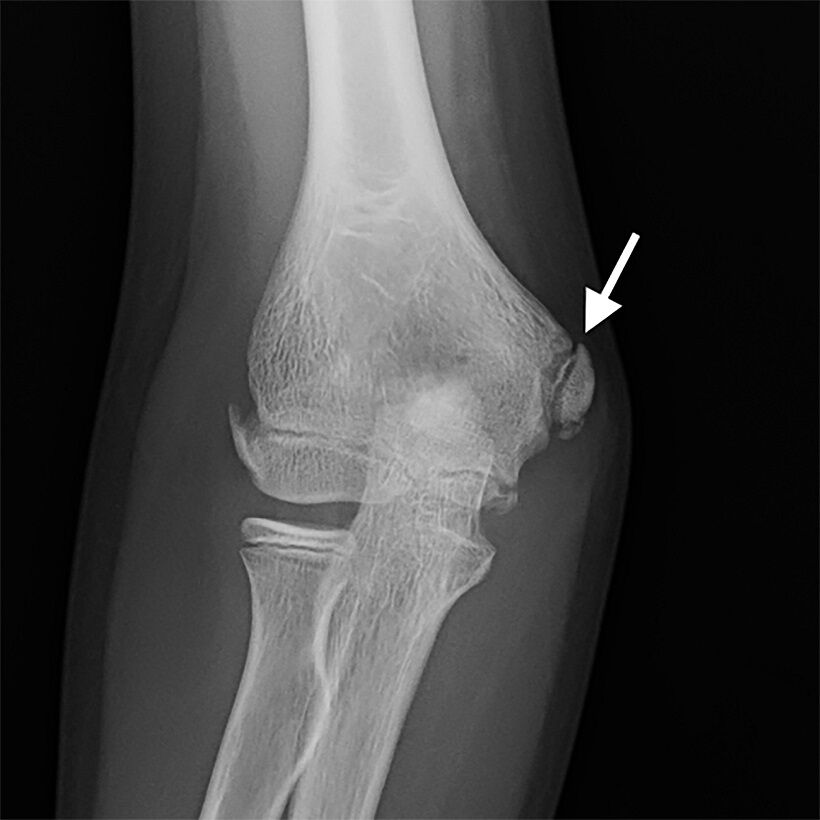
- 63Activity restrictions for Little League Elbow / Medial epicondyle apophysitis?For kids 9-10 years:
- 1 rest day for every 15 pitches over 20
- No more than 75 pitches per game
13-14 yrs can have 95 pitches with same day rest
For all players, no more than 80 innings in 12 months and 4 months off per year - 64What is associated with a fixed flexion contracture of the elbow with tenderness directly over the olecranon?Juvenile Idiopathic Arthritis
- 65How are isolated suppurative lymph nodes treated in Cat-scratch disease (B. henselae)?Complete excision of the node, or less commonly, needle aspiration. Incision and drainage should be avoided
- 66How is systemic bartonellosis treated?May involve liver, spleen, lungs, and bone in addition the the usual lymphatic and conjunctival distributions. Treated with rifampin/azithromycin or rifampin/gentamicin
- 67With what are conjunctival granulomas are associated?Inoculation of the eye with Bartonella henselae after touching an infected cat
- 68Which rare but ocular involvement of toxoplasmosis may occur?Retinochoroiditis (without granuloma, which is associated with B. henselae, and typically conjunctival)
- 69Conjunctivitis with dendritic corneal ulceration is associated with which causative agent?HSV
- 70If stridor is heard on expiration, what that does that tell us about where the obstruction is with relation to the thoraxExpiratory stridors have an intrathoracic obstruction;
Inspiratory stridors have an extrathoracic obstruction - 71Infant with expiratory stridor after recent URIHomogenous and well-circumscribed hypoattenuating mass at the carina likely represents a bronchogenic cyst, which should be surgically removed as they tend to persist and have malignant potential in the future
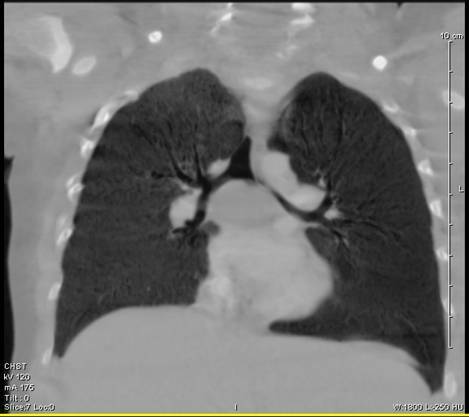
- 72Hormonal derangements in RED-S (relative energy deficiency in sport) / female athlete triad?Loss of pulsatile GnRH, low FSH, low LH, low estrogen
Workup should include pregnancy test, thyroid studies, and DEXA scan - 73First-line treatment for pediatric GAD (general anxiety disorder)?CBT
SSRIs are second-line after failing CBT alone - 74Above what dose steroid should live immunizations (i.e. MMR) be avoided?Above 2 mg/kg/day or 20mg/day for adult-sized children is considered severely immunodeficient if taken for more than 2 weeks and MMR should be deferred.
- 75Treatment for aspiration pneumonia in a 2 year old with spinal muscular atrophy2nd or 3rd generation cephalosporin such as ceftriaxone
- 76What does squatting do to venous return?Increase
(would lessen HCM murmur) - 77What does the Valsalva maneuver do to venous return?Decrease
(would increase HCM murmur) - 78Teenager with AIDS presents with 2 weeks of rapidly evolving itchy rashNorwegian/Crusted scabies is a variant seen in the severely immunocompromised, cognitively impaired, or physically incapacitated. Diagnosed by skin scraping under mineral oil. Treated with 5% permethrin
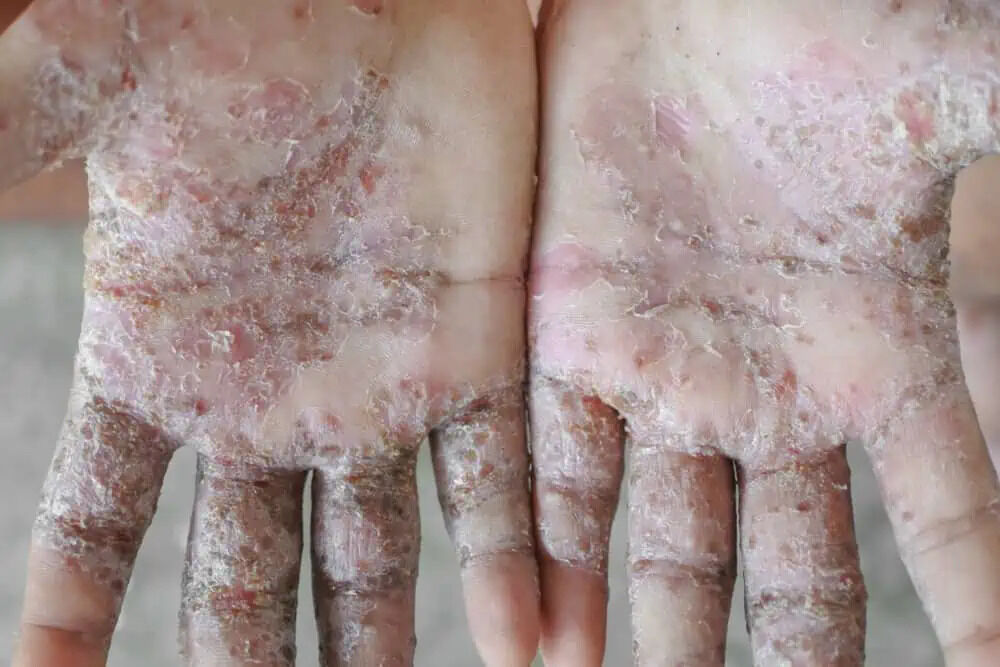
- 79What is contraindicated for the treatment of scabies in infants?Lindane, because of the risk for CNS toxicity
- 80For which conditions are antibiotics indicated for the prevention of subacute bacterial endocarditis?- Prosthetic cardiac valve
- Previous history of endocarditis
- Unrepaired cyanotic heart disease
- 6 months after prosthetic repair of congenital heart
- Transplant patients who develop valvulopathy - 81What is the dose for subacute bacterial endocarditis prophylaxis?50 mg/kg up to 2g amoxicillin PO 1 hour prior to procedure
(azithro 15 mg/kg up to 500 or clinda 20 mg/kg up to 600 if allergy)
- Not needed for GI scopes or GU procedures - 82How soon does TGA (transposition of the great arteries) present?1st day of life
- 83How soon does ToF present?First few months of life, depending on severity; not necessarily immediately cyanotic upon birth
- 84What is the appropriate treatment for unimmunized patients who are exposed to varicella?Standard immunization within 3-5 days of exposure
- 85What is the use case for Varicella zoster IgG?Only as post-exposure prophylaxis for children who are highly susceptible to severe varicella infection and for whom immunization are contraindicated. Should be given within 96 hours
- 86What would a finding of erosive symmetrical polyarthritis be suggestive of in a teenager?Systemic or polyarticular Juvenile Idiopathic Arthritis, and tend to have a positive RF or CCP
- 87What is bilateral fragmentation, loss of height, and angular deformity of the medial portion of the proximal tibia on a radiograph of the knee suggestive of?Osteoarthritis; tends to have hallux varus deformities
- 88Which antibodies are associated with congenital heart block?Anti-Ro (SSA) and Anti-La (SSB) seen in SLE
- 89For a mother with SLE, what is the risk of the infant developing congenital heart block?2%, and should be followed for 12 months after for any cardiac conduction abnormalities, including QTc prolongation
- 90How soon can a child with Strep A return to school after antibiotics?12 hours after AND fever free
- 91When should a breastfed infant start iron supplementation?1 month of age
Dose of 2 mg/kg/day - 92What is the dose of iron supplementation for breastfed and formula-fed infants?2 mg/kg/d if breastfed
1 mg/kg/d if formula-fed - 93Which syndrome is associated with gliomas, ependymomas, and choroid plexus carcinomas?Li-Fraumeni (p53)
- 94What is deficient in pellagra?B3 (Niacin) which presents as dermatitis, dementia, and diarrhea
- 95By which age can a child follow rules in a game?Age 6, along with skipping and tying their shoes
- 96Most common substance abused in high school?Alcohol, typically binged
- 97A defect in FGFR3 (fibroblast growth factor receptor 3) results in which condition?Achondroplasia (congenital dwarfism)
- 98What are the features of achondroplasia?- Trident hands
- Macrocephaly
- Flat nasal bridge
- Prominent forehead
- Midface hypoplasia - 99What are the features of autoimmune polyglandular syndrome Type 2?Triad of T1DM, autoimmune thyroid disease, and primary adrenal insufficiency
- 100HLA-DR3 and DR4 are associated with which autoimmune condition?autoimmune polyglandular syndrome Type 2
- 101Recommended screen time for child 2-5 yearsno more than 1 hour per day
- 102A teenager with a knee XR showing traction apophysitis at the patellar tendon insertion in the tibial tubercle is consistent with which diagnosis?Osgood-Schlatter disease (supportive care, self-limited as growth plate ossifies)
- 103Which virus poses the risk of congenital heart failure?Parvovirus B19, particularly between weeks 10-24 of gestation
- 104What are the risks to a fetus in maternal contraction of Parvovirus B19?severe anemia, heart failure, hydrops fetalis, death
- 105Teenager with bony mass that shows "stalks and broad-based projections" on XR is what?This is an osteochondroma, which is benign and common. Left alone unless it causes symptoms (then excise). May see 5mm cartilage cap on XR
- 106Risk of vertical transmission of HIV in untreated mother?25%
- 107Treatment of HIV in pregnant mother?Standard ART during pregnancy
IV zidovudine during labor
CS delivery when indicated
ART ppx for infant after birth - 10846 XY with ambiguous genitalia and total deficiency of testicular function who starts to develop renal failure around 3 years likely has which syndrome?Denys-Drash Syndrome
- 10946, XY child with ambiguous genitalia, Mullerian ducts, and a Wilms tumor likely has what?Denys-Drash Syndrome
- 110What are the cutoffs for a screening fasting lipid panel for 9-11 and 17-21 year olds?>200 total
>130 LDL
>145 non-LDL
<40 HDL - 111What is the prototypical patient with infantile acne?Boy
2-4 months, resolving by 6-12 months
Absent at birth - 112While mostly asymptomatic, what can a spina bifida occulta be associated with?Syrinx
Tethered cord
Dermal sinus - 113How long does the rooting and sucking reflexes last?3-4 months
- 114How long does the stepping reflex last?3-4 months
- 115How long does the crossed adductor reflex last?7 months
- 116How long does the toe grasp reflex last?6 months
- 117How long does the Moro reflex last?3-6 months
- 118How long does the palmar grasp reflex last?3 months
- 119How long does the Babinski reflex last?12-24 months
- 120How much more likely are patients with Trisomy 21 to have Celiac disease?5-16x
- 121Patients with TDM and DQ2/DQ8 haplotypes are susceptible to what?Celiac Disease
Autoimmune Thyroiditis
Sjogren Syndrome - 122What is the general population incidence for Celiac Disease?0.5-2%
- 123Amphotericin B causes the loss of which two electrolytes renally?K, Mg
- 124At which age do infants coo and have a social smile?4 months
- 125At what age does an infant smile in a mirror?6 months
- 126At what age do children have a vocabulary of 50 words and use 2 word sentences?30 months
- 127At what age do children use pronouns?24-30 months
- 128At what age do children use prepositions and articles in speech?3 years
- 129At what age do children start to scribble?18 months
- 130At what age do children copy a circle?3 years
- 131At what age can children take off loose-fitting clothing?30 months
- 132At what age can children unbutton buttons?4 years
- 133At what age can children keep their heads upright and lift their chests from the ground?4 months
- 134At what fasting glucose can a diagnosis of diabetes mellitus be made?126 mg/dL or greater
+ a second reading on a subsequent day - 135At what random glucose can a diagnosis of diabetes mellitus be made?200 mg/dL or greater, AND at least one classic symptom of hyperglycemia (polyuria, polydipsia, osmotic diarrhea, brain fog, fatigue)
+ a second reading on a subsequent day - 136What is the most likely affected artery in a cerebral infarction of a neonate?MCA, L>R, most are embolic, usually from the placenta, most commonly presents as FOCAL seizures in first few days of life
- 137What is deposited in anti-glomerular basement membrane disease?anti-GBM IgG and C3
- 138What is seen on biopsy of anti-glomerular basement membrane disease?Crescentic nephritis
- 139What are the features of colic?Afternoon/evening
1-4 months of age
Wessel rule of 3s:
- >3 hrs/d
- >3 days/wk - 140How is the anion gap calculated?Sodium - (Chloride + Bicarbonate)
- 141What are the features of congenital aortic stenosis?Systolic murmur at either the right or left or both upper sternal borders, early systolic ejection click, diminished pulses, and neonate appears to be in septic shock
- 142What is the appropriate nonsurgical management of congenital aortic stenosis?Administration of prostaglandins to maintain a patent ductus arteriosus until patient can go for surgical repair (balloon angioplasty or surgical valvuloplasty)
- 143After HoCM, what is the most likely cardiac cause of sudden death in a teenager athlete?Anomalous origin of the left (or right) coronary artery
When coming off of the posterior leaflet or the coronary has to traverse between the aorta and the pulmonary artery to reach its destination it can be compressed during exercise as the great arteries dilate during exercise and tamponade the coronary artery - 144Isolated breast development in a 1 year old with no other signs of adrenarche or possibility of exogenous estrogen is likely:Premature thelarche - normal variant of development, tends to regress within 3-5 years
- 145Patient has pain worse at night and felt better taking their friend's prednisoneThis lesion is an osteoid osteoma, characterized by it's 0.5-1.5cm lucent nidus. It is a benign bone-forming tumor.
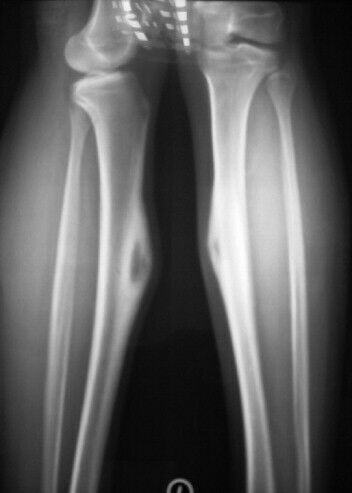
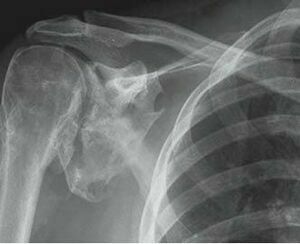
- 146Recent trauma to right shoulder with a new swelling massHeterotopic ossification following traumatic myositis ossificans is transformation of muscle to bone following trauma most commonly in quads, deltoids, brachialis. Will have mature PERIPHERAL ossification with a radiolucent center of immature osteoid (opposite of a neoplasm) and tends to be slightly separated from the long shafts of bones. Treated with NICER and surgery only if it worsens and is impinging on nerves or other movement. Early excision may lead to return of ossification
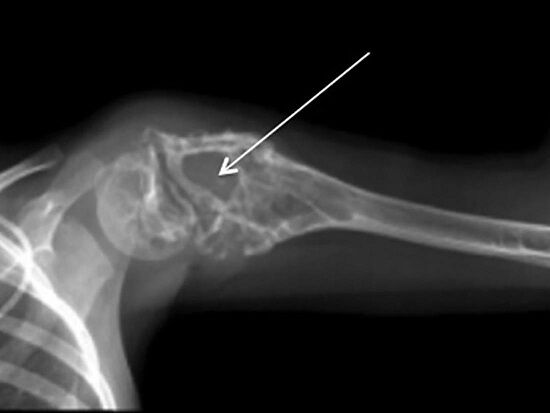
- 147Insidious pain developing over monthsEwing Sarcoma on XR frequently appears "moth-eaten" and is a neuroendocrine tumor most commonly arising from the axial skeleton or femur (image unusual location)
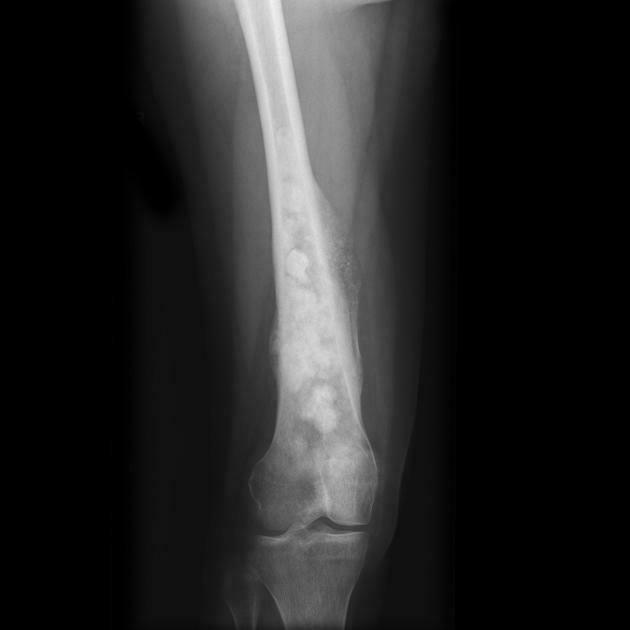
- 148Localized pain that is tender to touch developing over monthsVarious foci of radiodense and radiolucent bone with lifting of the cortex is most consistent with an osteosarcoma. As a rare malignancy of the bone, it is known for its radial or sunburst patterns of ossification as it invades soft tissue
- 149At what age does an infant: - bang 2 things together - lift their arms to be picked up - smiles socially and laughs - enjoys peek-a-boo9 months
Also should be able to sit without help - 150At what age does a child understand "no"?12 months
- 151At what age should a child be able to pull to stand?12 months
Also should be able to play games like pat-a-cake - 152At what age should a child be able to stack 2 objects?15 months
- 153At what age will a child try and say 1-2 words other than mama or dada?15 months
Also should have had first steps on own - 154At what age does a child: - use a cup well - finger-feed themselves - copy other doing chores - follow one-step directions?18 months
- 155In which circumstances would a perforation of the tympanic membrane merit surgical intervention?- Larger perf that wouldn't heal spontaneously
- hearing loss
- chronic perfs
- perfs affecting the posterior region of the TM - 156When are antibiotics for a TM perf appropriate?If contaminants have entered through the perf
PPX may be otic drops or PO - 157Indications for temporal bone CT following trauma?- hemotympanum
- bleeding from external canal
- otorrhea (could be CSF)
- Battle sign (bruising behind ear) - 158Can a child with a history of anaphylaxis to egg still get an inactivated influenza immunization?Yes, given that they have supervision following administration by a provider able to recognize AND care for severe allergic reactions up to and including anaphylaxis
- 159In what circumstances might a child merit administration of tetanus IgG?Grossly dirty wound at risk of contamination by C. tetani spores AND 2 or fewer tetanus-containing vaccines (DTaP, Tdap, Td)
- 160Exaggerating contact between the patella and the distal femoral groove worsens pain in which syndrome?Patellofemoral syndrome (PFS)
- 161What is the initial treatment of patellofemoral syndrome?Strengthening of the quadriceps muscles to improve patellar alignment
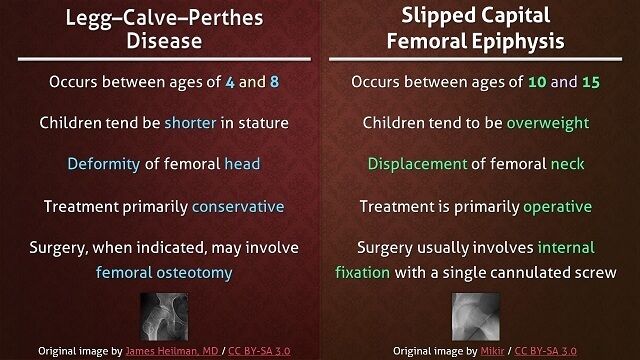
- 162What are the distinctions between LCPD (Legg-Calve-Perthes disease) and SCFE (slipped capital femoral epiphysis)?
- 163What proportion of patients with infectious mononucleosis develop a morbilliform rash WITHOUT antibiotics?10-15%
- 164What happens when a patient with infectious mononucleosis (EBV) is mistakenly treated with antibiotics for strep pharyngitis?Lymphocyte Type IV sensitization to aminopenicillins is a common feature of EBV infection, and usually shows up a few days after the start of antibiotics
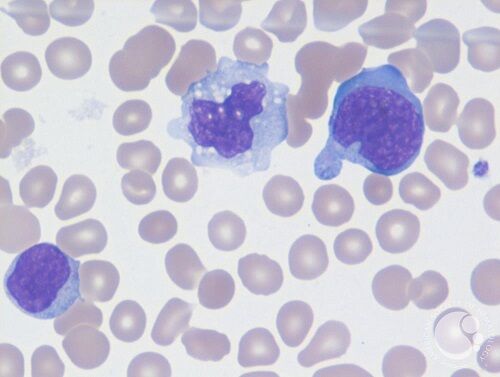
- 165Teenager comes with petechiae at the juncture of hard and soft palates along with periorbital edema and fatigueFoamy cytoplasm in large basophilic-staining atypical lymphocytes are frequently seen on peripheral smear in infectious mononucleosis
- 166What is the preferred test for the diagnosis of EBV?EBV-specific antibody panels
Rapid mononucleosis spot tests are fraught with false positives and false negatives - 167What is the appropriate anticipatory guidance that should be given for patients diagnosed with EBV/infectious mononucleosis?Aside from resting and avoiding intimate contact, sharing food, or anything touching saliva, they should avoid any contact sports for up to 3 months due to the risk of splenic rupture
- 168What is the only indication for corticosteroids in those diagnosed with EBV/IM?If there is concern for significant upper airway obstruction from the degree of pharyngitis and tonsillitis
- 169What is the most common causative agent for hand-foot-mouth disease?Coxsackieviridae, specifically Coxsackievirus A16
A clinical feature is herpangina where the pharyngitis and tonsillar pillars may be involved - 170What is another name for exanthema subitum?roseola
6th disease
Roseola infantum
HHV6
Rash AFTER defervescence
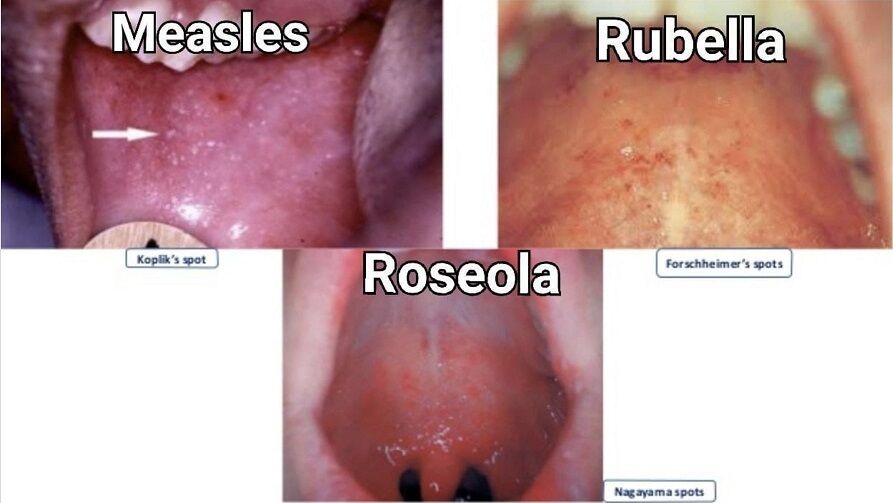
Usually children under 3 yrs - 171What is the distinction between Koplik, Nagayama, and Forchheimer spots?
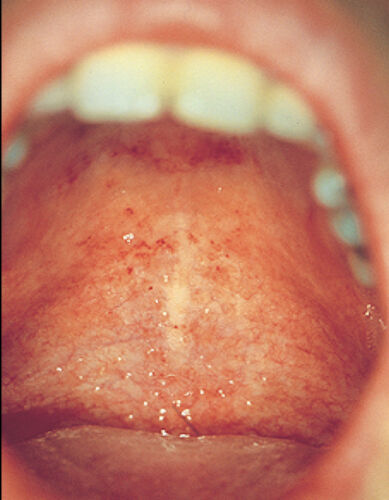
- 172Child with low grade fever, not eating, lymphadenopathy, rash are fine pink spots that start from head and travelled downRubella (German measles) is a togavirus
- 173Child with high fever for 5 days that breaks suddenly and breaks out in rash with these spotsRoseola/6th disease/exanthema subitum
These spots are called Nagayama spots and the child may also have periorbital edema (Berliner sign)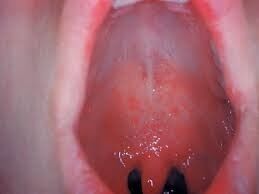
- 174What is needed to prove presumptive immunity against varicella?- A past diagnosis by a healthcare provider (subjective history alone insufficient)
- 2 doses (3 months apart if 12yr or younger, 28 days apart if 13+)
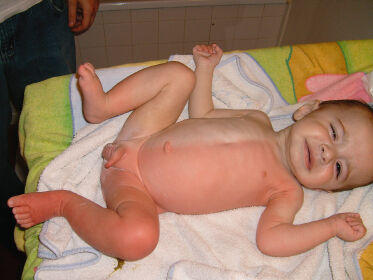
- IgG ELISA proof of varicella antibodies - 175—Harlequin color change - autonomic dysregulation in premature neonates that causes a dependent distribution of vasodilation when lain on one side or another that resolves with supine positioning. Tends to resolve after 3 weeks
- 176What are the three objective ways to measure TLC?Plethysmography
Helium Dilution
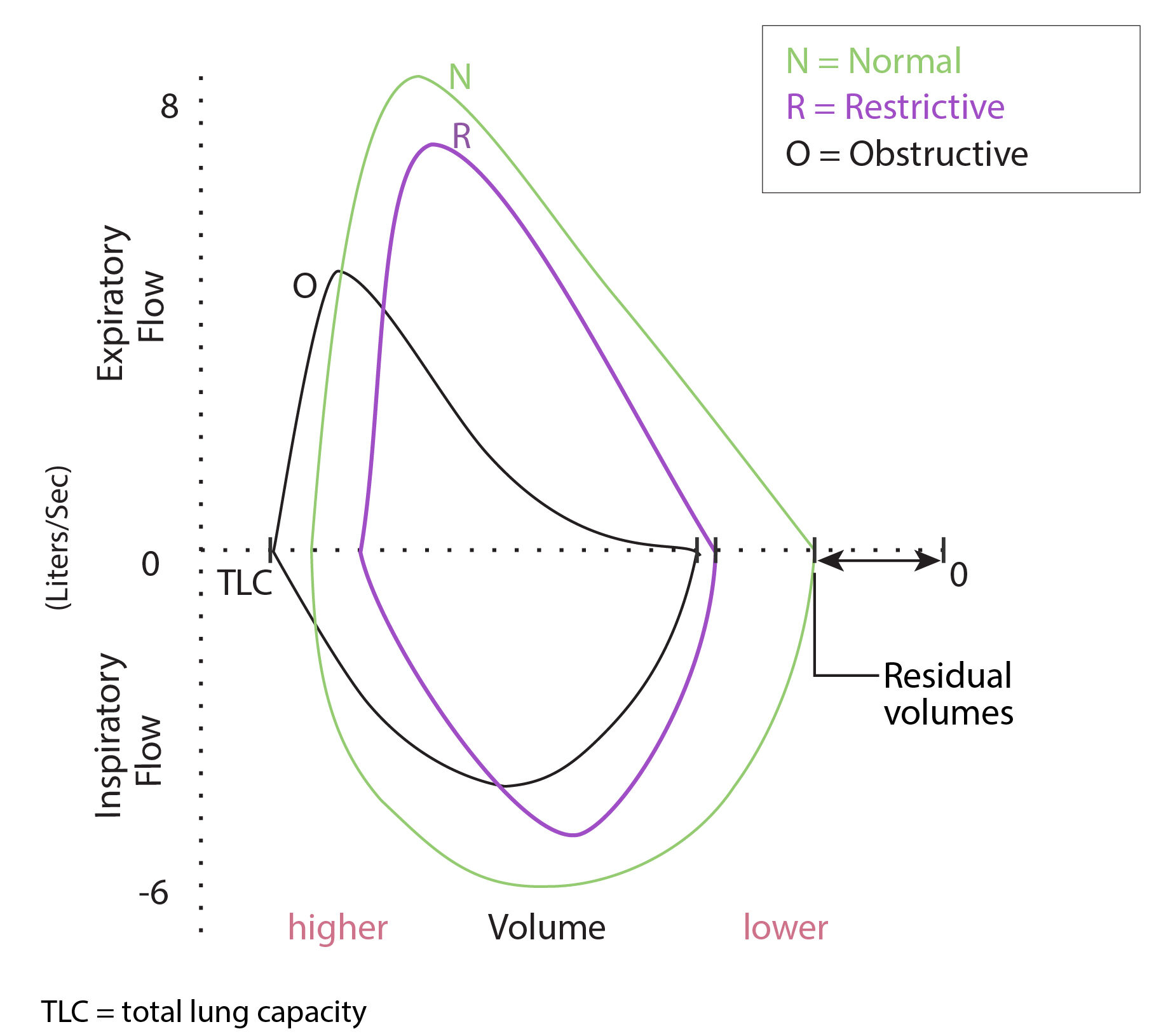
Nitrogen Washout - 177What is the Flow-Volume Loop for an obstructive patient? A restrictive one?
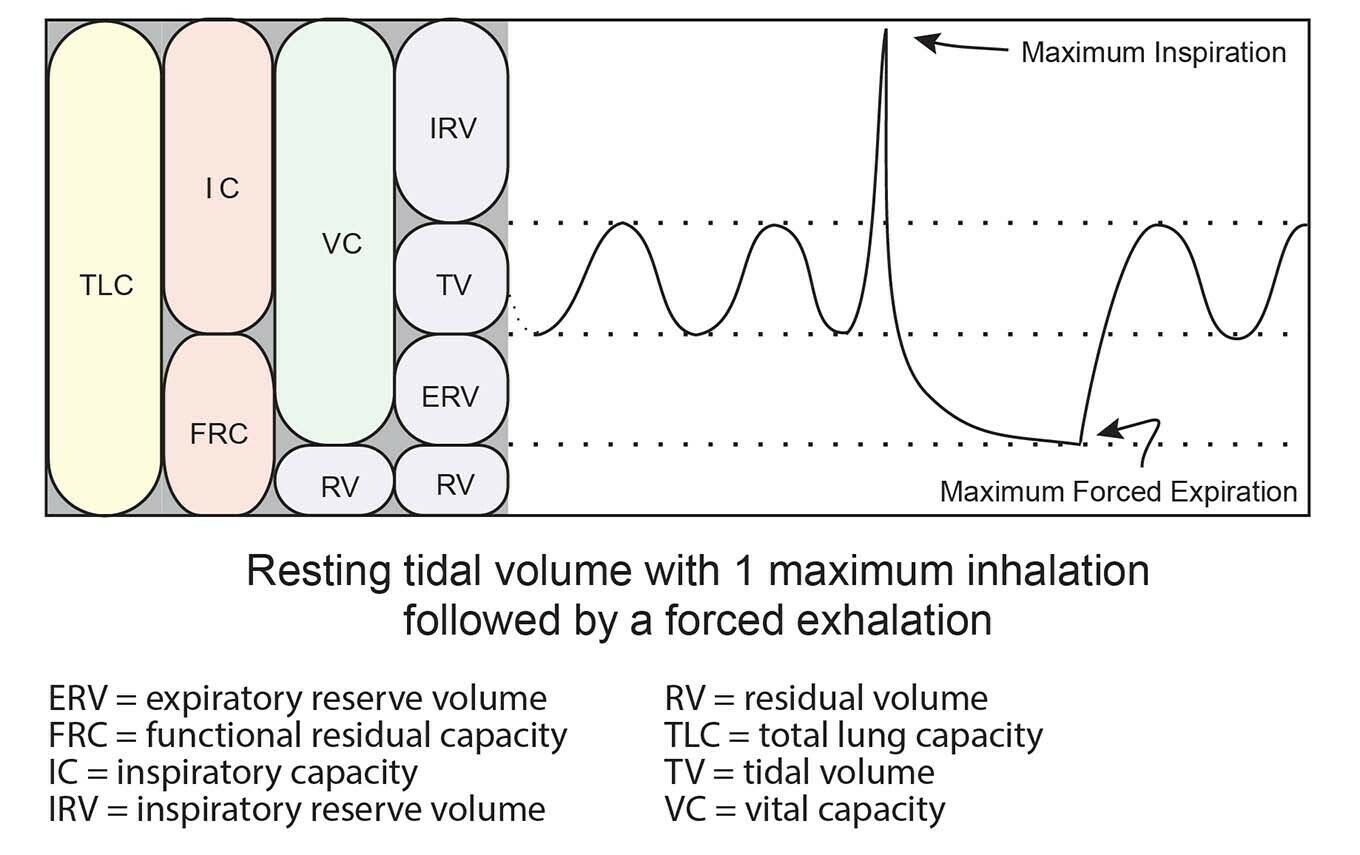
- 178What is TLC - FC? VC - ERV?
- 179What does a scooped expiratory flow-volume suggest?The concavity in the exhalation loop is consistent with an obstructive process including but not limited to:
- asthma, bronchiectasis, cystic fibrosis, COPD - 180How long should asthma medications be withheld prior to a bronchodilator test?No SABAs for 8 hours (albuterol)
No SAMA for 24 hours (ipratropium)
No LABA for 48 hours (formoterol) - 181How much of a response in FEV1 is needed for a positive bronchodilator test?At least 12% increase
- 182What is the first test done for the diagnosis of asthma?pre-/post-bronchodilator spirometry
NOT
methacholine bronchoprovocation
(done only when initial testing is normal and suspicion remains high) - 183What are 3 ways to perform a bronchoprovocation challenge?1. Methacholine
2. Inhaled histamine
3. Cold air - 184What is the PC20 in pulmonary testing?The dose of methacholine needed to drop the FEV1 by 20%
(proxy for how sensitive a patient is to bronchospasm) - 1855 causes of hypoxemia:1. VQ mismatch
2. R-L shunting
3. Decreased alveolar ventilation
4. Decreased diffusion
5. High altitude - 186What are 3 things that can shift the oxyhemoglobin dissociation curve to the right?
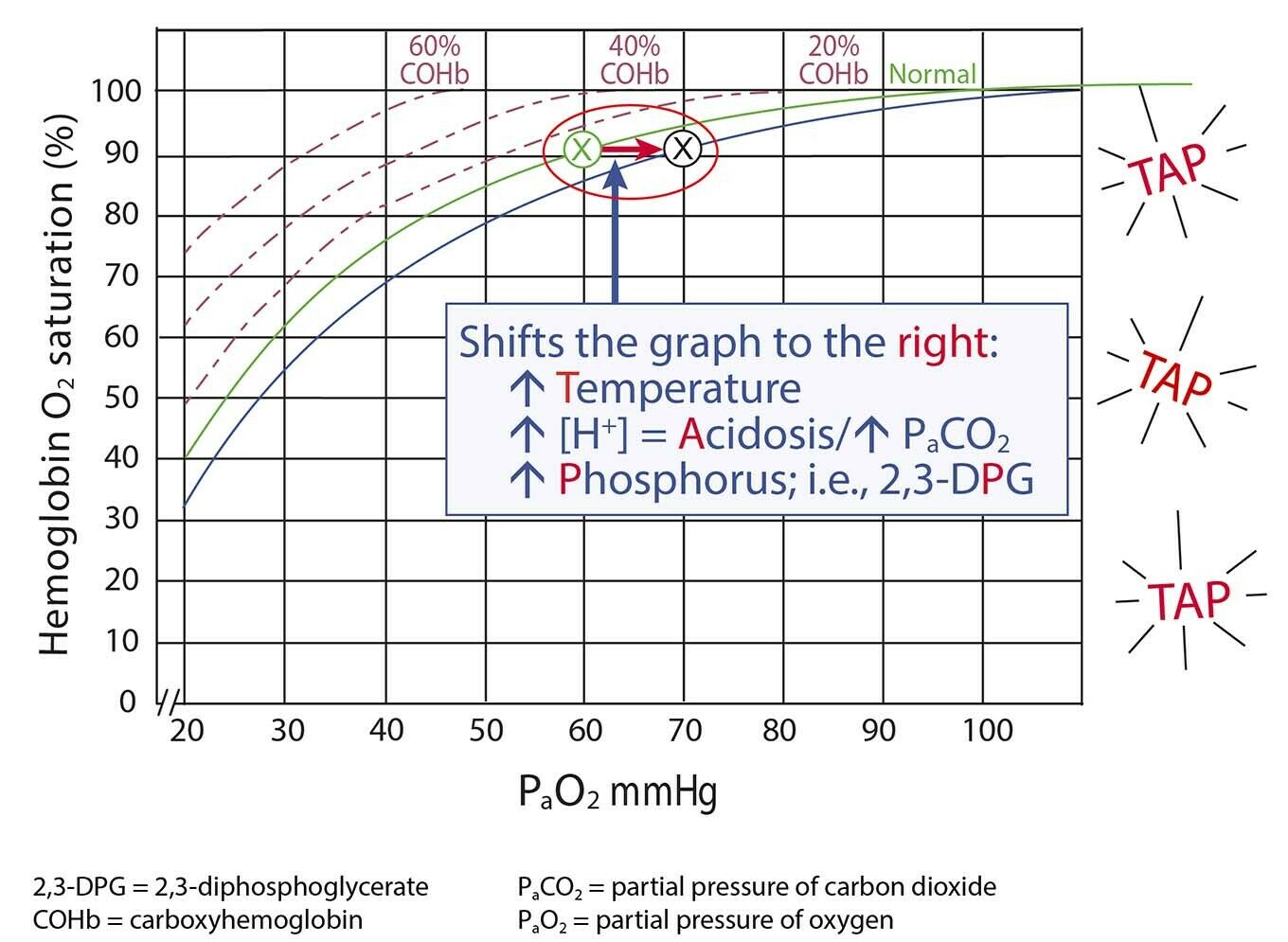
- 187What happens to the oxygen binding affinity when there is more carbon monoxide in the blood?Affinity actually increases and it becomes harder to deliver oxygen in the tissues, increasing metabolic and oxidative burden as seen in CO poisoning
- 188What are symptoms at 25% methemoglobinemia? 40%? 60%?>25% - perioral and peripheral cyanosis is seen
35-40% - fatigue and dyspnea begin and progressively worsen
>60% - coma and death - 189What is the mechanism of action of methylene blue?Reduction of hemoglobin Fe from 3+ to 2+ such that it can bind again
- 190How does pulse oximetry work when there significant levels of CO or methemoglobin?Inaccurately
Same with an ABG. A CO-specific spectrophotometer is needed when CO, methemoglobin, or sulfemoglobin are suspected - 191For a patient with uncomplicated diarrheal Salmonella infection, the treatment is?Supportive
Antibiotics are indicated only for the very old, very young (<3 mo), or immunocompromised - 192What is the incidence of webbed neck in Turner syndrome?25%
- 193What is the incidence of coarctation of the aorta in Turner syndrome?20%
- 194What is the incidence of bicuspid aortic valve in Turner syndrome?50%
- 195MSK features of Turner syndrome?cubitus valgus
genu valgum
short 4th metacarpals
prominent ulnar heads (Madelung deformity) - 196Endocrine features of Turner syndrome?complete gonadal failure
subsequent infertility
higher incidence of autoimmune (Hashimoto) thyroiditis than general population - 197How do constitutional delay and growth hormone deficiency differentiate?Both have short stature and delayed bone age, but in constitutional delay, children have a normal growth velocity
- 198What are the features of Laron Syndrome?short stature
delayed bone age
frontal bossing
saddle nose
blue sclerae - 199Which burns will scar?Deep partial-thickness and deeper
Superficial and superficial partial-thickness typically spared - 200How long does it take for a superficial (1st degree) burn to heal?5-7 days
Informações
- Descrição
- Flashcards derived from AAP/PediaLink PREP assessments as well as MedStudy Pediatrics
- Criado por
- Lawrence Chen
- Visualizações
- 41
- Tags
- Avaliação