
Flashcards
NUTRITIONAL SUPPLEMENTS
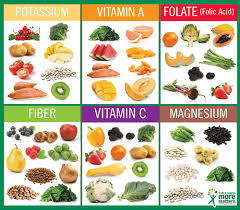
Flashcards do conjunto (35)
- 1—NUTRIENTS
Supplements that provide nourishment and affect the nutritive and metabolic processes of the body - 2—ADMINISTRATION ROUTES
Enteral Nutrition: provision of food and nutrients via the gi tract, by eating or through a feeding tube in patients unable to eat
Parental Nutrition: administration of nutrients by an intravenous route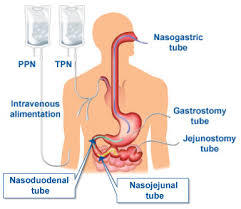
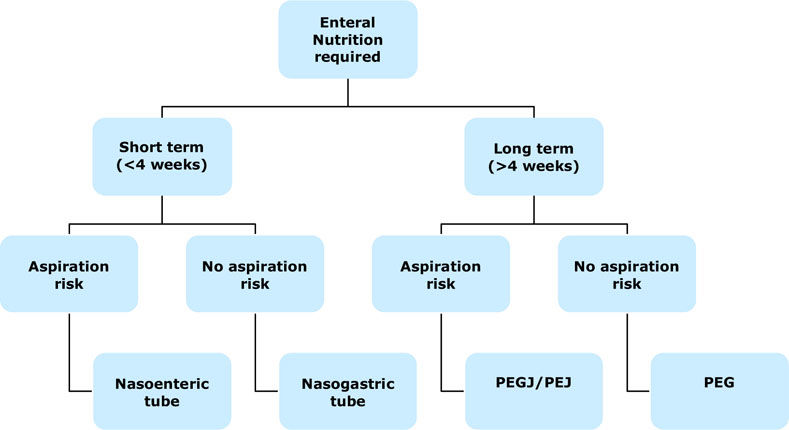
- 3—Routes of Enteral Nutrition Delivery
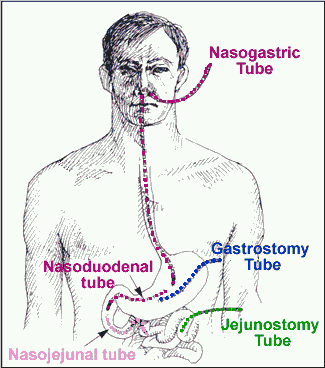
- 4—Tube feeding routes
- 5—MECHANISM OF ACTION AND DRUG EFFECTS
Enteral formula groups provide basic building blocks for anabolism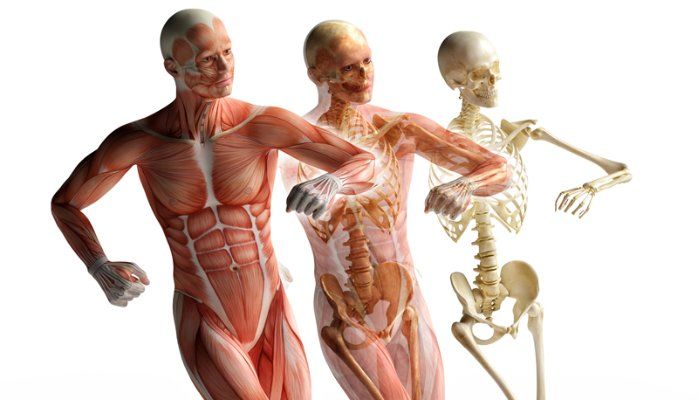
- 6—Enteral Nutrition is used to supplement an oral diet currently insufficient for a patient's nutrient needs

- 7—ENTERAL FORMULATIONS
-Jevity
-Osmelite
-Glucerna
-Ensure
-Vital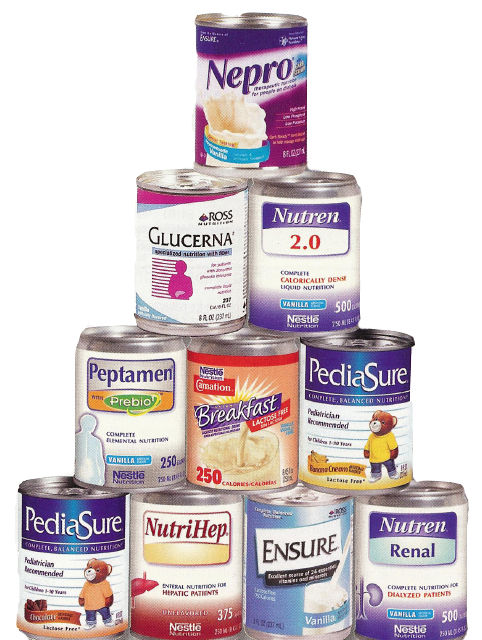
- 8—INDICATIONS
Specific Nutritional Deficiencies: hepatic/renal impairment
General Nutritional Deficiencies:
Inability to consume or digest normal foods
- 9—diarrhea, dumping syndrome (intestinal disturbances), aspiration pneumonia (especially in patients with compromised mental status, gag reflex, and general mobility)

- 10—Four most commonly used
1. Elemental
2. Polymeric
3. Modular
4. Altered amino acid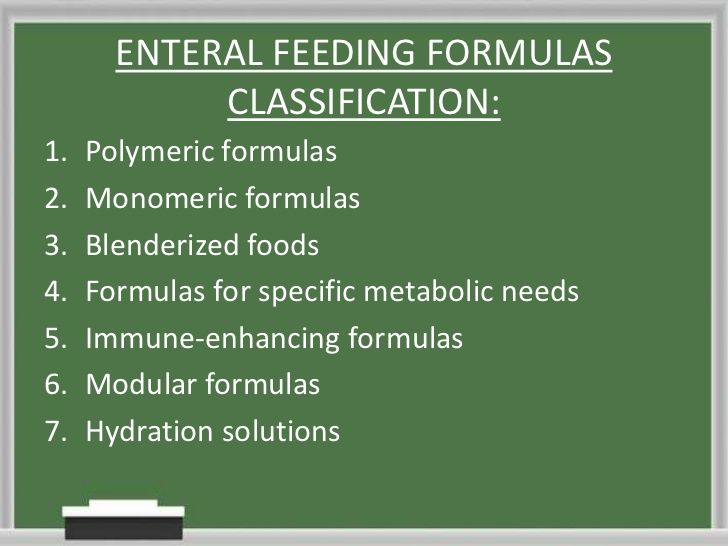
- 11—ELEMENTAL FORUMULATIONS
contain dipeptides, tripeptides, or crystalline amino acids; minimal digestion required
For patients with pancreatitis, partial bowel obstruction, bowel fistulas
Others:Vivonex, Vivonex+, Peptamen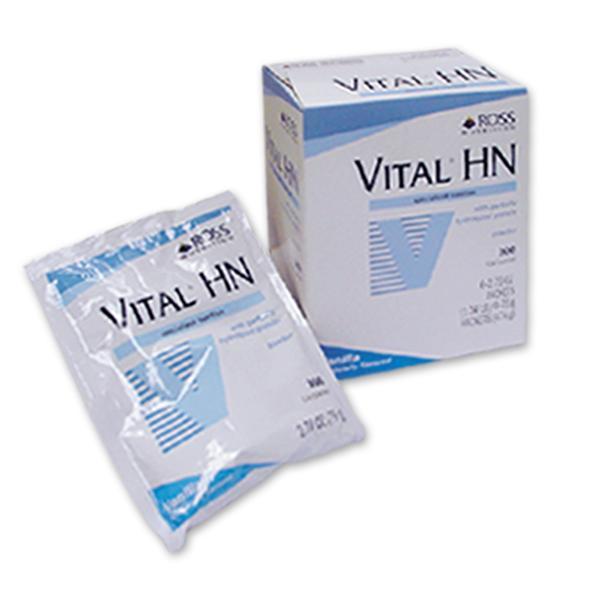
- 12—POLYMERIC FORMULATIONS
contain complex nutrients derived from proteins, carbs, and fat; closest formula that resembles dietary intake;for patients with fully functional GI tract and no specialized nutritional needs
Others: Jevity, Ensure, Ensure+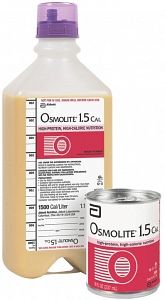
- 13—MODULAR FORMULATIONS
Made up of carbohydrates, fat, and protein - 14—CARBOHYDRATE FORMULATION
carry carbohydrates only; Used in addition to monomeric or polymeric formulations to provide an individualized special nutrient mix; liquid formulation only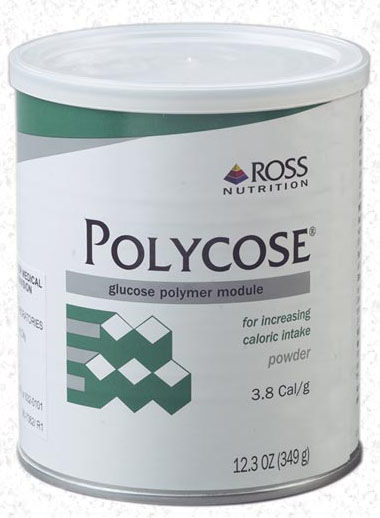
- 15—FAT FORMULATION
Given to help individualize nutrient formulations; for patients with malabsorption, pancreatitis, and other GI disorders; liquid formulation only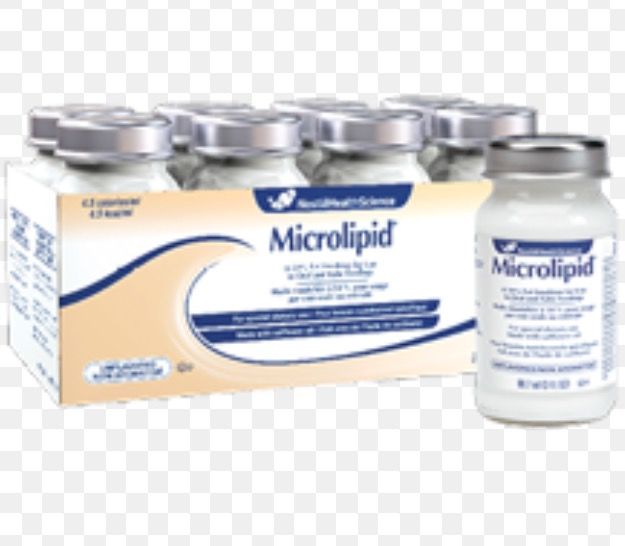
- 16—PROTEIN FORMULATION
Increase patient's protein intake; derived from whey, casein, egg whites, and amino acids; formula is dried powder mixed with water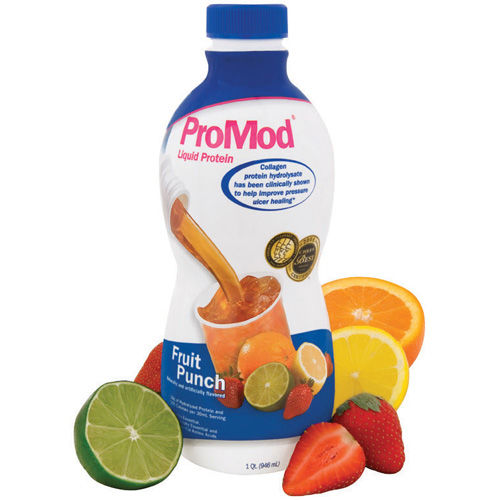
- 17—ALTERED AMINO ACID FORMULATIONS
Also listed as modular formulations; used as both single-nutrient formulas and nutritional formulations for patients with genetic metabolic disorders: phenylketonuria, homocystinuria, maple syrup urine disease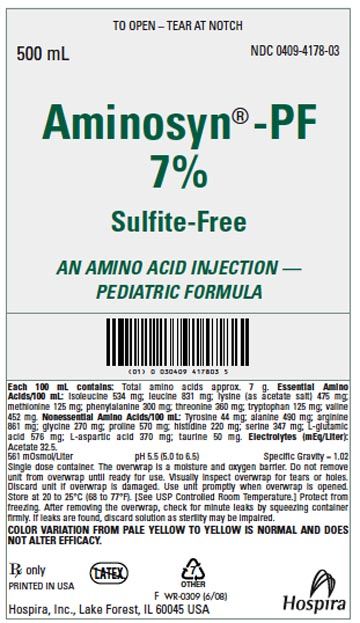
- 18—PARENTAL NUTRITION
TPN
(IV Route) For patients unable to tolerate and/or maintain adequate enteral or oral intake; composed of vitamins, minerals, amino acids, dextrose, and lipids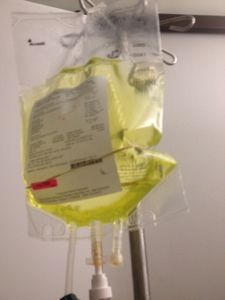
- 19—Supplies all of calories, carbs, amino acids, fats, trace elements, vitamins, and minerals needed for growth, weight gain, wound healing, convalescence, immunocompetence
administered via central or peripheral vein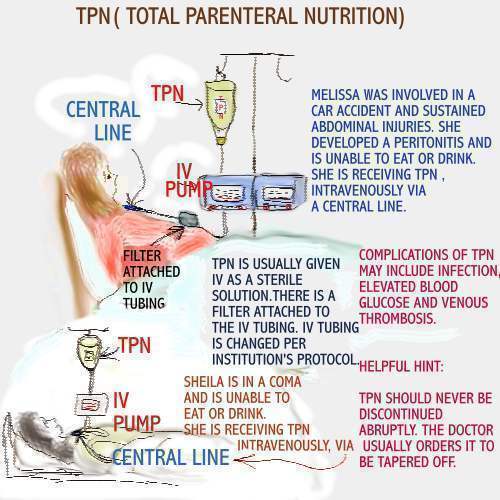
- 20—PERIPHERAL TPN
administered via a peripheral vein to deliver nutrients to patient's circulatory system (usually a temporary method)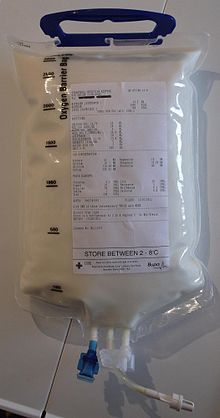
- 21—INDICATIONS
Used to administer nutrients to patients who need more than their current oral intake can supply or provide daily nutrition
example: anorexic patient, patient with gi illness preventing food intake
- 22ADVERSE EFFECTSADVERSE EFFECTS
*Phelebitis (vein irritation of inflammation of a vein) is the most devastating effect of PPN
*Fluid overload
- 23—Central Total Parenteral Nutrition
nutrients are delivered through a large central vein into patient's circulation via subclavian or internal jugular vein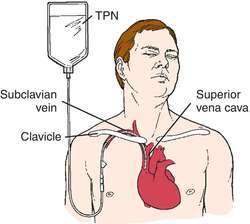
- 24—Central TPN is used to supply nutrients to patients who can not ingest nutrients by mouth and can't meet nutritional needs by enteral or parental routes

- 25—Most common are associated with the use of central vein delivery
-greater potential for infection
-catheter induced trauma
-greater chance for metabolic complications (hyperglycemia)
- 26So, what is the difference? (between peripheral and central TPN)PERIPHERAL CENTRAL
-short (<14 days) long (7+days)
-high fluid tolerance fluid restricted
<3% amino acids >3% amino acids
<2000 kcal/day >2000 kcal/day
supplemental total (nutrition)
- 27—TPN COMPONENTS
-amino acids
-carbohydrates
-lipids
-trace elements
-vitamins
-fluid and electrolytes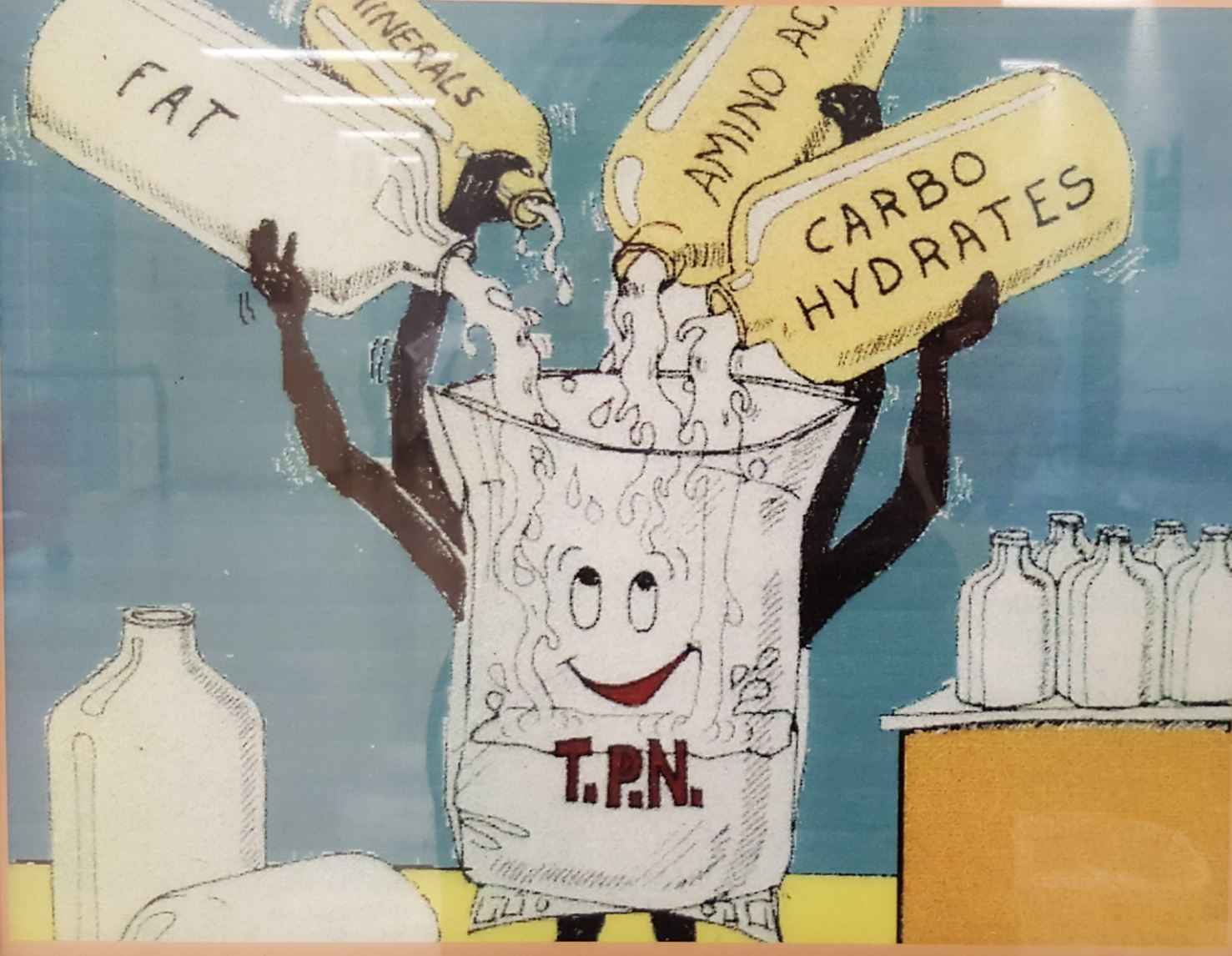
- 28—-protein synthesis is primary role
-source of protein and calories
-examples: Aminosyn 3%, 5%, 10% and FreAmine III 8.5% and 10%
-essential amino acids are not produced by the body
- 29—CARBOHYDRATES
-supplied to patient through dextrose; the greatest source of calories providing 3.4 kcal/g
Dextrose concentrations
PPN 10%-50%
Central TPN: 25%-35%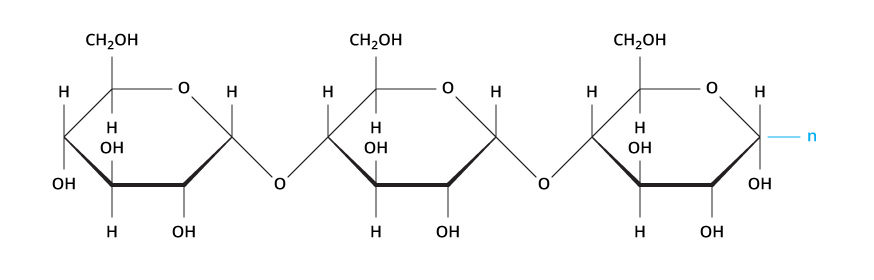
- 30—IV FATS EMULSION
-supply essential fatty acids
-source of energy or calories
-40%-50% of the calories are obtained through fat grams
-certain fatty acids are essential because the body does not produce them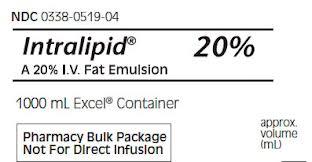
- 31—TRACE ELEMENTS
-essential component of TPN
-Vitamins and other minerals may be added accordingly
-MVI (multivitamin infusion): common multivitamin combination
- 32—ASSESSMENT
Assess before administering an enteral supplement:
- a history of allergic reaction to contents of the solution
-cardiac/renal status
-ability to swallow, bowel sounds, gag reflex
- 33—ASSESSMENT
Assess before administering parental nutrition:
-allergies to components of solution (proteins, minerals, vitamins, etc,)
-knowledge base of parental nutrition and its intended route
-serum glucose, cardiac rhythm,
-lab values
- 34—Therapeutic responses to nutritional supplements:
-improved well being, energy, strength, and performance of ADLS
-improved nutritional status via labs
(BUN, total protein, insulin, and glucose levels)
-Monitor for adverse effects during and after therapy (MD appointments or home health RN)
- 35—

Informações
- Descrição
- FlashCards sobre NUTRITIONAL SUPPLEMENTS, criado por Kimberly Harding em 21-07-2017.
- Criado por
- Kimberly Harding
- Visualizações
- 43
- Avaliação