Fluxograma
Comparative table for Glucose, Fructose, Galactose, Sucrose, Maltose.
Conteúdo do fluxograma
Glucose
Fructose
Galactose
Sucrose
Maltose
One of a group of carbohydrates known as simple sugars.
It is found in fruits and honey and is the major free sugar circulating in the blood of higher animals. It is the source of energy in cell function, and the regulation of its metabolism is of great importance.
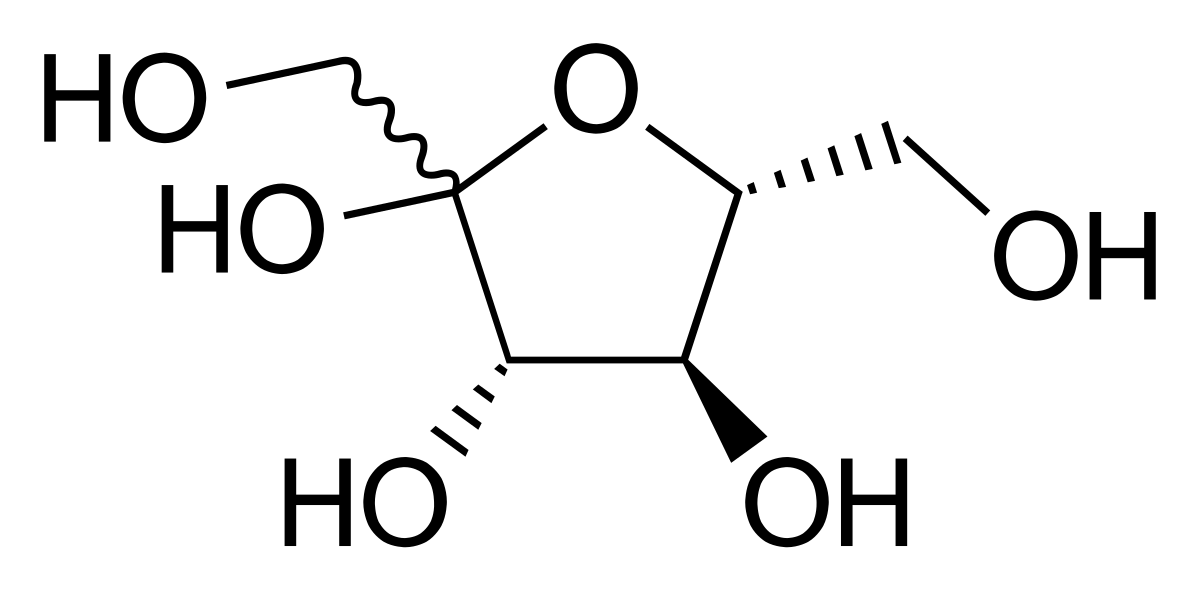
is a ketose, though, whereas glucose and galactose are aldoses. Fructose has a reducing group (carbonyl) at carbon 2. This is in contrast to an aldose that has its carbonyl group at carbon 1.
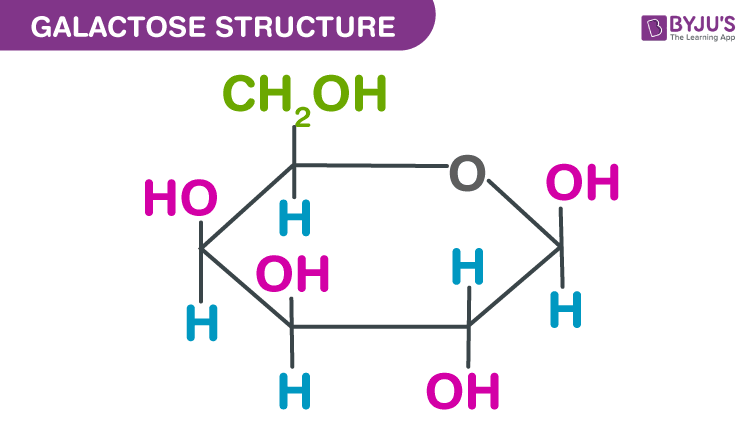
is a hexose widely used to build up biologically functional glycoconjugates in living organisms. When combined with glucose through covalent bonds, it makes the widely known lactose, a disaccharide largely found in milk.
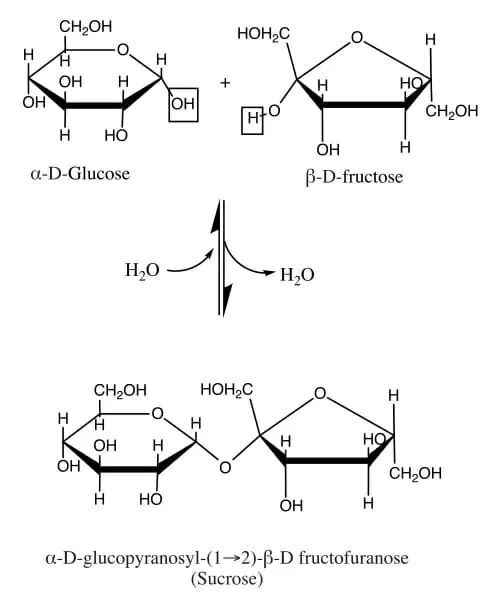
is a carbohydrate formed from the combination of glucose and fructose. Glucose is the simple carbohydrate formed as a result of photosynthesis. Fructose is nearly identical, except for the location of a double-bonded oxygen. They are both six-carbon molecules, but fructose has a slightly different configuration. When the two combine, they become sucrose.
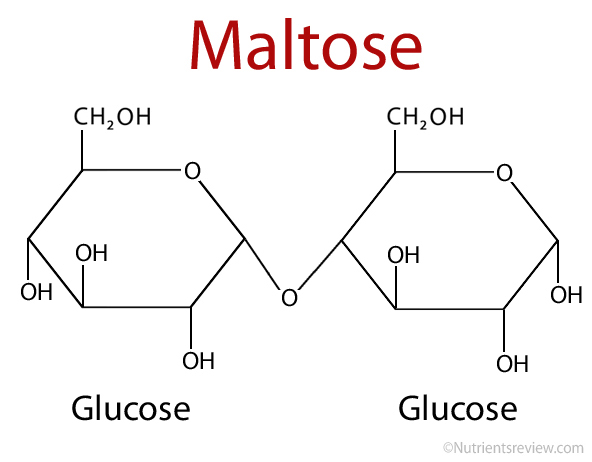
Carbohydrate combining two glucose units; it's a disaccharide. Glucose: carbohydrate containing 6 carbons, 6 oxygens, and 12 hydrogens. Amylase: an enzyme that allows the body to break down starches by either breaking the starch into individual glucose units or into maltose.
Molecules of starch, the major energy-reserve carbohydrate of plants, consist of thousands of linear glucose units. Another major compound composed of glucose is cellulose, which is also linear. Dextrose is the molecule D-glucose.
Fructose is the most water-soluble and has lowest melting point (i.e. 103 °C) among the three. It is also the sweetest not just among the natural monosaccharides but of all natural carbohydrates. The relative sweetness though decreases as it is heated with increasing temperature.
is a simple sugar that is normally transformed in the liver before being used up as energy. This sugar is quite abundant in human diets and helps in a number of functions. Because galactose is a precursor to glucose production, it is an important energy-providing nutrient.
Glucose and fructose are both monosaccharides, but together they make the disaccharide sucrose. This is an important process for the storage and compression of energy. Plants do this to make it easier to transport large amounts of energy, via sucrose. This process can be seen in the following image.