
1007093
Descrição

Mapa Mental por Arya Toleti, atualizado more than 1 year ago

|
Criado por Arya Toleti
mais de 11 anos atrás
|
|
MRSA + C.Difficile
- Stands for : Methicillin-resistant
Staphylococcus aureas
- Scientific name is :
Staphylococcus aureas
- Can also be called ORSA
- Stands for :
Oxacillin-resistant
Staphylococcus aureas
- Stands for :
Oxacillin-resistant
Staphylococcus aureas
- Scientific name is :
Staphylococcus aureas
- Resistant Bacterium
- MRSA is a strain of common
infection-causing bacterium
- Resistant to
particular types
of antibiotics
- Resistance caused by adaptation
to antibiotics in the past 20 years
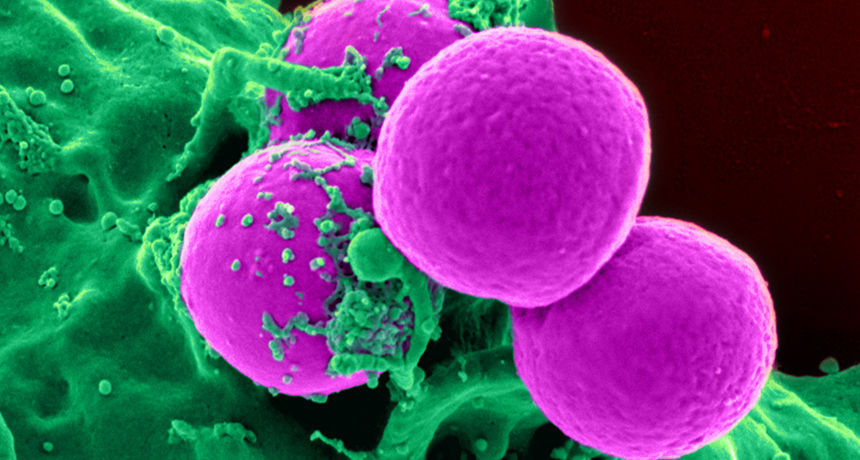
- (Picture of MRSA)
- MRSA is a strain of common
infection-causing bacterium
- Treatments
- Usage of special cream,
soaps and shampoo
- Treated by specialized
antibiotics
- Vancomycin and Teicoplanin
- (Picture of Teicoplanin injection kit)
- (Picture of Teicoplanin injection kit)
- Vancomycin and Teicoplanin
- Usage of special cream,
soaps and shampoo
- How is it spread?
- Commonly spread from
physical contact with skin
and other shared objects
- Commonly spread from
physical contact with skin
and other shared objects
- Where is it found?
- Hospitals and prisons
- This is due to shared usage of items, open
wounds and weakened immune systems
- MRSA is hazardous to vulnerable
people in hospitals and prisons as it is
hard
- This is due to shared usage of items, open
wounds and weakened immune systems
- Hospitals and prisons
- Precautions
- Generally
- Wash hands regularly; especially after
using the lavatory and before eating.
- Do not share objects that may with other people have
made contact e.g. towels, soaps etc...
- Have antibiotic guidelines to prevent viruses
such as MRSA
- Wash hands regularly; especially after
using the lavatory and before eating.
- In hospital
- Improve ward inspection
and regular cleansing of
shared objects e.g. bedding
- Screen patients for MRSA
- Improve ward inspection
and regular cleansing of
shared objects e.g. bedding
- Generally
- Symptoms
- MRSA can be
recognized as pimples
and boils on the skin
- MRSA can be
recognized as pimples
and boils on the skin
- Gram-positive
spore-forming bacterium
- C.Difficile is an ' infectious
diarrhea ' causing bacterium
- Effects can range from mild diarrhea to
life threatening bowel inflammation
- Produces spores
- The infection is usually caused
after having taken antibiotics
- The antibiotics can kill harmless bacteria in the gut, thus reducing the
amounts of bacteria allowing C. Difficile to reproduce in large
quantities
- This bacteria then releases toxins which are
harmful in large doses causing diarrhea
- This bacteria then releases toxins which are
harmful in large doses causing diarrhea
- The antibiotics can kill harmless bacteria in the gut, thus reducing the
amounts of bacteria allowing C. Difficile to reproduce in large
quantities
- (Picture of C. Difficile)
- C.Difficile is an ' infectious
diarrhea ' causing bacterium
- Scientific name is : Clostridium difficile
- This name derives from two languages
- Greek : Kloster ; meaning ' spindle '
- Latin : difficile ; meaning difficult
- Greek : Kloster ; meaning ' spindle '
- This name derives from two languages
- Treatments
- Treated by specialized
antibiotics
- Vancomycin and Metronidazole
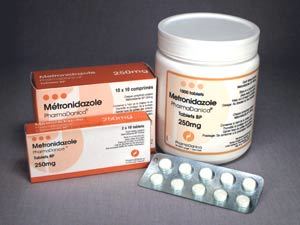
- (Picture of Metronidazole
tablets)
- (Picture of Metronidazole
tablets)
- Vancomycin and Metronidazole
- Stopping intake of antibiotics that could
potentially enhance the infection
- Treated by specialized
antibiotics
- How is it spread?
- C. Difficile is a bacterium
that produces spores.
- These spores can be
transmitted to anyone
- These spores can be
transmitted to anyone
- C. Difficile is a bacterium
that produces spores.
- Where is it found?
- C. Difficile dwells harmlessly in your
gut in small numbers (in context)
- C. Difficile dwells harmlessly in your
gut in small numbers (in context)
- Precautions
- Generally
- Wash hands regularly; especially
after using the lavatory
- Wash hands regularly; especially
after using the lavatory
- In hospital
- Strict hygiene measures and
good cleaning practises
- Stopping unnecessary
prescription of antibiotics
- Strict hygiene measures and
good cleaning practises
- Generally
- Symptoms
- Diarrhea, nausea, loss of
appetite and abdominal pain
- Diarrhea, nausea, loss of
appetite and abdominal pain
Anexos de mídia


Quer criar seus próprios Mapas Mentais gratuitos com a GoConqr? Saiba mais.