
Mapa mental
Type 2 Diabetes Mellitus

Conteúdo do mapa
Type 2 Diabetes Mellitus
PATHOGENESIS
- Type 2 diabetes is a consequence of pathophysiologic changes that make diabetics vulnerable to subsequent disruption of normal glucose homeostasis.
- Insulin resistance is often the primary metabolic abnormality in Type II Diabetes
- Etiological Factors
- Increased Food Consumption
- Sedentary Lifestyle
- Genetics
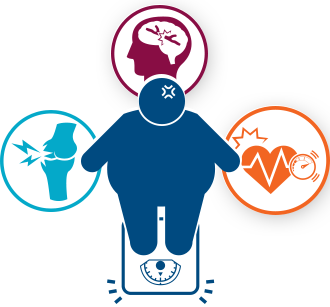
- OBESITY
- Less glucose utilization in liver
- Fat and muscles do not utilize glucose as well
- Decreased sensitivity to insulin
- INSULIN RESISTANCE
- Increased insulin demand and release
- HYPERGLYCEMIA
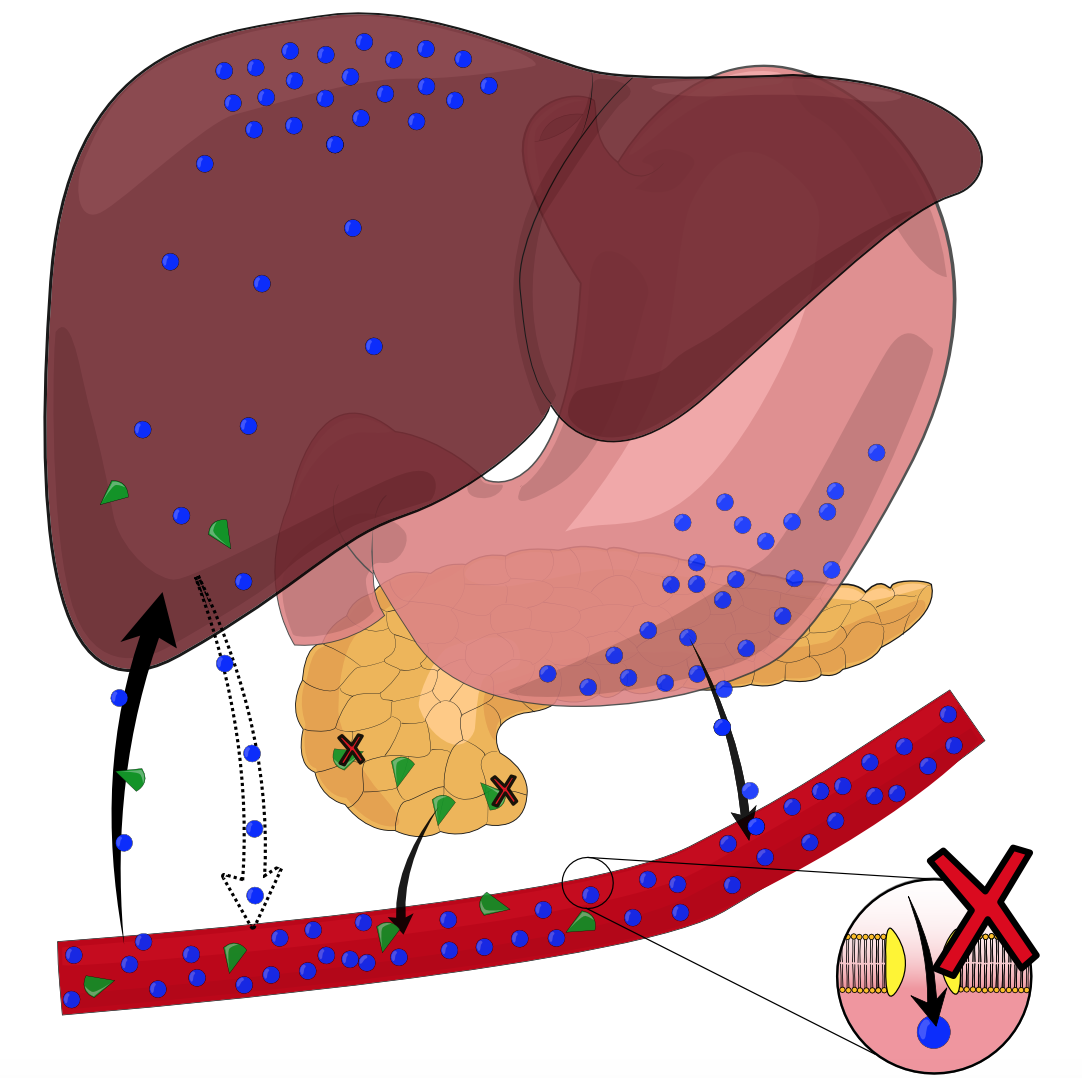
- Due to the lack of glucose absorption by cells, the liver releases glucose into the bloodstream in attempt to supply organs that need glucose (cell starvation).
- HYPERGLYCEMIA
- Excess glucose is not absorbed by cells of organs even when there is resistance; receptors do not work properly. Thus, increasing blood sugar in the blood stream
- ABNORMAL
- <-- Glucose is unable to enter cells despite the presence of insulin
- Increased insulin demand and release
- INSULIN RESISTANCE
- CELL STARVATION
- Increased Gluconeogenesis
- Increased Glycogenolysis
- a or death if left untreated.
- Increased Gluconeogenesis
- Decreased sensitivity to insulin
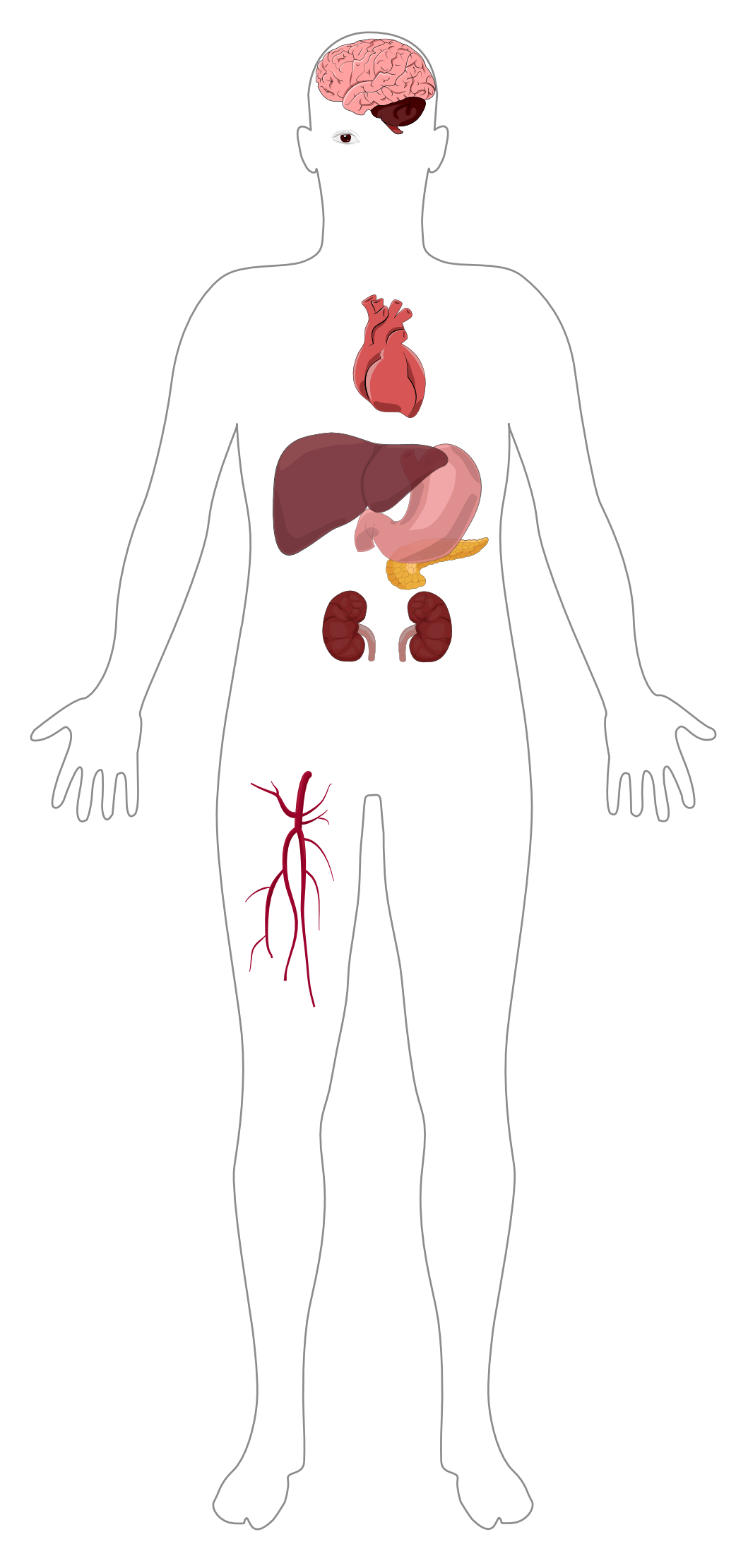
- KIDNEYS
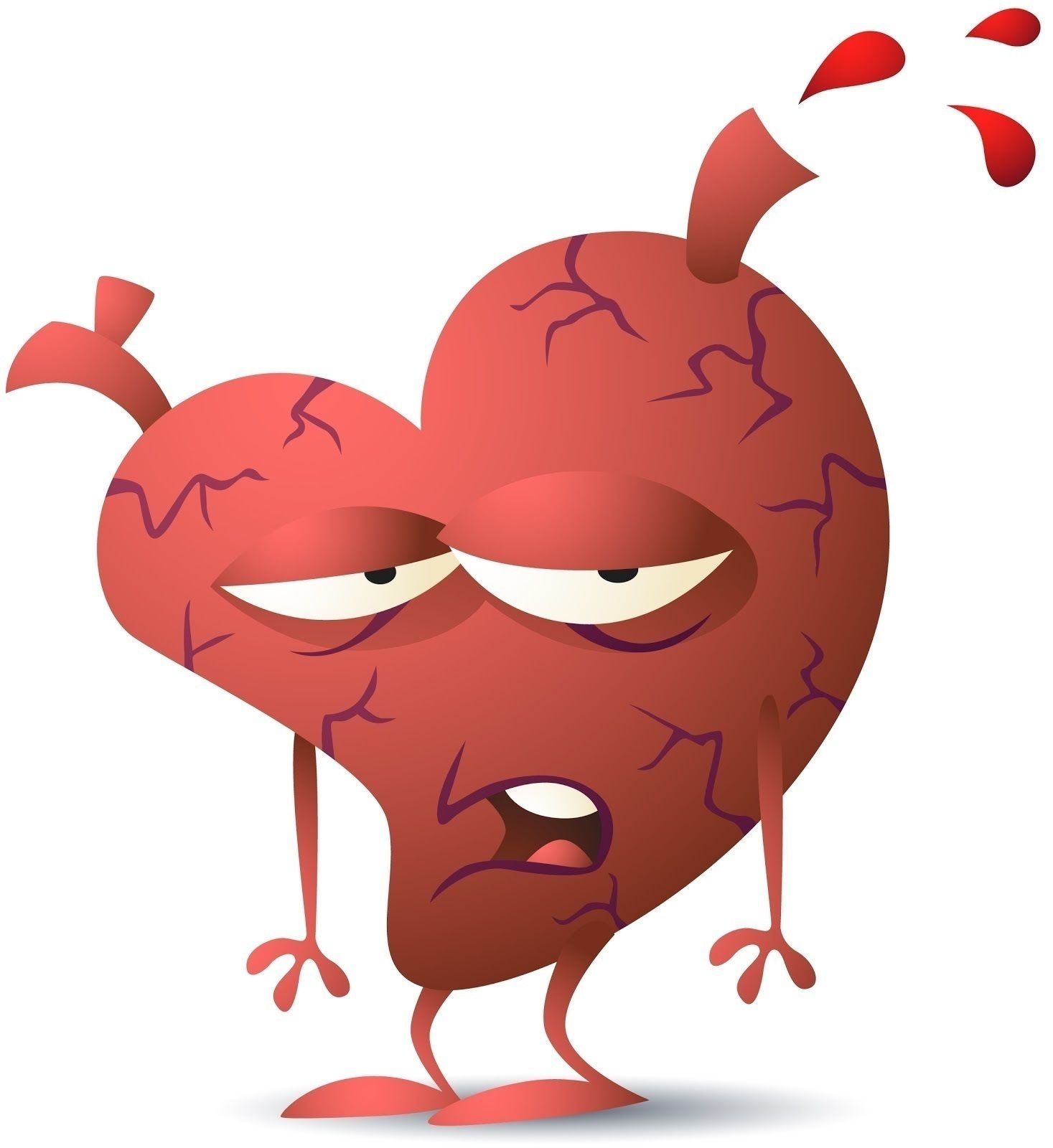
- HEART
- EYES
- BRAIN
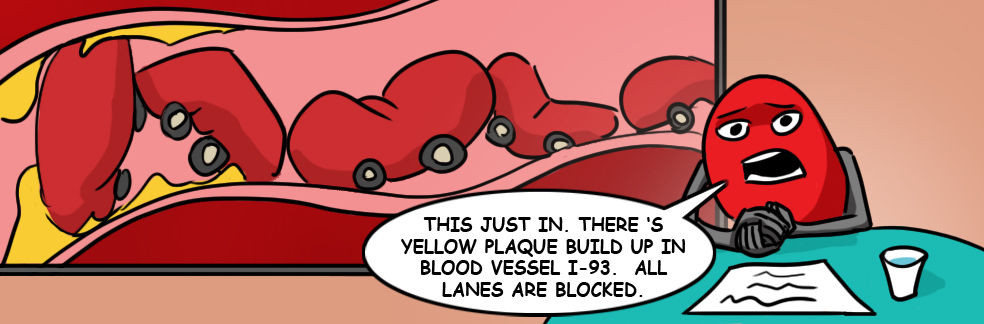
- Increased build-up of plaque in arteries keep blood from flowing to the brain
- STROKE
- High blood pressure is a leading risk factor for stroke
- Brief loss of consciousness
- Dizziness
- Sudden, inability to move part of the body
- HEADACHE
- HEADACHES
- STROKE
- COMA
- If cells are unable to get energy from glucose, the body will try to convert fats and proteins into sugar. The liver forms ketone bodies for energy, but in high enough levels, ketoacidosis will occur. This can lead to coma or death if left untreated.
- Increased build-up of plaque in arteries keep blood from flowing to the brain
- High blood glucose and high blood pressure damages blood vessels in eyes
- RETINOPATHY
- Blurred Vision
- RETINOPATHY
- BRAIN
- Studies report a positive correlation between hypertension and insulin resistance
- HYPERTENSION
- Chest Pain
- Myocardial infarction
- Chest Pain
- HYPERTENSION
- PANCREAS
- Abnormalities in insulin secretion
- EYES
- Increased Urination
- Loss of Electrolytes
- Frequent Urination
- Hyponatremia (Low Na+)
- Hypokalemia (Low K+)
- Hypochloremia (Low Cl-)
- KIDNEYS
- Hypochloremia (Low Cl-)
- Hypokalemia (Low K+)
- Hyponatremia (Low Na+)
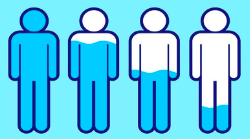
- DEHYDRATION
- Hyperosmolarity
- Cell Shrinkage
- Slow Blood Flow
- Cell Shrinkage
- Brittle Nails
- BRAIN
- EYES
- HEART
- ANGINA
- KIDNEYS
- BLOOD VESSELS
- FEET
- Blue-tinged skin
- EXTREMITIES
- Burn
- EXTREMITIES
- Stabbing pain
- Burning pain
- NERVE DAMAGE
- Problems with positional awareness
- Fainting
- Weakness
- Excessive sweating
- Trouble digesting food
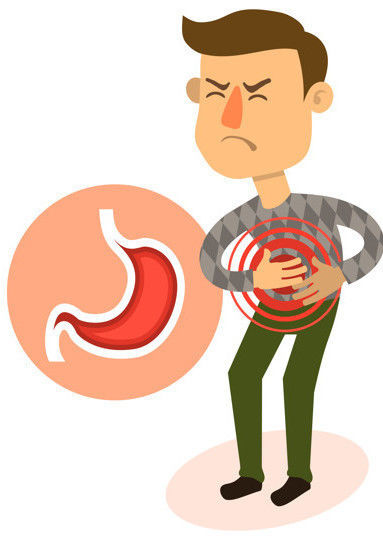
- Stomach spasm
- Constipation
- Problems with positional awareness
- Burn
- EXTREMITIES
- Blue-tinged skin
- FEET
- BLOOD VESSELS
- Pain on arms, shoulder, back and chest
- Excessive Sweating
- Shortness of breath
- KIDNEYS
- Myocardial Infarction
- STOMACH
- Polyphagia
- Always hungry
- Increased food-intake (if uncontrolled)
- PARADOX: Increased food-intake does not equate to weight gain. In fact, diabetics will experience weight-loss due to the decreased usage of glucose.
- Increased food-intake (if uncontrolled)
- Always hungry
- Nausea
- Vomitting
- SMOOTH MUSCLE DISORDERS
- Vomitting
- Heartburn
- Acid reflux
- Acid reflux
- Stomach spasm
- Polyphagia
- STOMACH
- ANGINA
- Blurred Vision
- Blurred Vision
- HEART
- Exhaustion
- Headaches
- Muscle weakness
- INSOMNIA
- Difficulty staying asleep
- Waking up too early
- Daytime tiredness
- Ongoing worries about sleep
- Stress
- Anxiety
- Stress
- Ongoing worries about sleep
- MENTAL
- Irritability
- Anger
- Easily upset
- One of the things the thalamus is responsible for is emotional self-control. .
- The thalamus' emotional control will not be regulated with insufficient insulin.
- One of the things the thalamus is responsible for is emotional self-control. .
- Easily upset
- Anger
- Anxiety
- Lack of concentration
- Mood Swings
- Memory loss
- High glucose levels, over many years, can damage nerves, including those of the brain, which can increase the risk of memory loss.
- DEMENTIA
- High glucose levels, over many years, can damage nerves, including those of the brain, which can increase the risk of memory loss.
- Depression
- Lack of concentration
- Irritability
- EYES
- BRAIN
- Dry Skin
- Thin Hair
- Poor skin turgour
- Hypovolemia (decreased blood volume)
- Ischemia (inadequate blood supply)
- Hypoxia (decreased Oxygen content)
- Anaerobic Metabolism
- Lactic Acid Build-Up
- MUSCLE SPASM
- Pain
- MUSCLE SPASM
- Lactic Acid Build-Up
- CELL NECROSIS
- Gangrene
- Impaired Tissue Integrity
- Gangrene
- CYANOSIS
- Cold feet
- Numbness
- Deformed feet
- Blisters our wounds without pain
- FOOT ULCERS
- Swelling
- Discolouration
- Callused skin surrounding ulcer
- iNFECTIONS
- Fever
- Chills
- Shaking
- Shock
- FOOT ULCERS
- Numbness
- Cold feet
- Anaerobic Metabolism
- Hypoxia (decreased Oxygen content)
- Ischemia (inadequate blood supply)
- Hyperosmolarity
- Frequent Urination
- Loss of Electrolytes
- HEART
- LIVER
- BLOOD VESSELS
- FEET
- Nerve damage
- High blood glucose can damage nerves to pain, weakness and numbness in hands and feet
- Nerve damage
- Plaque build-up damages blood vessels
- Insulin resistance weakens blood vessels as well.
- Together, these can raise blood pressure to dangerous levels
- VS,
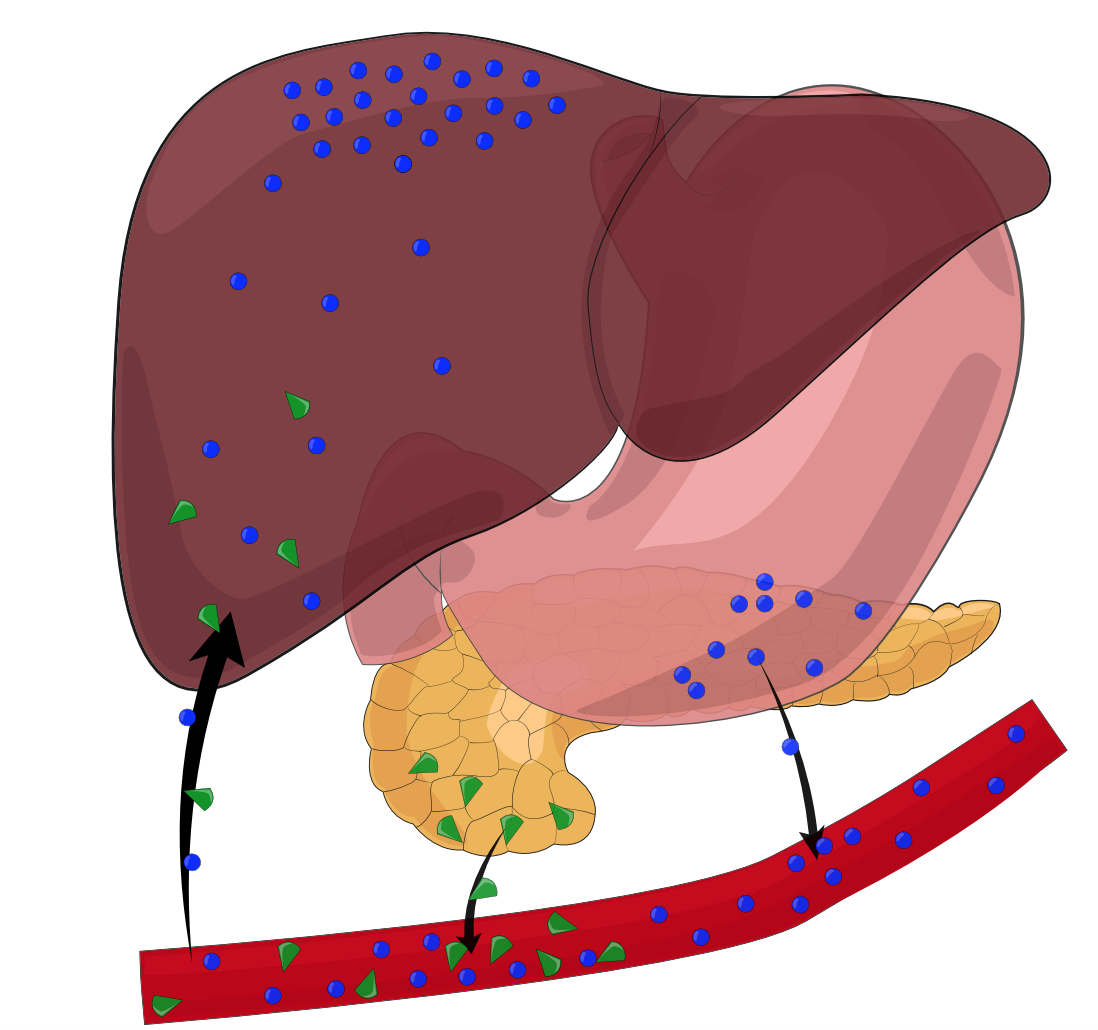
- NORMAL
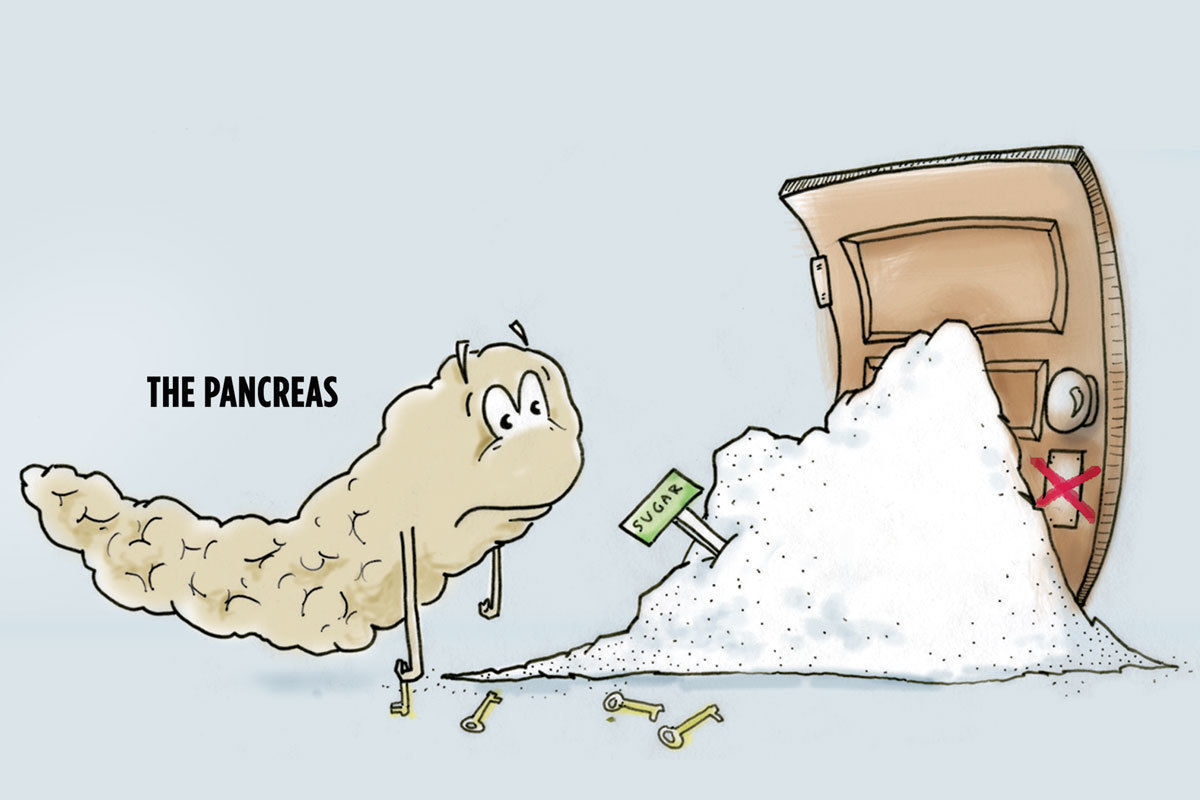
- Insulin escorts and allows glucose into your cells, where it is needed for energy. Without insulin, glucose will remain floating in your bloodstream.
- HEART DISEASE
- VS,
- Together, these can raise blood pressure to dangerous levels
- Insulin resistance weakens blood vessels as well.
- FEET
- Fat and muscles do not utilize glucose as well
- Less glucose utilization in liver
- OBESITY
- Due to an increase in blood sugar, beta cells release insulin. But with prolonged release, beta cells become exhausted and eventually atrophy, which later decreases insulin production
- Etiological Factors
- Insulin resistance is often the primary metabolic abnormality in Type II Diabetes
- Type 2 diabetes is a consequence of pathophysiologic changes that make diabetics vulnerable to subsequent disruption of normal glucose homeostasis.
SIGNS AND SYMPTOMS
- There are many signs and symptoms that indicate diabetes. However, symptoms for Type 2 Diabetes are mild and unnoticeable until it's too late.
NURSING INTERVENTION
- Nurses, along with the health care team, ensure that patients are educated about type 2 diabetes and all about anti-diabetic medication. Diabetics need to know how to have proper nutrition and have a physically active lifestyle. Additionally, monitoring blood glucose level is vital for each diabetic individual.
- NUTRITION
- REDUCTION IN CALORIES
- It is important to reduce foods that are high in fat and sugar. The following are examples...
- Carbonated drinks and sugary juices
- Highly processed carbohydrates and foods
- Foods with trans fat and high-fat animal
- Artificial sweeteners and high fructose corn syrup
- It is important to reduce foods that are high in fat and sugar. The following are examples...
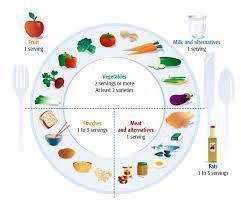
- BALANCE OF NUTRITION
- Energy input should not be more than energy output
- Try to make.... Energy Input = Energy Output
- Carbohydrates
- Fats
- Proteins
- Protein helps keep blood glucose levels stable, promotes satiety, and beats cravings
- Eggs and Soy foods
- Lean meats (ex. chicken, or turkey breast)
- Legumes and beans
- Fish (ex. salmon, cod)
- Plant based protein (ex. chia seeds, lentils)
- Protein helps keep blood glucose levels stable, promotes satiety, and beats cravings
- Try to incorporate plant-based fats in your diet as it helps lowers risk for heart disease
- Avocado
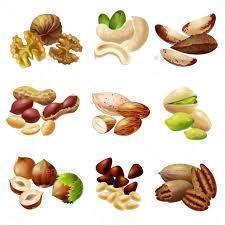
- Nuts and Seeds (ex. almonds, walnuts, sunflower seeds)
- Healthy oils (ex. olive oil, flaxseed oil, sesame oil)
- Reduce the amount of fats from animal meat
- Proteins
- Have foods that have a low glycemic load and high fibre content, such as complex carbohydrates.
- Whole wheat
- Vegetables
- Fruits
- Quinoa
- Avoid simple carbohydrates because they raise blood glucose levels
- White bread, potatoes, & pasta
- Sweets: cookies, pastries, cake
- Fats
- Energy input should not be more than energy output
- REDUCTION IN CALORIES
- BLOOD GLUCOSE MONITORING
- Check blood glucose levels before and after meals and when you are doing physical activity
- Self-Monitoring of Blood Glucose (SMBG)
- Self-monitoring can give patients the confidence and freedom to live their life without being too worried about their diagnosis
- Diabetics can make their own decisions about what to eat and how to maintain a healthy active lifestyle
- Requires training from a health care professional
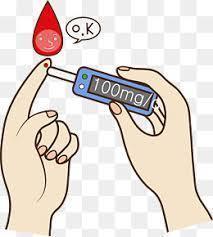
- Glucometer to Check Blood Glucose Levels
- Use a lancet to obtain blood sample from the side of a fingertip and add it on channel of the glucose meter strip
- Make sure enough blood is inputted and wait for results
- Target level of blood glucose BEFORE meals = 4 -7 mmol/L
- Target level of blood glucose AFTER meals = under 8.5 mmol/L
- Target level of blood glucose BEFORE meals = 4 -7 mmol/L
- Make sure enough blood is inputted and wait for results
- Use a lancet to obtain blood sample from the side of a fingertip and add it on channel of the glucose meter strip
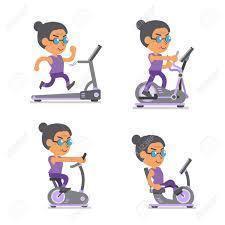
- PHYSICAL ACTIVITY
- Exercise has numerous benefits for diabetic patients
- Physical activity decreases blood glucose levels thus reducing hyperglycemia
- It can increase insulin receptor sites so that cells can store more glucose
- Weight loss
- Aim to have at last 150 minutes of moderate to vigorous physical activity a week
- Moderate to vigorous activity includes an increase in heart rate and respiratory rate, and involves perspiration
- Brisk walking
- Biking
- Dancing
- Sports: Badminton, tennis
- Swimming
- Moderate to vigorous activity includes an increase in heart rate and respiratory rate, and involves perspiration
- To prevent hypoglycemia from occurring during exercise, have a snack every 20-30 minutes. Examples of snacks: fruit, granola bars, yogurt.
- Monitor blood glucose levels before, during, and after physical activity
- Exercise has numerous benefits for diabetic patients
- ANTI-DIABETIC MEDICATION
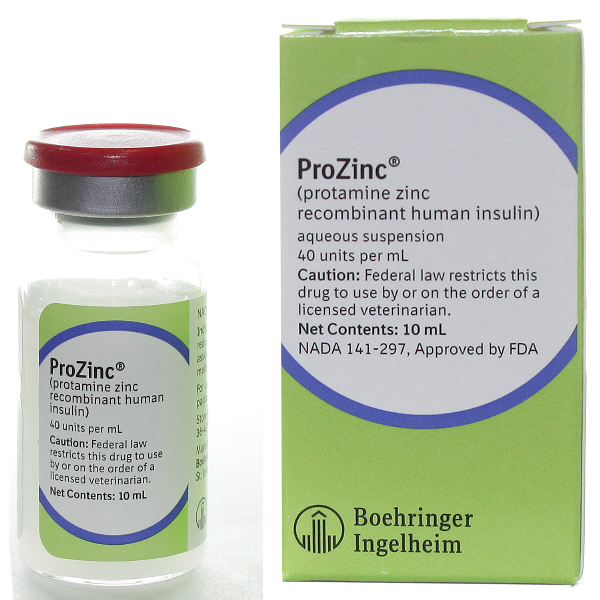
- INSULIN
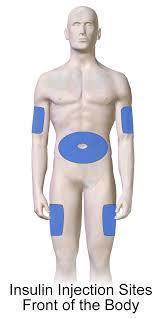
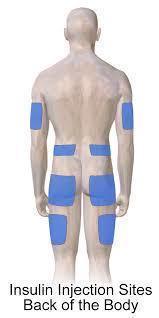
- Administration Sites
- Abdomen (most preferable site)
- Arm
- Thigh
- Buttocks
- It is important to rotate injection sites for a particular area
- Insulin should not be given orally
- Injections are to be given subcutaneously
- Pinch 2 inches of skin and inject straight at 90 degrees OR grasp 1 inch of skin and inject at a 45 degree angle
- Contact a health care provider if you have any questions about administering injections
- Injections are to be given subcutaneously
- Insulin should not be given orally
- Types of Insulin
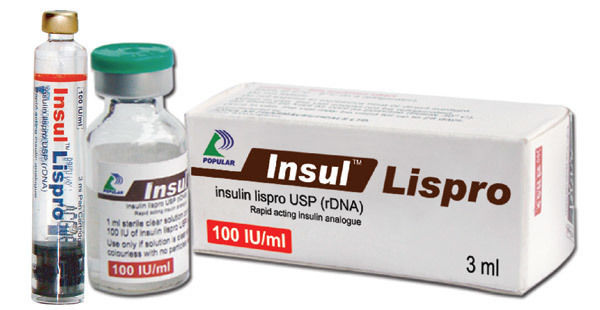
- Rapid Acting
- Onset: 15 minutes
- Peak: 30 - 60 minutes
- Duration: < 5 hours
- Peak: 30 - 60 minutes
- Administer: 0 - 15 minutes before meal
- Example: lispro
- Onset: 15 minutes
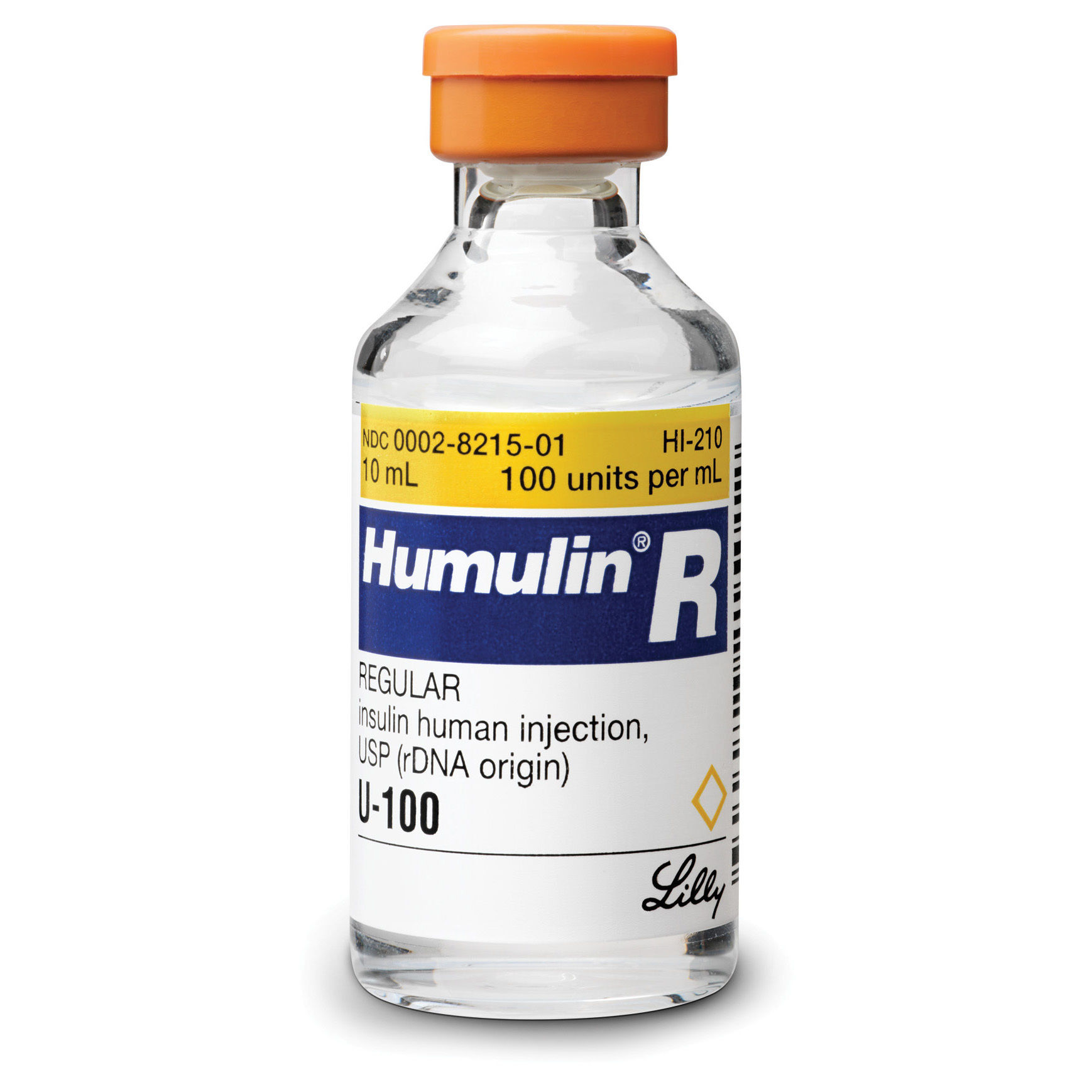
- Short Acting
- Onset: 60 minutes
- Peak: 2 - 3 hours
- Duration: 5 - 7 hours
- Peak: 2 - 3 hours
- Administer: 30 - 45 minutes before meal
- Example: regular insulin
- Onset: 60 minutes
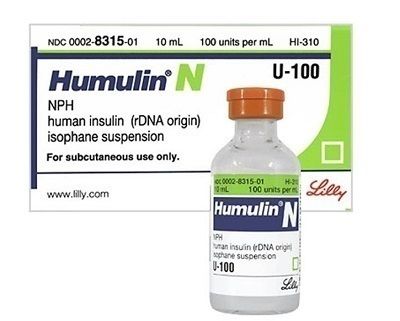
- Intermediate Acting
- Onset: 1 - 4 hours
- Peak: 8 - 12 hours
- Duration: 18 - 24 hours
- Peak: 8 - 12 hours
- Administer: 30 - 60 minutes before meal
- Example: Isophane insulin suspension (NPH)
- Onset: 1 - 4 hours
- Long Acting
- Onset: 4 - 8 hours
- Peak: 12 - 24 hours
- Duration: 36 hours
- Peak: 12 - 24 hours
- Administer: once a day; morning or before bedtime
- Example: Extended insulin zinc suspension
- Onset: 4 - 8 hours
- Rapid Acting
- Side Effects of Insulin
- Dawn Phenomenon
- Hyperglycemia occurs when patient wakes up. Growth factor hormones are released, therefore increasing blood sugar levels.
- Somogyi Phenomenon
- Occurs when a patient takes too much insulin before bed, thus causing hypoglycemia when asleep. But then, later in the morning as glucocorticoid concentrations from circadian rhythms are released, it causes hyperglycemia.
- Lipodystrophy
- abnormal distribution of fat in the body
- Allergic reaction
- Hypoglycemia
- Dawn Phenomenon
- Monitor blood sugar levels
- Administration Sites
- BiGUANIDE
- Reduces gluconeogenesis by the liver
- Slows gastrointestinal absorption of glucose
- Increases insulin receptor sensitivity
- Example: metformin
- Slows gastrointestinal absorption of glucose
- Side Effects: gastrointestinal problems
- Contraindications: renal dysfunction, unstable or acute congestive heart failure, liver disease, surgery, iodinated dyes
- Reduces gluconeogenesis by the liver
- SULFONYLUREAS
- Acts as a secretagogue to promote insulin production
- Example: Glipizide
- Side Effects: hypoglycemia, weight gain, hyperinsulinemia
- Contraindications: renal insufficiency, hepatic insufficiency
- Acts as a secretagogue to promote insulin production
- MEGLITINIDES
- Stimulates insulin to be released from pancreatic beta cells
- Requires frequent administration, and good for patients with an irregular lifestyle.
- Example: Prandin
- Side Effects: hypoglycemia
- Contraindications: diabetic ketoacidosis
- Stimulates insulin to be released from pancreatic beta cells
- THIAZOLIDINEDIONES
- Improves insulin sensitivity and reduce glucose production
- Side Effects: fluid retention, heart failure, anaemia, weight gain, bladder cancer, bone fractures in women
- Contraindications: history of heart failure, hepatic disease
- Example: Troglitazone
- ALPHA GLUCOSIDASE INHIBITORS
- Prevents digestion rate of carbohydrates to reduce absorption of glucose in blood.
- Example: acarbose
- Side Effects: hypoglycemia, gastrointestinal problems
- Contraindication: chronic intestinal disease
- Prevents digestion rate of carbohydrates to reduce absorption of glucose in blood.
- INSULIN
- NUTRITION
- Nurses, along with the health care team, ensure that patients are educated about type 2 diabetes and all about anti-diabetic medication. Diabetics need to know how to have proper nutrition and have a physically active lifestyle. Additionally, monitoring blood glucose level is vital for each diabetic individual.
DIAGNOSIS
- Diagnostic Tests
- Glycated haemoglobin (HbA1c)
- A blood test that measures the amount of glucose bound to red blood cells. The higher the amount of glucose, the higher the HbA1c reading.
- Takes the average number based of 2 or more blood tests within the last 3 months.
- Diabetes = HbA1c result higher than 48 mmol/mol
- Takes the average number based of 2 or more blood tests within the last 3 months.
- A blood test that measures the amount of glucose bound to red blood cells. The higher the amount of glucose, the higher the HbA1c reading.
- Fasting blood sugar test
- A blood test taken after an overnight fast.
- Diabetes = result of 7.0 mmol/L
- Prediabetes = result between 5.6 - 6.9 mmol/L
- Diabetes = result of 7.0 mmol/L
- A blood test taken after an overnight fast.
- Random Sugar Test
- A random blood sugar test taken regardless if an individual has eaten recently
- Diabetes = a result higher than 11.1 mmol/L or higher
- A random blood sugar test taken regardless if an individual has eaten recently
- Oral Glucose Tolerance Test
- A blood test is taken after an overnight fast
- A sugary drink is given to drink afterwards, and then blood sugar levels are tested periodically for two hours.
- Diabetes = a result higher than 11.1 mmol/L after two hours
- A sugary drink is given to drink afterwards, and then blood sugar levels are tested periodically for two hours.
- A blood test is taken after an overnight fast
- Prevention
- Maintain weight by exercising and eating healthy
- Reduce alcohol intake, and stop smoking
- Visit your doctor regularly to prevent risk for cardiovascular disease and risk for diabetes
- Risk Factors
- Family History
- An individual is has a higher chance getting type 2 diabetes if their parent or sibling has the disease
- Sedentary Lifestyle
- Aim to be physically active so that your weight is controlled and glucose is used as energy instead of being stored as becoming fat deposits
- Age
- An aging individual is at a higher risk for developing type 2 diabetes due to weight gain and less physically active
- Poor personal health
- High blood pressure
- High levels of low density lipoprotein
- Ethnic background
- Several races are more susceptible to having type 2 diabetes (ex. African Americans, Pacific Islanders, Asian Americans)
- Family History
- Glycated haemoglobin (HbA1c)
- With the increasing in incidence of type 2 diabetes, testing for diabetes is very important. Individuals that are over the age of 45, and persons with a body mass index of 25 or higher should be tested for diabetes to rule out this disease.
- Coping with Diabetes
- Have a strong social support network with family and friends or those that also have the same diagnosis
- Seek support for your doctor and support for your mental health. You should never go through this alone
- Practice mindfulness and relaxation. Attend meditation or yoga classes.
- Exercise regularly so that you body releases endorphins which makes you happier, and reduces stresses and worries
- Diagnostic Tests
Imagens e arquivos do mapa





















Informações
- Descrição
- Mind Map on Type II Diabetes Mellitus, created by Marizzy Aliabilon on 26/04/2018.
- Criado por
- Marizzy Aliabilon
- Visualizações
- 71
- Tags
- Avaliação