
Mapa mental
Unit 5

Conteúdo do mapa
Unit 5
present perfect
- we form the present perfect with the auxiliary verb
- have+past participle of the main verb
- I/we/you/they+have+past particple verb
- he/she/it+ has-hasn´t/+ past participle verb
- Have+I/we/you/they/past participle verb+?
- have+past participle of the main verb
- to talk about something that happened before now, at an indifinite time in the past
- to talk about experiences, especially with ever and never
- to talk about recent events
- been and gone
- the verb go has 2 past participle forms
- been and gone
- we use been when we know that someone has returned from a journey
- "lucia has been to japan"(she is back now)
- we use gone when the person has not returned from a journey
- lucia has gone to japan (she is still in japan)
- we use been when we know that someone has returned from a journey
- been and gone
- the verb go has 2 past participle forms
- uses
- ever and never
- in present perfect questions, we often use ever
- at any time time in the past
- "have you ever tried italian food?"
- at any time time in the past
- to express a negative, we can use never
- at no time in the past+ afirmative verb
- "I have never tried italian food"
- at no time in the past+ afirmative verb
- in present perfect questions, we often use ever
- present perfect and past simple
- present perfect
- for experiencies and actions that happened at an indifinte time in the past
- "have you ever been to germany?"
- for finished or unifinished actions and situations that have conection with the present
- "i have lived in Tlaxcala all my life"
- for experiencies and actions that happened at an indifinte time in the past
- past simple
- for actions that happened at a specific point in the past, usually with time expressions "yesterdady, last week, etc.
- gerardo went to germany last year
- for finished actions and situations that happened in a period of time that has ended
- i lived in italy from 2002 to 2008
- for actions that happened at a specific point in the past, usually with time expressions "yesterdady, last week, etc.
- present perfect
- present perfect with already, just and yet
- just
- we use just before the past participle in affirmative sentences and questions to talk about someting that happened immediatly before the moment of speaking
- "i have just finished making the dinner
- we use just before the past participle in affirmative sentences and questions to talk about someting that happened immediatly before the moment of speaking
- already
- we use already before the past participle in affirmative sentences and questions to talk about something that happened sooner than expected
- Mr Smith has already arrived. He´s an hour early
- we use already before the past participle in affirmative sentences and questions to talk about something that happened sooner than expected
- yet
- we use yet at the end of the sentence in negative sentences and questions to talk about something that was expected to happen, but wich hasnt happened
- robert hasnt called yet. we are still waiting
- we use yet at the end of the sentence in negative sentences and questions to talk about something that was expected to happen, but wich hasnt happened
- just
- present perfect with for and since
- we use perfect with for and since to say how long a situation has existed
- for
- we use for with a period of time: for a few seconds, for a day, two weeks, etc
- for
- we use since with a specific time
- for
- we use perfect with for and since to say how long a situation has existed
- we form the present perfect with the auxiliary verb
adjetive suffixes: -ing and -ed
- -ing
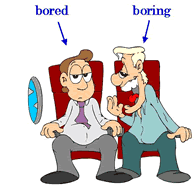
- An adjective that ends in -ING is used to describe: the characteristic of a person, a thing or a situation.
- -ed
- An adjective that ends in -ED is used to describe: a feeling (or how a person feels) or an emotion.
- -ing
adjetive: suffixes : -ing and -ed
- -ing
- An adjective that ends in -ING is used to describe: the characteristic of a person, a thing or a situation.
- Im boring
- An adjective that ends in -ING is used to describe: the characteristic of a person, a thing or a situation.
- -ed
- An adjective that ends in -ED is used to describe: a feeling (or how a person feels) or an emotion.
- im bored
- An adjective that ends in -ED is used to describe: a feeling (or how a person feels) or an emotion.
- -ing
noun suffixes : -ment and -ion
- -ment
- The suffix -ment tells you that the word is a noun. This suffix means "action or process.
- argument
- development
- encouragement
- The suffix -ment tells you that the word is a noun. This suffix means "action or process.
- ion
- is another extremely common noun suffix. It also means "a state of being."
- information
- impression
- decision
- is another extremely common noun suffix. It also means "a state of being."
- -ment
base and strong adjetives
- hot= boiling
- cold= freezing
- angry= furious
- big= huge
- small= tiny
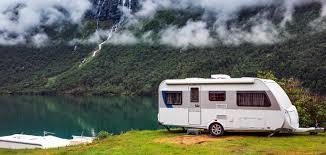
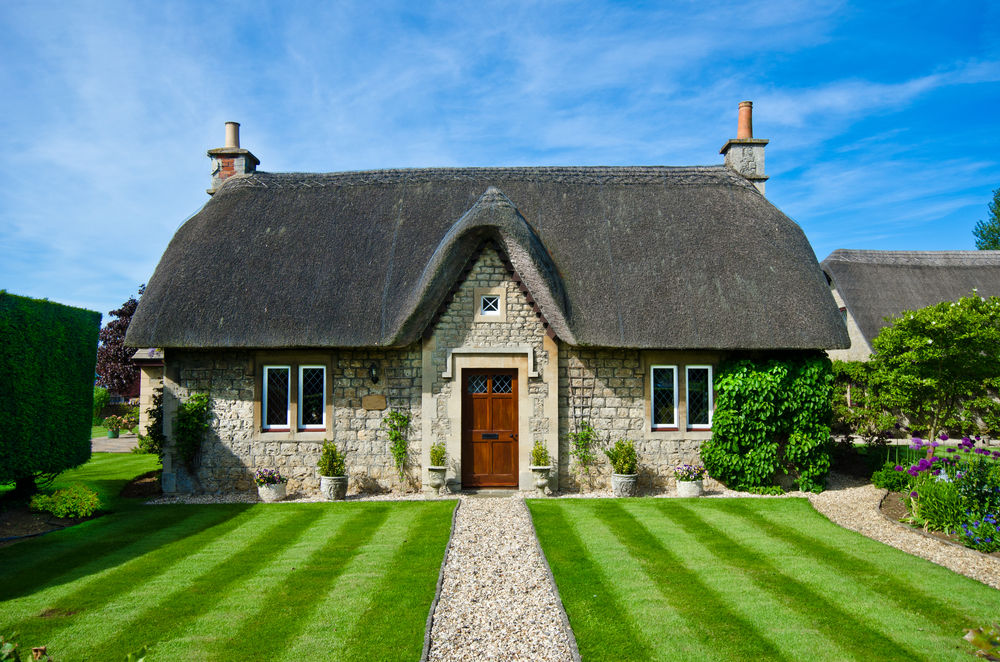
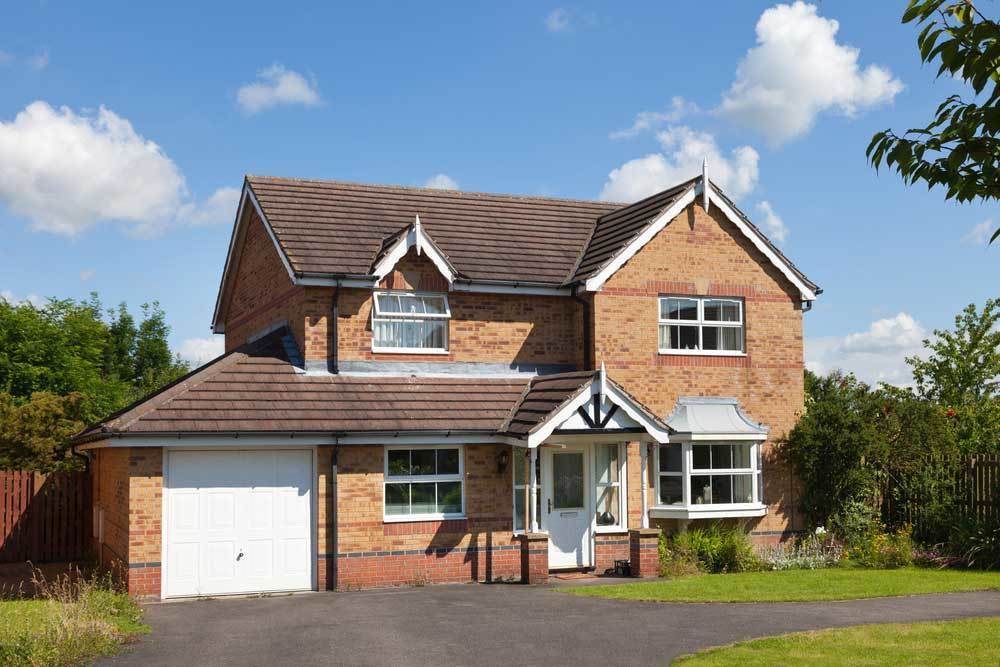
houses and homes
- block of flats
- bungalow
- caravan
- cottage
- castle
- detached house
- mansion
- semi-detached
- tent
- terraced house
Imagens e arquivos do mapa











Informações
- Descrição
- Inglés Mapa Mental sobre Unit 5, criado por Juan Carlos Meza em 13-11-2020.
- Criado por
- Juan Carlos Meza
- Visualizações
- 0
- Avaliação