Mapa mental
The Origins of Language
Conteúdo do mapa
The Origins of Language
Animals often make use of signs, which point to what they represent, but they don't use symbols, which are arbitrary and conventional. language is a system of symbols, with several levels of organization, at least phonetics (the sounds), syntax (the grammar), and semantics (the meanings).
- There are many theories about the origins of language. Many of these have traditional amusing names (invented by Max Müller and George Romanes a century ago), and I will create a couple more where needed.
- The mama theory.: Language began with the easiest syllables attached to the most significant objects..
- The ta-ta theory.: Language began as an unconscious vocal imitation of these movements. This evolved into the popular idea that language may have derived from gestures.
- The bow-wow theory. Language began as imitations of natural sounds. This is more technically refered to as onomatopoeia or echoism.
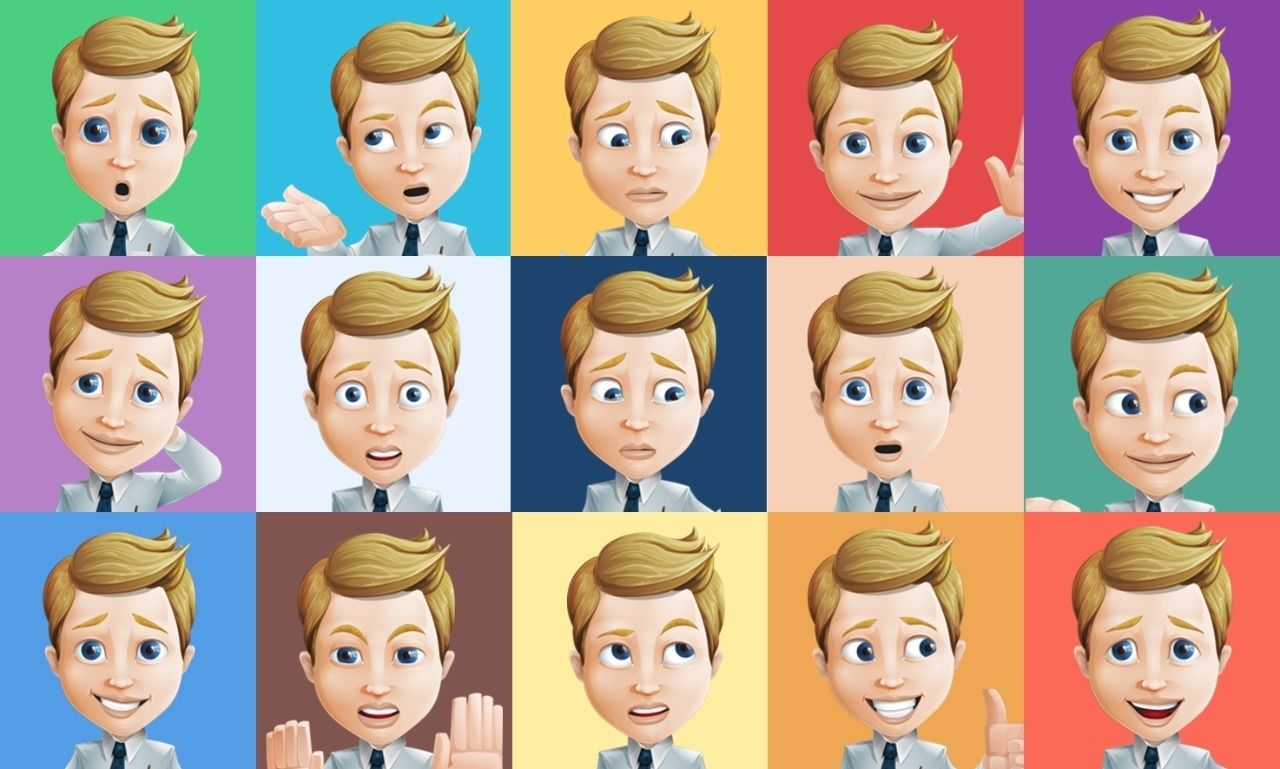
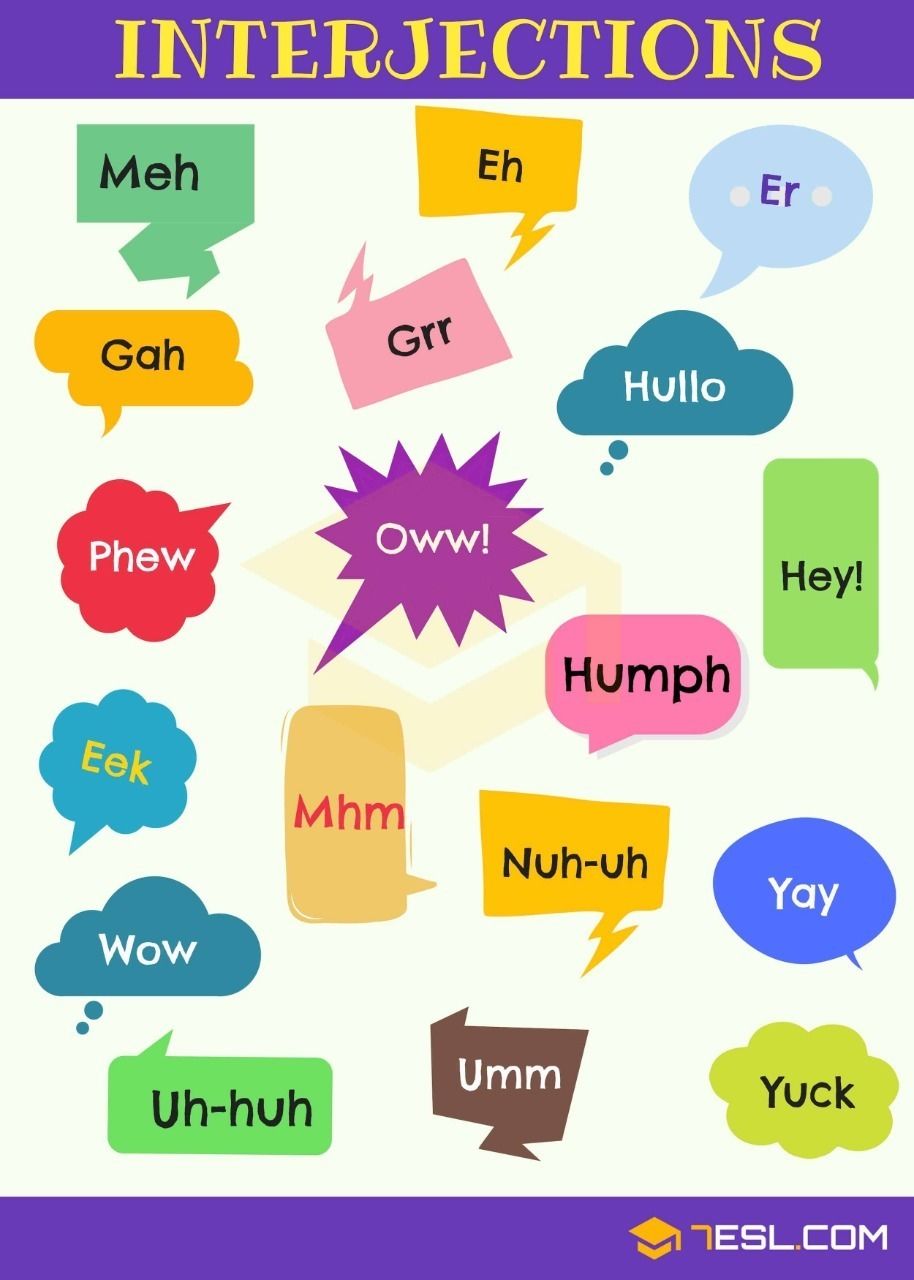
- The pooh-pooh theory. Language began with interjections, instinctive emotive cries
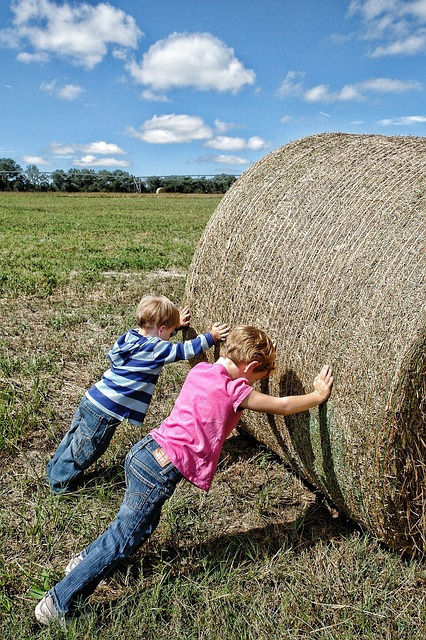
- The yo-he-ho theory: Language began as rhythmic chants or from the grunts of heavy work(heavy ho!). Instinctive noises made during physical exertion or while involving in collective rhythmic labor.
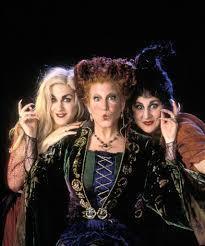
- The hocus pocus theory: is the idea that language may have had some roots in a sort of magical or religious aspect of our ancestors' lives. Perhaps we began by calling out to game animals with magical sounds, which became their names.
- The eureka! theory. perhaps language was consciously invented. Perhaps some ancestor had the idea of assigning arbitrary sounds to mean certain things.
- The hocus pocus theory: is the idea that language may have had some roots in a sort of magical or religious aspect of our ancestors' lives. Perhaps we began by calling out to game animals with magical sounds, which became their names.
- The yo-he-ho theory: Language began as rhythmic chants or from the grunts of heavy work(heavy ho!). Instinctive noises made during physical exertion or while involving in collective rhythmic labor.
- The pooh-pooh theory. Language began with interjections, instinctive emotive cries
- The ding-dong theory. have pointed out that there is a rather mysterious correspondence between sounds and meanings. Small, sharp, high things tend to have words with high front vowels in many languages, while big, round, low things tend to have round back vowels.
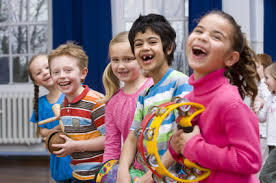
- The sing-song theory: Language comes out of play, laughter, courtship, emotional mutterings, and the like. Some of our first words were actually long and musical, rather than short grunts.
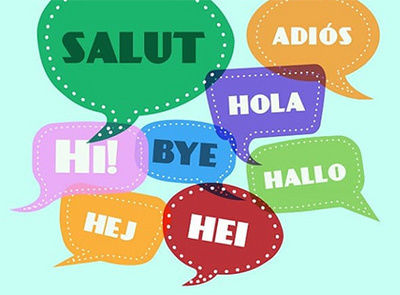
- The hey you! theory: It suggested that because we have always needed interpersonal contact, the language began as sounds to signal both our identity and belonging. We also cry out in fear, anger, or hurt. It is also called the contact theory.
- Musical Babies: Mario Vaneechoutte and his students suggest that language comes from music, with some assitance from gestures and dance. Music is what is innate, not language. Like in many species of birds and mammals, singing (which uptight scientists prefer to call "calls", in order to keep language as our "special ability" distinct) in order to call for help, keep track of each other, and - most especially - in order to attract mates.
- A lot of the grammar that seems so essential when we look at written language, in speech is much more obvious: We use pauses, tone changes, melodies, rhythms, eye movements, facial expressions, and gestures that add information to our speech.
- Musical Babies: Mario Vaneechoutte and his students suggest that language comes from music, with some assitance from gestures and dance. Music is what is innate, not language. Like in many species of birds and mammals, singing (which uptight scientists prefer to call "calls", in order to keep language as our "special ability" distinct) in order to call for help, keep track of each other, and - most especially - in order to attract mates.
- The hey you! theory: It suggested that because we have always needed interpersonal contact, the language began as sounds to signal both our identity and belonging. We also cry out in fear, anger, or hurt. It is also called the contact theory.
- The sing-song theory: Language comes out of play, laughter, courtship, emotional mutterings, and the like. Some of our first words were actually long and musical, rather than short grunts.
- There are many theories about the origins of language. Many of these have traditional amusing names (invented by Max Müller and George Romanes a century ago), and I will create a couple more where needed.