
Mapa mental
Theories and principles of SLA
Conteúdo do mapa
Theories and principles of SLA
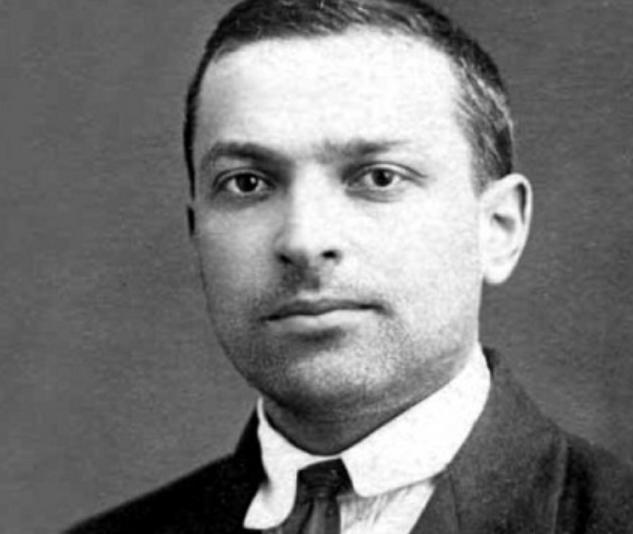
Socio Cultural
- Year 1985
- Is a theory of human development
- Based on the work of Vygotsky
- https://www.youtube.com/watch?v=1oOhMCpzYZA&ab_channel=ConnerMorgan
- Methods and approaches
- Community Language Learning
- Is based on interaction between learners and knowers
- The goal is to strengthen social ties in order to establish a community
- Is based on interaction between learners and knowers
- Task-Based Language Teaching
- Focuses on asking students to do meaningful tasks using the target language.
- Tasks like
- Going to the grocery store or visiting a doctor.
- Tasks like
- Focuses on asking students to do meaningful tasks using the target language.
- Community Language Learning
- Methods and approaches
- https://www.youtube.com/watch?v=1oOhMCpzYZA&ab_channel=ConnerMorgan
- Based on the work of Vygotsky
- Is a theory of human development
- Year 1985
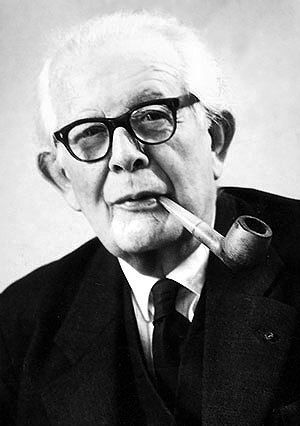
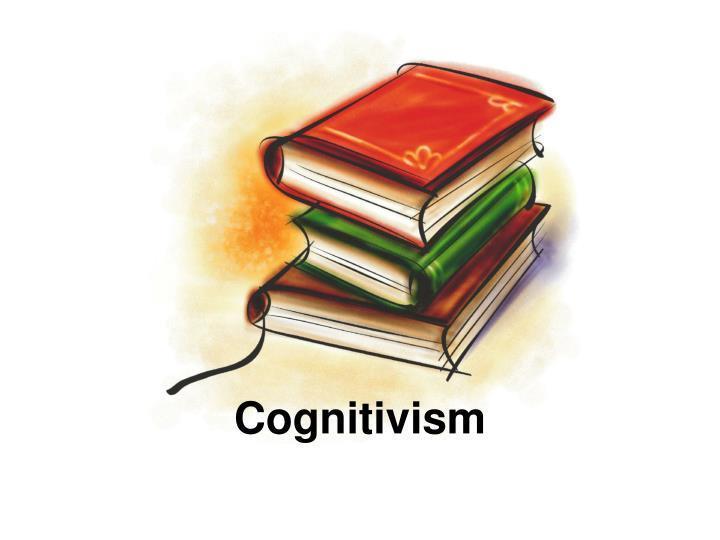
Cognitivism
- Year 1990
- Is a theory which focuses on how we receive information, organize it and how the mind regains it.
- Based on the work of Piaget and Gattegno
- Methods and approaches
- The Silent Way
- The teacher uses a mixture of silence and gestures to focus students' attention.
- To encourage them to correct their own errors.
- The teacher uses a mixture of silence and gestures to focus students' attention.
- Suggestopedia
- It is based on freeing the individual of stress, shame, nerves and other personal limitations.
- Since it is believed that this can hinder their ability to learn.
- It is based on freeing the individual of stress, shame, nerves and other personal limitations.
- The Silent Way
- Methods and approaches
- Based on the work of Piaget and Gattegno
- Is a theory which focuses on how we receive information, organize it and how the mind regains it.
- Year 1990
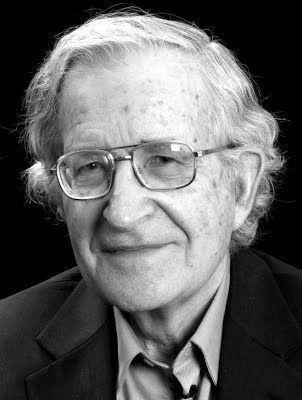
Universal Grammar
- Year 1980
- Is a theory which states that human beings have innate faculties related to laguage acquisition.
- Based on the work of Chomsky
- Methods and approaches
- Communicative Approach
- It focuses on that learning language successfully comes through having to communicate real meaning.
- The Natural Approach
- It focuses on exposure, or input, rather than practice.
- Optimizing emotional readiness for learning.
- It focuses on exposure, or input, rather than practice.
- Communicative Approach
- https://www.youtube.com/watch?v=H3oq1alCiZQ&ab_channel=GabbyAcademy
- Methods and approaches
- Based on the work of Chomsky
- Is a theory which states that human beings have innate faculties related to laguage acquisition.
- Year 1980
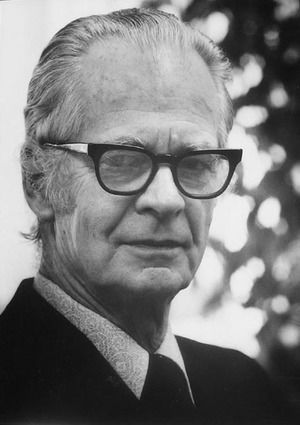
Behaviorism
- Year 1940-1970
- Is a theory which refers to the act of imitation. It believes that “infants learn oral language from other human role models through a process involving imitation, rewards, and practice.
- Based on the work of Skinner
- Methods and approaches
- Total phisical Response
- It focuses on using physical movement to react to verbal input.
- With the purpose of creating a brain link between speech and action to increase language and vocabulary learning.
- It focuses on using physical movement to react to verbal input.
- Audio-lingual Method
- It advises that students should learn a language directly.
- Without using the students' native language to explain new words or grammar.
- It advises that students should learn a language directly.
- Total phisical Response
- Methods and approaches
- Based on the work of Skinner
- Is a theory which refers to the act of imitation. It believes that “infants learn oral language from other human role models through a process involving imitation, rewards, and practice.
- Year 1940-1970
Imagens e arquivos do mapa


Informações
- Descrição
- Mapa Mental sobre Theories and principles of SLA, criado por Paulina Agudelo em 08-05-2021.
- Criado por
- Paulina Agudelo
- Visualizações
- 24
- Avaliação