
Mapa mental
Back Pain
Conteúdo do mapa
Back Pain
lower vertebral column
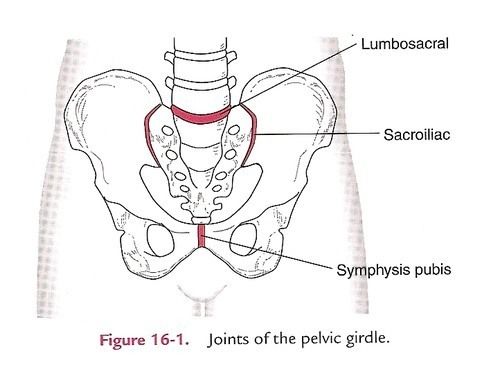
- joints
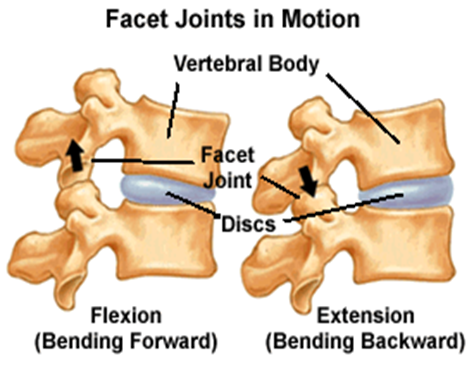
- facets, intervertebral disc and lumbosacral joint
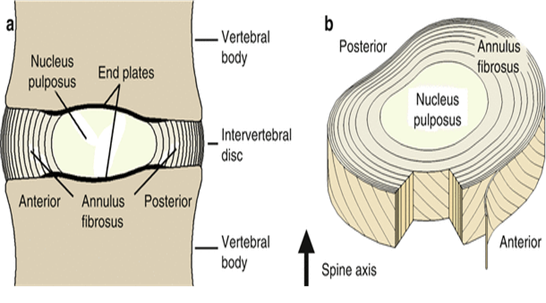
- The intervertebral disc forms the fibrocartilaginous joint which allows slight movement of the vertebral column, and acts as a ligament to hold the vertebrae together
- Structure: Anulus fibrosus / Nucleus pulposus / Endplate
- facets, intervertebral disc and lumbosacral joint
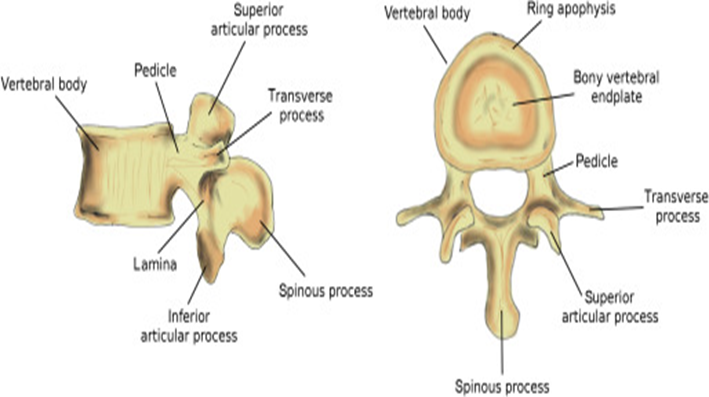
- anatomy of lumbar vertebrae (L1-L5)
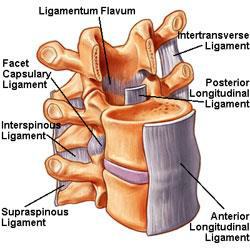
- ligaments
- anterior longitudinal ligament
- This is a strong, broad fibrous band that covers and connects the anterior aspects of the bodies of the vertebrae and intervertebral discs.
- This is a strong, broad fibrous band that covers and connects the anterior aspects of the bodies of the vertebrae and intervertebral discs.
- posterior longitudinal ligament
- This is a narrower, weaker band than the anterior longitudinal ligament. It runs along the posterior aspect of the vertebral bodies, within the vertebral canal.
- This is a narrower, weaker band than the anterior longitudinal ligament. It runs along the posterior aspect of the vertebral bodies, within the vertebral canal.
- ligamentum flavum
- The laminae of adjacent vertebral arches are joined this ligament, which extend almost vertically from the lamina above to the lamina below.
- The laminae of adjacent vertebral arches are joined this ligament, which extend almost vertically from the lamina above to the lamina below.
- supraspinous ligament
- interspinous ligament
- Weak interspinous ligs . and a strong cord like supraspinous ligs . join adjacent spinous processes
- Weak interspinous ligs . and a strong cord like supraspinous ligs . join adjacent spinous processes
- inter-transverse ligament
- Connecting adjacent transverse processes
- Connecting adjacent transverse processes
- anterior longitudinal ligament
- muscles
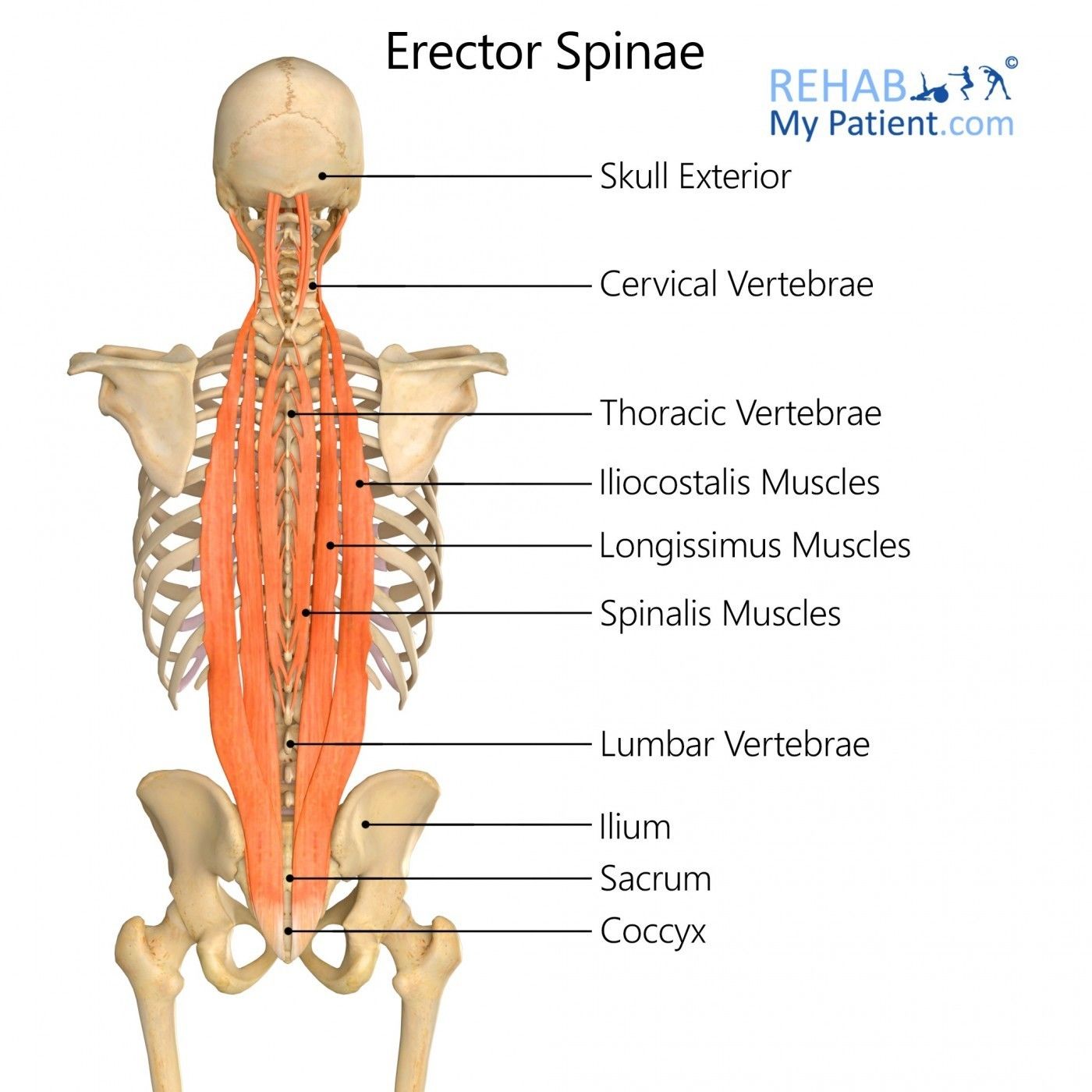
- erector spinae
- There are three intermediate intrinsic back muscles – the iliocostalis, longissimus and spinalis.
- The erector spinae is situated posterolaterally to spinal column, between the vertebral spinous processes and the costal angle of the ribs.
- There are three intermediate intrinsic back muscles – the iliocostalis, longissimus and spinalis.
- erector spinae
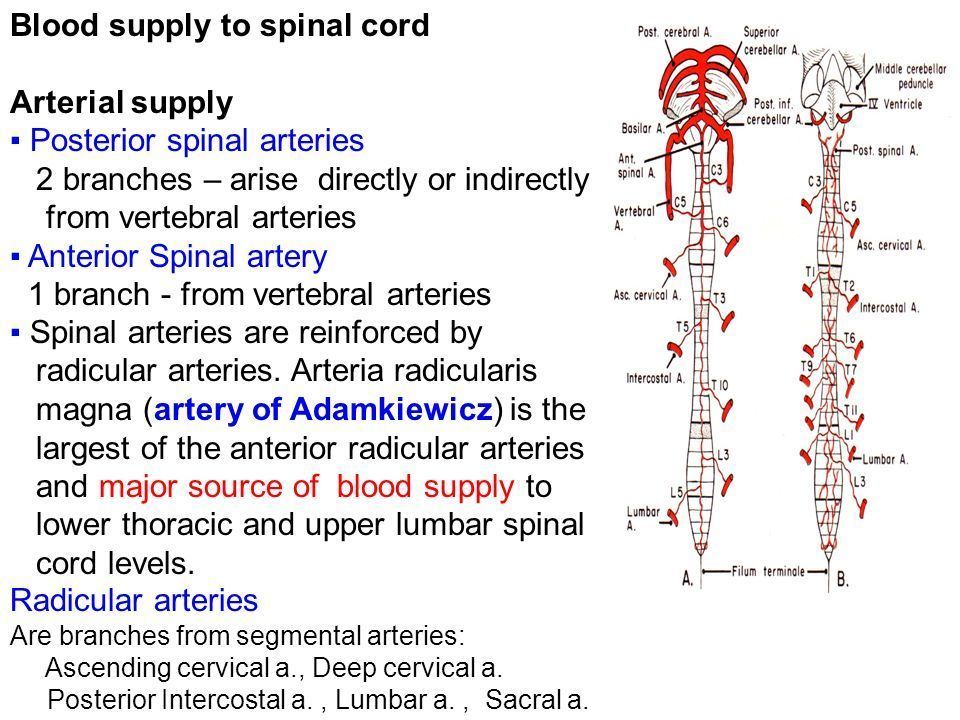
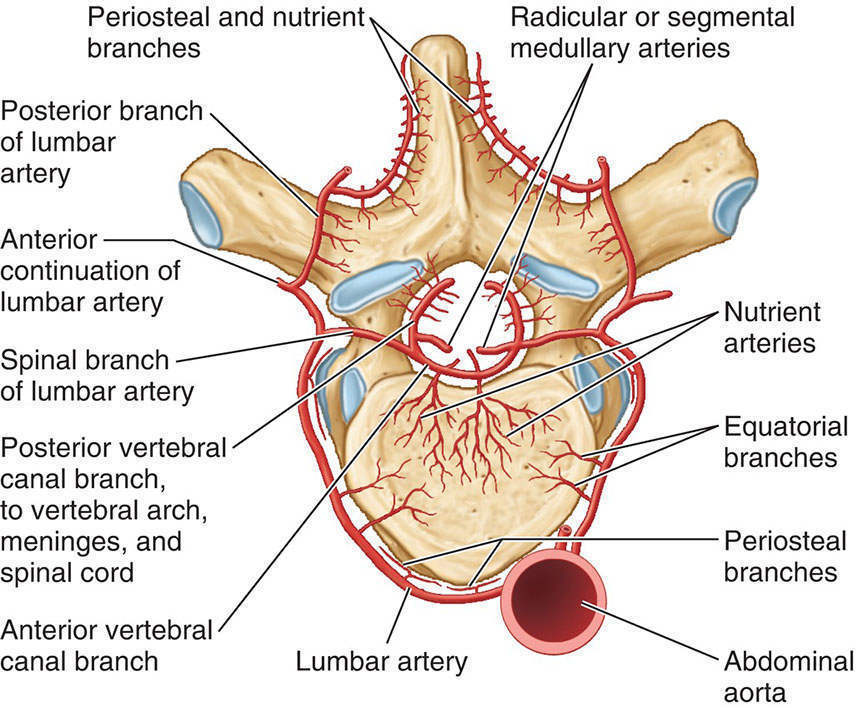
- blood supply
- The main blood supply to the spinal cord is via the single anterior spinal artery (ASA) and the two posterior spinal arteries (PSA). The anterior spinal artery is formed by the vertebral arteries which originate from the first part of the subclavian artery.
- The main blood supply to the spinal cord is via the single anterior spinal artery (ASA) and the two posterior spinal arteries (PSA). The anterior spinal artery is formed by the vertebral arteries which originate from the first part of the subclavian artery.
- venous supply
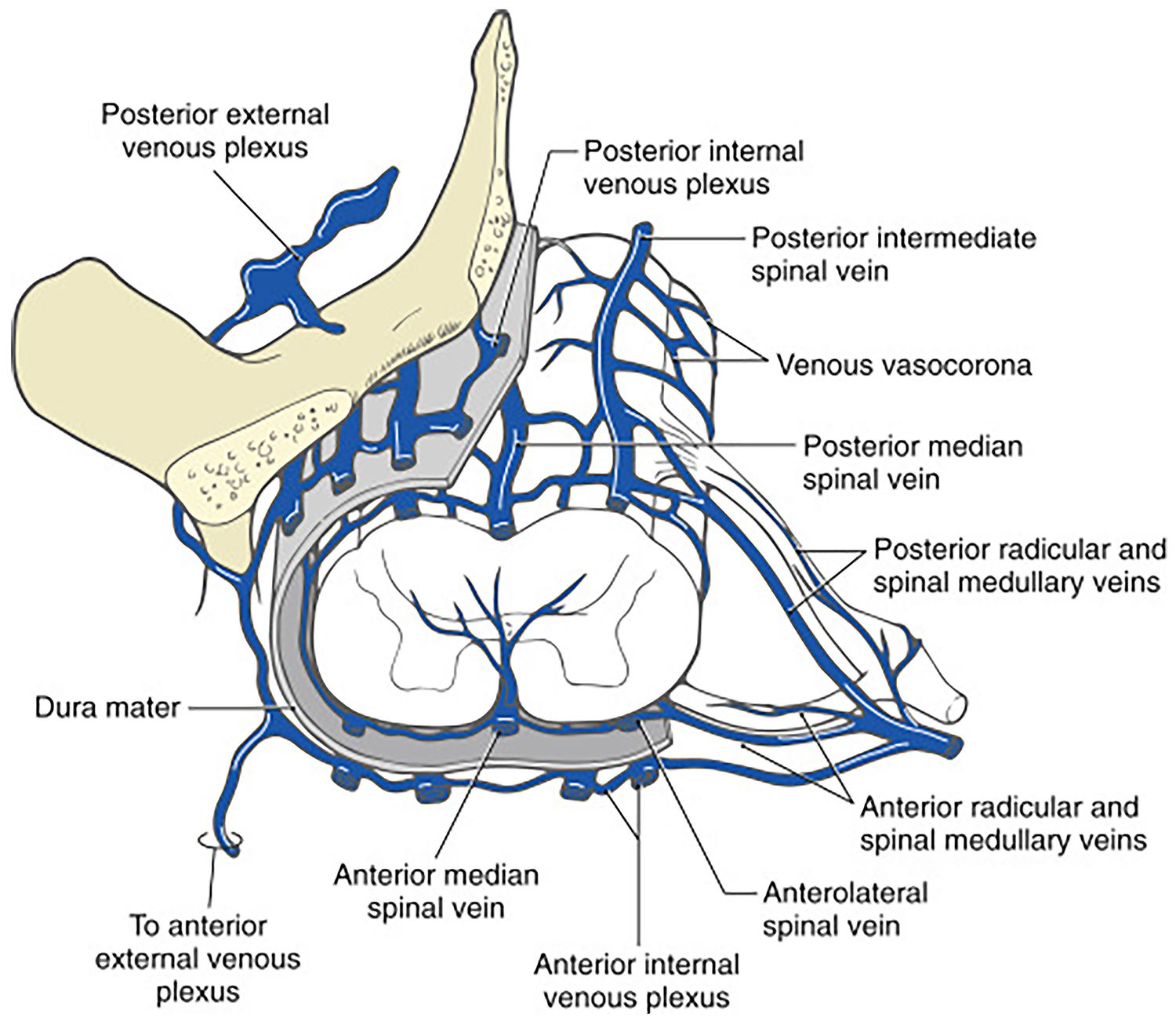
- Several veins surround and drain the lumbar spine. These are the lumbar veins, the ascending lumbar veins and several vertebral venous plexuses. The lumbar veins accompany the lumbar arteries in their course around the vertebral bodies, and drain into the inferior vena cava
- The vertebral column is drained by plexuses (networks) of veins. These venous plexuses are formed by spinal veins along the vertebral column, both inside and outside the vertebral canal.
- The plexuses include: Internal vertebral venous plexus (or the epidural venous plexus) External vertebral venous plexuses
- The plexuses include: Internal vertebral venous plexus (or the epidural venous plexus) External vertebral venous plexuses
- nerve supply
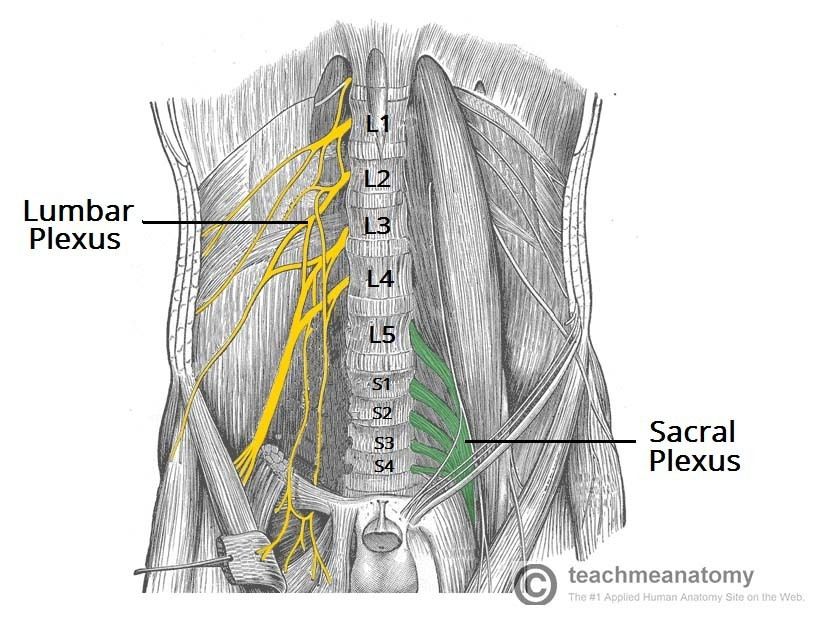
- The lumbar plexus is a network of nerve fibres that supplies the skin and musculature of the lower limb. It is located in the lumbar region, within the substance of the psoas major muscle and anterior to the transverse processes of the lumbar vertebrae.
- The lumbar plexus is a network of nerve fibres that supplies the skin and musculature of the lower limb. It is located in the lumbar region, within the substance of the psoas major muscle and anterior to the transverse processes of the lumbar vertebrae.
- joints
Causes of lower back pain
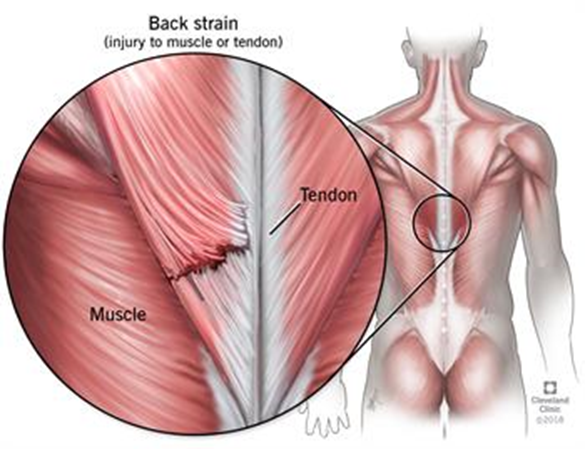
- Strained muscles or ligaments Muscle spasm Muscle tension Damaged disks Injuries, fractures, or falls
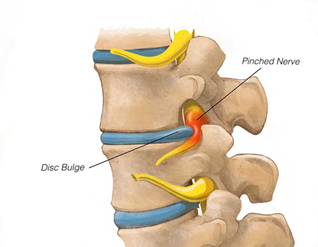
- Ruptured disks Bulging disks Sciatica Arthritis Abnormal curvature of the spine Osteoporosis Kidney problems
- twisting muscle tension over-stretching pushing, pulling, lifting, or carrying something
- Strained muscles or ligaments Muscle spasm Muscle tension Damaged disks Injuries, fractures, or falls
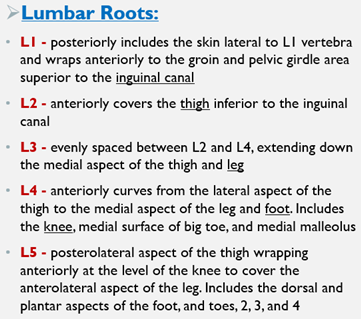
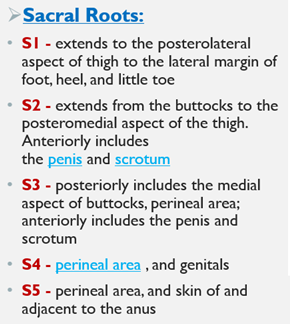
dermatome of lower limb
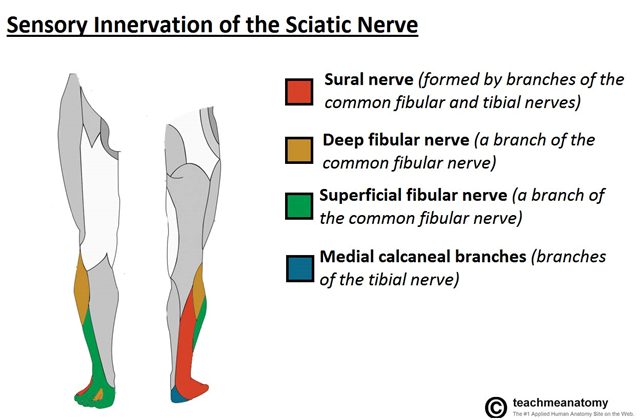
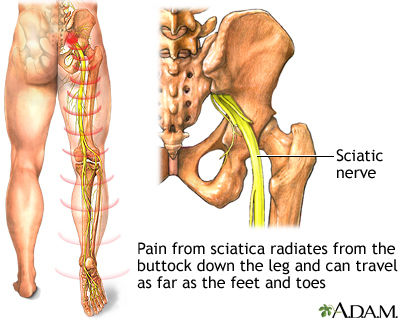
sciatic nerve
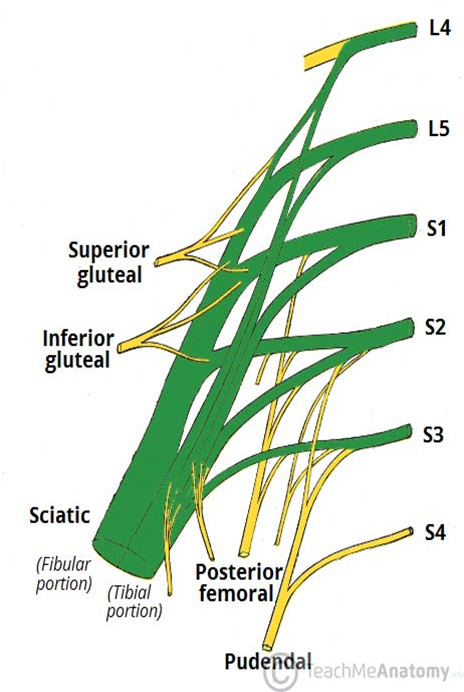
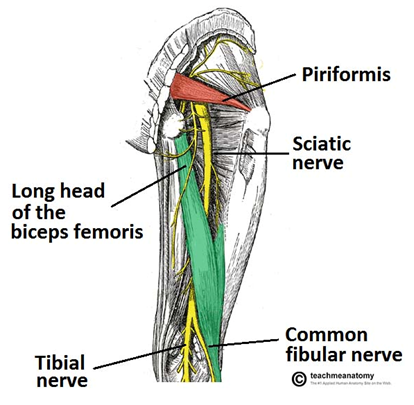
- The sciatic nerve is a major nerve of the lower limb. It is a thick flat band, approximately 2cm wide – the largest nerve in the body. Nerve roots: L4-S3
- motor function
- innervates the muscles of the posterior thigh, entire leg and entire foot.
- innervates the muscles of the posterior thigh, entire leg and entire foot.
- It does provide indirect sensory innervation via its terminal branches
- The sciatic nerve is a major nerve of the lower limb. It is a thick flat band, approximately 2cm wide – the largest nerve in the body. Nerve roots: L4-S3
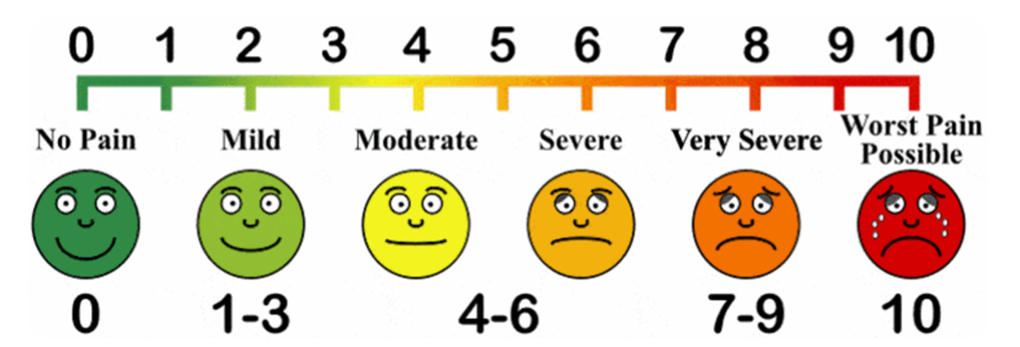
visual analogue scale
- a measurement instrument that tries to measure a characteristic or attitude that is believed to range across a continuum of values and cannot easily be directly measured.
- It is often used in epidemiologic and clinical research to measure the intensity or frequency of various symptoms.
- a measurement instrument that tries to measure a characteristic or attitude that is believed to range across a continuum of values and cannot easily be directly measured.
physical examination of lower back
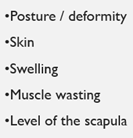
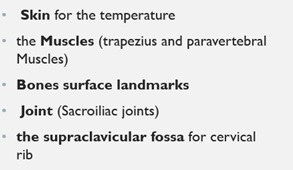
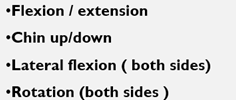
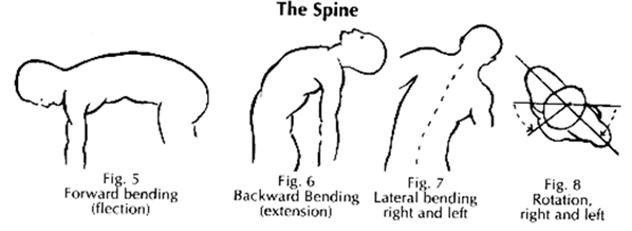
- inspection >> palpation >> movement
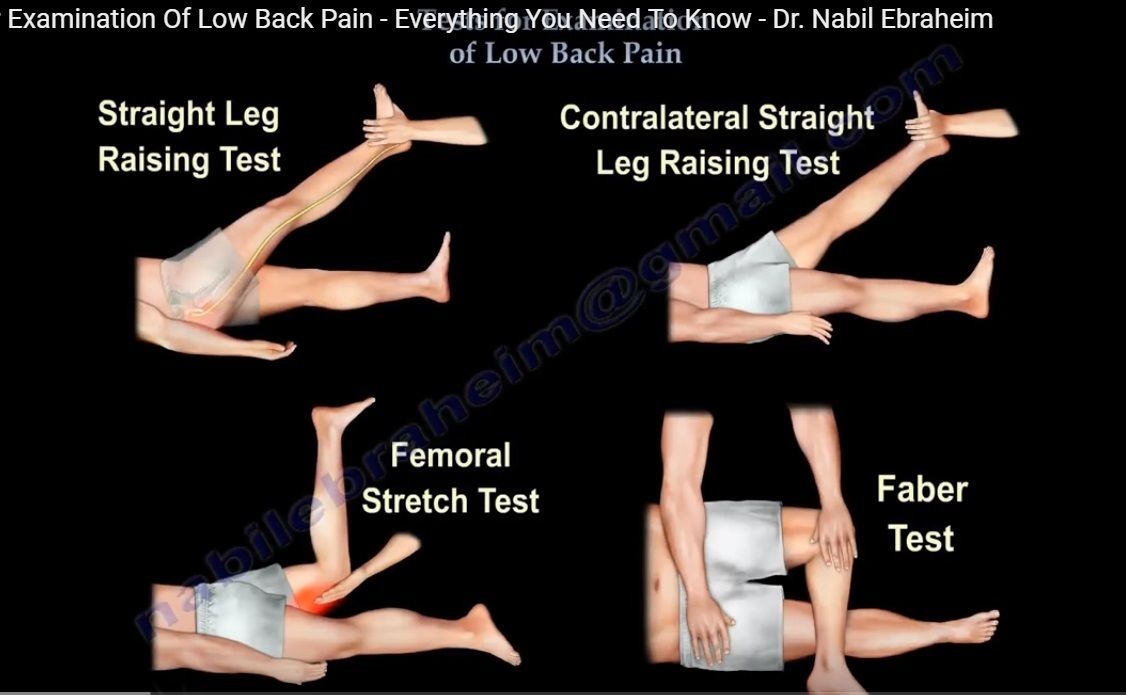
- special tests
- inspection >> palpation >> movement
scoliosis
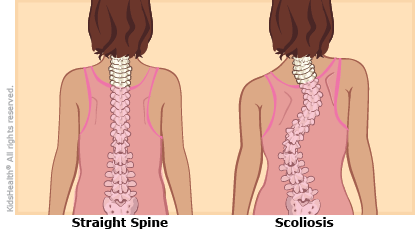
- is a sideways curvature of the spine that occurs most often during the growth spurt just before puberty
- can be caused by conditions such as cerebral palsy and muscular dystrophy, the cause of most scoliosis is unknown
- diagnosis
- done by the physical exam and by imaging techniques such as X-rays, CT scans, or MRI.
- treatment
- Depending on the severity of the curve and the risk for it getting worse, scoliosis can be treated with observation, bracing, or surgery.
- is a sideways curvature of the spine that occurs most often during the growth spurt just before puberty
sciatica
- a term that describes symptoms of pain, numbness, and/or weakness that radiate along the sciatic nerve from the lower back to the buttocks and leg.
- diagnosis
- treatment
- a term that describes symptoms of pain, numbness, and/or weakness that radiate along the sciatic nerve from the lower back to the buttocks and leg.
management of lower back pain
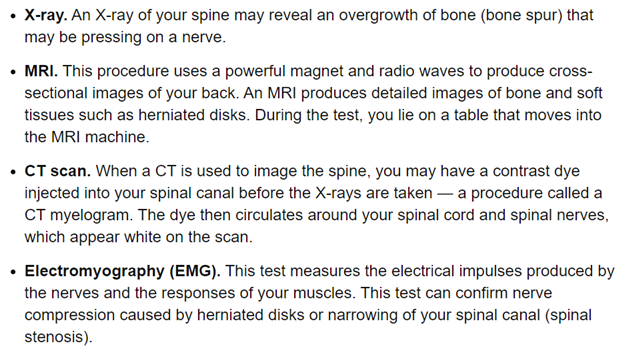
- investigations
- Relevant investigations include blood tests, nerve conduction tests, imaging such as radiography, magnetic resonance imaging (MRI), computed tomography
- treatments
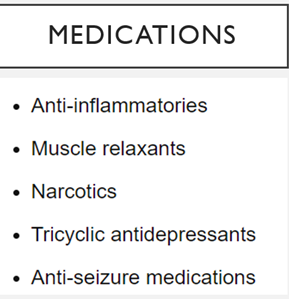
- medications
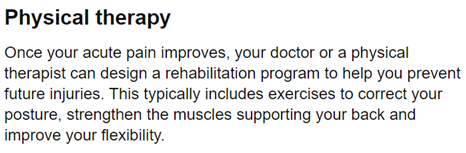
- physical therapy
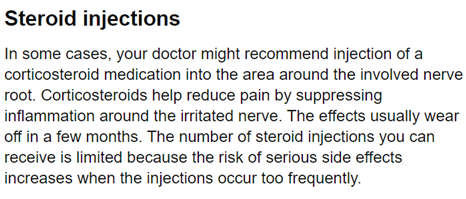
- surgical and other procedures
- medications
- investigations
alternative medicine
- advantages
- Whole body care. - Personal attention- Natural/healthy approach. - Less expensive.
- disadvantages
- Minimal scientific research. - Longer term treatment - Not useful in emergency cases - No Regulation
- medical treatments that are used instead of traditional (mainstream) therapies.
- Acupuncture. Ayurveda. Homeopathy. Naturopathy. Chinese or Oriental medicine
- advantages
Imagens e arquivos do mapa
Informações
- Descrição
- Mapa Mental sobre Back Pain, criado por Aml Fathi em 28-02-2021.
- Criado por
- Aml Fathi
- Visualizações
- 1
- Avaliação