
Mapa mental
The Origins of Language
Conteúdo do mapa
The Origins of Language
The languaje is a system of symbols,with several levels of organization at least phonetics (the sounds) syntax (the grammar) and semantics (the meanings).
The Mama theory
- attached to the most significant objects
- Language began with the easiest syllables
The Ta-ta theory
- Sir Richard Paget, influenced by Darwin, believed that body movement preceded language.
- language may have derived from gestures.
- Language began as an unconscious vocal imitation of these movements
- the way a child's mouth will move when they use scissors
- tongue sticks out when I try to play the guitar.
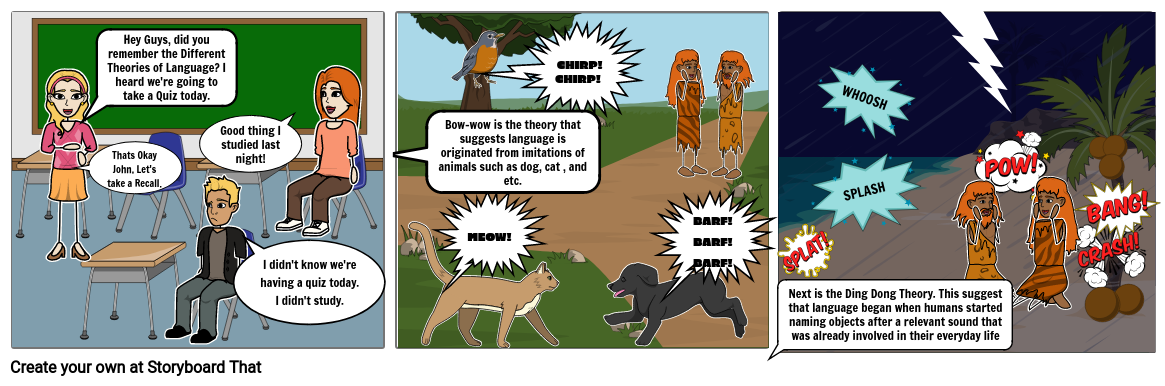
The bow-wow theory
- arose from people imitating natural souns.
- or sounds that things make
- Was coined by Max Müller
- a philologist
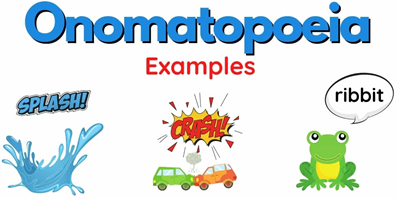
- The first speech was onomatopoeia.
- words that represent the sounds they make
- Does not adequately explain the creation of words for soundless objects
- Nor how grammar or synthax developed
- arose from people imitating natural souns.
The pooh-pooh theory
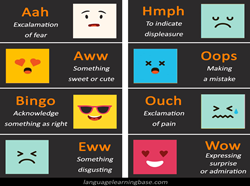
- Propose that the first words developed from interjections or exclamations.
- the term "pooh-pooh" was originated in the late eighteenth century
- as "reduplication" of the word "pooh"
- which was a common expression of disgust
- as "reduplication" of the word "pooh"
- stated that there are natural emotional reactions in the roots of human words
- ike laughter, cries of pain or sighs
- Some authors suggested the term originated as a "representation of the act of spitting in sign of rejection".
The ding-dong theory
- This idea that language began when humans started naming objects.
- Sounds
- Symbolism
- small or sharp objects
- Vowels
- Objects of sense percetion
- Producing spontaneously sound
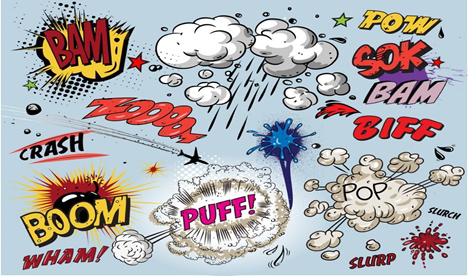
- For example: BOON-CRASH-ONIK
- This idea that language began when humans started naming objects.
The sing -song theory
- that language comes out of play, laughter, coo-ing, courtship, emotional.
- other theories, perhaps some of our first words were actually long and musical
- rather than the short grunts many assume we started with.
- other theories, perhaps some of our first words were actually long and musical
- that language comes out of play, laughter, coo-ing, courtship, emotional.
The yo-he-ho theory
- Proposes that language and speech started with grunts and groans.
- In effect this theory claims that language are originated from the cooperative effoorts of human.
- For example : chants and working -sworking songs-marchin
The hey you Theory
- Revesz suggested that we have always needed interpersonal contact.
- language began as sounds to signal both identity (here I am!) and belonging (I'm with you!).
- We may also cry out in fear, anger, or hurt This is more commonly called the contact theory.
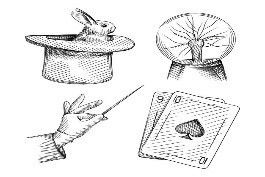
The hocus pocus theory
- It was thought may have had some roots in the magical or religious aspect of our ancestors' lives.
- It was once a common term for a magician, juggler, or other similar entertainers.
- Is an illusion or a meaningless distraction that tricks you in some way.
- In fact the word comes ocmes from a false Latin HOC EST CORPUS MEUM "This is my body", probalby copied from the invocation of the mass.
- We started calling the game animals with magical sounds, which became their names.
- It was once a common term for a magician, juggler, or other similar entertainers.
- Aletrnative to other theories it may simply be meaningless pseudo-latin, invented to impress people.
- Synonyms
- Hanky Panky
- Jiggery - Pokery
- Skullduggery
- Slickness
- Trickery
- Example
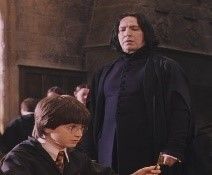
- He steadied himslef in time to hear Snape say, " - your little bit of hocus-pocus. I'm wating."
- the Harry Potter and the Sorcerer's Stone
- He steadied himslef in time to hear Snape say, " - your little bit of hocus-pocus. I'm wating."
- It was thought may have had some roots in the magical or religious aspect of our ancestors' lives.
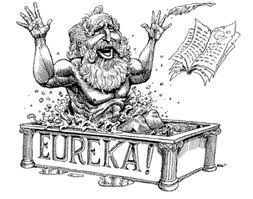
The ureka Theory
- The lenguage was consciously invented.
- An idea there is no baiss for inspired discovery, but only dicovery as a mere accident.
- Origin the word beginning with Archimides.
- Is defined as a translator of a pragmatic discovery.
- Monogenesis
- It was invented many times.
- Polygenesis
- It was invented by many people.
- Induces the translator to suddendly find valied solutions to the linguistic problems he or she faced with.
- Monogenesis
- Is defined as a translator of a pragmatic discovery.
- Eureka! Eureka! (I've found it! I've found it!), with joy.
- Origin the word beginning with Archimides.
- An idea there is no baiss for inspired discovery, but only dicovery as a mere accident.
- The lenguage was consciously invented.
Imagens e arquivos do mapa











Informações
- Descrição
- 9. Hocus pocus theory: It was thought may had some roots in the magical or religiuos aspect of our ancestors' live. 10. The eureka! Theory: Origins the word beginning with Archimides, While bathing in a bathtub, when he made a remarkable discovery.
- Criado por
- Andy Rivera
- Visualizações
- 117
- Tags
- Avaliação