
Mapa mental
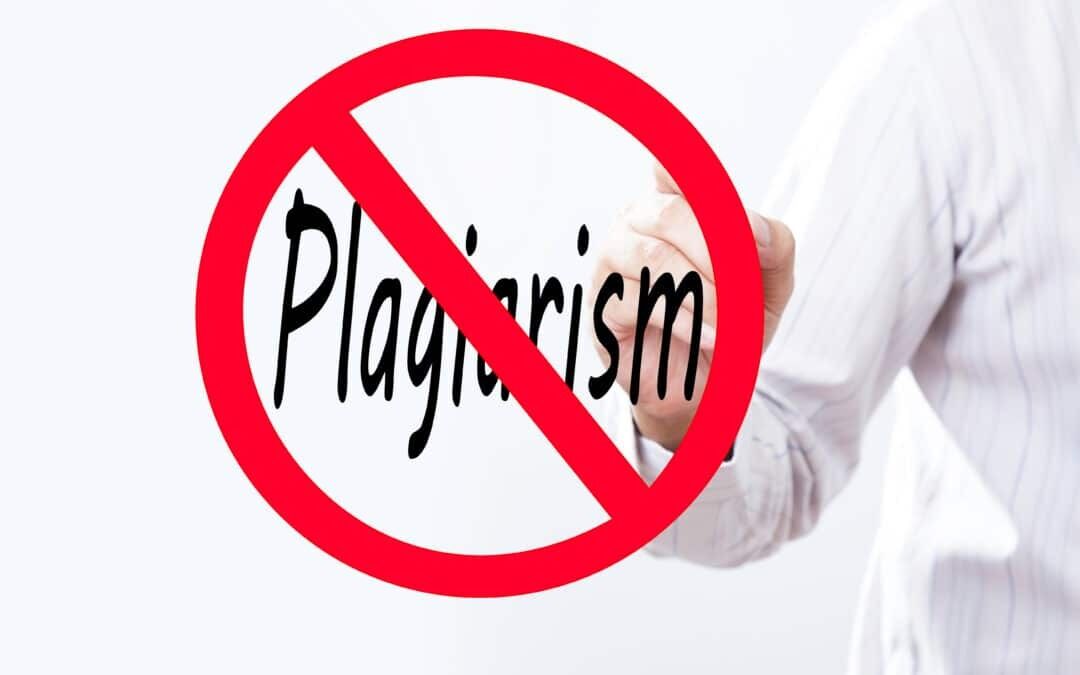
PLAGIARISM
Conteúdo do mapa
PLAGIARISM
OVERVIEW OF PLAGIARISM
- Presenting someone else's work or ideas as your own, either with or without the original author's consent, without proper acknowledgment.
- This includes all published and unpublished material, in manuscript, printed, or electronic form.
- Self-plagiarism, which is reusing your own work without proper citation, and using artificial intelligence without explicit authorization, also fall under this definition.
COMMON FORMS OF PLAGIARISM
- Verbatim quotations without acknowledgment
- Using the exact words of another author without indicating the source through quotation marks, indentation, or a clear citation.
- Cutting and pasting from the internet
- Using information from websites without referencing it properly or including it in the bibliography.
- Paraphrasing without attribution
- Rewriting someone else’s ideas by changing a few words or following their argument’s structure without citing the source.
- Collusion
- Unauthorized collaboration between students or failing to acknowledge help received in a project.
- Inaccurate citation
- Incorrectly referencing sources, either in the text or in the bibliography.
- Failure to acknowledge assistance
- Not attributing substantial help received from peers, technicians, or external sources.
- Use of material written by others
- Submitting work written by someone else or a professional agency as your own.
- Self-plagiarism
- Re-submitting work that has already been assessed, either partially or fully, without proper citation or permission.
- Verbatim quotations without acknowledgment
WHY AVOID PLAGIARISM
- Academic Integrity
- Plagiarism is a serious violation that compromises trust in academic work.
- Impact on Learning
- Students who plagiarize avoid engaging in the full learning process and fail to develop original ideas.
- Severe Penalties
- Plagiarism can result in significant academic sanctions, ranging from grade reductions to expulsion.
- Institutional Reputation
- Plagiarism damages the reputation of the academic institution and undermines the value of the degrees it awards.
- Academic Integrity
CONSEQUENCES OF PLAGIARISM
- Reckless plagiarism
- Even if unintentional, failing to take steps to avoid plagiarism can result in penalties, such as loss of marks.
- Formal investigation
- Suspected cases are thoroughly investigated by academic authorities and can be escalated to a Disciplinary Panel if necessary.
- Disciplinary penalties
- Universities investigate plagiarism cases, which may lead to academic penalties or expulsion.
- Intentional plagiarism
- Deliberate attempts to gain an unfair advantage through plagiarism result in more severe penalties.
- Reckless plagiarism
HOW TO AVOID PLAGIARISM
- Understand citation conventions
- Familiarize yourself with the citation rules of your discipline, including proper use of quotation marks for direct quotes and accurate citation of sources.
- Take accurate notes
- Ensure you record detailed information about the sources when researching and studying.
- Develop your own voice
- Work on building your own interpretations and arguments instead of heavily paraphrasing from other texts.
- Participate in plagiarism courses
- Take advantage of university resources, such as online courses, that explain how to avoid plagiarism.
- Reference all types of material
- Ensure that not only written texts but also graphics, images, computer code, and other forms of content are appropriately cited.
- Understand citation conventions
ETHICAL USE OF SOURCES
- Proper referencing
- Ensure all ideas, words, and data from other authors are clearly cited, both within the text and in the bibliography.
- Citing reliable sources
- Make sure to use and evaluate sources, especially online materials, that are peer-reviewed and academically sound.
- Contributing to academic debates
- Proper citation not only avoids plagiarism but also strengthens your argument and shows you are participating in wider academic discussions.
- Proper referencing
EXAMPLES OF PLAGIARISM AND HOW TO AVOID IT
- Plagiarism through inaccurate paraphrasing
- Simply changing a few words is not enough. To avoid this, fully understand the original argument and write a genuine interpretation in your own words.
- Correct use of quotations
- When using direct phrases or distinctive ideas, they must be clearly quoted and cited to avoid misunderstanding about the authorship.
- Citing general vs. common knowledge
- Information that is not common knowledge in your discipline must be cited, while common knowledge facts do not need references.
- Plagiarism through inaccurate paraphrasing
POSITIVE IMPACT OF AVOIDING PLAGIARISM
- Skill development
- By avoiding plagiarism, students develop essential skills like critical analysis, argumentation, and clear writing.
- Academic credibility
- Proper referencing increases the credibility of your work and shows a commitment to intellectual honesty.
- Improved academic work quality
- A clear understanding of how to use sources correctly enhances the clarity, depth, and quality of your research and writing.
- Skill development
Imagens e arquivos do mapa
Informações
- Descrição
- Mapa Mental sobre PLAGIARISM, criado por TRILCE SULLCARAY CUEVA em 23-10-2024.
- Criado por
- TRILCE SULLCARAY CUEVA
- Visualizações
- 11
- Avaliação