
Mapa mental
Chapter 4: Implementing Accounting Analysis
Conteúdo do mapa
Chapter 4: Implementing Accounting Analysis
Key Concepts
- Recastng financial statements into a template that uses standard terminology makes analysis more meaningful
- Balance sheets, income statements, and statements of cash flows
- Table 4-1, 4-2, 4-3
- Analyzing elements of the balance sheet for possible distortions allow the analyst to better understand the economic substance of a firm's transactions and financial posititon
- Recastng financial statements into a template that uses standard terminology makes analysis more meaningful
Asset Distortions
- Whether
- The firm owns or controls the economic resources in question
- The economic resources are likely to provide future economic benefits that can be measured with reasonable certainty; or
- The fair values of assets are lower or higher than their book values
- Opportunities for accounting adjustments
- Accounting rules do not do a good job of capturing the firm's economics
- Managers use their discretion to distort the firm's performance, or
- There are legitimate differences in opinion between managers and analysts about economic uncertainties facing the firm that are reflected in asset values
- Overstated Assets
- when managers have incentives to increase reported earnings
- The most common forms of asset (and earnings) overstatement
- 1. Delayed asset write-downs
- Analysts that cover firms where management of INVENTORIES and RECEIVABLES
- Warning signs
- growing inventory and receivables
- write-downs of similar products by competitors
- business downturns for a firm's major customer
- Warning signs
- Deteriorating industry or firm economic conditions can also affect the value of long-term non-financial assets (plant and equipment), intangle assets (such as goodwill)
- Warning signs for delays in impairments in long-term non-financial assests
- declining long-term asset turnover
- declines in return on assests to below the cost of capital for the firm
- write-downs by other firms n the same ndustry that have also suffered deteriorating asset use
- overpayment for or unsuccessful integration of key acquisitions
- Warning signs for delays in impairments in long-term non-financial assests
- Analysts that cover firms where management of INVENTORIES and RECEIVABLES
- 2. Underestimated reserves (e.g, allowances for bad debts or loan losses)
- Managers make estimates of expected customer defaults on accounts receivable and loans
- Warning signs
- growing receivables
- business downturns for a firm's major clients
- growing loan delinquencies
- Warning signs
- Managers make estimates of expected customer defaults on accounts receivable and loans
- 3. Accelerated recognition of revenues (increasing receivables)
- managers have incentives to accelerate the recognition of revenues, boosting reported earnings for the period, AR and earnings will then be overstated
- Warning signs
- receivables growth outpacing sale growth
- increasing days' receivable
- Warning signs
- managers have incentives to accelerate the recognition of revenues, boosting reported earnings for the period, AR and earnings will then be overstated
- 4. Understated depreciation/amortization on long-term assets
- Managers make estimates of asset lives, salvage value, and amortization schedules for depreciable long-term assets. If these estimates are optimistic, long-term assets and earnings will be overstated
- 1. Delayed asset write-downs
- Whether
Liability Distortions
- Distortions in liabilities generally arise because thereis ambiguity abt whether
- (1) an obligation has really been incurred and/or
- if a firm announces a plan to restruture its business by laying off employees,
- if a software firm receives cash from its customers for a five year software lincense, should the firm report the full cash inflow as revenues or should some of it represent the ongoing commitment to the customer for servicing an supporting the lincense agreement?
- (2) the obligation can be measured
- a firm that is responsible for an envrionmental cleanup clearly has incurred an obligation, but the amount is highly uncertain
- Firms that provide pension and post-retirement benefits for employees have incurred commitments that depend on uncertain future events, such as employee mortality rates amd future inflation rates, making valuation of the obligation subjective
- Future warrantly and insurance claim obligations fall into the same category - the commitment is clear but the amount depends on uncertain future events
- Understated Liabilities
- Whether
- Liabilities are likely to be understated when the firm has key commitments that are difficult to value and therefore not considered liabilities for financial reporting purposes
- Understatements are also likely to occur when managers have strong incentives to overstate the soundness of the firm's financial position or to boost reported earnings
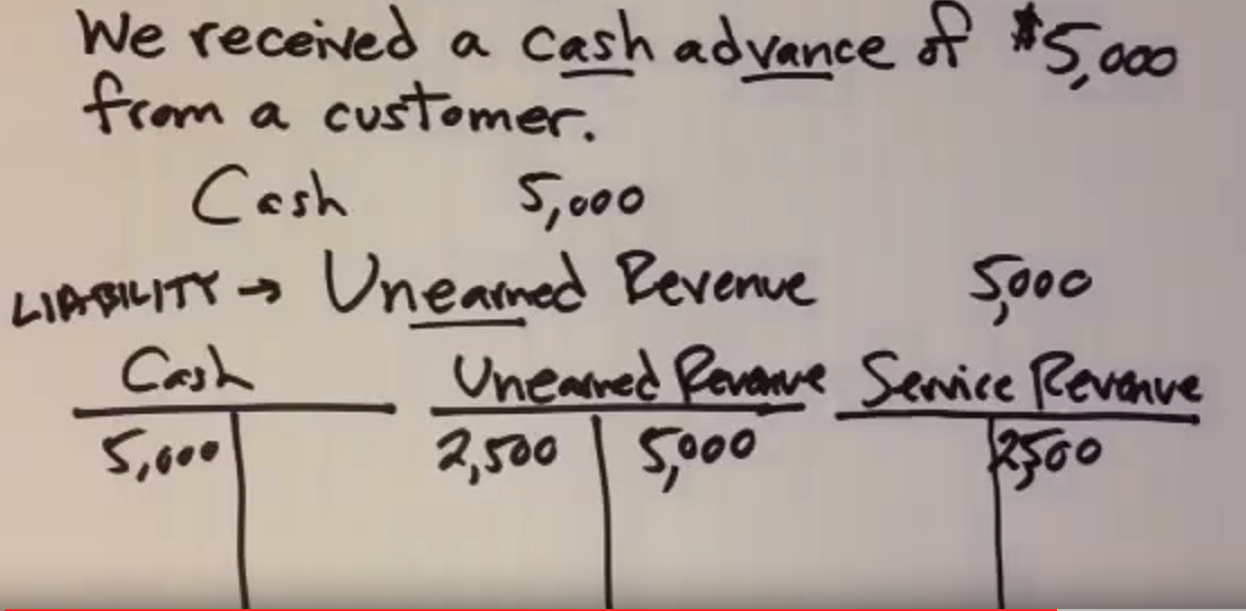
- Earnings management also understates liabilities (namely deferred or unearned revenue) when revenues are recognized upon receipt of cash, even though not all services have been provided
- The following conditions exist
- 1. Unearned revenues are understated through aggresive revenue recognition
- Firms that recognize revenues prematurely - after the receipt of cash but prior to fulfilling their product or service commitments to customers
- Firms that bundle service contracts with the sale of a product are particularly prone to deferred revenue liability understatement since separating the price of of the product from the price of the service is subjective
- 2. Loans from discounted receivables are off balance sheet
- Are the firm's estimates reasonable?
- Is it straightforward to forecast the costs of the default and prepayment risks?
- It not, does the analyst need to increase the value of the resource liability?
- Or, in the extreme, does the analyst need to undo the sale and recognize a loan from the financial institution for the discounted value of the receivables?
- 3. Long-term liabilities for leases are off balance sheet
- For firms that choose to structure lease transaction to fit the definition of an operating lease, the analyst can restate the leases, as discussed in the Asset Understatement section. This will ensure that the firm's true financial commitments and risks weill be reflected on its balance sheet, enabling comparision with peer firms
- 1. Unearned revenues are understated through aggresive revenue recognition
- Whether
- (1) an obligation has really been incurred and/or
- Distortions in liabilities generally arise because thereis ambiguity abt whether
Equity Distortions
- Whether
- Equity distortions arise primarily from distortions in assets and liabilities
- can also arise that are not captured in an asset and liability analysis
- hybrid securities
- Hybrid securities
- include convertible debt and debt with warrants attached
- partially pure debt and partially equity
- Current U.S accounting rules do not separate these components, typically implying that the balance sheet overstates firm debt and understates its equity.
- Without adjusting, it can be difficult to understand the real financial risks and returns for firms with different types of hybrids
- FASB/IASB project are likely to address this issue by requiring securities such as convertible debt to be separated into two components on the balance sheet, a debt component and an equity component
- Whether
Imagens e arquivos do mapa
Informações
- Descrição
- Business Valuation Mapa Mental sobre Chapter 4: Implementing Accounting Analysis, criado por Trang Pham em 16-05-2017.
- Criado por
- Trang Pham
- Visualizações
- 0
- Avaliação