
Mapa mental
Communication Disorders in Frontal Lobe
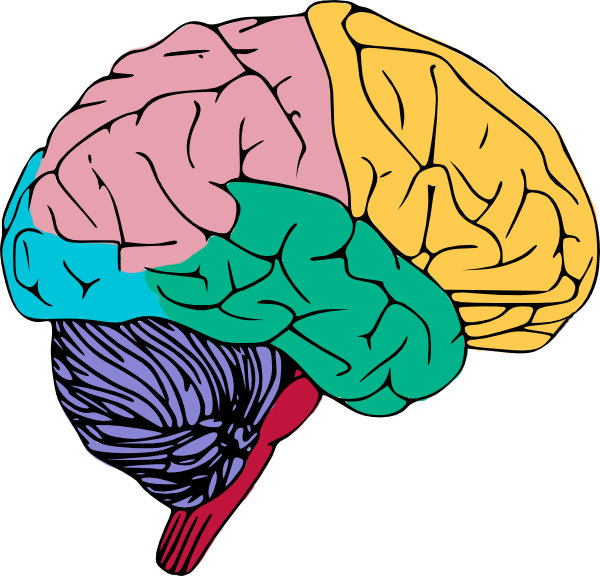
Conteúdo do mapa
Communication Disorders in Frontal Lobe
Right Hemisphere Dysfunctions
- Disordered Formulation
- damage to prefrontal area
- communication characteristics
- abnormalities in emotional, flattening, inappropriate and frequently vulgar behavior, apathy, and confabulation
- difficulties in selecting a socially acceptable language
- confabulation with disorganized narrative in discourse
- impulsively responds
- Decreased Output
- damage to medial frontal lobe
- communication characteristics
- reduction in language production , prosody, and verbal output (mild-moderate)
- Defective Pragmatic Discourse
- damage to dorsolateral frontal area
- communication characteristics
- deficits in pragmatics
- frequent irrelevant and tangential comments
- difficulties organizing a coherent narrative , interpreting analogies, ironies, and general, figurative language
- may have concrete, blunt, impolite discourse
- Dysprosody
- damage to lower Motor cortex and posterior operculum; full operculum plus lower motor cortex
- results in affective motor dysprosody
- communication characteristics
- difficulties using melodic contour in verbal output
- speech is flat without appropriate prosodic quality
- difficulties with emotional communication (sadness, irony, sarcasm, happiness)
- damage to lower Motor cortex and posterior operculum; full operculum plus lower motor cortex
- Disordered Formulation
Left Hemisphere Dysfunctions
- Aphemia
- damage to lower Motor cortex and posterior operculum
- communication characteristics
- lower facial paresis may still exist
- language function is intact or minimally impaired
- at first, the person is mute and hemiparetic, but conditions rapidly improves
- speech is slow, effortful
- dysarthria is observed
- language recovers to a normal state most often though dysarthria remains
- Broca's Area Aphasia
- dameges to full operculum plus lower motor cortex
- communication characteristics
- nonfluent expressive language
- poorly articulated
- consists of short phrases that are agrammatical and produced with great effort
- language comprehension is superior to verbal production, but not normal
- lack of fluency, disintegration of speech kinetic melodies
- language repetition is poor having phonetic deviations, phonologic paraphasias, simplifications of syllabic groups, and iterations
- repetition and production of automatic series are superior to spontaneous language
- difficultly pointing and naming
- Mutism
- damage to medial frontal lobe
- communication characteristics
- inability or unwillingness to speak
- Reduced Formulation aka Impoverished Discourse
- damage to prefrontal area
- communication characteristics
- loss /reduction of spontaneous language, difficulty organizing expressive language, poor verbal generation, and defects in verbal reasoning
- defects in paralinguistic
- lesions limited to polar regions are associated with personality changes
- Transcortical Motor Aphasia
- damage to dorsolateral frontal
- communication characteristics
- preserved repetition, good comprehension
- lack of verbal initiative associated with left prefrontal pathology
- initial mutism followed by language initiation disturbances
- Aphemia
Katie Murphy
References: Peach, R.K., & Shapiro, L.P. (2012). Cognition acquired language disorders: An information processing approach (pp. 153-155). St. Louis, MO: Elsevier Inc.
Imagens e arquivos do mapa


Informações
- Descrição
- Mapa Mental sobre Communication Disorders in Frontal Lobe, criado por Katherine Murphy em 08-07-2017.
- Criado por
- Katherine Murphy
- Visualizações
- 1
- Avaliação