Notas
The Emergence of Japan and the Feudal Age
Conteúdo das notas (1)
Página 1
The Emergence of Japan and the Feudal Age
Geography and Nature
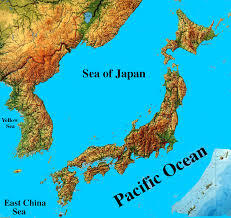
Japan is located on an Archipelago which is a chain of islands about 100 miles off the Asian mainland.
Japan is the size of Montana, and it is very mountainous; too mountainous for farming. Surrounding
seas both protect and isolate Japan. Because of its location, Japan had the freedom to accept or reject
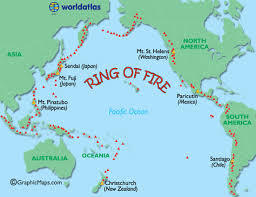
Chinese influences. Japan is located in the Ring of Fire; an area made up of a chain of volcanoes in the
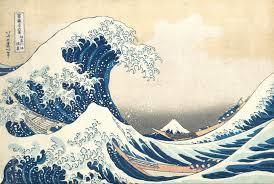
Pacific Ocean. The Japanese feared and respected the forces of Nature.
The Tale of Genji and Heian Writers
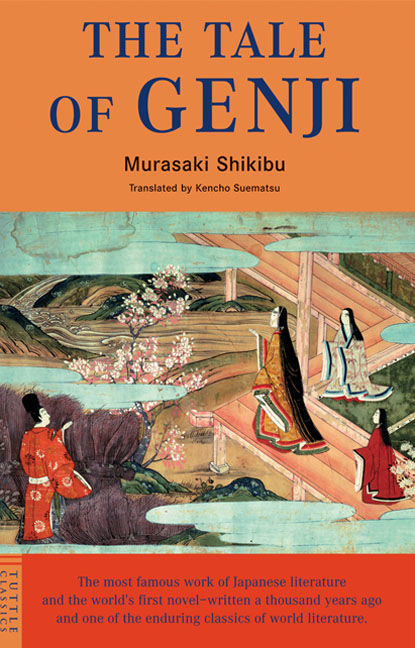
Although women were not able to learn the Chinese language, they were the most important works of Japanese literature. One of the best-known Heian writers was Murasaki Shikibu. Her works, The Tale of Genji, is the world's first full length novel. This novel recounts the adventures and loves of the fictional Prince Genji and his son. The Heian writers' poems are haunted by sadness, and lament that love does not last and that the beauty of the world is soon gone.
Zen
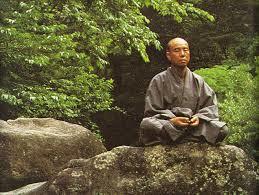
Zen is a Buddhist sect from China that emphasized self-reliance, meditation, and devotion to duty. Zen had contradictory traditions. For example, monks sought to experience absolute freedom, yet they had to follow rigid rules, and Zen fought compassion for all, but the Samurai fought to kill. Zen Buddhists believed that people could seek enlightenment through meditation and performing everyday tasks. Zen reverence to nature also influenced the development of fine landscape paintings.
Art Influences
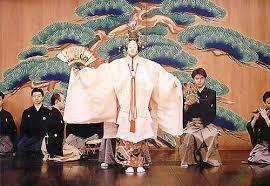
New Drama developed in Japan, and Noh plays were performed on a square, wooden rage without scenery. Many Noh represented Zen Buddhist themes, emphasizing the need to renounce selfish desires, and others depicted fairy tails or battles between feudal lords. Paintings in Japan often reflected the influence of Chinese landscape paintings, yet Japanese artists developed their own style. On scrolls, painters would recreate historical events. In the 1600s, the vigorous culture produced a flood of colorful woodblock prints to satisfy middle-class tastes.