
Notas
Beginning of the Cold War
Conteúdo das notas (4)
Página 1
How did the Cold War begin (1945-1990)?
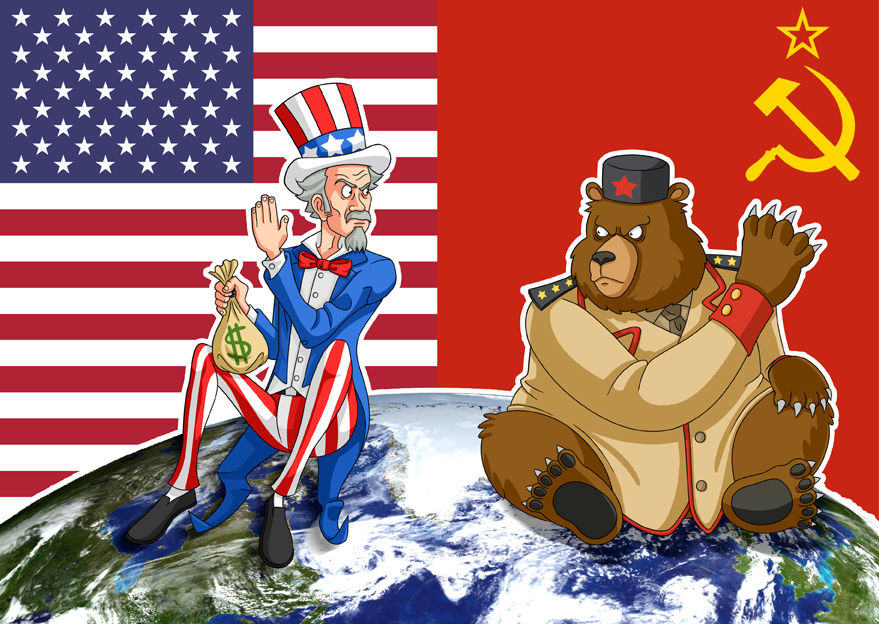
The balance of power shifted globally following the Second World War and the two dominating superpowers were the United States and USSR. Although they fought as allies during the war, US and USSR relations developed into a new conflict known as the Cold War. Their relations changed in a number of ways after the war:
In a year, US and Soviet leaders were accusing one another of breaking promises from the war
In two years, the US president was promising help to anyone who would stand against the USSR
In four years, war between the US and USSR looked likely
Although there are many reasons that the Cold War began, one of the main issues was differing ideology.
Página 2
Yalta Conference February 1945
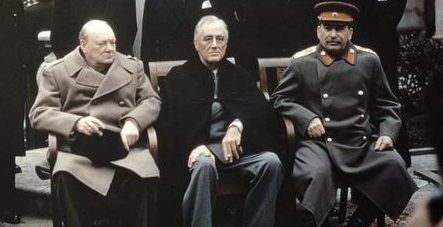
In February 1945, Josef Stalin, Winston Churchill and Franklin D. Roosevelt met in Yalta, Ukraine. This conference came about in the wake of Germany about to lose the war. Therefore, the three leaders met to discuss what would happen after the war:
Agreed Points:
Stalin agreed to join the war against Japan
Countries free from German control would choose their own governments in free elections
Nazi war criminals would be put on trial
Germany would be divided into four occupied zones between US, USSR, Britain and France
To ensure the USSR would not be invaded again, eastern Europe would develop under Soviet influence
Disagree Points:
Stalin wanted the border of USSR to move westwards into Poland; he argued that Poland could move its border westwards into Germany
Churchill and Roosevelt both disapproved of the plan
However, they agreed to let Stalin carry out the plan if he did not interfere in Greece
Britain was attempting to prevent the take over of Greece by communists
Postdam Conference July-August 1945
The leaders met in Postdam, near Berlin, after the defeat of Germany. Relations were more tense on this occasion between the leaders:
With the war over there was less of a need to demonstrate a united front
Soviet forces controlled much of eastern Europe - after liberating Germany, Stalin set up a communist government in Poland
Roosevelt died in April 1945, Harry Truman the new president was more anti-communist than his predecessor
Truman and his advisers believed Stalin was preparing for a takeover of eastern Europe
Truman told Stalin secretly about the testing of the atomic bomb
There were also many disagreements at Postdam:
Germany - Stalin wanted to cripple the German economy, while Truman did not want to repeat the mistakes of the Treaty of Versailles
Reparations - 20 million Russians were killed in the war and the country was devastated, Stalin wanted German compensation, but Truman disagreed
Eastern Europe - although Stalin at Yalta received agreement for setting up pro-Soviet governments in eastern Europe, Truman was concerned about true Soviet intentions
Página 3
The 'Iron Curtain' 1946
After the conditions of the war and the devastating impact it had on many countries economies and populations, the USA offered a loan to Stalin in order to guarantee US freedom of trade in eastern Europe. Stalin refused to accepted these loans and soon after began his occupation of Eastern Europe.
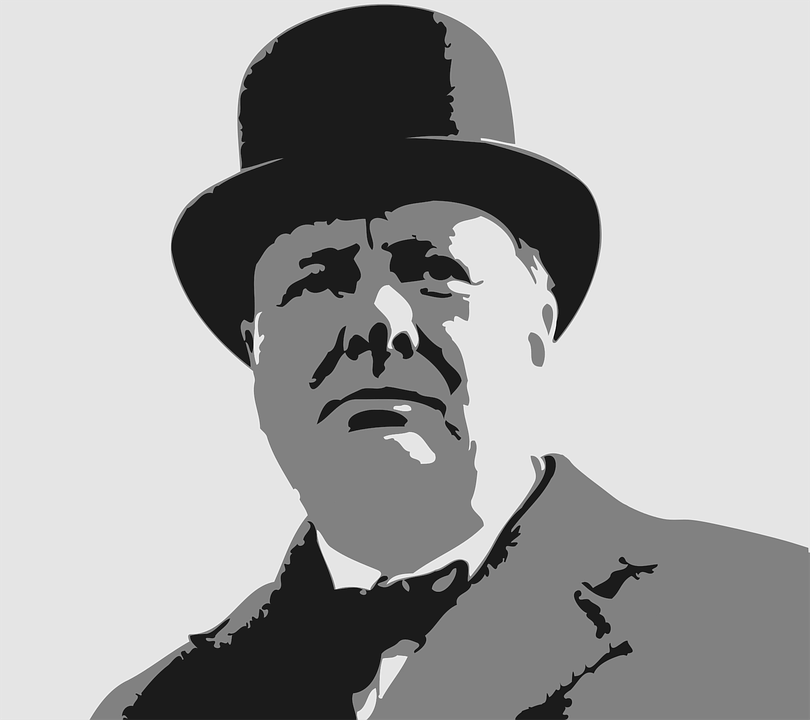
By 1946, Poland, Romania, Hungry, Bulgaria and Albania had governments loyal to the Soviet leader. Churchill lost his position as British Prime Minister at this time and went around on a world lecture tour. He expressed his belief that Stalin and the USSR posed a great danger to Europe and the world. His famous speech in March 1946 is cited as the start of the Cold War, it was known as the 'Iron Curtain' speech.
Página 4
Stalin Takes of Eastern Europe 1945-1948
In October 1947, Stalin founded the Communist Information Bureau (Cominform) to control the governments of eastern Europe, this organisation allowed Stalin to find leaders who were against him and replace them with loyal leaders:
How each country in Eastern Europe was taken over:
East Germany - The Allies had given the USSR control here
Poland - After the war, the communists joined in coalition governments, becoming outright leaders when they forced the non-communist leader into exile in 1947
Czechoslovakia - When the Communist party position in coalition was threatened in 1948, they banned other parties. Czechoslovakia became a one-party, communist state
Hungary - Communist party leaders became the largest party in 1947, banning opposition and attacking church leaders
Romania - In 1947, the monarchy was banned and communists took over fully
Yugoslavia - Marshal Tito had Yugoslavia expelled from Cominform in 1948
Bulgaria - A left-wing coalition won elections in 1945, communists members then executed leaders of other parties
Albania - Communists gained power directly after the war, backed by Yugoslavia and USSR
Informações
- Descrição
- O usuário eliminou as informações de disciplina Notas sobre Beginning of the Cold War, criado por Usuário eliminado em 01-09-2017.
- Criado por
- Usuário eliminado · set 2017
- Atualizado
- 16 out 2018
- Visualizações
- 1.527
- Histórico
-
- Criado por Andrew Burke · 29 jun 2017
- Copiado por Andrew Burke · 1 set 2017
- Avaliação