
Soviet War in Afghanistan 1979-1989
Slides do conjunto (5)
-
Communist Coup in Afghanistan 1978
- Background:
- In the twentieth century, Britain and Russia both tried to increase their influence in Afghanistan
- 1978 - some pro-Soviet Afghan army officers under Mohammed Taraki overthrew the existing ruler and established a communist government there
- The government brought in reforms to modernise Afghanistan
- Reforms were accepted in the cities but failed to grip the countryside where traditional Islamic views were stronger
- Some tribal warlords opposed Taraki
- Taraki reacted harshly by executing an estimated 27,000 political prisoners
- 1979 - a revolution took place in neighbouring Iran, which heightened concern of Soviet leaders over their Muslim republics, such as Kazakhstan and Uzbekistan
- Soviet leaders did not want radical Islamic ideology spreading to Afghanistan from Iran and then to the USSR
-
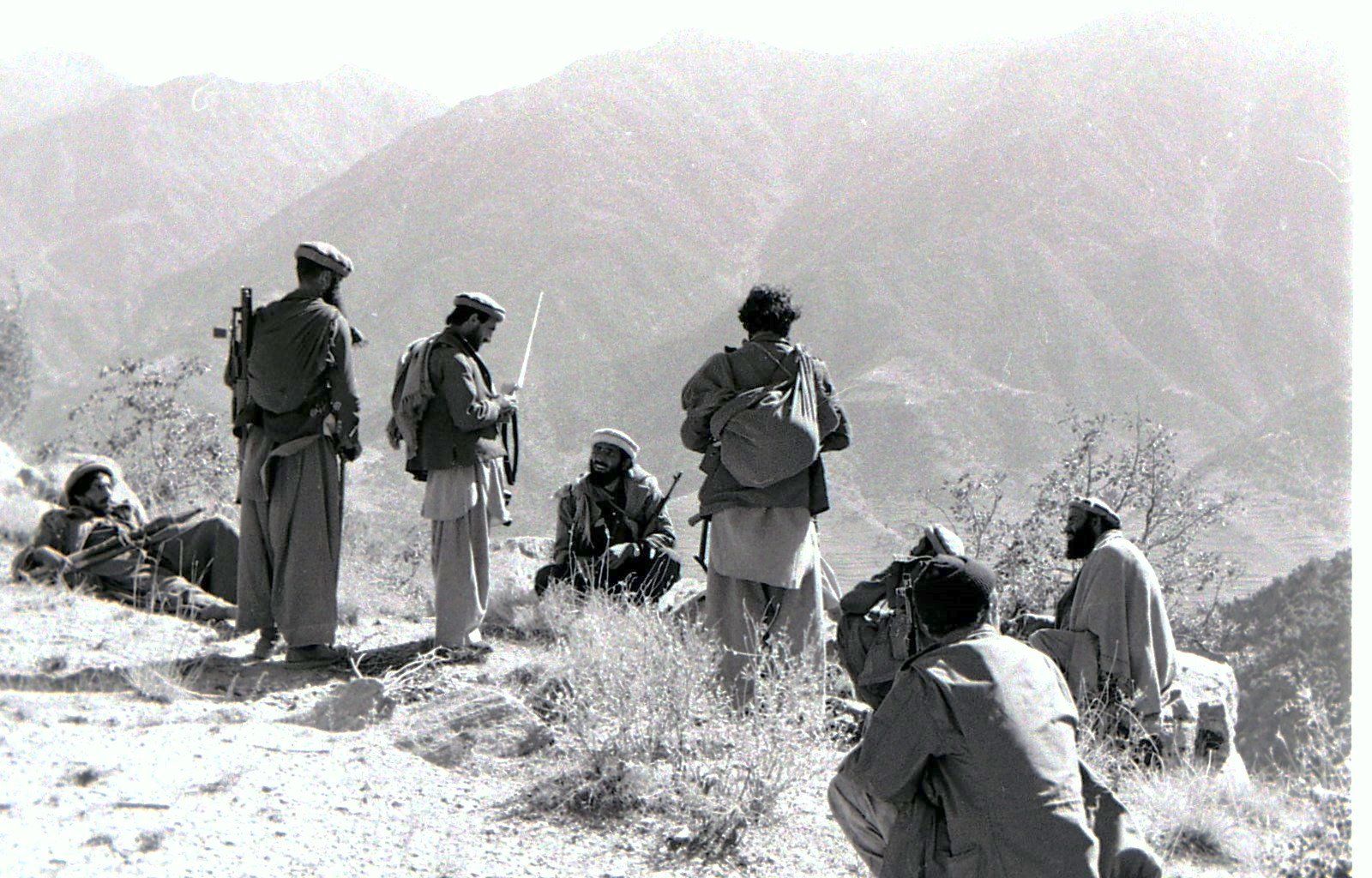
- The US were helping the mujahidin (Afghan warlords) to fight against Taraki's government in Afghanistan
- The US channelled funds through Pakistan
- March 1979 - the communist government in Afghanistan was in trouble; appeals were made to the USSR for help
- In the end, the USSR sent advisers and equipment to help the Afghan government
- September 1979 - previous efforts failed and the situation became critical; the USSR did not want to make the same commitment the US made in Vietnam
- In the same month, Taraki died and was replaced by Hafizullah Amin
- The Soviets feared that Amin would switch sides and ally Afghanistan with USA
- December 1979 - Politburo leaders (the principal policy making committee in the former Soviet Union) were under pressure
- 12 December 1979 - the Soviets decided to invade Afghanistan, depose Hafizullah Amin and set up their own pro-Soviet government
- 25 December - Soviet tanks enter Afghanistan
-
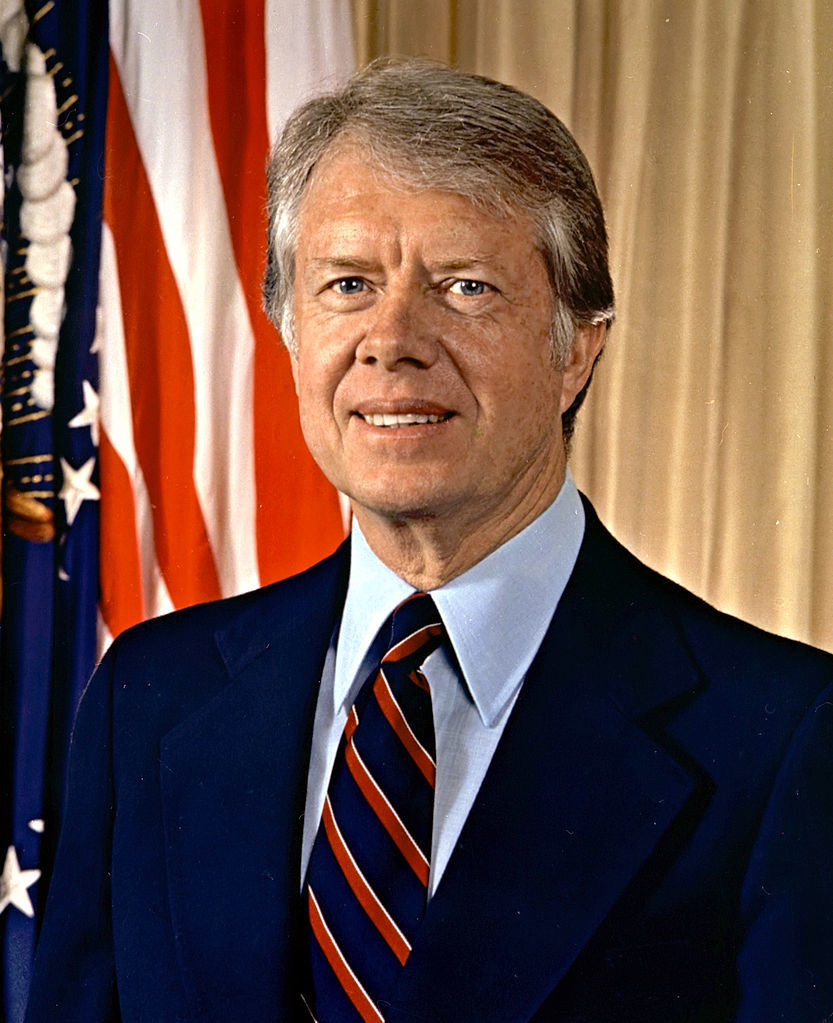
- Legenda: US President at the time Jimmy Carter
- Carter reacted quickly to the Soviet invasion:
- He called Brezhnev on the hotline and warned him the invasion could threaten world peace
- Trade sanctions: cancelled grain exports to the USSR from the US
- Started to channel military supplies and economic aid to the mujahidin through Pakistan
- Abandoned the intentions of SALT II treaty talks and increased spending on weapons
- Carter called for a boycott of the Olympic Games in Moscow that were due to take place in August 1980
-
- The Afghanistan landscape was mountainous and desertlike, with poor roadways and communications
- The Afghan people knew the local landscape very well and could easily turn this knowledge against the enemy
- The conservative Muslim communities disliked communism because it was an atheist ideology, they disliked the government's modernising reforms and the invading Soviet foreigners
- Soviet military tactics both on the ground and in the air failed to cope, often turning their frustrations to atrocities against the Afghan people
- The mujahidin had support from Saudi Arabia ($600 million a year) and the USA
- In 1981, president Ronald Reagan began sending more money and supplies through Pakistan
- End of 1982 - the Soviets lost about 5,000 troops and airmen
- The Soviets offered to withdraw if the US and Saudi Arabia stopped supporting the mujahidin
- Mid-1980s - the strain of the conflict was evident as thousands of young men died
- The US were supplying the mujahidin with missiles to take down Soviet helicopters
-
Impact and End of the Afghan War
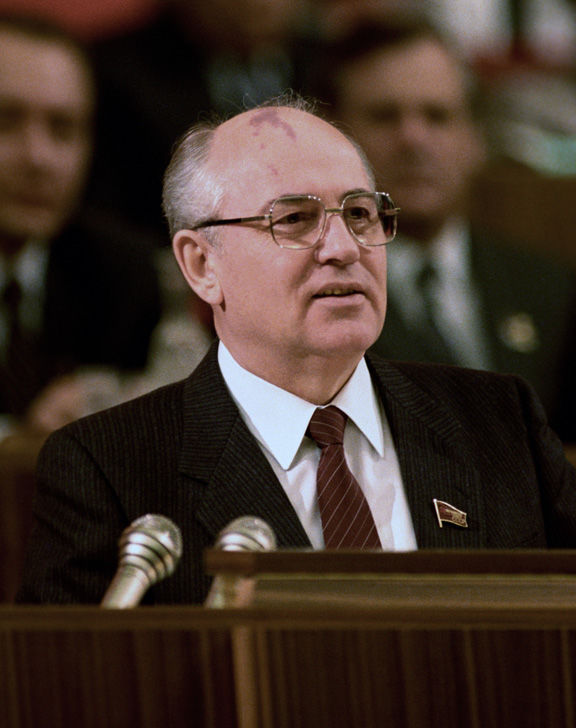
- Legenda: Mikhail Gorbachev - new Soviet leader in 1986
- Gorbachev replaced Chernenko in 1985 and lightened the restrictions placed on the media. More detailed reports were released regarding Afghanistan and the government received letters requesting withdrawal from Afghanistan. Impacts of the war:
- 15,000 Soviet soldiers dead and around 55,000 wounded
- Estimated cost of $20 billion
- 1 million Afghans killed; around 5 million displaced as refugees to mainly Iran and Pakistan
- USSR's Vietnam:
- The USSR suffered a humiliating defeat in Afghanistan. Leaders of the country were put under pressure and the war practically bankrupted the country. The war demonstrated the power of the US, while bringing Gorbachev to the frontline of Soviet politics. Gorbachev changed the path of the USSR by cutting down armed forces and scrapping nuclear weapons. He was no longer prepared to involve the USSR in proxy wars across the world. This changed relations with the US and led to the end of the Cold War at the end of 1989.
Informações
- Descrição
- O usuário eliminou as informações de disciplina Slides sobre Soviet War in Afghanistan 1979-1989, criado por Usuário eliminado em 01-09-2017.
- Criado por
- Usuário eliminado · set 2017
- Atualizado
- 1 set 2017
- Visualizações
- 178
- Histórico
-
- Criado por Andrew Burke · 30 jun 2017
- Copiado por Andrew Burke · 1 set 2017
- Avaliação