
Notas
Development of the Cold War 2
Conteúdo das notas (4)
Página 1
The Arms Race
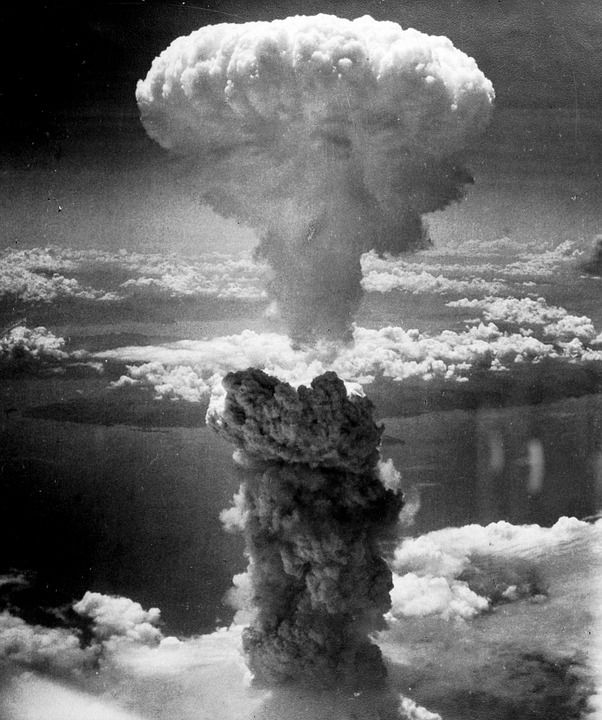
The dropping of the atomic bombs in Hiroshima and Nagasaki in August 1945, forced Japan to surrender in the war
Dropping the atomic bomb started a nuclear arms race between the two world superpowers (USA and USSR)
Nuclear weapons acted as a determinant of power status of the two rival power blocs
The potential of nuclear weapons gave the US and USSR dominant status overall other nations during the Cold War
US and USSR created a MAD (Mutually Assured Destruction) world i.e. ‘If you drop a bomb on us, we will drop a bomb on you’
Página 2
Arms Race Develops
After World War Two, the Americans believed they had the edge on the USSR, in terms of arms development
German scientists had developed V1 and V2 rockets for the Nazis - and now worked for the US military
US and USSR obtained information of what they could from the German rocket programme
Both launched their own rocket programmes
USA had bases in Europe, for example Turkey, where they could launch a nuclear strike
USSR needed longer range rocket missiles
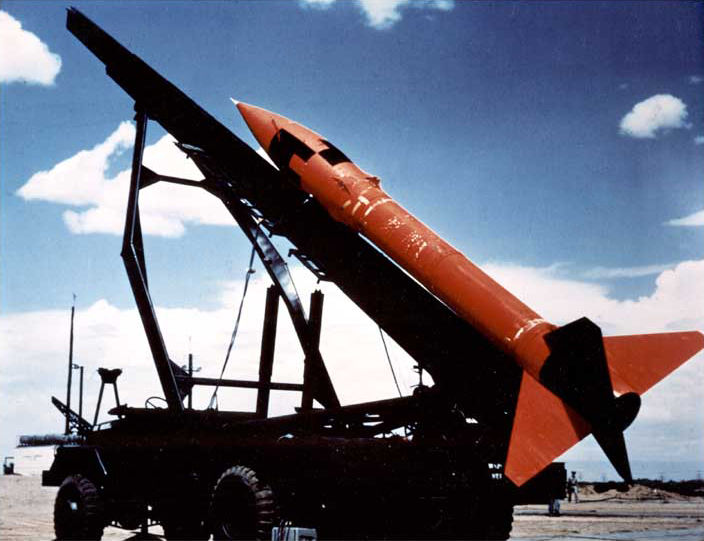
Rocket development had military implications for both sides for ‘arms race’
Both the USA and USSR worked to build Inter-Continental Ballistic Missiles (ICBM) that could travel thousands of miles to deliver nuclear warheads
ICBM’s were developed under the Eisenhower presidency
1958 - the first ICBM was called Atlas, followed by Titan and Minuteman
These missiles could carry warheads for up to 1,600km
In 1961, the US Navy developed Polaris, which led to Poseidon (range of 20,000km and multiple warheads)
Página 3
The Space Race
Part One
Surveillance satellites were used to take photos from space
The US reaction to Sputnik (first satellite in space from the USSR 1957) was one of shock
The USSR had beaten the US in getting into space first - use for propaganda
In this time, USSR had developed missiles that could reach the USA
Johnson was frustrated with the USSR sending Sputnik into space, which resulted in Eisenhower engaging in the space race
1958 - Eisenhower set up the National Aeronautics and Space Administration (NASA) - the aim of the organisation was to catch up and surpass the Soviet Union in space technology
1961 - Yuri Gagarin was the first man in space for USSR
Part Two
May 1961 - New US president, J.F. Kennedy, promises that the US would have a man on the moon before the end of the decade
‘This nation should commit itself to achieve the goal, before the decade is out, of landing a man on the moon’ - J. F. Kennedy
1961 - first Mercury Project sent astronaut Alan Shepard (US) into space
Gemini project - 2-man flights, space walks
Página 4
Apollo Missions
The Apollo programme set out to test soft landings on the moon, photograph the surface, and photograph possible landing sites with a lunar orbiter. American technology overtook the USSR with this programme.
The first six Apollo missions were unmanned:
Launched in 1967, Apollo 7 was the first manned rocket (mission ended in tragedy when a fire broke out and three astronauts died)
Apollo 8 - orbited the moon and returned to Earth; the first manned orbit of the moon
Apollo 9 - practised docking the command module and the lunar module orbiting Earth
Apollo 10 - travelled to the moon to test the lunar module further
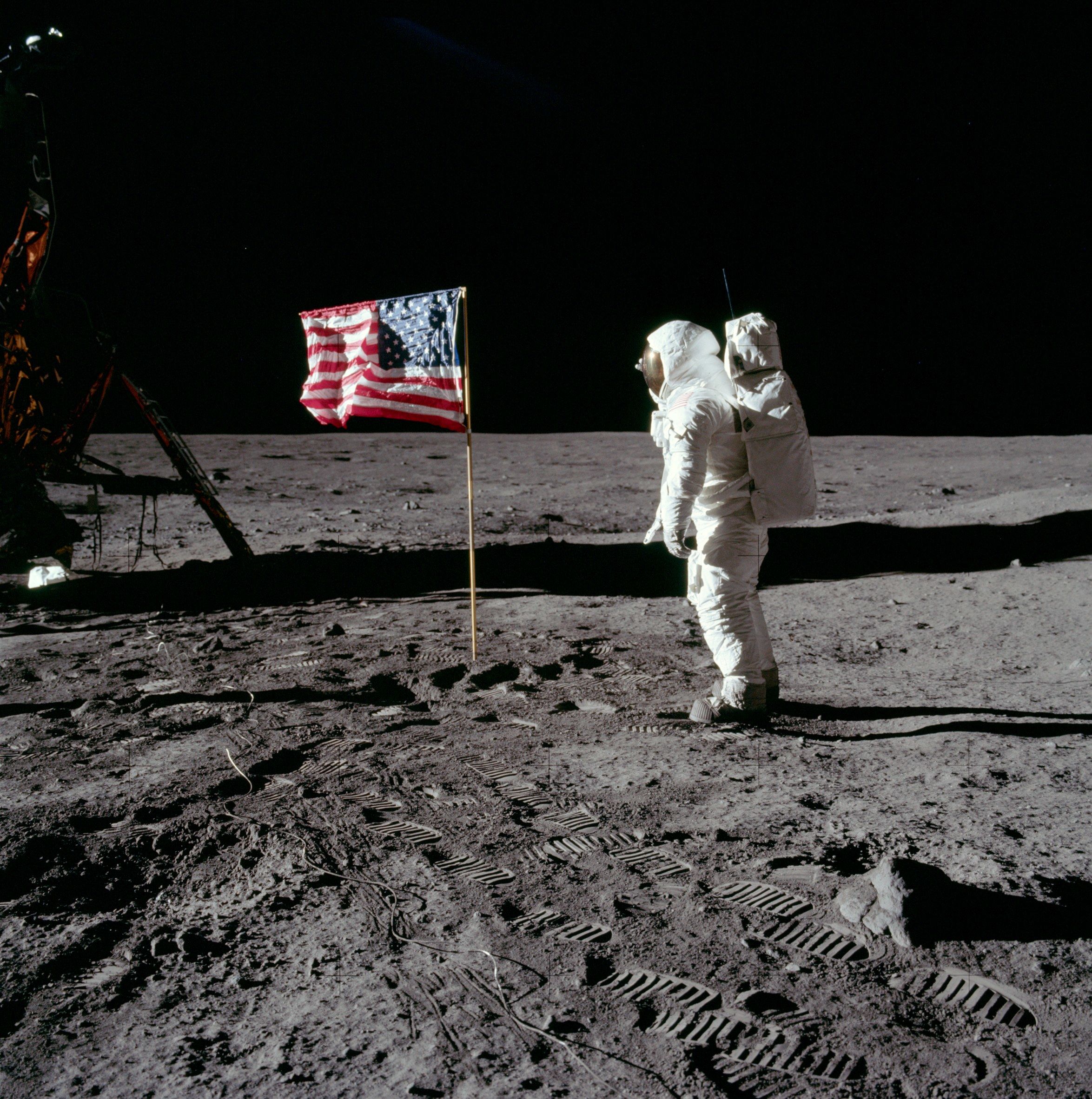
Apollo 11 - lands on the part of the moon known as the Sea of Tranquility on 20 July 1969
The US had outstripped the Soviet Union in the space race (victory for capitalism and democracy)
USSR launched Luna XV to try draw attention away from Apollo 11, but it crash landed on the moon
Informações
- Descrição
- O usuário eliminou as informações de disciplina Notas sobre Development of the Cold War 2, criado por Usuário eliminado em 01-09-2017.
- Criado por
- Usuário eliminado · set 2017
- Atualizado
- 1 set 2017
- Visualizações
- 36
- Histórico
-
- Criado por Andrew Burke · 4 jul 2017
- Copiado por Andrew Burke · 1 set 2017
- Avaliação