
Notas
Disease Mitigation
Conteúdo das notas (8)
Página 1
Dealing with Communicable Disease
The prevention, management and control of communicable diseases requires the active participation and cooperation of governments, doctors and the public.
Malaria is the most widespread communicable disease.
New strategies for malaria prevention and control are emphasising integrated vector management (IVM).
IVM strategies are designed to achieve the greatest disease-control benefit in the most cost-effective manner, while minimising negative impacts on ecosystems and public health.
This strategy includes environmental management strategies that can reduce or eliminate vector breeding grounds altogether and the use of biological controls that target and kill vector larvae without generating the ecological impacts of chemical use.
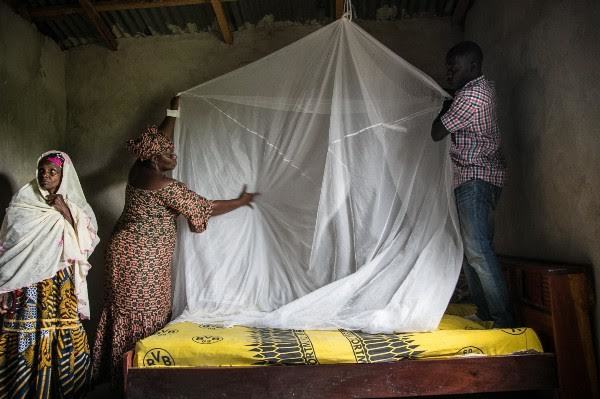
IVM also promotes the use of personal protection, such as insecticide-treated nets and anti-malarial drugs.
Página 2
Dealing with Noncommunicable Disease
The mitigation of noncommunicable disease requires long-term strategies rather than short-term treatment.
Diseases such as cancer and diabetes don't have a single cure, so strategies need to involve overall health improvement and prevention.
The WHO's global plan for lowering the rate on noncommunicable diseases has six objectives:
Make prevention and control of NCDs a priority
Strengthen national capabilities and leadership
Reduce modifiable risk factors
Strengthen health systems
Promote high-quality research
Monitor trends of disease
Reducing things such as alcohol consumption, drug consumption and smoking can help to reduce the rate of cancers.
Promoting healthy eating can help to reduce the rate of obesity, cardiovascular disease and diabetes.

Página 3
Role of International Organisations
Founded in 1948, the World Health Organisation (WHO) are the directing and coordinating authority on international health within the United Nations’ system.
They have several roles in global health, including:
providing leadership on matters critical to health and engaging in partnerships where joint action is needed
funding research and stimulating the generation, translation and dissemination of valuable knowledge
setting norms and standards and promoting and monitoring their implementation
articulating ethical and evidence-based policy options
providing technical support, catalysing change, and building sustainable institutional capacity
monitoring the health situation and assessing health trends
The WHO has members from 193 countries. They meet every year at the World Health Assembly in Geneva to set policy for the organisation.
Página 4
The H1N1 Outbreak
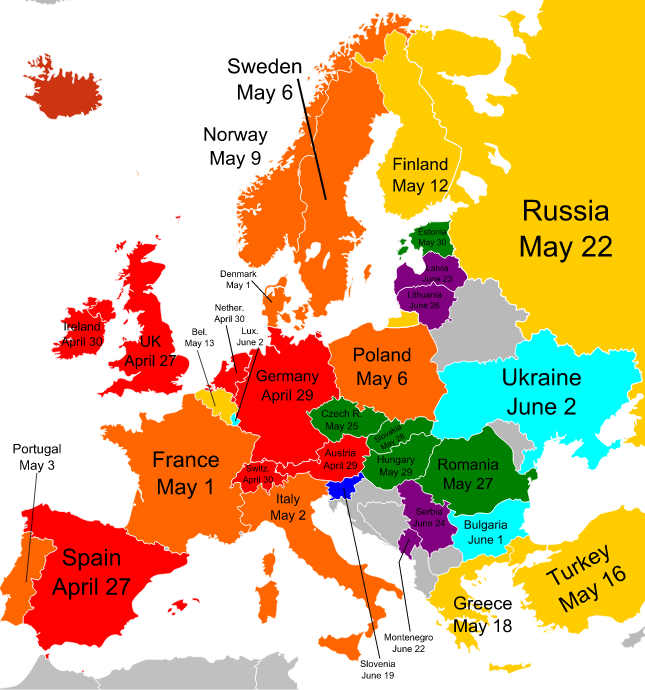
H1N1 is the scientific name for swine flu. The global pandemic of the H1N1 virus was first declared in Veracruz, Mexico in April 2009.
The virus was found to be a novel strain of influenza for which extant vaccines against seasonal flu provided little protection. It has been determined that the strain contains genes from five different flu viruses: North American swine influenza, North American avian influenza, human influenza and two swine influenza viruses typically found in Asia and Europe.
The disease rapidly spread around the world and it wasn't until November 2009 that the pandemic started to slow. In May 2010 the number of cases started to steeply decline.
It was originally announced that the virus killed more than 18,000 people during the pandemic. However, after further research, experts, including the WHO, have agreed that an estimated 284,500 people were killed by the disease.
Because supplies of the vaccine were short, the WHO recommended that protection plans be put in place. These included:
Travel precautions
Closure of schools and workplaces
Quarantine for those affected
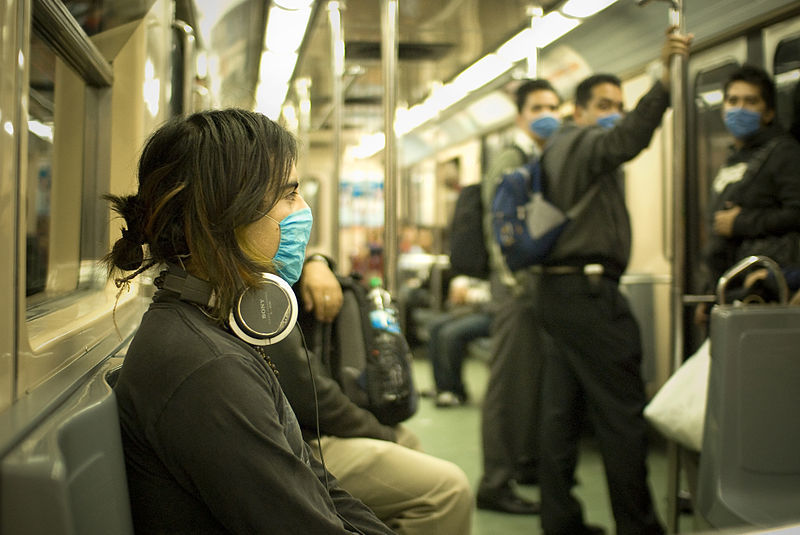
Wearing facial masks when in public
Página 5
Impact of Physical Barriers on Disease Control
Relief:
Positive Effects in Mitigation and Response:
Stops the spread of disease from vectors such as mosquitoes due to climate
Restrict movement of people between areas
Negative Effects in Mitigation and Response:
Difficult to access communities to respond to the outbreak
Communication difficulties between agencies
Natural Hazards:
Positive Effects in Mitigation and Response:
Can restrict movement of people and the further spread of disease
Heavy rainfall and winds can wipe out certain vectors
Response units may respond quicker to a natural hazard
Negative Effects in Mitigation and Response:
Contaminated water supply can hold water-borne diseases
Homes and hospitals destroyed
Displacement of people causes quicker spread of disease
Injuries caused by natural disaster can lead of open wounds and a greater vulnerability to diseases
Access to equipment can be blocked
Hazards could lead to danger for response teams
Medical personnel could be injured or killed
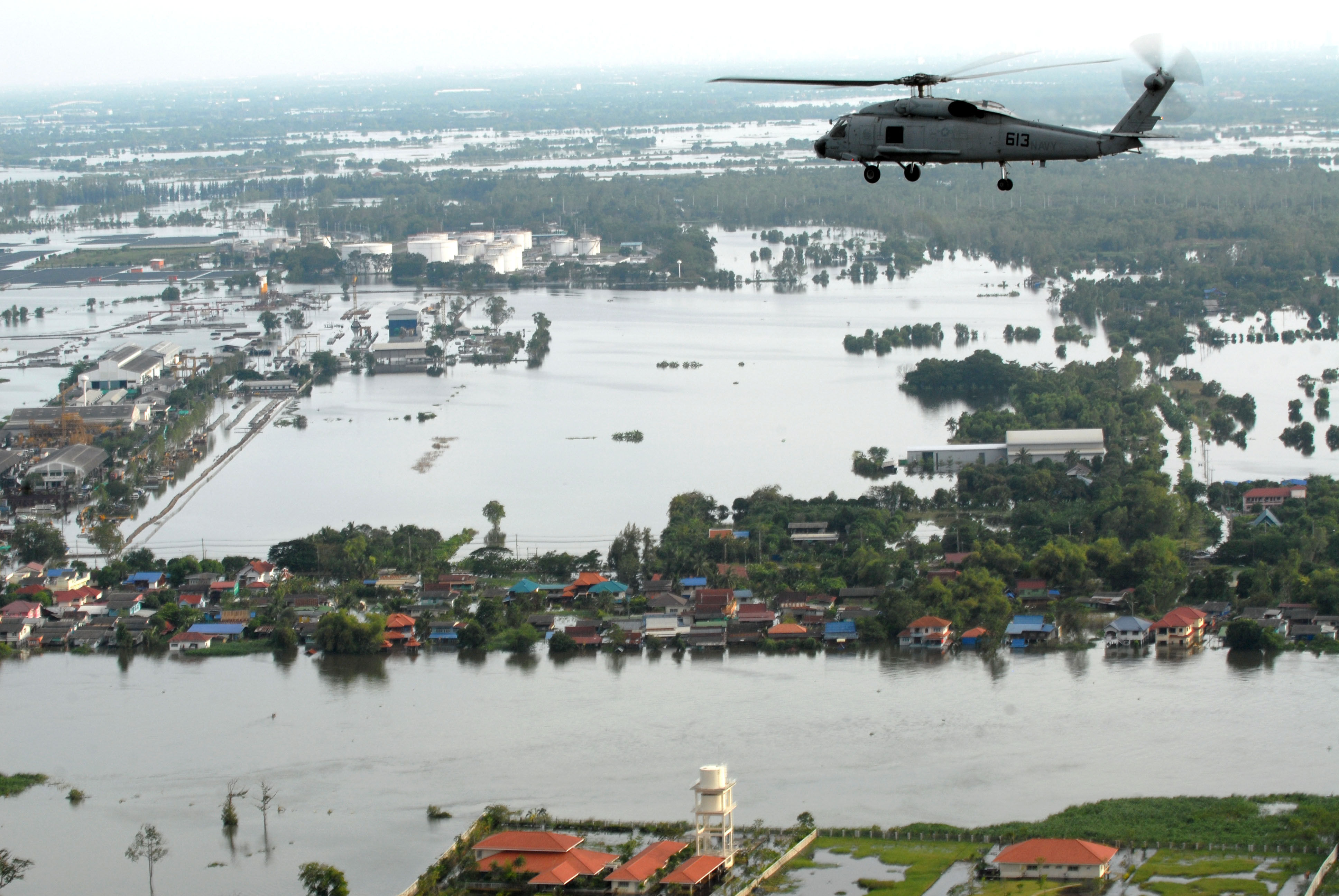
Excess Water:
Positive Effects in Mitigation and Response:
Can potentially be used to clean areas
Could reduce impact of fires
Access to medical support via medical ships
Evacuation route if air travel is not available
Ability to impose quarantine
Negative Effects in Mitigation and Response:
Stagnant water can lead to water-borne diseases
Contaminated water supplies
Inaccessible to emergency relief efforts
Flooding could then damage buildings and lead to mass evacuation
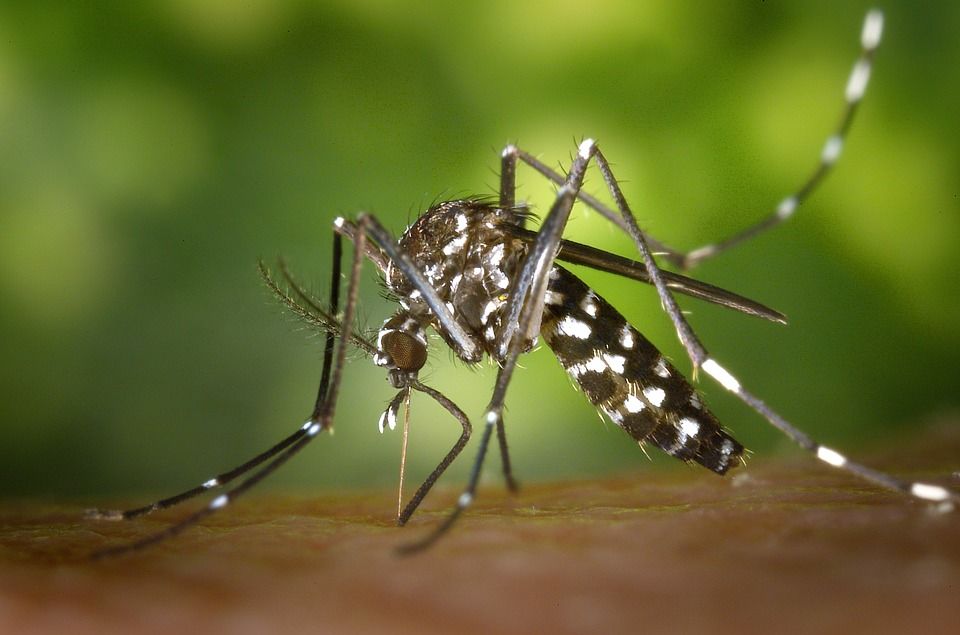
Breeding ground for vectors such as mosquitoes
Equipment could be destroyed
Remote Communities:
Positive Effects in Mitigation and Response:
Restriction of population movements
Natural quarantine of certain diseases
Negative Effects in Mitigation and Response:
Delay the arrival of medical supplies
Populations may not have natural resistance to foreign diseases
Lack of wider immunisation programs
Focus on subsistence farmers so more prone to zoonotic diseases transferred from their animals
Lack of education could lead to difficultly spreading mitigation information
Página 6
International Mitigation Strategies
Smallpox
Smallpox was an infectious disease that attacked the small blood vessels of the body.
Smallpox is thought to date back to the Egyptian Empire around the 3rd century BC.
On average, 3 out of every 10 people who got it died. Those who survived were usually left with scars, which were sometimes severe.
In 1959, WHO initiated a plan to rid the world of smallpox. This plan featured vaccinations to stop the spread of the disease.
Smallpox vaccination within three days of exposure prevented smallpox symptoms in the vast majority of people.
Smallpox was officially eradicated in 1980.
Polio
Polio is an infectious disease caused by the poliovirus.
Poliovirus is usually spread from person to person through infected fecal matter entering the mouth. It may also be spread by food or water containing human feces and less commonly from infected saliva.
Efforts to tackle the threat of polio are spearheaded by the World Health Organization, UNICEF, the U.S. Centers for Disease Control and Prevention, Rotary International and the Bill & Melinda Gates Foundation.
Their strategy outlines steps to end polio transmission, help improve childhood immunization programs, and begin a worldwide polio vaccine transition. While the plan is considered to be solid approach to eradicating poliovirus, the initiative faces a variety of obstacles including deadly violence aimed at health workers in several of the remaining endemic countries, new outbreaks in previously polio-free areas, and continued difficulties reaching all children with vaccines.
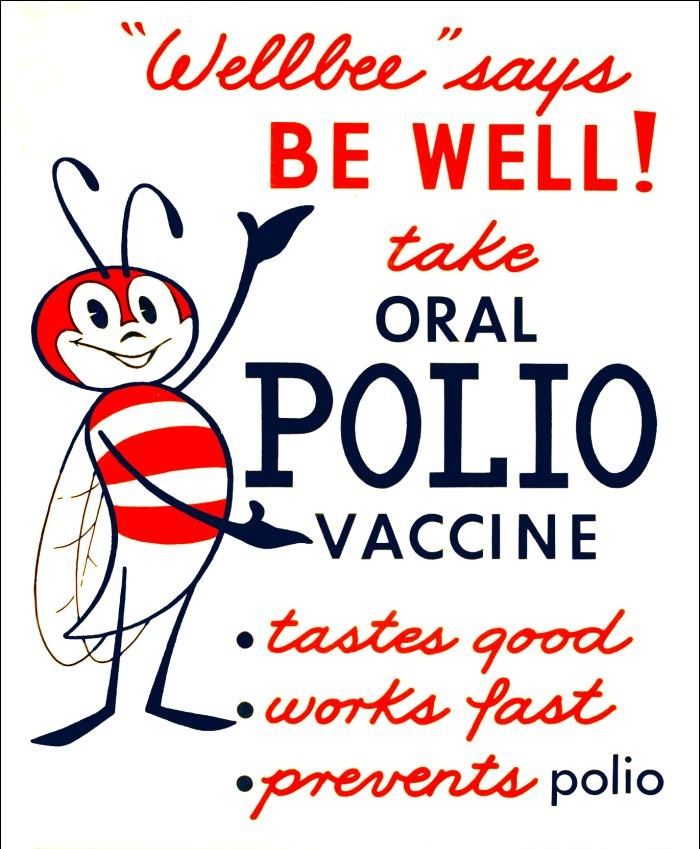
There are two types of vaccine that protect against polio: inactivated poliovirus vaccine (IPV) and oral poliovirus vaccine (OPV).
The Americas were declared polio-free in 1994. Most of the world is free from the disease but there is still an epidemic in parts of Africa.
Página 7
National Mitigation Strategies - Malaria in Mauritius
Mauritius has been hit with malaria since the 19th Century.
In 1960, the Malaria Control Programme was transformed into an eradication programmed based on an improved active detection system.
Through this active detection system, more than 1000 cases were detected in 1960 which led to believe that there was an epidemic, when in fact it was due to more effective detection.
The plan of action was as follows:
Surveillance
Spraying with DDT to kill the disease
Fogging operations in specific regions.
Larviciding
Environmental management
Strengthening of laboratory and entomology services
Health Education
Provision of logistic support
However, the disease was soon reintroduced. Malaria resurged in 1975, leading to a second campaign that once again eliminated indigenous transmission in 1998.
Today, most of the preventive measures are carried out by Government Services.
Mauritius is surrounded by endemic countries with high prevalence of malaria situation. The dense sea and air link with these countries and high level of tourism increases the risk of the disease spreading.
The following measures are being carried out by the Ministry of Health and Quality of Life with regard to malaria control:
Surveillance
Diagnosis
Residual Spraying and Larviciding
Free medicines for those affected and follow-up appointments
Health Education
Página 8
Grassroots Strategies - Guinea Worm in Ghana
Guinea worm is an infection caused by the Guinea worm. A person becomes infected when they drink water that is infected with guinea worm larvae.
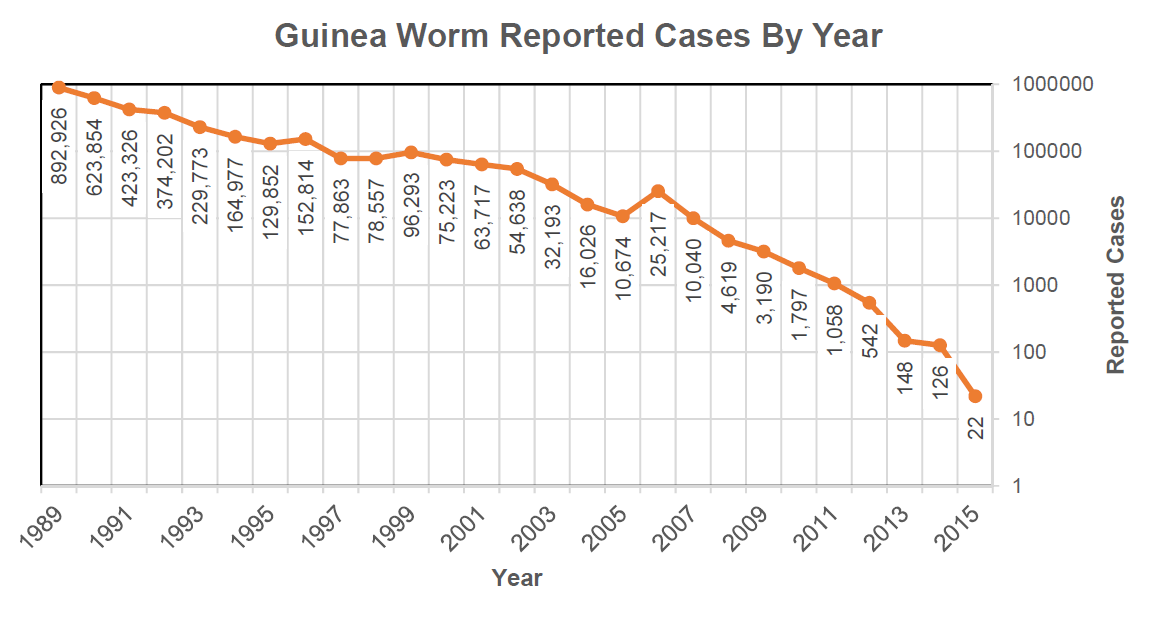
When the eradication campaign kicked off in 1986, there were 3.5 million cases worldwide with 20 countries reporting high numbers.
The most important weapon in the war on Guinea worm is health education, which is quite high even in the remote villages where literacy level can be as low as 20%.
In 2001, The Carter Centre engaged the women of the Ghana Red Cross Society to work with and support village volunteers in the most affected districts. The Red Cross Society women were the eyes and ears of the community, reporting cases, ensuring proper use of filters, and preventing worm contamination in water sources.
Informações
- Descrição
- O usuário eliminou as informações de disciplina Notas sobre Disease Mitigation, criado por Usuário eliminado em 01-09-2017.
- Criado por
- Usuário eliminado · set 2017
- Atualizado
- 1 set 2017
- Visualizações
- 829
- Histórico
-
- Criado por Antonia Blankenberg · 1 set 2017
- Copiado por Antonia Blankenberg · 1 set 2017
- Avaliação