
Anuran Families (Overlap Lecture and Lab)
Slides do conjunto (20)
-
- 1 genus, 2 sp
- Has a true intermittent organ, and is one of the few frogs with internal fertilization
- Disjunct dist. in Pacific NW, where they inhabit cold rapid streams
- A few large eggs laid under rocks in streams
- Tadpoles have well-developed oral suction disks, and development can take years
- Adults are aquatic and lack calls and external ears
-
- 1 genus, 4 sp
- Resemble Ascaphids
- Terrestrial or streamside
- Small clutches of large eggs laid on land, with direct development to near-metomorphic larvae
- Some M attend eggs and carry larvae on back
- Threatened by habitat loss and disease
-
- 2 genera, 10 sp
- Defined by technical skeletal characters
- Have warning coloration on belly and exhibit the unken response
- Most likely lay few large eggs
-
- 3 genera, 11 sp
- Small to medium terrestrial frogs with aquatic tadpoles
- Most probably have unpalatable skin secretions
- Significant genera: Alytes (midwife toad)
-
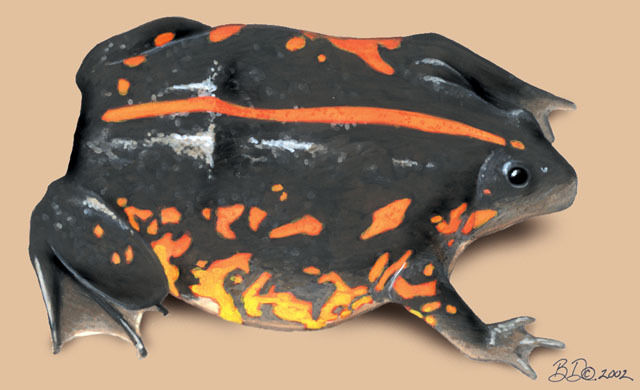
- Monotypic
- Explosive breeders after heavy rains
- Loud call
- Larvae develop in temporary ponds
- Fossorial exomorph
- Mouth, pharynx, esophagus, and hyoid modified for eating ants and termites underground
- Tongue protrudes straight from a groove
-
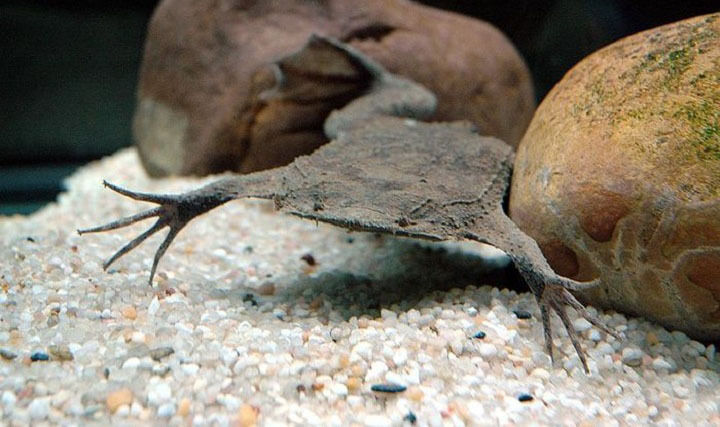
- 4 genera, 41 sp
- Flattened, lack tongues and eyelids
- Highly aquatic with lateral lines, long fingers, and webbed feet
- Call underwater, have modified ear and vocal apparatus
- Genetic evolution involves polyploidy
- Significant genus: Xenopus
- Significant species: Pipa pipa (nightmare frog)
-
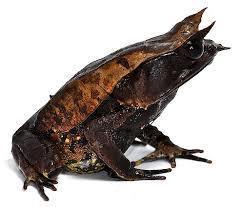
- 6 genera, 240+ sp
- Streamsides or rainforest floow
- Disruptive shape camouflage
- Lavae aquatic but otherwise vary greatly
- Skin highly glandular
-
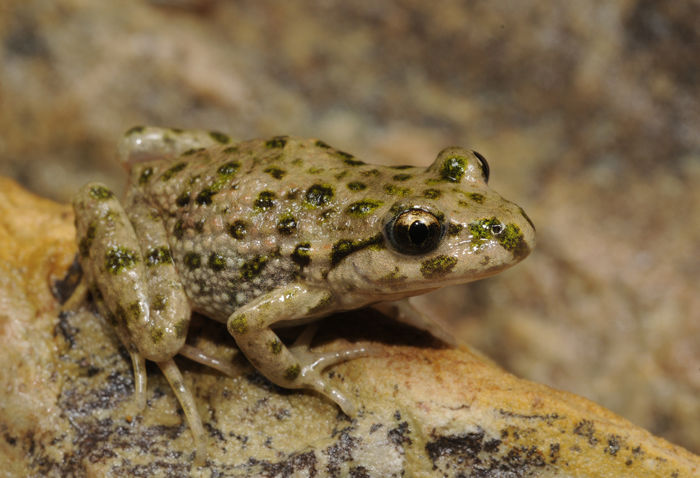
- 1 genus, 5 sp
- Squat, warty, dessication tolerant
- Usually nocturnal but become diurnal to breed
- Explosive breeders in temporary ponds
- Hard tubercle spade on outside rear foot
-
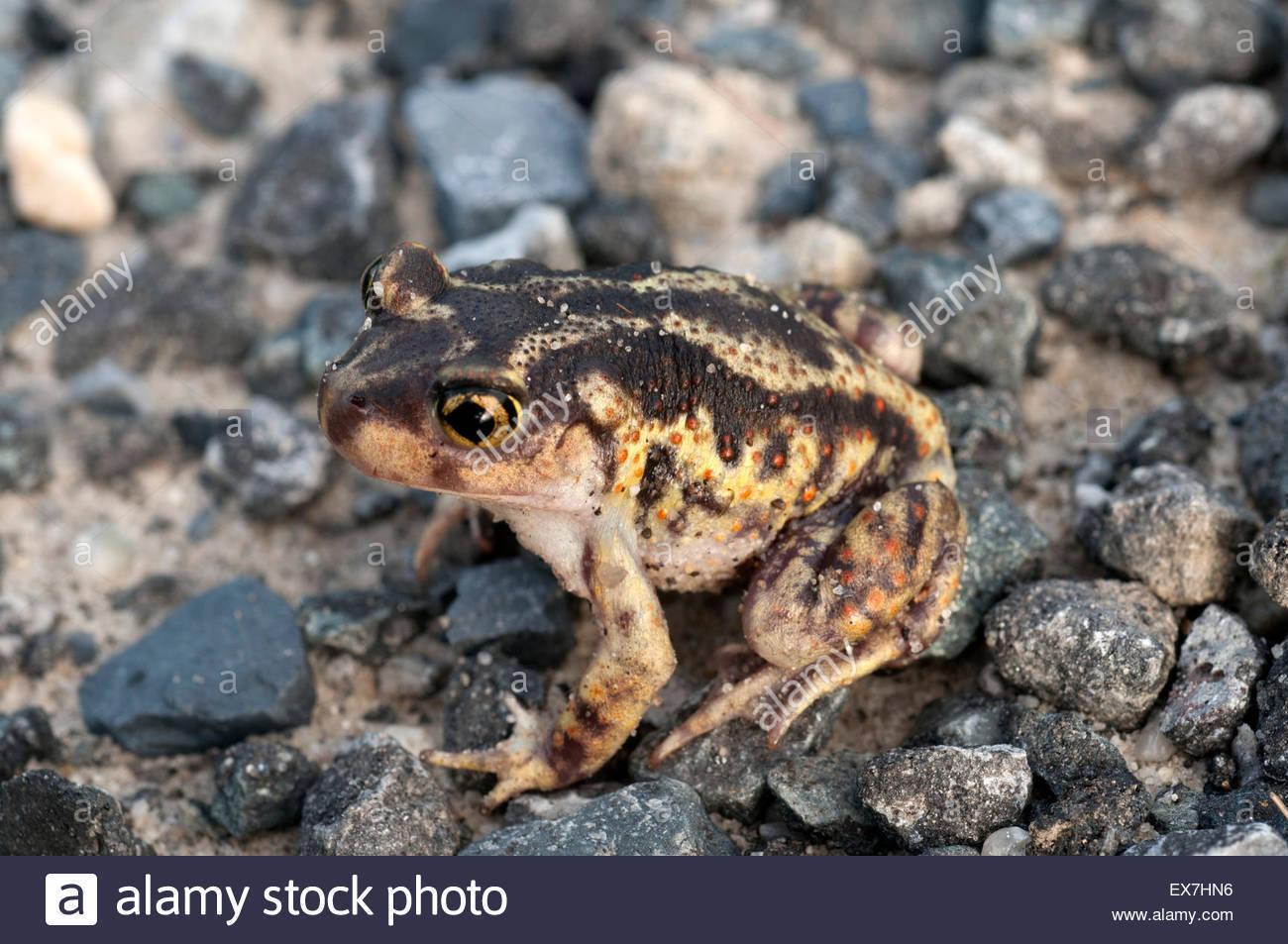
- 2 genera, 7 sp
- Squat, warty, dessication tolerant
- Hard tubercle spade on outside rear foot
- Explosive breeders in temporary ponds
- Chemical indicators of past failed transformations accelerate larval development
- Dual tadpole genotypes produce different larval phenotypes in different environmental conditions (example: cannibal morph)
-
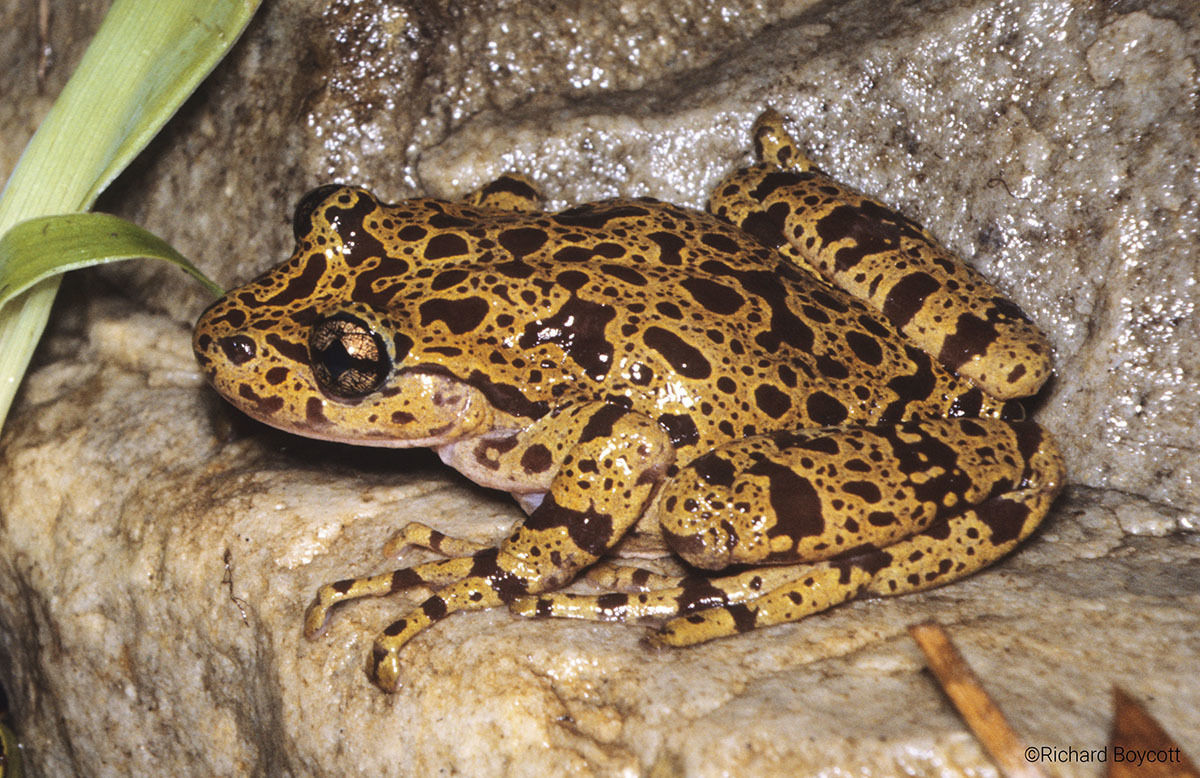
- 2 genera, 6 sp
- Strongly webbed feet and prominent toe-disks
- Larvae inhabit swift streams, stick to rocks with oral disk and eat algae
- Eggs in puddles or damp ground, but tadpoles develop in streams (washed in)
- Vertical pupils in bright light
- "Squared off" toepads
-
- 52 genera, 630+ sp
- Anaxyrus is the new name for NA Bufonids
- Cosmopolitan distribution except Aus/NG, deserts, and Madagascar
- Most terrestrial, teeth absent
- Diverse repro modes, most put strings of many small eggs in temp water
- Males have Bidders Organ
- Cutaneous glands
- Many have toxic secretions, some aposematic
- Toad morphotype: squat, warty, big head
-
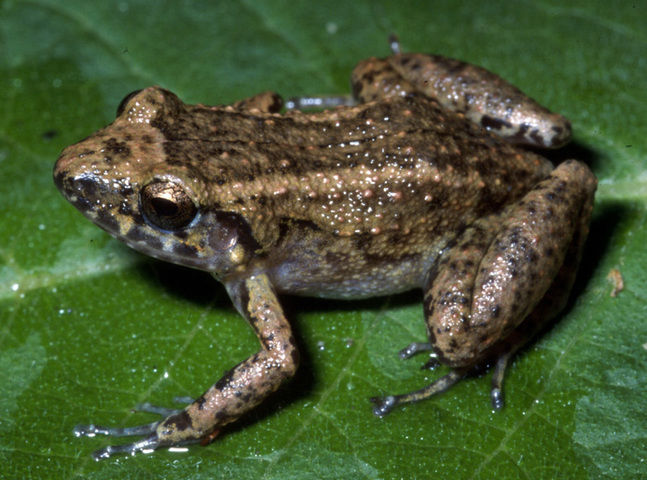
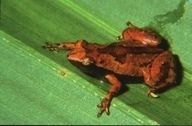
- 4 genera, 225+ sp
- Assemblage of 4 genera in W Indies, NA, SA
- Characterized by direct development
-
- 2 genera, 4 sp
- Endemic to granitic Seychelles Islands in Indian Ocean
- Most closely related to Indian Nasikabatrachidae
- Small, terrestrial
- Have larval/tadpole and direct development
-
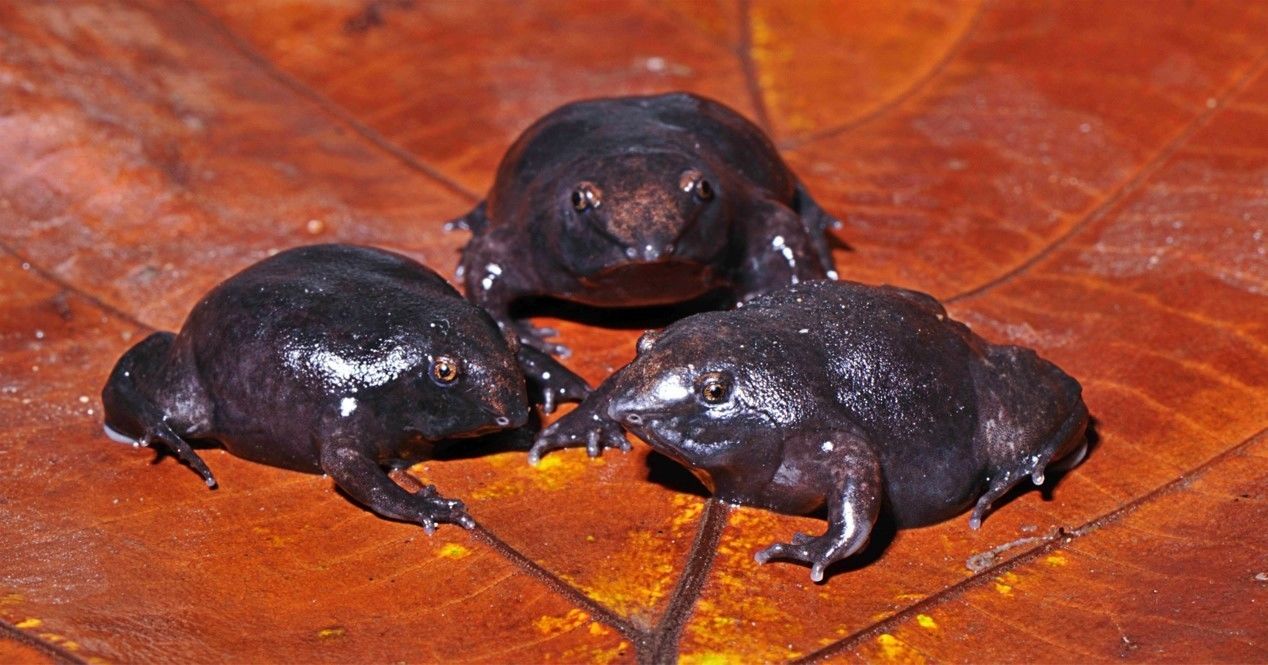
- 1 genus, 2 sp. Recently described
- W Ghats in S India
- Large (bloated) body, small eyes, no tympanum
- Snout with distinct white protrusion
- Sister to Sooglossidae
-
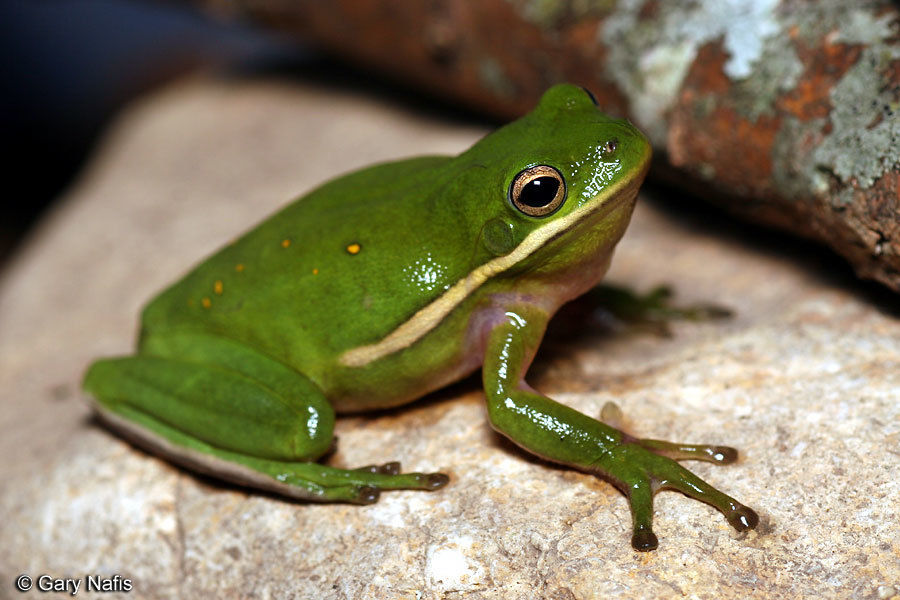
- 53+ genera, 1k+ sp
- Claw shaped phlanges, usually end in toe disks
- Most species are arboreal climbers with arboreal ecomorphs
- Diverse reproductive modes
-
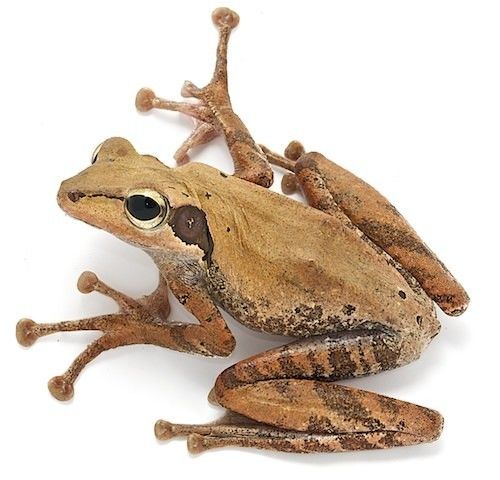
- 20 genera, 425+ sp
- Mostly arboreal with toe disks and adherant toe pads
- Many are foam nesters, but repro is varied
- In many tropical areas, occupy the treefrog niche
- Significant species: Cristalus effingeri breeds in broken bamboo
-
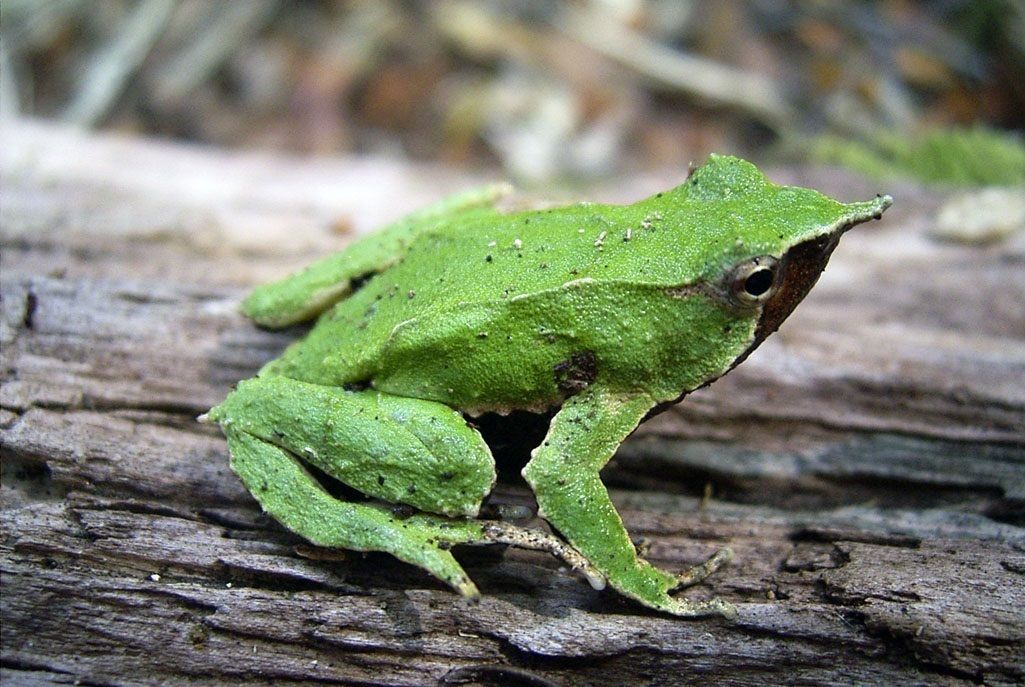
- 2 genera, 3 sp
- Small, with fleshy rostral appendage at the end of the snout
- Eggs laid on land and attended by M
- M carried tadpoles to water in mouth or broods them in vocal sacs
-
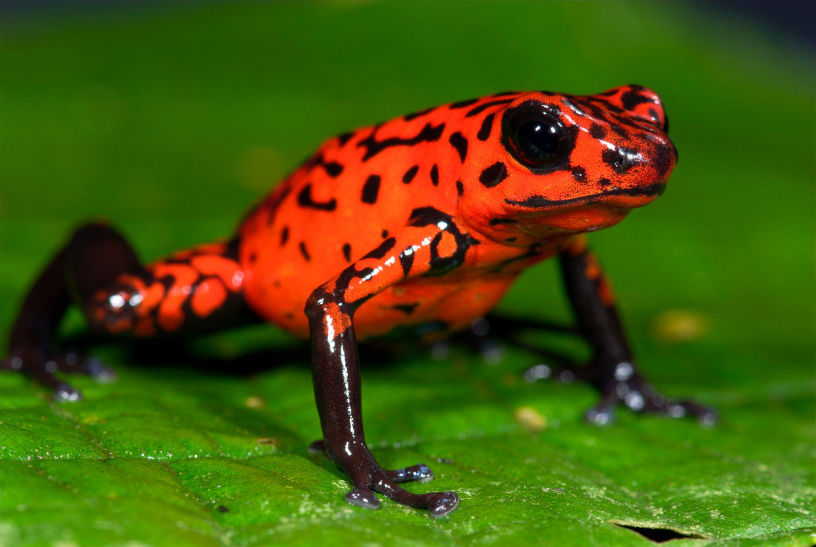
- 20 genera, 323+ sp
- Large terrestrial eggs guarded by parent
- Newly hatched tadpoles are carried on the back of guarding parent to water
- Most have poisonous skin secretions
- Advertised by bright colors
- Some only breed in bromeliads and FM nourish larvae with trophic eggs
-
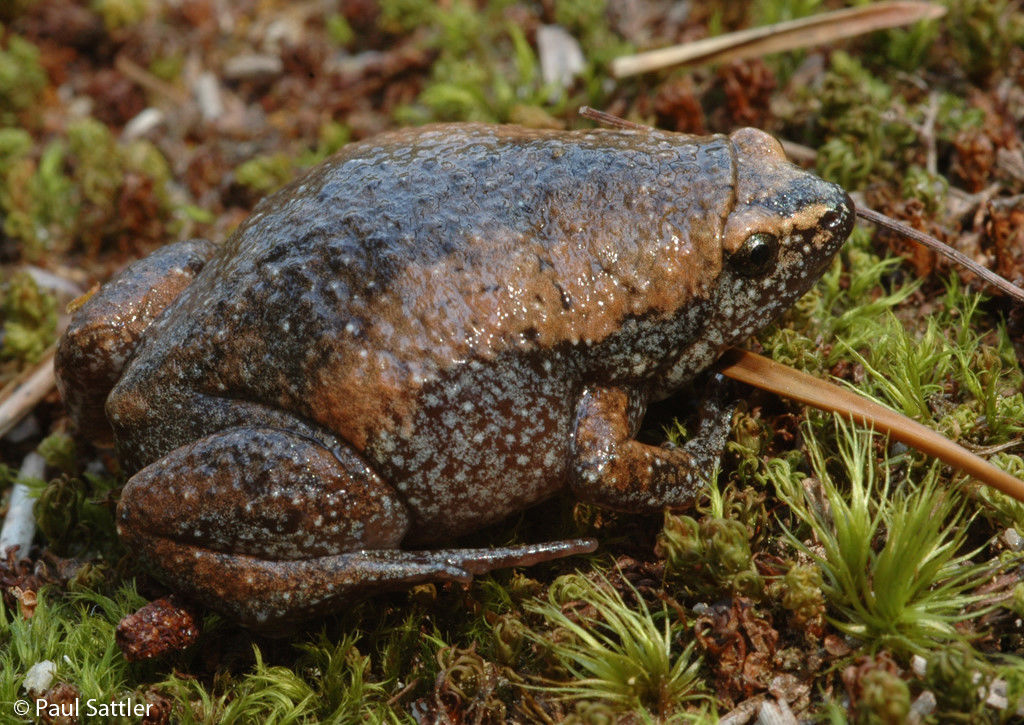
- 69 genera, 678+ sp
- Almost all ecomorphs
- Enormous morphological, reproductive, and ecological diversity
- In parts of SE Asia, may occupy niches frequently held by other families
-
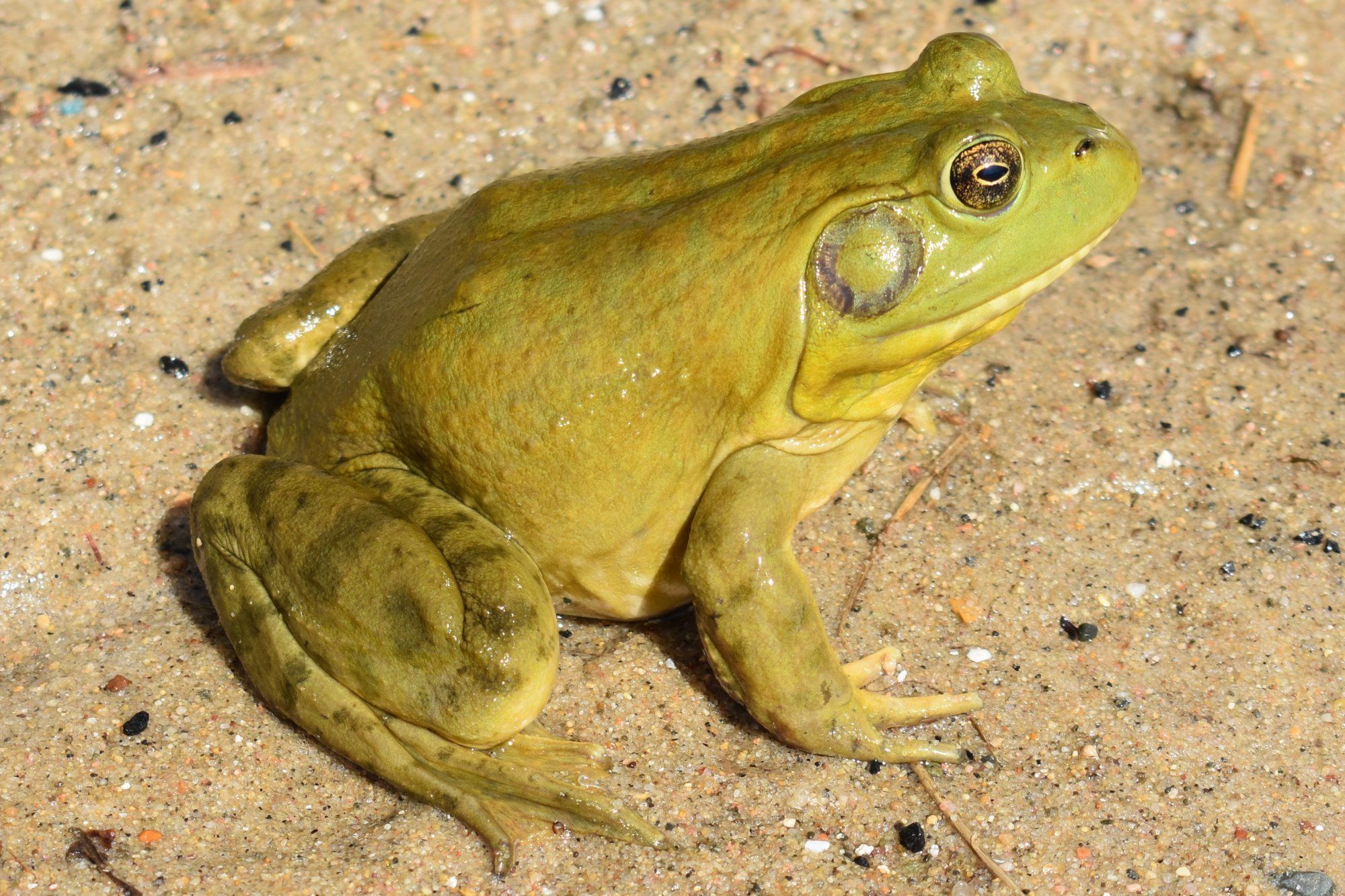
- 26 genera, 413+ sp
- "Catch all" family with no defining synpomorphies
- Non-monophyletic
- The genus Rana with the most species is rather uniform, other genera are not
Informações
- Descrição
- O usuário eliminou as informações de disciplina Slides sobre Anuran Families (Overlap Lecture and Lab), criado por Usuário eliminado em 04-02-2020.
- Criado por
- Usuário eliminado · fev 2020
- Atualizado
- 4 fev 2020
- Visualizações
- 14
- Histórico
-
- Criado por Emilie Broussard · 3 fev 2020
- Copiado por Emilie Broussard · 4 fev 2020
- Avaliação