
Notas
11. Nine percent of men and one-half percent of women are color-blind
Conteúdo das notas (1)
Página 1
Color-blindness
Did you know that most people that are color-blind actually have a deficiency that makes it hard for them to see differences between some colors.
Color-blindness can be hereditary or acquired by disease or injure. Since most of the color genes are on the X chromosome, men are more likely to have problems with color vision than women.
The most common color blindness is distinguishing between reds, yellows and greens. Rare forms of color blindness are related to distinguishing blues from yellows, or where everything looks grey.
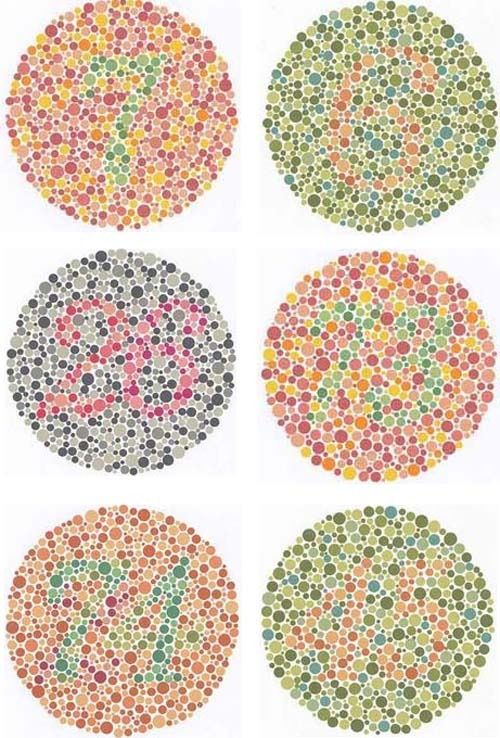
How to design when we have to consider color-blindness?
The thumb rule is that whenever you use color to give specific meaning, you need a redundant color scheme, like color and line, so people who are color-blind will be able to decipher the code without needing to see specific colors. Another approach is to use a color scheme that works for people who have the various types of color-blindness.
Notes to remember
When using color to imply certain meaning, use a redundant color scheme
When designing color coding consider colors that work for everyone. Avoid red, green, and blue.
Informações
- Descrição
- Notas sobre 11. Nine percent of men and one-half percent of women are color-blind, criado por Mariane Castro em 27-09-2015.
- Criado por
- Mariane Castro · set 2015
- Atualizado
- 19 fev 2016
- Visualizações
- 163
- Avaliação